
Sequence order did not change how rhesus macaques or a bonobo categorized ambiguous shapes
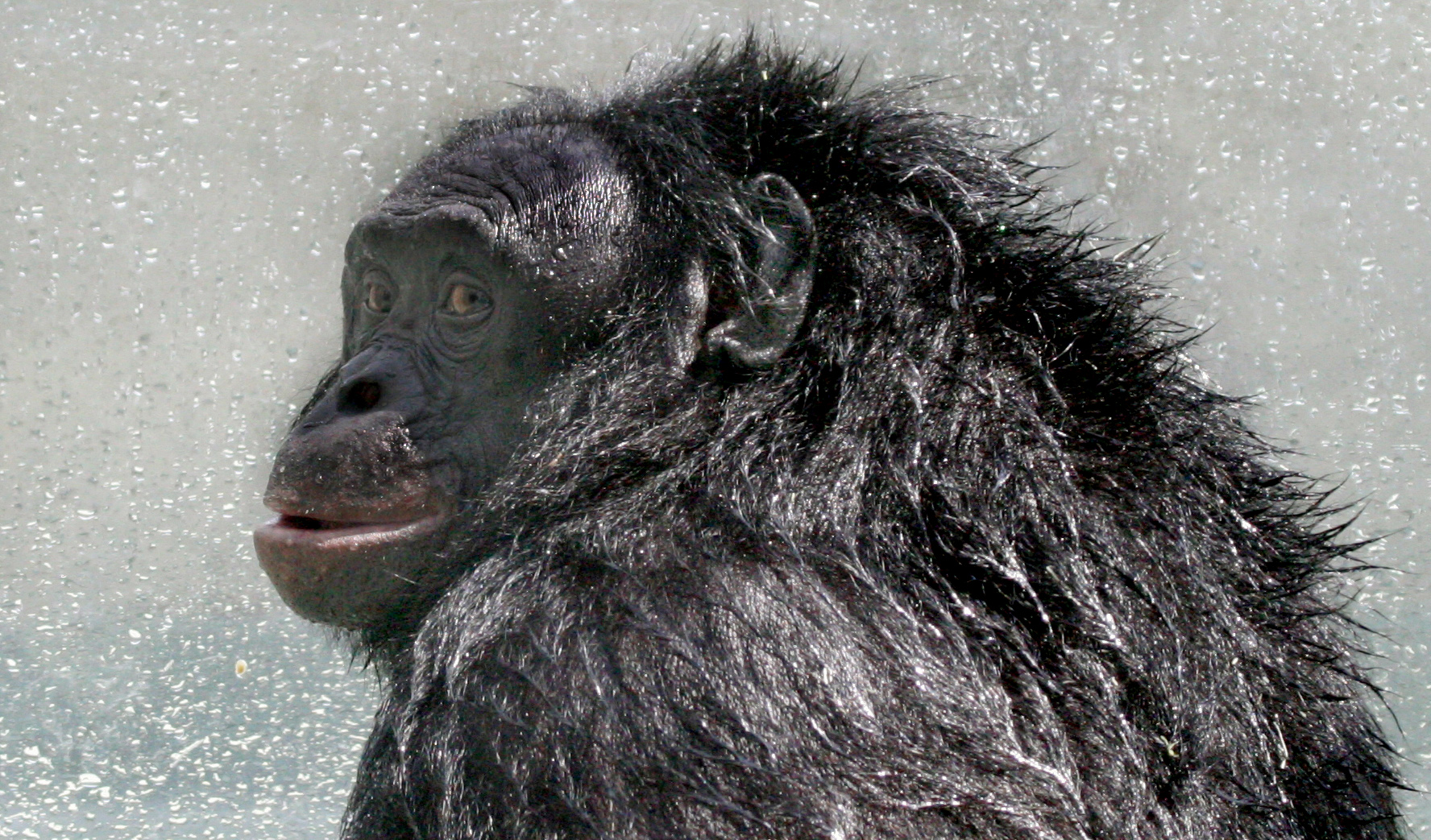
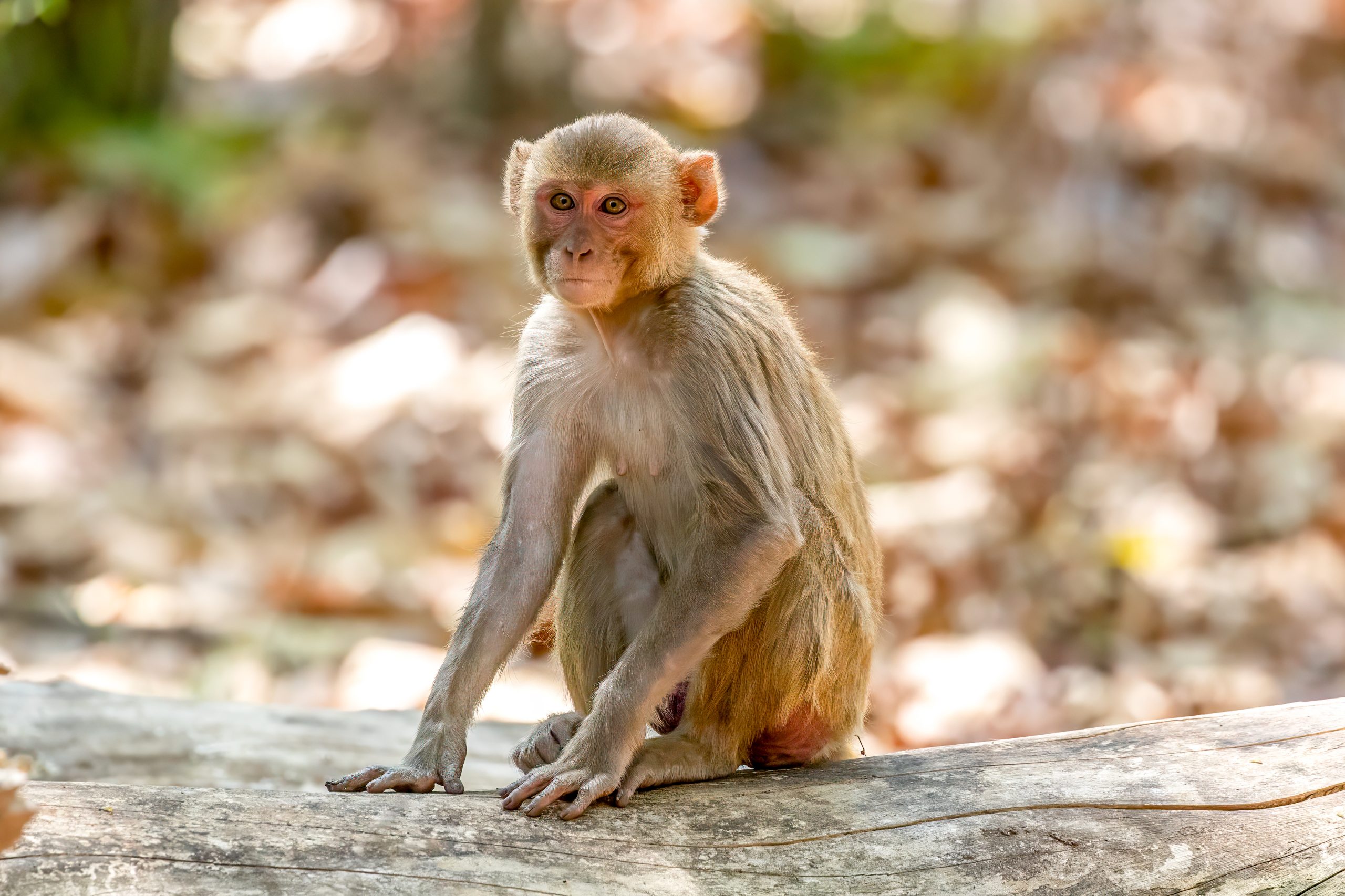
People can use the position of an item in a sequence to help decide what an ambiguous shape is. In an earlier study, people were more likely to categorize a blended shape as the category whose place it took in a learned sequence. A study published on 21 October 2026 tested whether two rhesus macaques and a bonobo showed the same effect.
The animals first learned to sort rounded, square and pointed shapes, then to select them in that order: rounded, square, pointed. Researchers introduced shapes blended between two categories and placed them in different positions in the sequence. For example, a rounded–square blend could take the rounded shape’s place or the square shape’s place. After each sequence, the animals categorized the blend.
The position did not systematically sway their choices. Instead, the animals shifted between the two categories as the blended shapes changed in appearance. In two animals—the macaque Lapis and the bonobo Kanzi—a small shift went opposite to the pattern found in people. Lapis and Kanzi tended to choose a shape category present in the preceding sequence rather than the one replaced by the blend. The researchers suggest that recent exposure to those shapes might explain the difference.
The result does not reproduce the human sequence-position effect in these three animals. Only two female rhesus macaques (Macaca mulatta) and one bonobo (Pan paniscus) completed the key test; four bonobos began the experiment, but only Kanzi reached that stage. Despite having learned a large vocabulary of visual symbols (lexigrams) to communicate with humans, Kanzi did not show the human sequence-position effect. The authors suggest that using sequence order to resolve ambiguity may have evolved more recently in the human lineage or be connected to language-related processes. The small sample means the study cannot establish whether other macaques, bonobos or non-human primates show the effect.
Behaviour
Related news
Older rhesus macaques show hundreds of gene-expression differences in blood
In a study at a research facility in Sochi, Russia, 741 genes differed in expression between young and…
Read story →
Oxytocin’s effect on macaques’ brain responses to sound depended on visual context
In two awake rhesus macaques, oxytocin dampened sound-evoked brain responses when sounds were presented alone. The dampening disappeared…
Read story →
Some rhesus macaques kept SIV in check after antibody treatment and ART interruption
Eight of 21 macaques given SIV-targeting antibodies met the study’s definition of post-treatment control. Their CD4+ T cells…
Read story →SPECIES IN THIS STORY
Species in this story
Independent research and conservation news archive
Did you find this information useful?
Wildlife Vagabond is independently built and maintained. Voluntary support helps cover source verification, hosting and continued work on research and conservation news.
Support Wildlife VagabondThe news archive will remain freely available.