
Human-Dominated Landscapes Changed How Serengeti Impalas Balanced Food and Risk
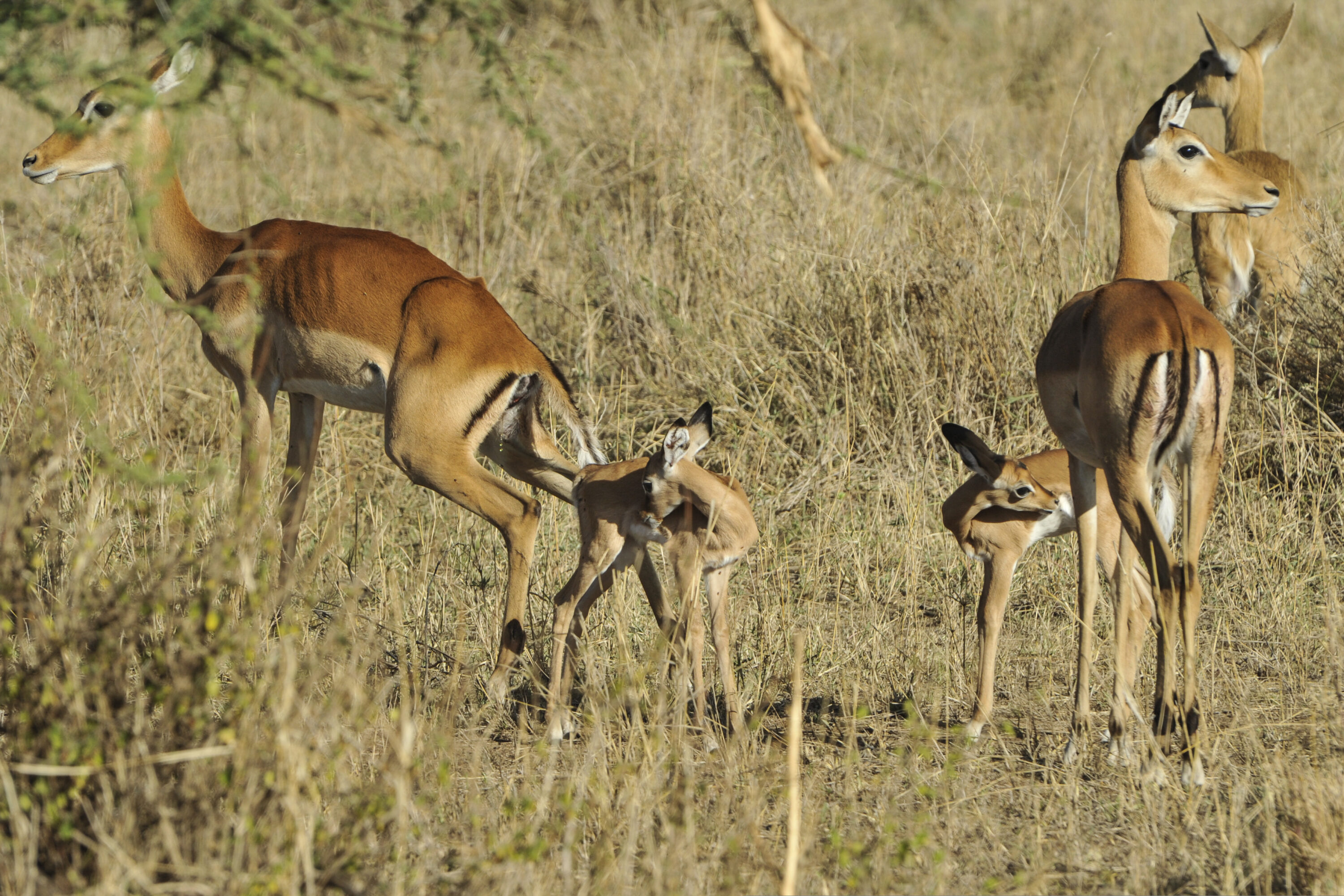
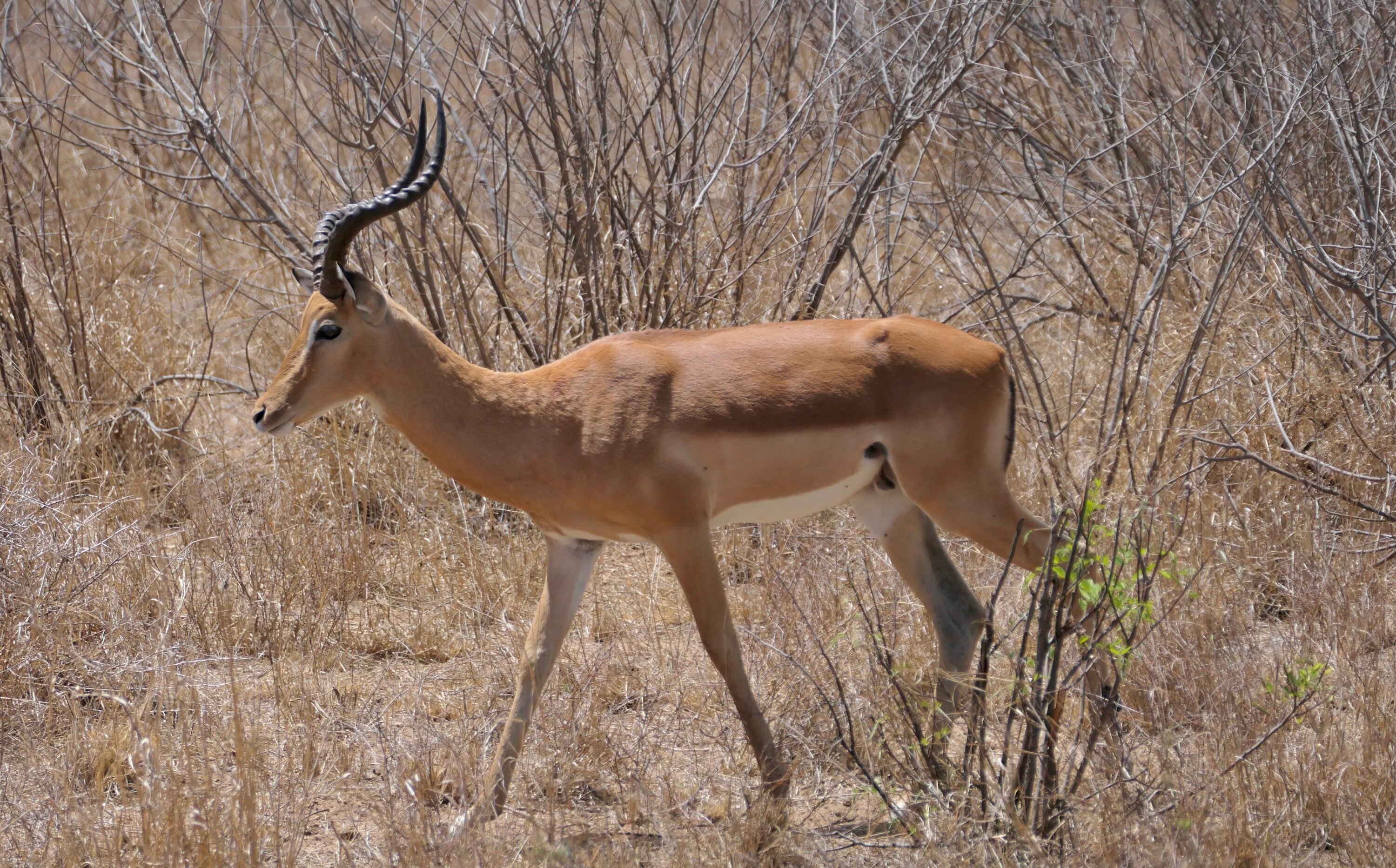
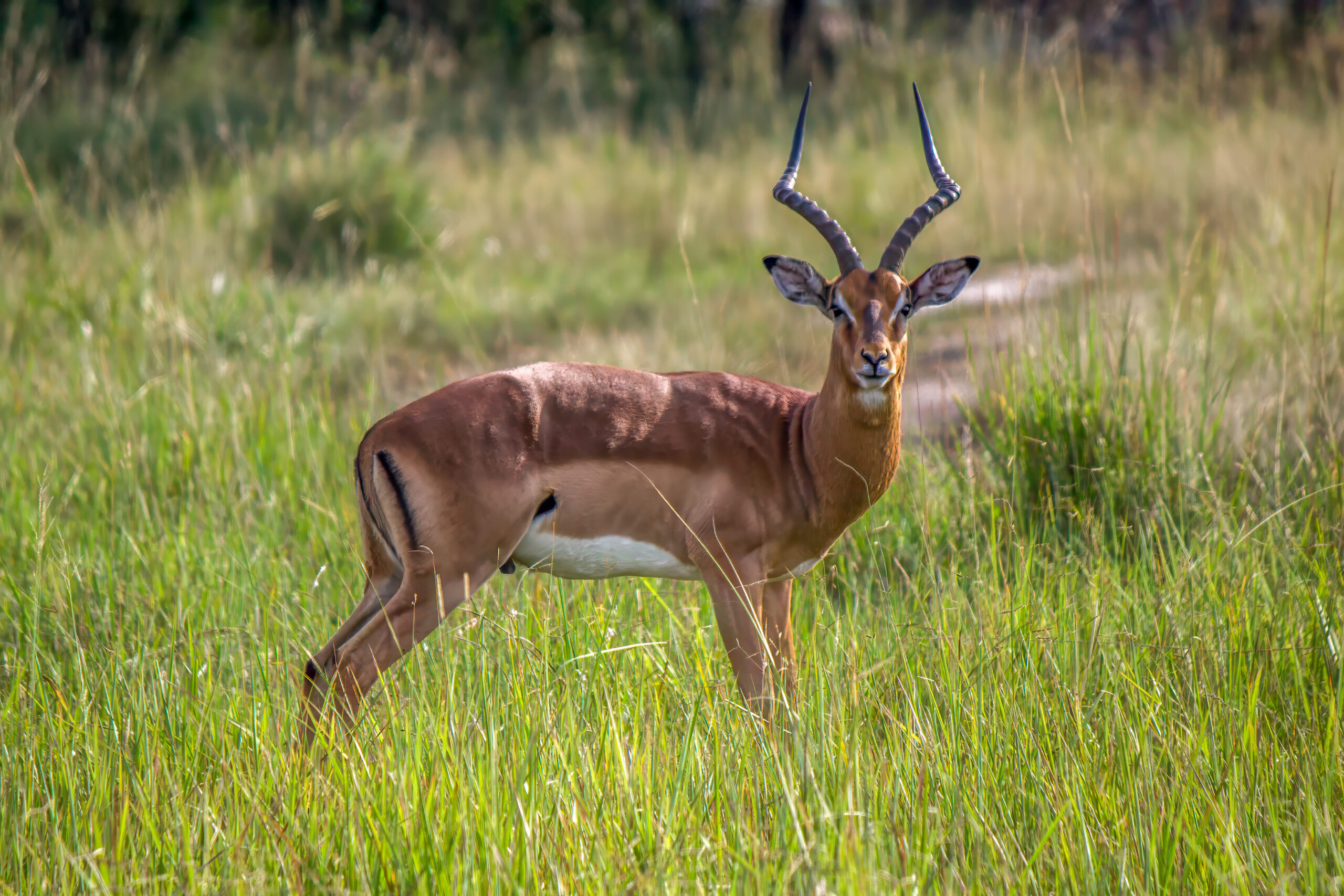
A 2026 GPS-tracking study found that impalas (Aepyceros melampus) in the Serengeti, Tanzania ecosystem adjusted habitat use differently inside and outside Serengeti National Park, balancing access to forage against risks from carnivores and people. The researchers concluded that human disturbance outside the park produced a stronger and more predictable behavioural response than the natural predator community inside it.
The study followed 36 adult female impalas between April 2016 and September 2018 across Serengeti National Park and surrounding management areas. GPS collars recorded 211,767 hourly locations. The researchers compared vegetation structure, forage quality, distance to water and terrain ruggedness at the scale of the animals’ home ranges and at finer scales within those ranges, while also examining changes through the day and across the lunar cycle.
Risk shaped range placement, while forage shaped use within ranges
At the broader landscape scale, impalas showed stronger avoidance of risk, whereas within their established home ranges they selected more strongly for forage. Home ranges were generally placed in relatively homogeneous woodland close to water, but within those ranges the animals used more heterogeneous, open and rugged patches.
The pattern changed outside Serengeti National Park, where impalas placed their home ranges in less rugged terrain and farther from water than they did inside the park. The surrounding areas contain livestock, settlements, legal land uses and illegal activities such as bushmeat hunting. The authors describe this as a functional response to a different risk landscape, in which human disturbance alters the balance between food and safety.
Habitat use also changed with moonlight
Habitat use also varied through the day and across the lunar cycle. During brighter full-moon nights they selected more open woodland than during darker nights, when they preferred more closed woodland. Several habitat preferences also changed between day and night, with particularly strong daily patterns in the use of woody cover.
The authors conclude that impalas respond simultaneously to long-term spatial risk and short-term temporal risk. Inside the national park, the main threat is the natural carnivore guild; outside it, human presence and activities create an additional and highly predictable source of risk. This difference was strong enough to change how impalas selected habitat across the landscape.
Ecology
Related news
Faecal egg counts missed many nematode infections in African ungulates
In Kruger National Park, egg counts in faeces often detected fewer infections than counts of adult worms recovered…
Read story →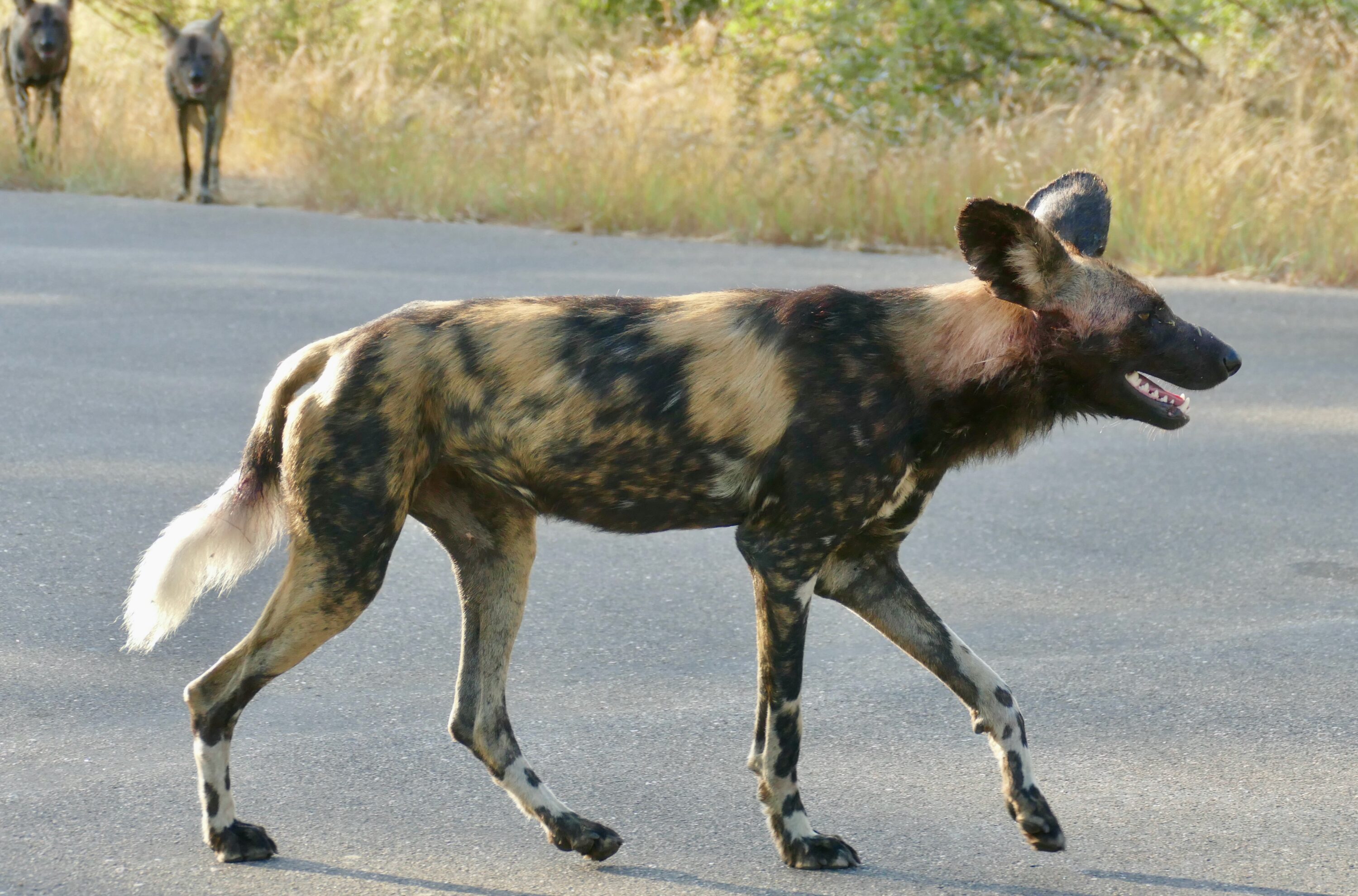
Food Leaves Its Mark on the Gut Bacteria of Kruger’s Wildlife
Gut bacteria in nine mammal species from Kruger National Park followed clear patterns linked to food and digestion.…
Read story →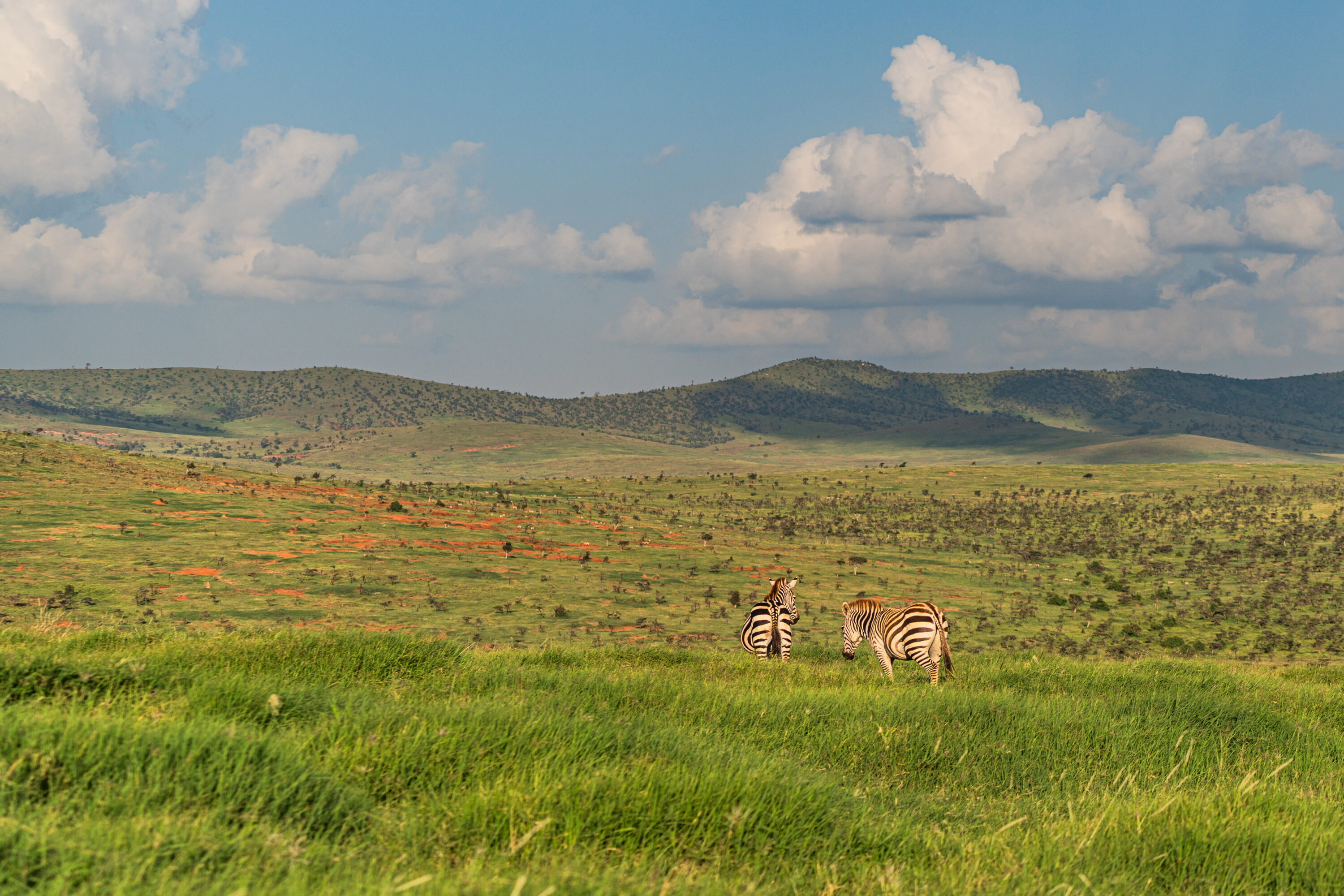
First Reported Giardia Detections in Four Wild Herbivore Species in Kenya
Molecular screening of wildlife and livestock in Laikipia produced the first reported Giardia detections in African buffalo, plains…
Read story →SPECIES IN THIS STORY
Species in this story
Independent research and conservation news archive
Did you find this information useful?
Wildlife Vagabond is independently built and maintained. Voluntary support helps cover source verification, hosting and continued work on research and conservation news.
Support Wildlife VagabondThe news archive will remain freely available.