
Snow and Spring Green-Up Predicted When Moose Visits Peaked at Roadside Mineral Licks
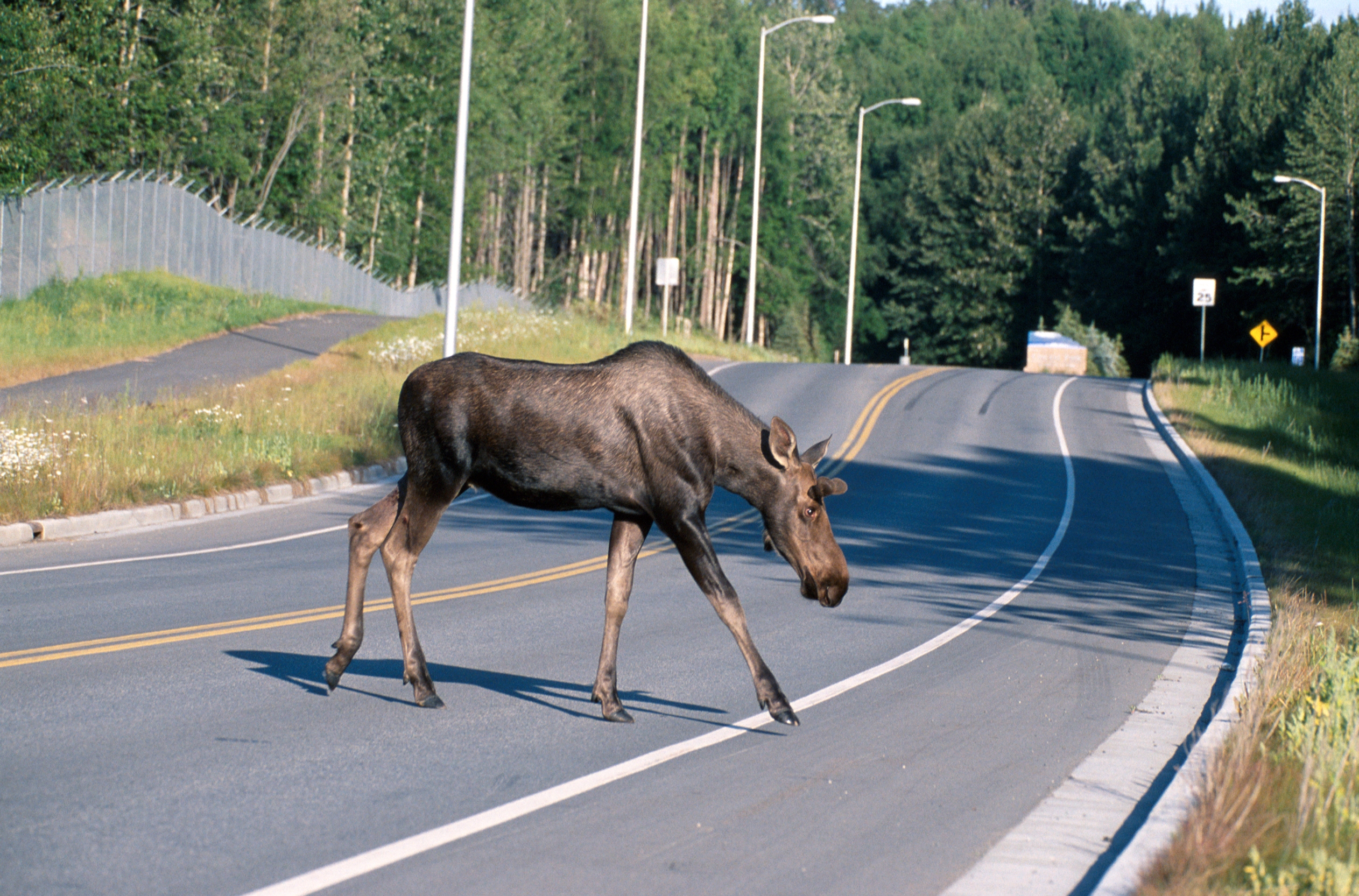
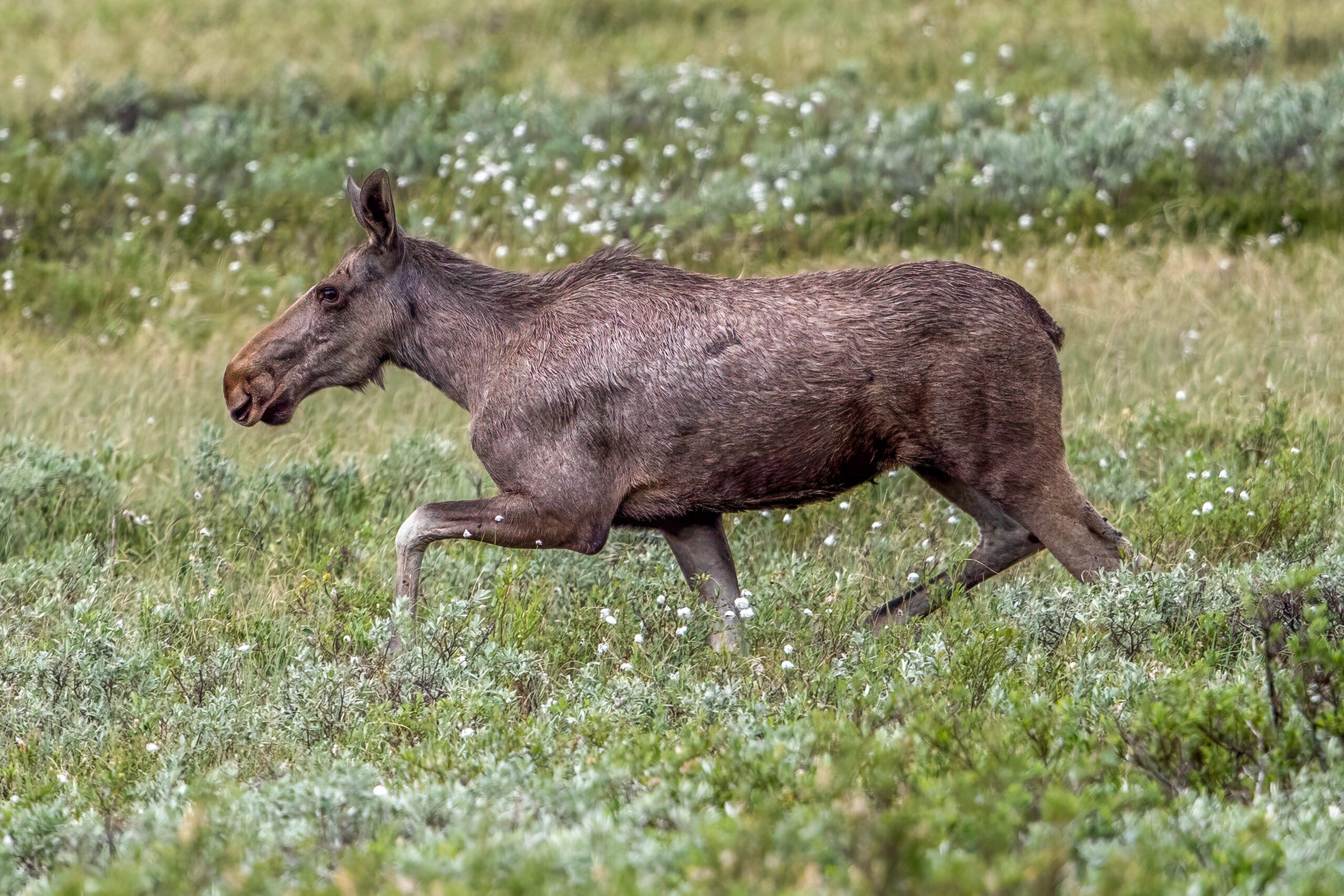
A 12-year camera-trap study in north-central British Columbia, Canada found that snowpack and spring green-up best explained when moose (Alces alces) visits peaked at roadside mineral licks from year to year. The result could help road-safety planners time measures for periods when moose are especially likely to be close to traffic.
Roadside mineral licks form where de-icing salts wash from roads and accumulate in ditches or low-lying pools. Moose are attracted to these sites to supplement their mineral intake, bringing them into places where encounters with vehicles can become dangerous.
Beatrice Penco and colleagues used camera traps at four roadside mineral licks over 12 years. They compared several possible explanations for annual changes in the timing of spring and summer peaks in lick use. Snowpack and spring green-up—the seasonal return of actively growing vegetation—accounted for this variation better than the competing factors examined in the study. In other words, the busiest period at the licks did not fall on the same calendar dates every year.
The study tracked moose visits rather than actual vehicle collisions, so it does not show that snow or green-up directly changed collision numbers. Its practical value is in identifying when moose activity near known roadside licks is likely to peak. The authors argue that this information can support site- and season-specific measures to reduce collision risk.
Management
Related news
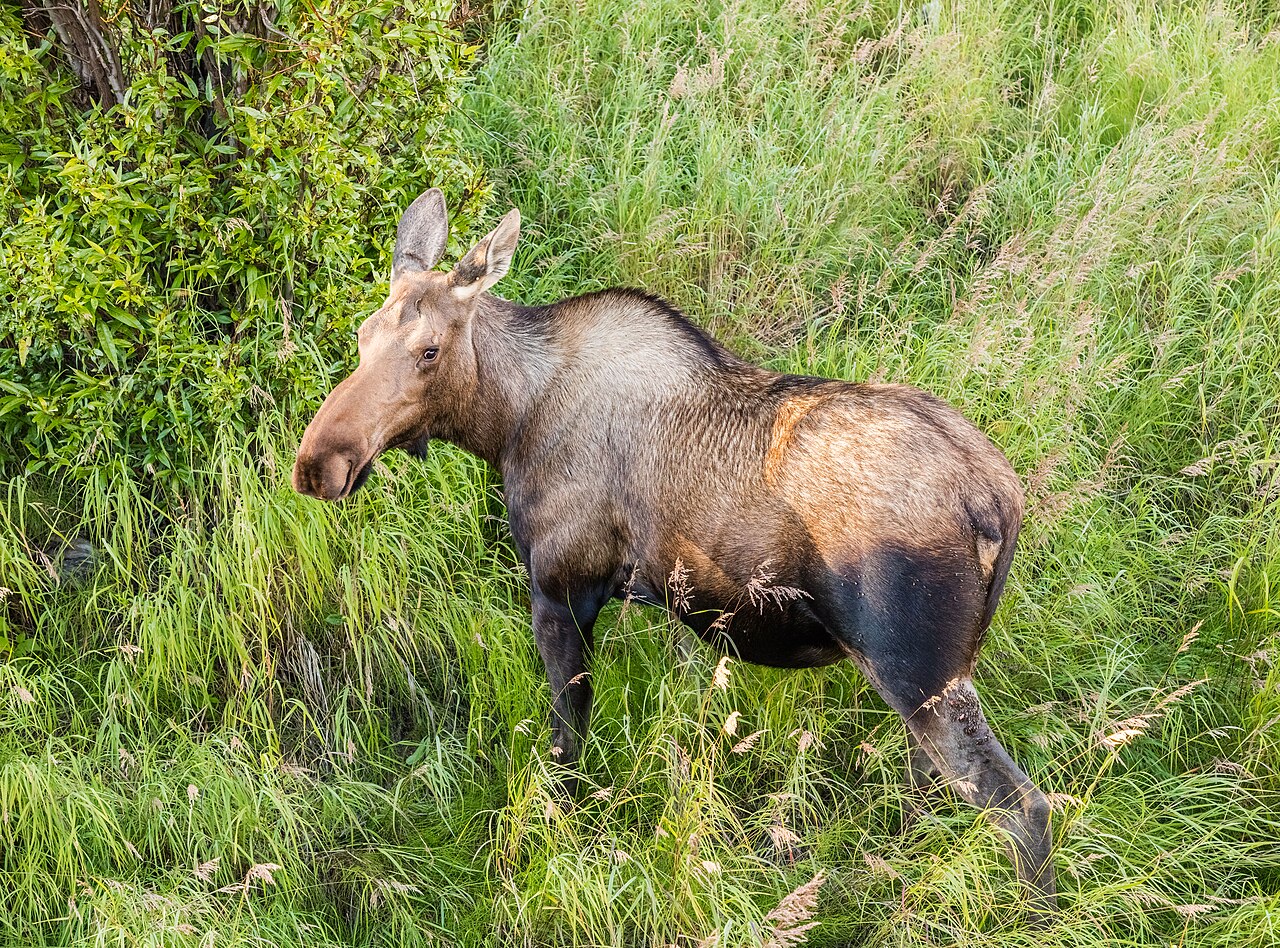
Arctic Moose Follow the River Valleys
GPS tracking in Alaska showed that half of 24 female moose migrated between summer and winter ranges. Migrants…
Read story →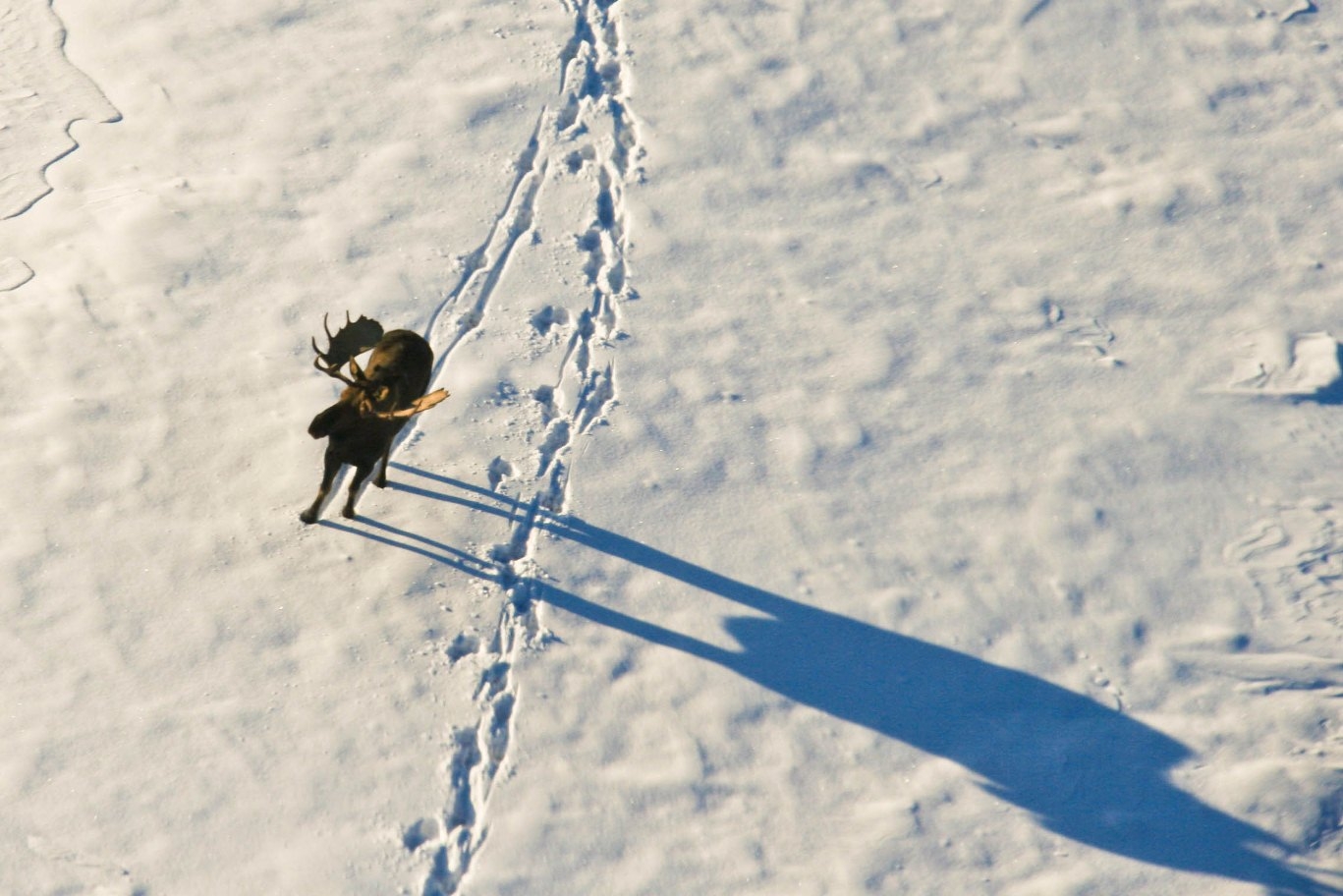
Thermal Drones Found Nearly All Moose in Favourable Winter Weather
Swedish trials found detection close to 100% in cold, overcast winter conditions, but the survey effort needed for…
Read story →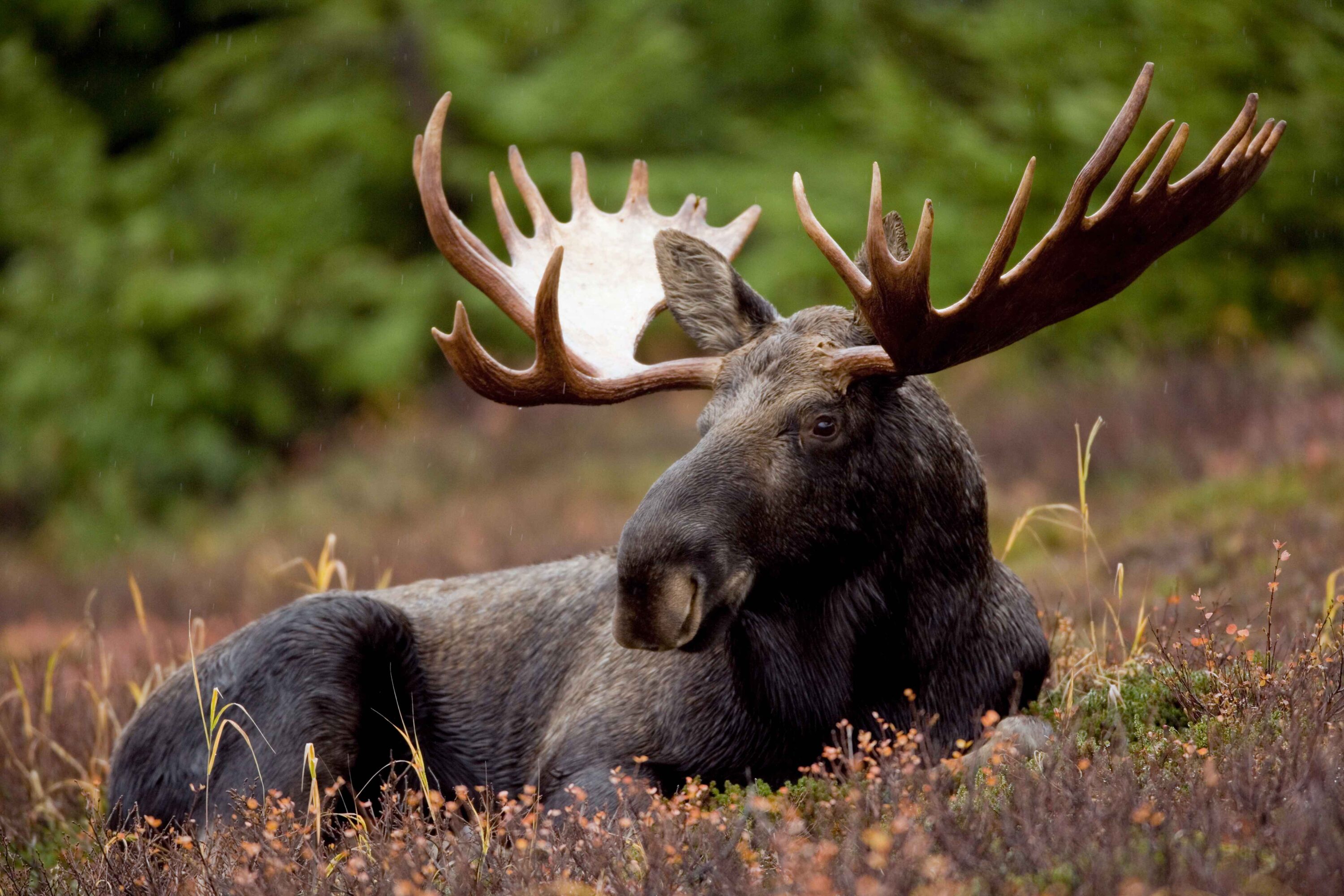
Even Adirondack Park’s Densest Moose Area Was Too Sparse for Precise Aerial Estimates
Helicopter surveys estimated about 92 moose in the Adirondack core in 2024 and 112 in 2025, but broad…
Read story →SPECIES IN THIS STORY
Species in this story
Independent research and conservation news archive
Did you find this information useful?
Wildlife Vagabond is independently built and maintained. Voluntary support helps cover source verification, hosting and continued work on research and conservation news.
Support Wildlife VagabondThe news archive will remain freely available.