
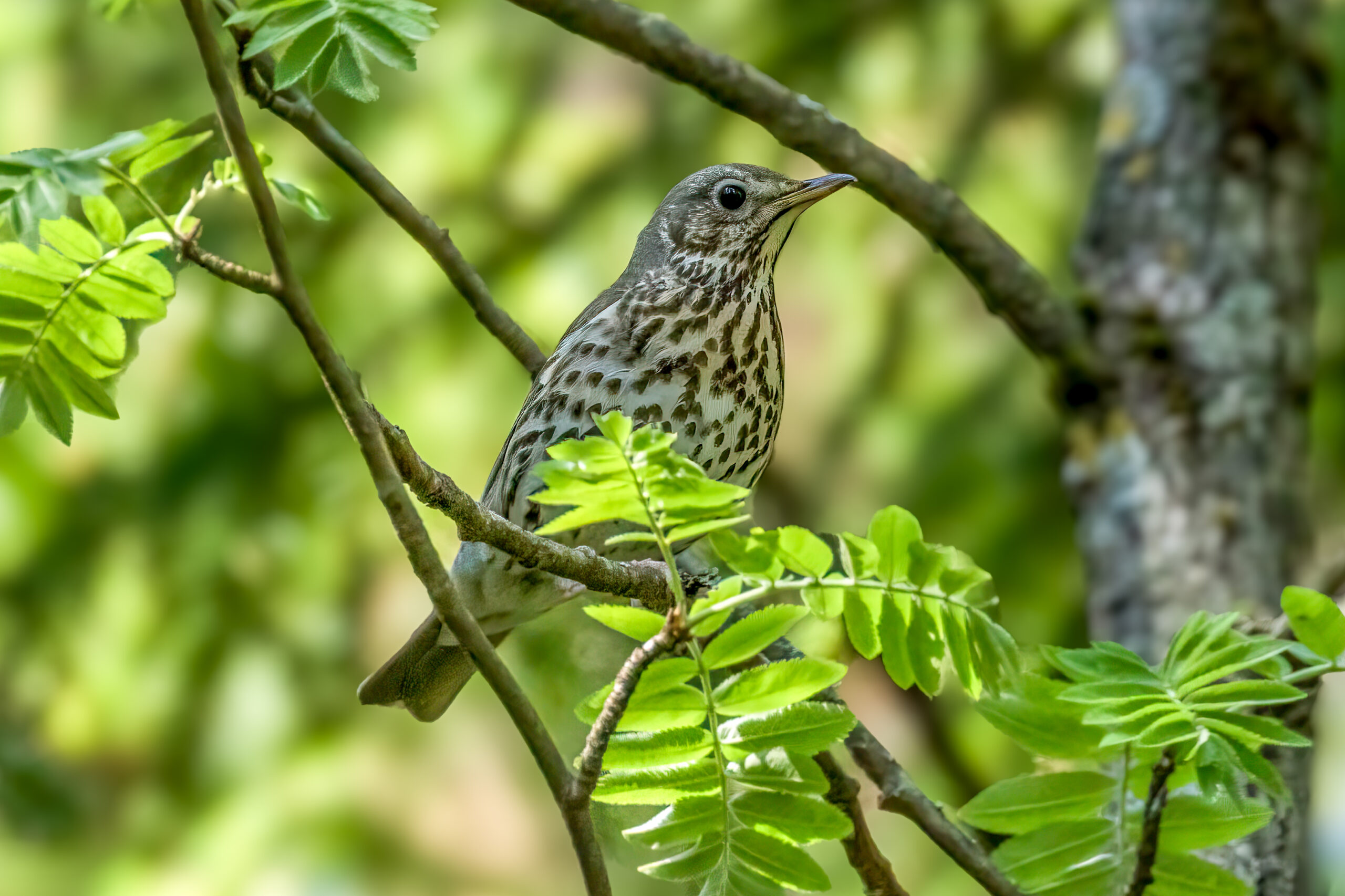
Song Thrushes Had the Highest Levels of Suspected Human-Made Particles in Their Faeces
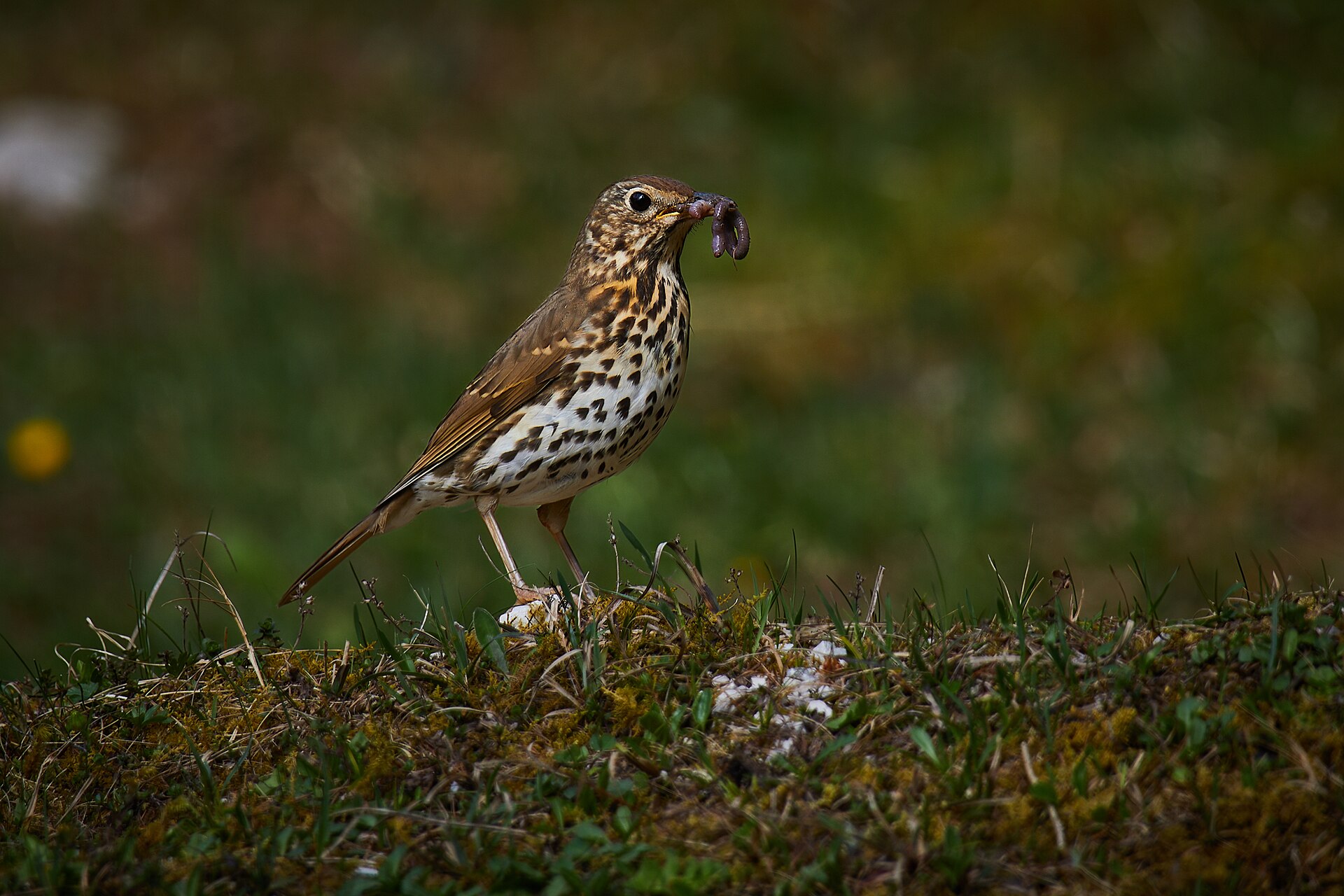
Plastic pollution is often studied in marine wildlife, but much plastic is produced inland, carried towards the sea by freshwater, and moved between aquatic and terrestrial habitats. Birds feeding along rivers may therefore help reveal how human-made particles occur in freshwater environments and nearby food webs.
During the 2024 breeding season, researchers examined 159 faecal samples from six bird species at 16 urban and suburban riverside sites in Coimbra, Portugal. They found suspected human-made particles in 68 samples (42.7%). Song Thrushes (Turdus philomelos) had the highest prevalence—the proportion of samples containing particles—and the highest abundance, or amount found. The study identifies the species as a possible indicator for monitoring particle contamination in urban environments.
Most suspected particles were not confirmed as plastic
The particles were mainly described as filaments (37%), fibres (23%), fragments (21%) and pellets (15%); blue was the most common colour (55%). These are descriptions of suspected human-made particles, not confirmation that every particle was plastic.
Researchers used micro-Fourier transform infrared spectroscopy (micro-FTIR), which identifies materials by how they absorb infrared light, to analyse particles that could be chemically characterised. Of those particles, 21% were identified as plastic—equivalent to 11.5% of all suspected particles.
Particle abundance did not track the urbanisation measures
The researchers found no significant relationship between particle abundance in the samples and either soil imperviousness—the share of land covered by surfaces such as roads and buildings—or human population density. Thus, those two measures did not explain which samples contained more particles in this study.
Faecal samples show that birds had swallowed and passed particles, but do not establish that the particles harmed them. The findings point to Song Thrushes as a potentially useful monitoring species, while distinguishing particle occurrence from evidence of health effects.
Ecology
Related news
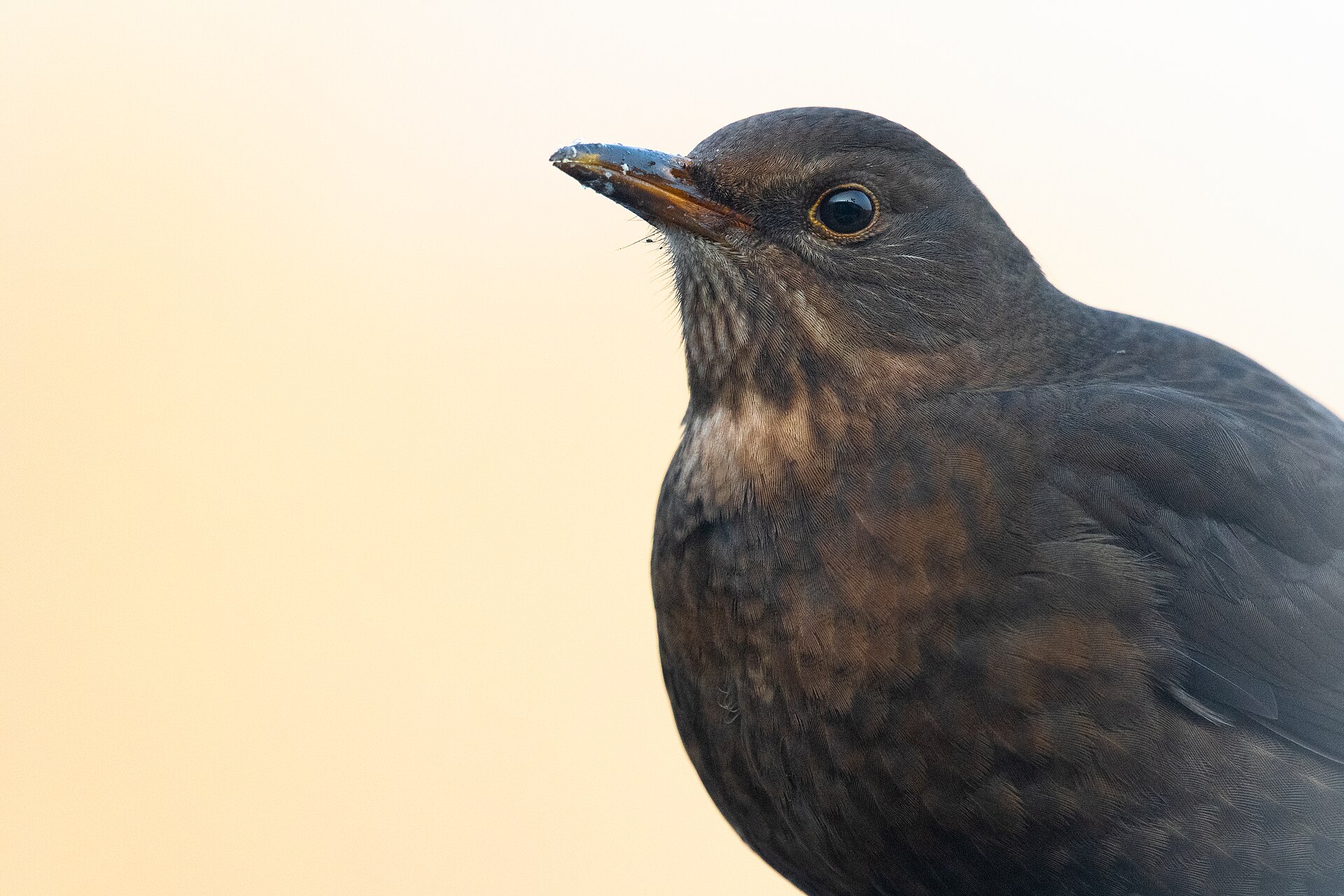
Ring Ouzel nests let heat through more readily than blackbird and song thrush nests
In a controlled test, Ring Ouzel nests conducted more heat than blackbird or Song Thrush nests. Their heat-loss…
Read story →
An introduced mosquito and bird malaria point to local transmission on Rangitāhua
On Rangitāhua, about 1,000 km northeast of mainland New Zealand, researchers found an introduced mosquito alongside malaria parasites…
Read story →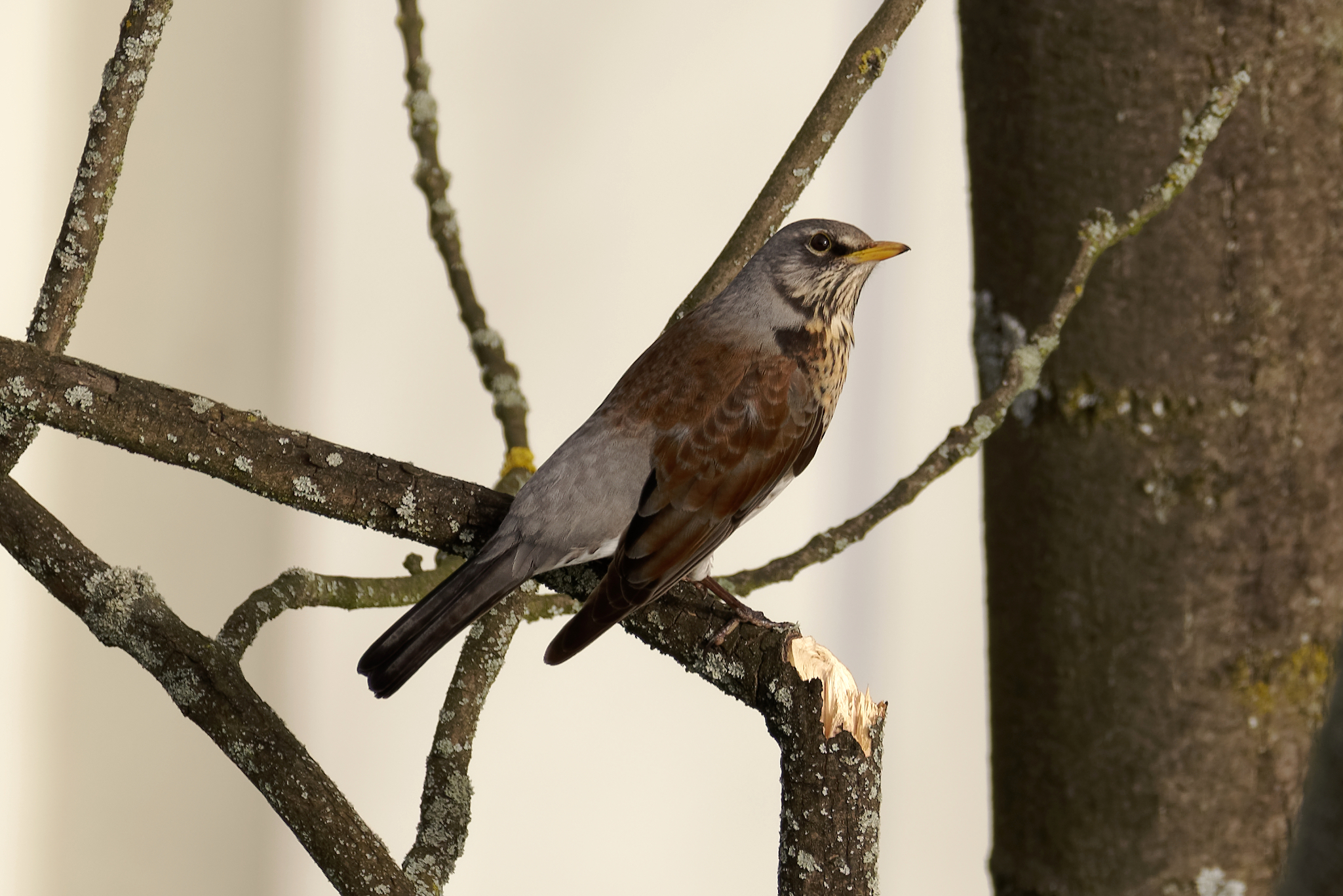
Fieldfare and Song Thrush Confirmed as New Intermediate Hosts of Sarcocystis turdusi
Across 72 dead thrushes from Lithuania and Russia’s Kaliningrad region, DNA confirmed fieldfare and song thrush as new…
Read story →SPECIES IN THIS STORY
Species in this story
Independent research and conservation news archive
Did you find this information useful?
Wildlife Vagabond is independently built and maintained. Voluntary support helps cover source verification, hosting and continued work on research and conservation news.
Support Wildlife VagabondThe news archive will remain freely available.