
Area Modelled as Suitable for Southern Giraffes in Hwange Shrunk by About 60%
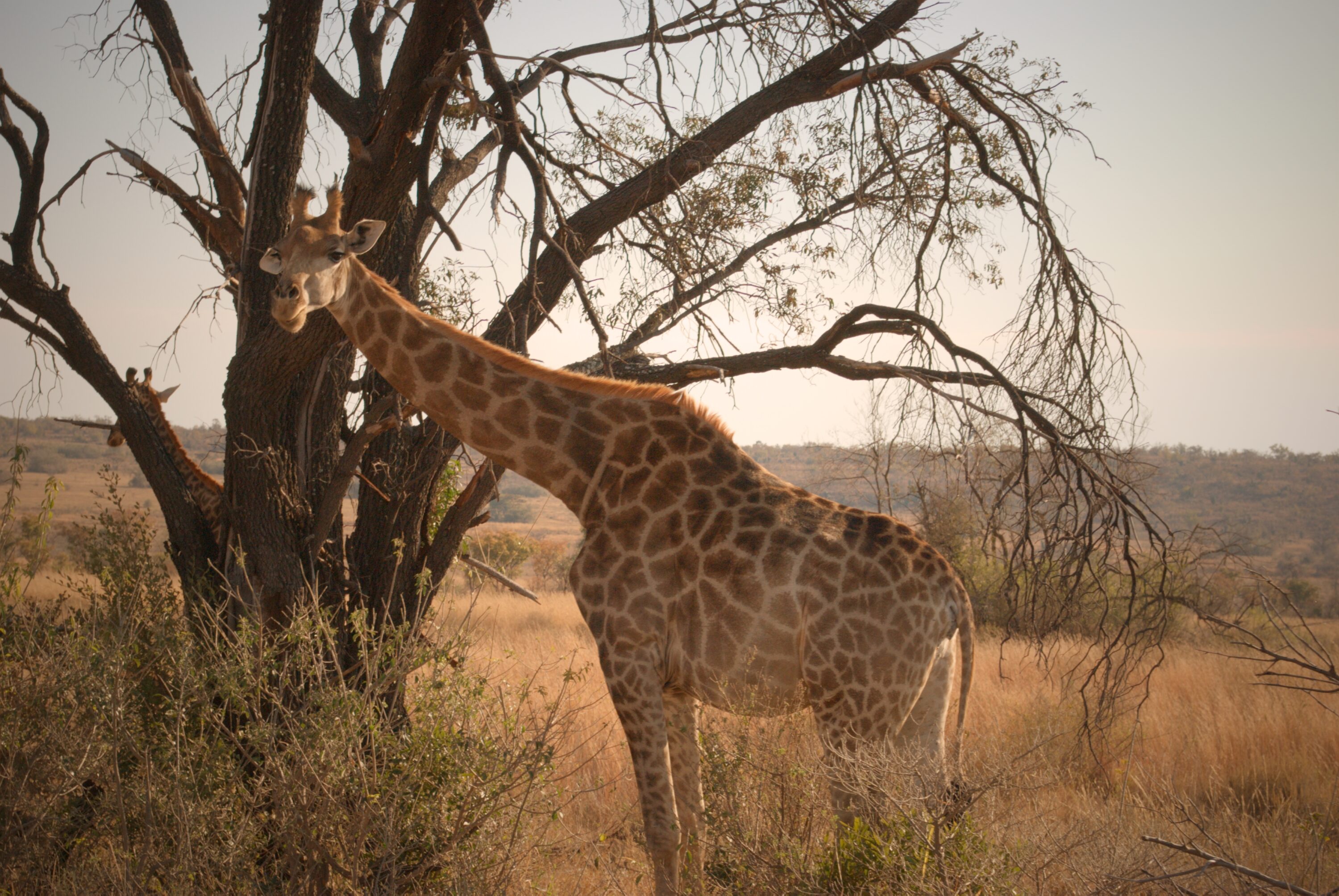
A study published in 2026 used two decades of records to examine how habitat suitability for southern giraffes (Giraffa giraffa) changed within Hwange National Park in Zimbabwe. The researchers combined giraffe observations from road surveys in 2002, 2012 and 2022 with rainfall, temperature, vegetation greenness, elevation, terrain ruggedness and distance to water.
They used an ensemble of habitat-suitability models to estimate where conditions were most favourable in each survey period. The Main Camp management area consistently contained some of the highest giraffe concentrations and some of the most suitable modelled habitat.
Woodland–bushland mosaics were repeatedly associated with giraffes
Across the park, giraffes were consistently associated with mixed woodland–bushland landscapes rather than a single uniform vegetation type. The authors suggest that these mosaics may offer a useful combination of forage, opportunities to avoid predators and places for behavioural thermoregulation. These are ecological interpretations offered by the authors; the study did not experimentally test those mechanisms.
The modelled suitable area declined by about 60%
Across the 2002–2022 study period, the area classified by the models as suitable giraffe habitat declined by approximately 60%. This figure refers to the area the models classified as suitable. It is not a direct measurement of how much physical habitat disappeared, and it does not mean that the southern giraffe population in Hwange declined by 60%.
The authors interpret the long-term shift as likely reflecting a combination of environmental change and human pressures. Because the study models habitat suitability from observations and environmental variables, it does not by itself establish how much of the change was caused by any single driver.
The researchers argue that the decline in the area classified as suitable by the models should be incorporated into conservation planning in Hwange. Their results highlight Main Camp and mixed woodland–bushland mosaics as persistently important areas while also showing that conditions within a protected area can change substantially over time.
Ecology
Related news
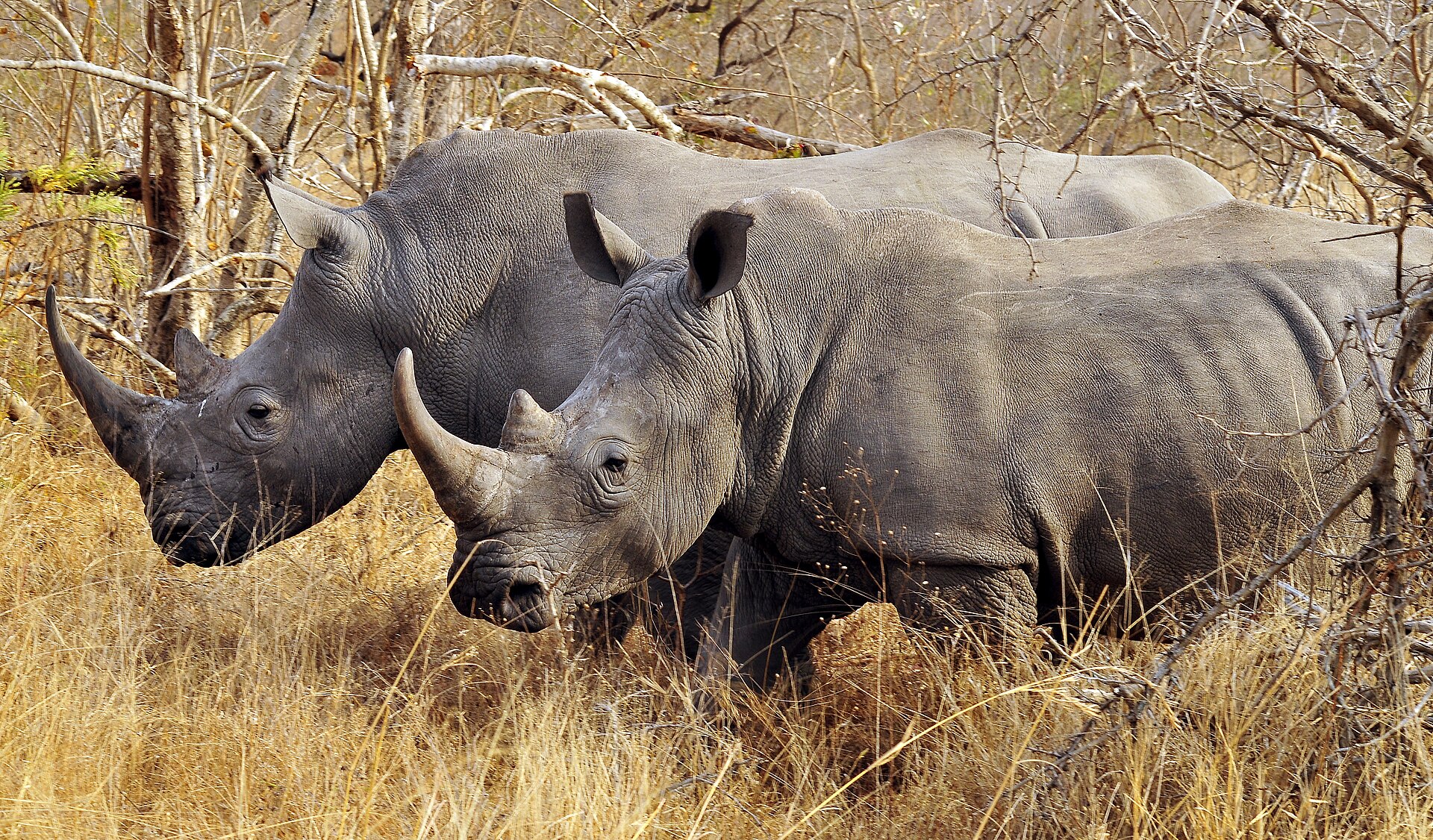
Giraffe and White Rhino Blood Samples Differed in 28 Metabolites
Blood samples from southern giraffes and white rhinoceroses differed in 28 metabolites across repeated statistical checks. Branched-chain amino…
Read story →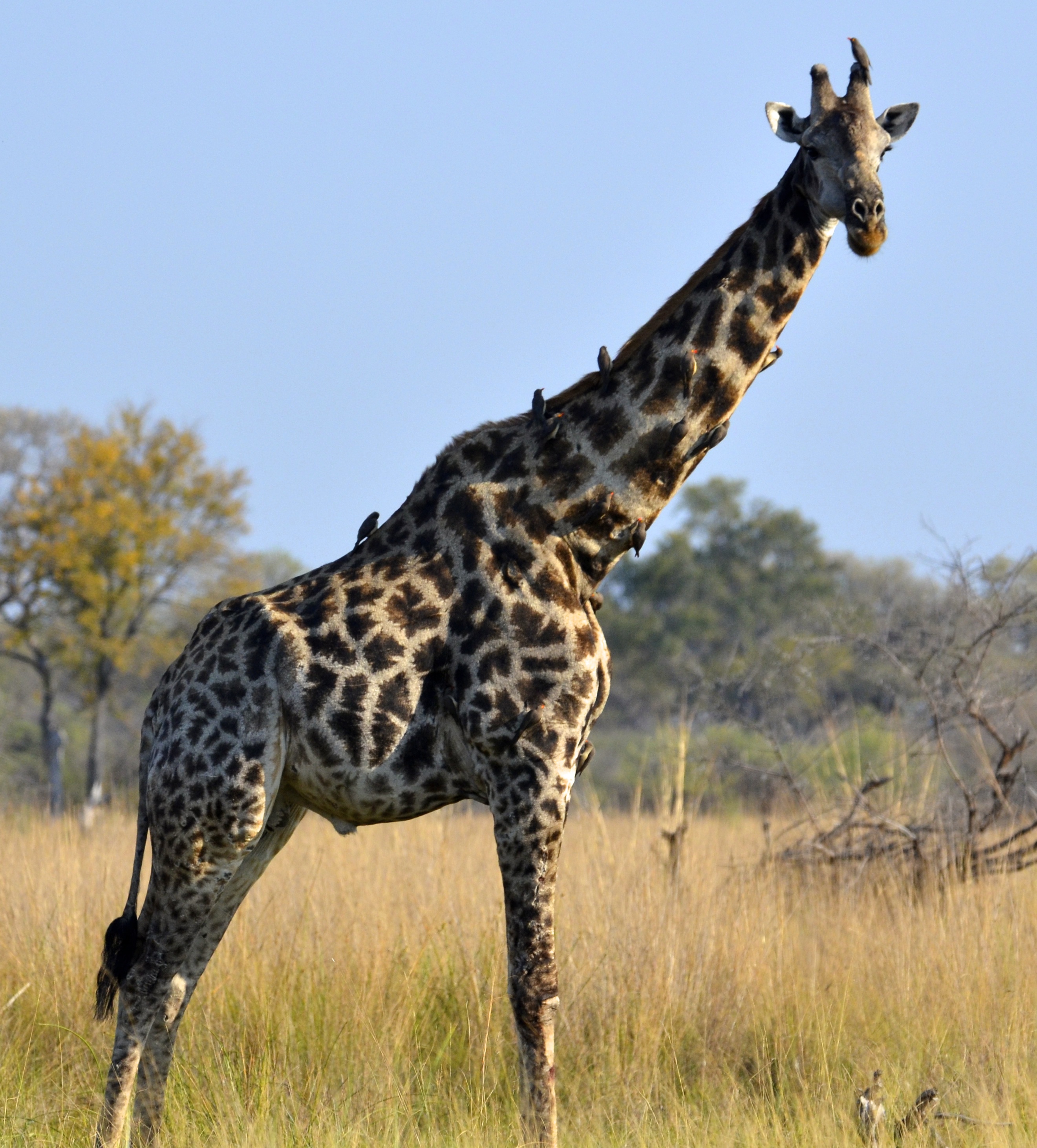
Organic Acids Fell as Amino Acids Rose in Giraffe Milk Late in Lactation
Milk from five giraffes in South Africa shifted chemically between about 9.4 and 15.1 months of lactation: Krebs-cycle…
Read story →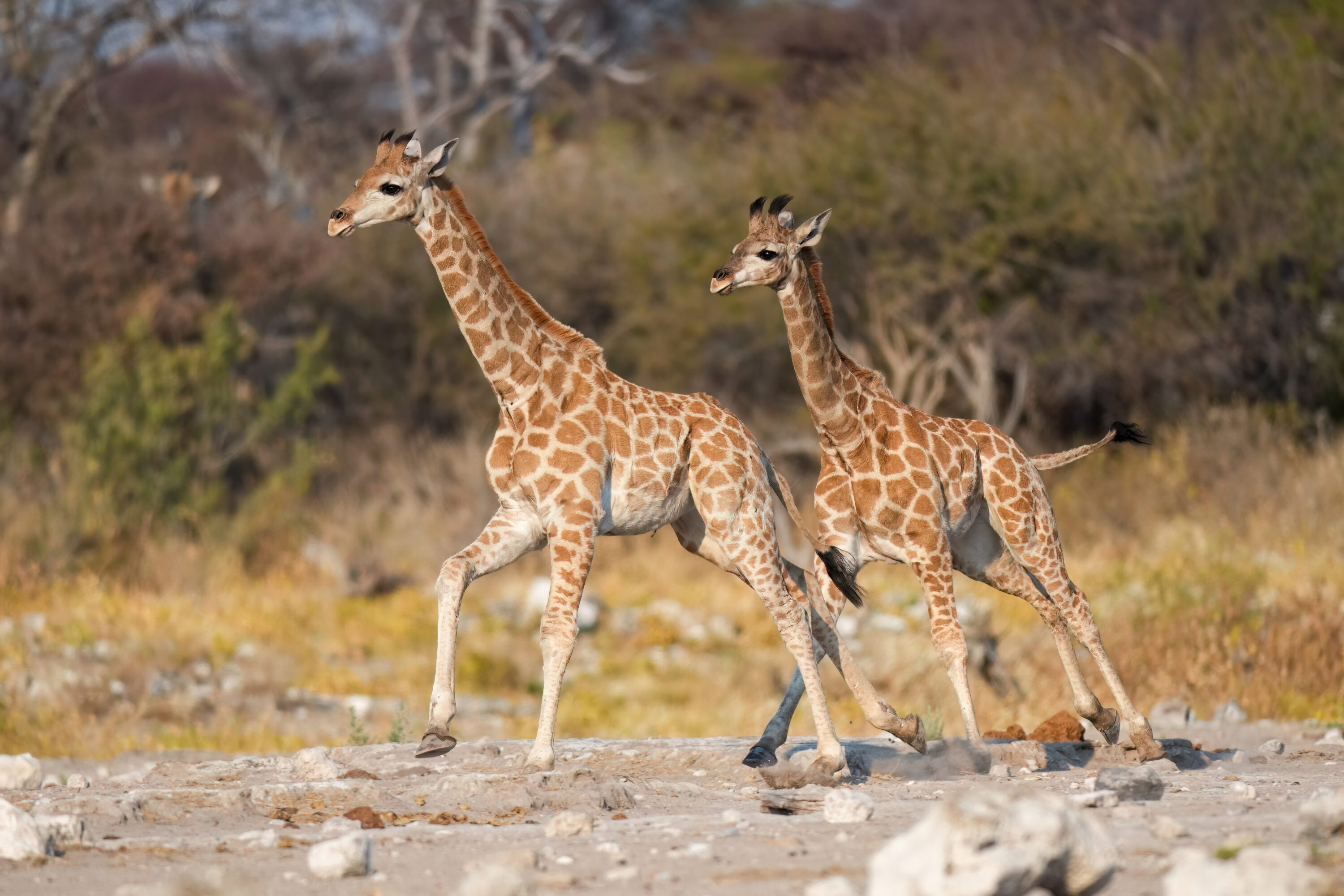
First Giraffe Calf Born in Iona Since Angolan Giraffes Were Reintroduced
A giraffe calf has been recorded in Angola’s Iona National Park for the first time since Angolan giraffes…
Read story →SPECIES IN THIS STORY
Species in this story
Independent research and conservation news archive
Did you find this information useful?
Wildlife Vagabond is independently built and maintained. Voluntary support helps cover source verification, hosting and continued work on research and conservation news.
Support Wildlife VagabondThe news archive will remain freely available.