
Southern Mountain Caribou Selected Old Forest and Avoided Dense Forestry-road Networks
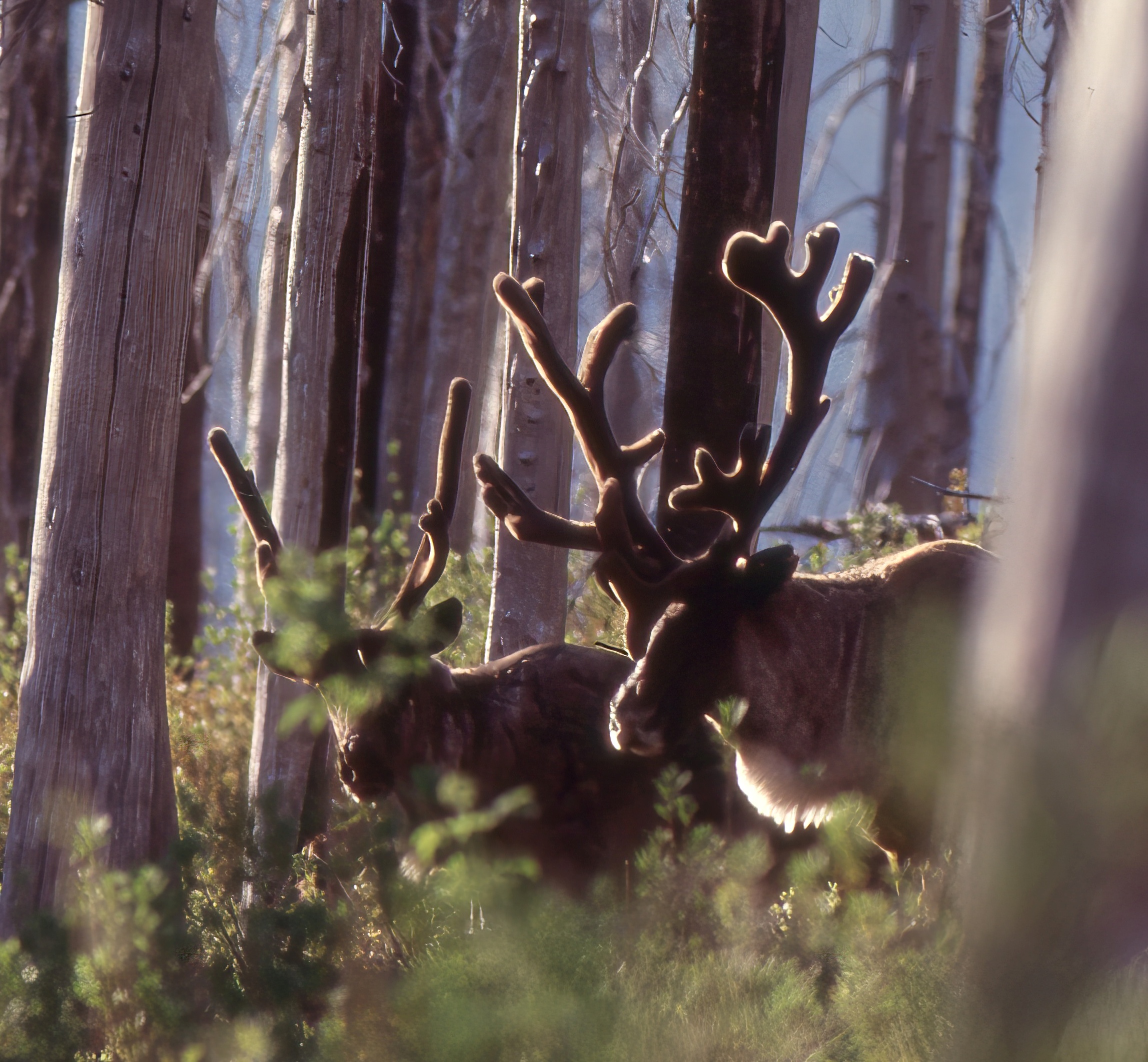
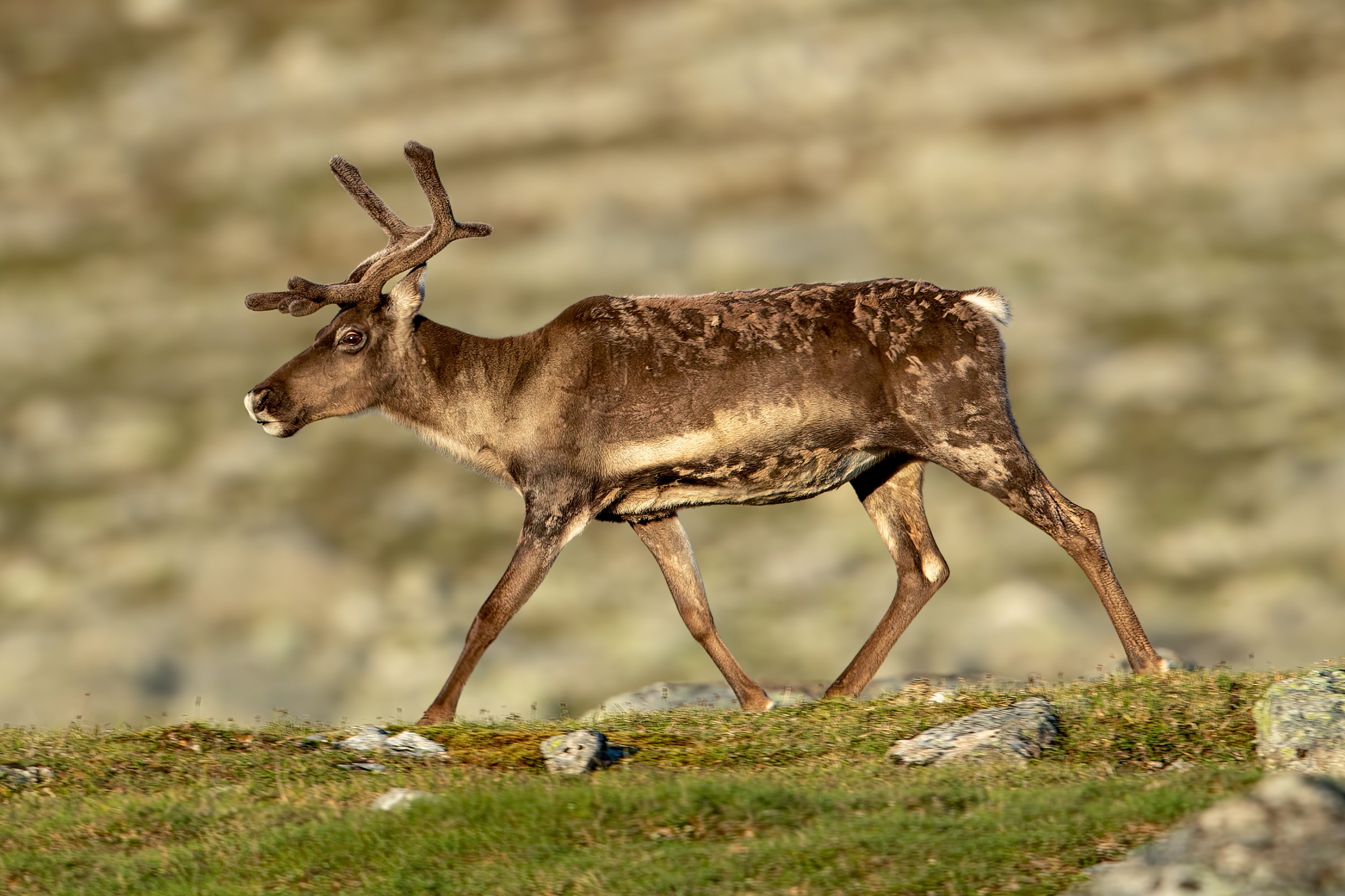
Southern mountain woodland caribou (Rangifer tarandus) in British Columbia, Canada selected mature and old forest and avoided landscapes with dense forestry-road networks, according to a study first made public in March 2026. Researchers modelled seasonal habitat use for five herds in the Columbia Mountains, one of which became extirpated during the analysis period.
The study used GPS-based resource-selection data from 56 collared caribou monitored from 2016–2021 and produced seasonal habitat predictions across about 35,360 km². During calving, caribou selected low-elevation old-growth forest more than 140 years old. In early winter and summer, they selected forest stands older than 75 years. Late winter also showed selection for mature and old forest, alongside some regenerating stands 1–20 years old.
Forestry roads reduced habitat use in most seasons
Forestry-road density reduced relative habitat use during calving, summer and late winter, but was not retained as an important habitat-selection factor in early winter. Relative habitat use fell to half at about 0.78 km of forestry road per km² in late winter, 1.05 km/km² during calving and 1.08 km/km² in summer. Seasonal habitat use also shifted with elevation, canopy cover and biogeoclimatic zone.
The authors conclude that protecting remaining mature and old-growth forest and ecologically restoring forestry-road corridors are important for maintaining connected seasonal habitat for southern mountain caribou in the Columbia Mountains.
Ecology
Related news
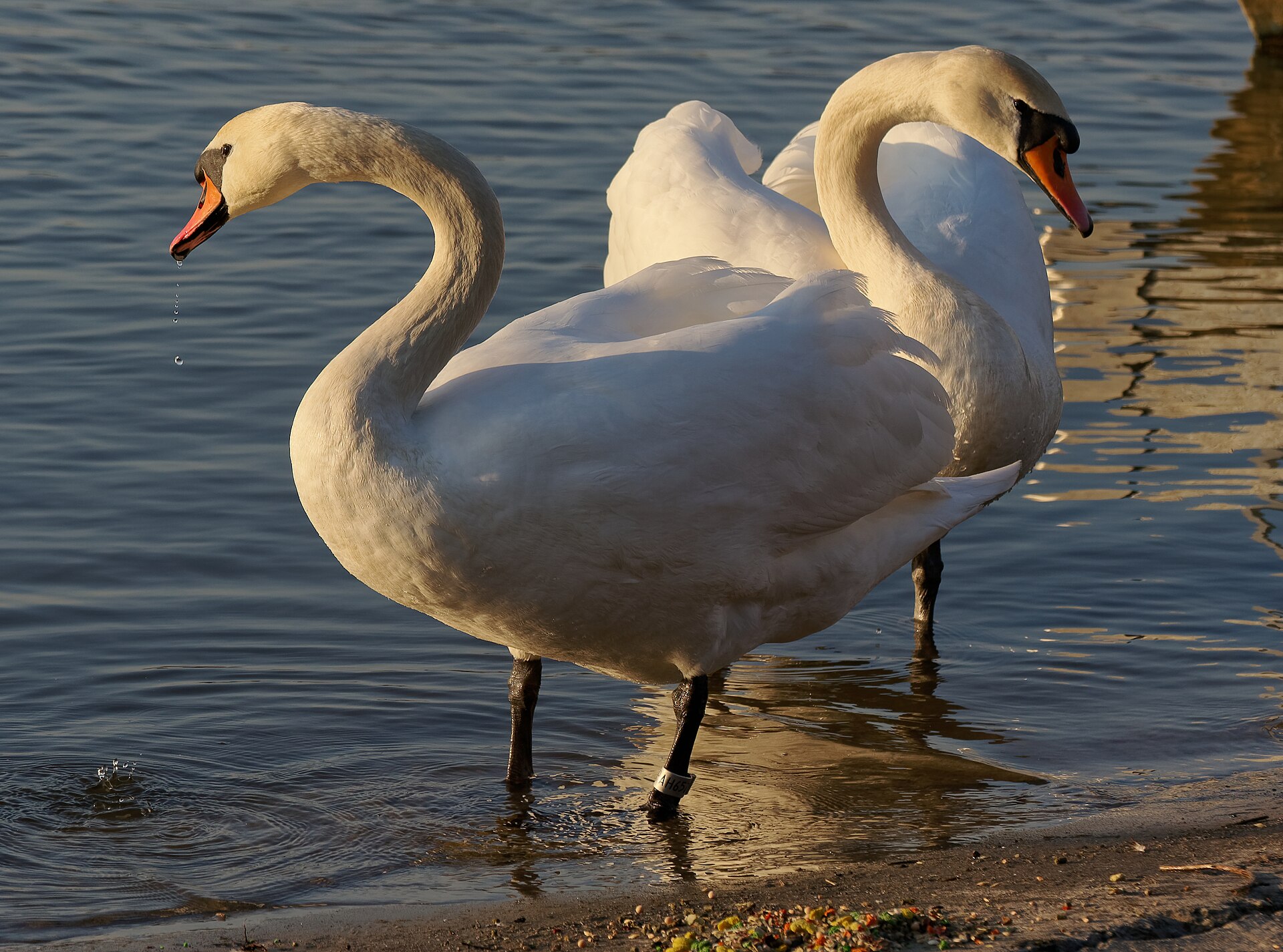
Inland Mute Swans Had Higher Winter Body Condition Despite Harsher Winters and Supplemental Feeding
A study of 853 mute swans from four Polish wintering regions found higher body condition inland than on…
Read story →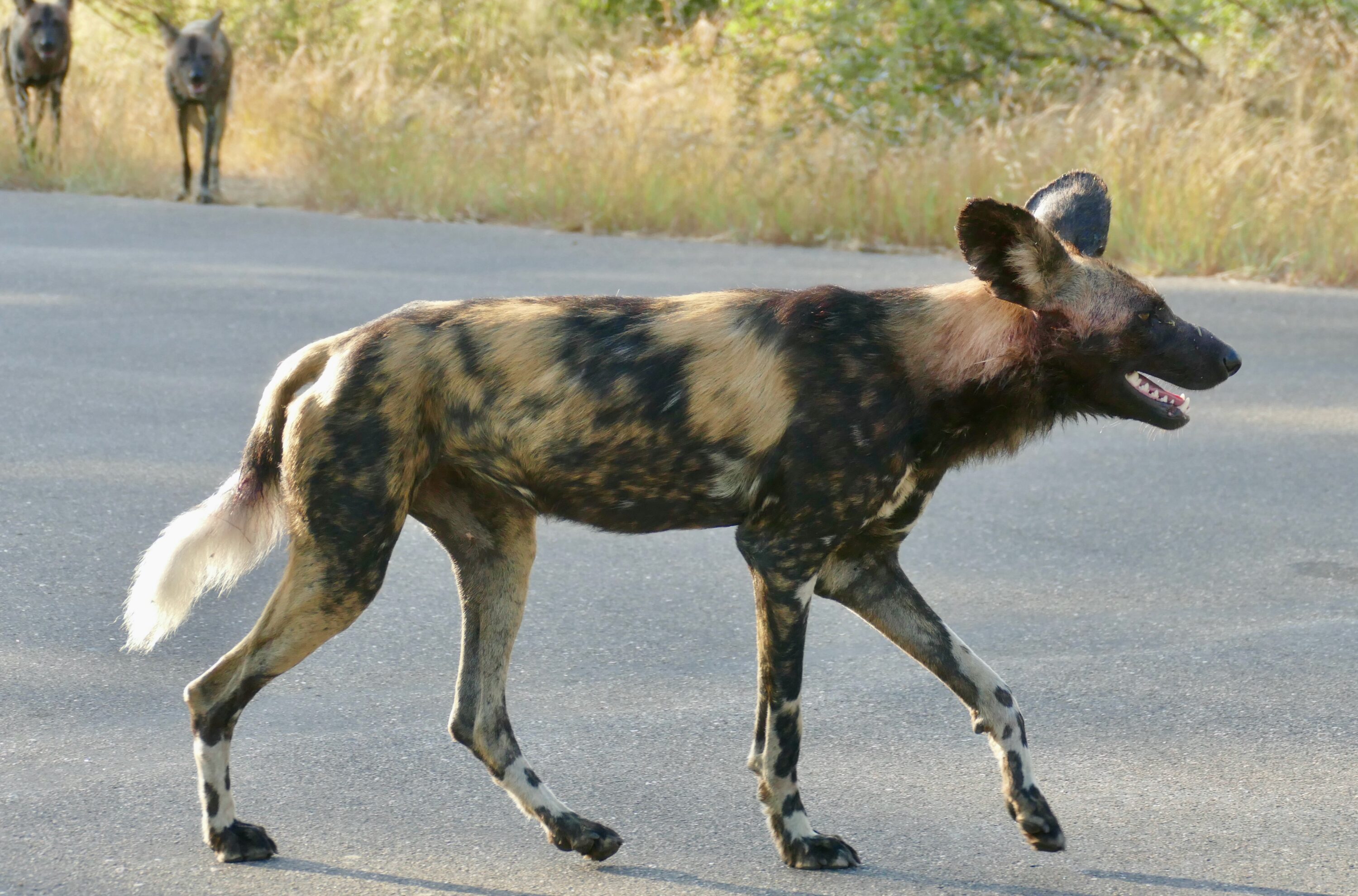
Gut Microbiomes Across Nine Kruger Mammals Clustered More Strongly by Dietary Group Than Species
A study of 89 quality-filtered faecal samples from nine wild mammals in Kruger National Park found that carnivores,…
Read story →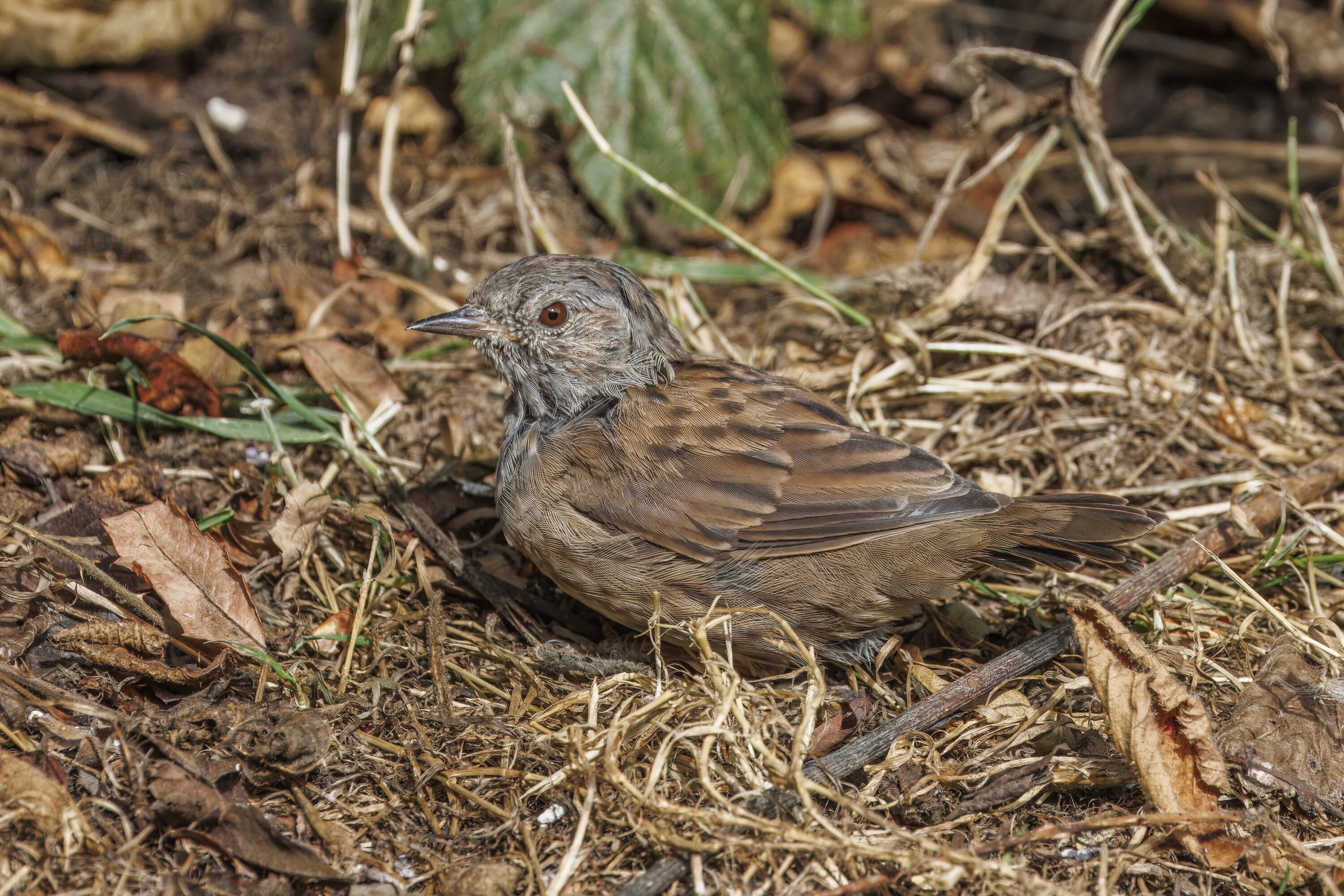
Dunnock Spring Passage Advanced by Up to 8.3 Days Over 61 Years at Hel
Standardised ringing data from northern Poland showed that the first, median and last phases of dunnock spring passage…
Read story →SPECIES IN THIS STORY
Species in this story
Independent research and conservation news archive
Did you find this information useful?
Wildlife Vagabond is independently built and maintained. Voluntary support helps cover source verification, hosting and continued work on research and conservation news.
Support Wildlife VagabondThe news archive will remain freely available.