
Ticks From Two Conflict-Associated Sumatran Tigers Contained Rickettsia and Anaplasma DNA
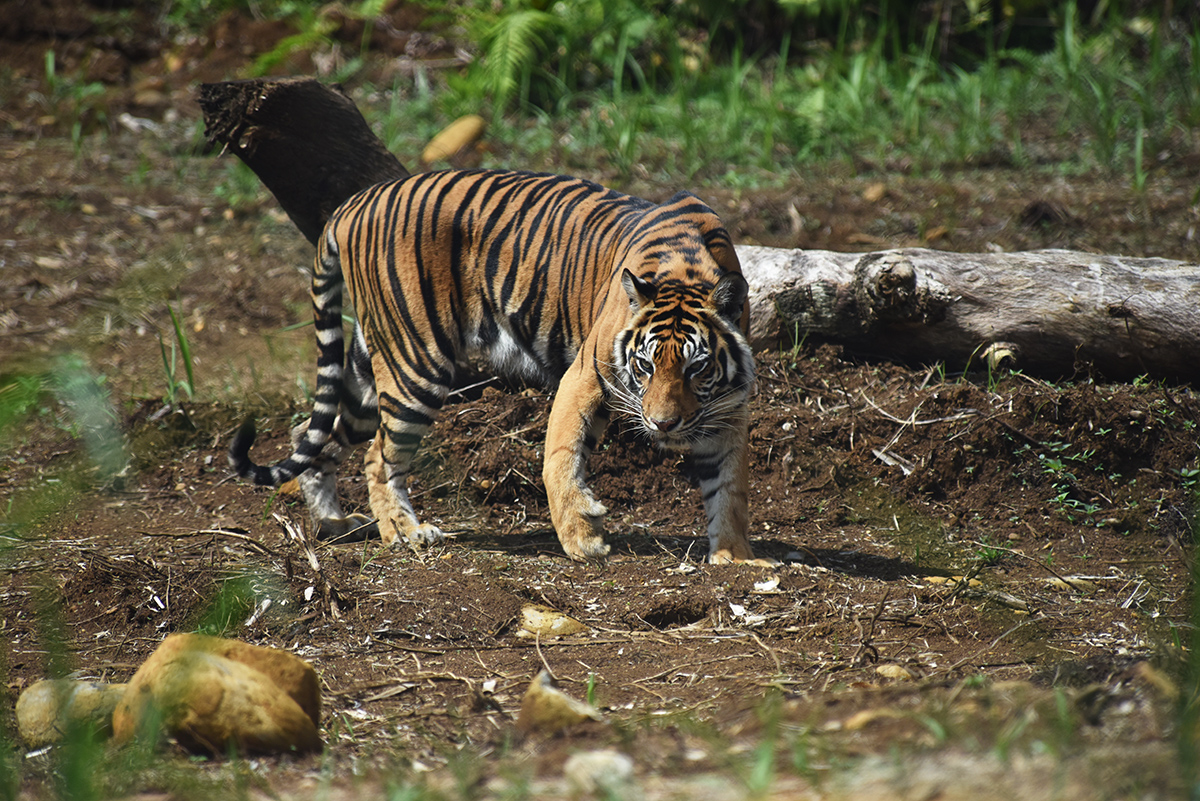
Eighteen ticks collected from two conflict-associated Sumatran tigers (Panthera tigris sumatrae), a subspecies of tiger (Panthera tigris), in West Sumatra were examined for tick-borne bacteria. The study, published on 28 February 2026 in Open Veterinary Journal, combined morphological identification, DNA-based tick identification and molecular screening.
One of the two tigers was alive; the other had died after being caught in a wild-boar snare. The researchers identified three tick species: Amblyomma javanense, Haemaphysalis bispinosa and Haemaphysalis wellingtoni.
Rickettsia and Anaplasma DNA Were Detected in Some Ticks
PCR screening detected Rickettsia spp. in A. javanense and a male H. wellingtoni. Anaplasma spp. were detected in A. javanense and in both male and female H. wellingtoni. Borrelia spp. were not detected in the analysed samples.
The findings concern DNA detected in the ticks, not a diagnosis of tick-borne disease in the tigers. The authors describe the results as preliminary evidence that ticks parasitising conflict-associated Sumatran tigers can harbour bacterial groups that include zoonotic pathogens.
Because the study was based on only two tigers and 18 ticks, the authors call for broader sampling and surveillance to clarify how common these bacteria are and what role they may play at the interface between wildlife, domestic animals and people.
Disease, parasites & microbiology
Related news
Human Activity and Large Wildlife Overlapped Most in Chitwan’s Buffer Zone
Camera traps across Chitwan National Park and surrounding forests showed the greatest overlap of human activity with large…
Read story →
India launches a new evaluation cycle for its 58 tiger reserves
India’s sixth management effectiveness evaluation is planned to cover all 58 tiger reserves. The new cycle adds solid…
Read story →
One Male Tiger Confirmed in Bhutan’s Biological Corridor 7
A 5,144-trap-night survey photographed one adult male tiger at two stations in Bhutan’s Biological Corridor 7, confirming use…
Read story →SPECIES IN THIS STORY
Species in this story
Independent research and conservation news archive
Did you find this information useful?
Wildlife Vagabond is independently built and maintained. Voluntary support helps cover source verification, hosting and continued work on research and conservation news.
Support Wildlife VagabondThe news archive will remain freely available.