
SV40 linked to cerebellar injury in SIV-infected macaques with ataxia
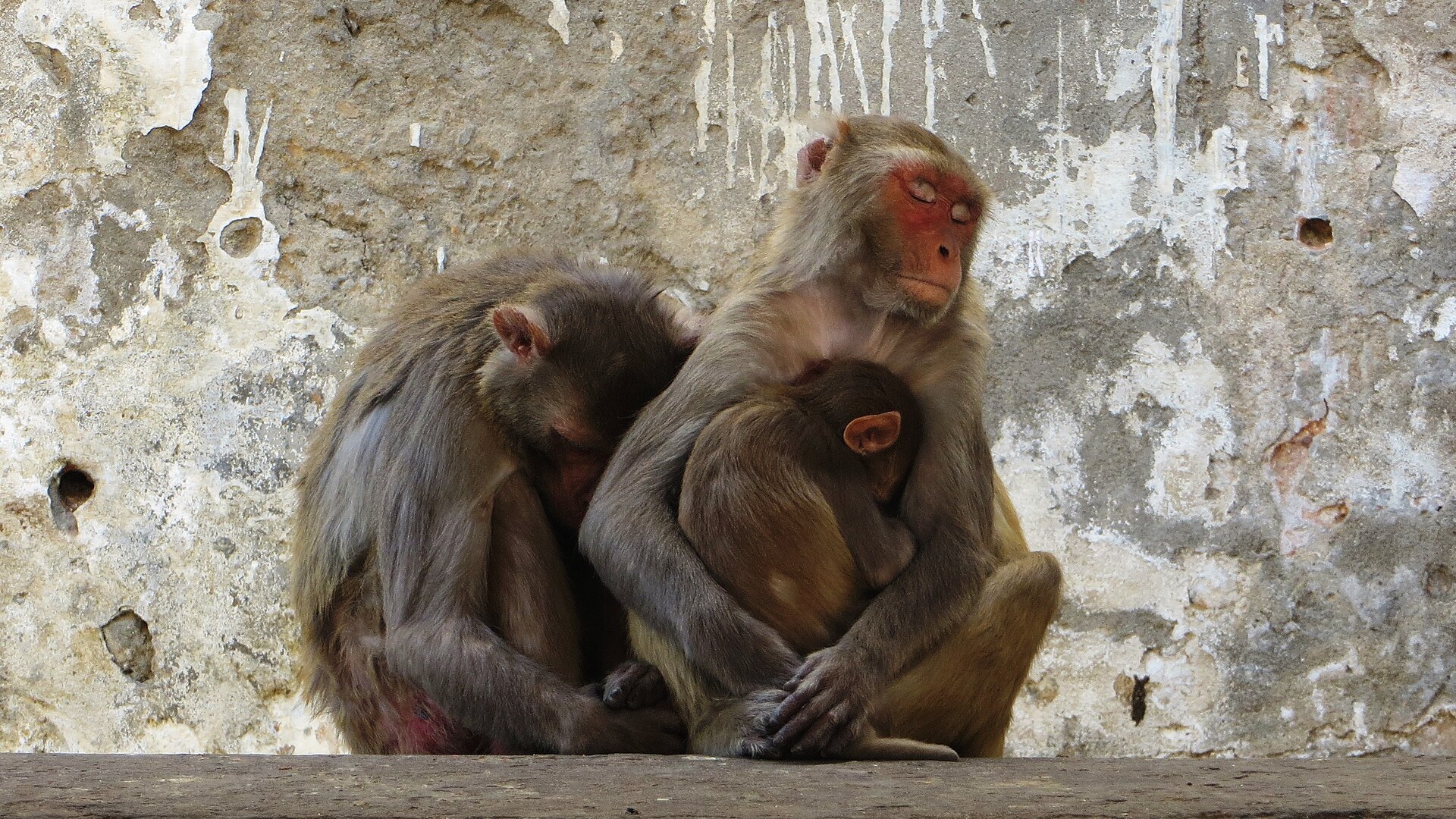
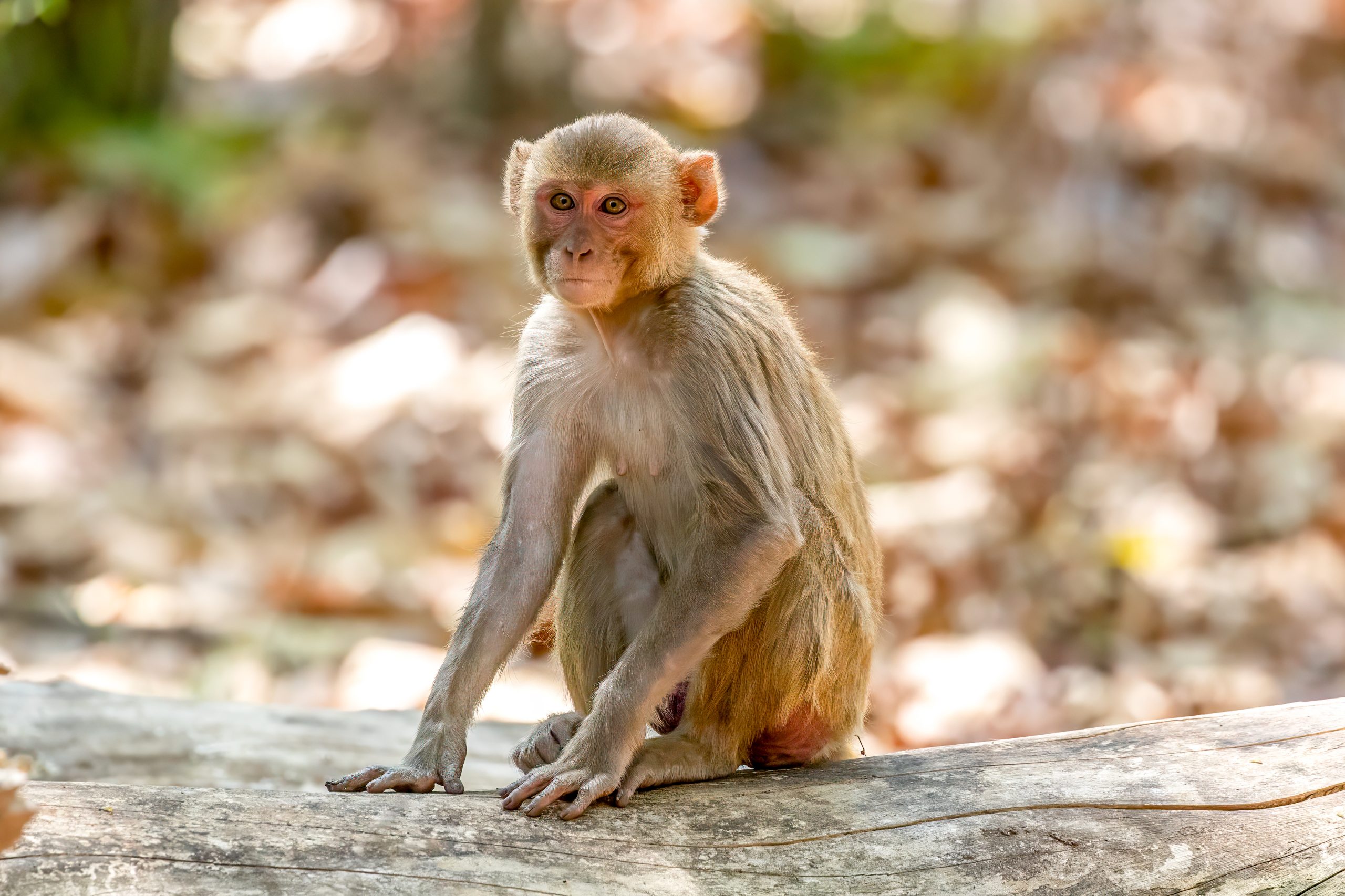
Two rhesus macaques (Macaca mulatta) with chronic simian immunodeficiency virus (SIV) infection and ataxia had damage in the cerebellum, the brain region that helps coordinate movement and balance. Researchers detected simian polyomavirus 40 (SV40) in the affected cerebella, mainly in granule cells, a major type of cerebellar neuron. They found no SIV signal in the cerebellum. The findings suggest that SV40 may have contributed to the lesions, although the macaque observations alone cannot establish that it caused them.
The study compared cerebellar tissue from seven macaques: three uninfected animals, two with SIV infection but no ataxia, and two with ataxia. The tissue showed a gradient of damage, most severe in the ataxic animals and milder in the SIV-infected animals without ataxia. In the ataxic group, granule-cell numbers were 27.4% lower than in uninfected animals and 15.0% lower than in the SIV-infected animals without ataxia. Degenerating Purkinje cells were 33.9 times more numerous than in uninfected animals and 2.1 times more numerous than in the non-ataxic SIV group. The molecular layer was 19.2% thinner than in uninfected animals and 15.1% thinner than in the non-ataxic SIV group; the area of myelinated white matter was 31.5% and 25.3% lower, respectively. Purkinje cells help coordinate movement, while myelin insulates nerve fibres. Ataxia means impaired coordination and balance.
SV40-positive neurons were associated with local inflammation
SV40 was detected in cerebellar tissue from the two macaques with ataxia, but not in the other groups. The virus-positive areas were associated with activated microglia, including clusters called microglial nodules, and reduced myelin. The infected cells were mainly neurons. Together, these tissue findings link SV40 infection with the local inflammation and nerve-fibre damage seen in the ataxic cerebella.
Analyses of individual cell nuclei also identified a group of granule cells with active cell-division markers, including MKI67 and TOP2A. This cycling group was more prominent in the ataxic cerebella, and proliferating granule cells were found alongside SV40. The finding points to an abnormal cell-cycle state among some infected granule cells, alongside the loss and degeneration of other cells.
All seven macaques had SV40 antibodies before SIV was introduced, evidence that they had previously been exposed to the virus. Antibody levels later fell substantially in the two macaques with ataxia, while they did not show the same decline in the non-ataxic SIV group. The researchers suggest that SIV-related immune dysfunction may have weakened control of SV40 and allowed it to reactivate.
To investigate how SV40 might affect neural cells, researchers infected SH-SY5Y cells, a human neuroblastoma cell line used in cell studies, with the virus. Early after infection, the cells showed increased activity in cell-cycle and proliferation pathways, echoing the cycling granule-cell population found in the macaque cerebella. Later, the cells showed signs of pyroptosis, an inflammatory form of programmed cell death. During pyroptosis, gasdermin D (GSDMD) helps form pores in the cell membrane, allowing inflammatory signals to escape as the cell is damaged. Infected cells had increased levels of GSDMD and the signalling molecules interleukin-1β (IL-1β) and interleukin-18 (IL-18), and released other inflammatory mediators. Fluid from the infected-cell cultures also promoted the movement of microglia, immune cells in the brain and spinal cord.
The cell experiments suggest a possible sequence: SV40 infection alters granule-cell activity and injures neural cells, which release signals that draw microglia to the affected area. This offers a potential explanation for the association between virus-positive neurons and microglial nodules in the macaque tissue. Taken together, the findings point to SV40 as a possible contributor to cerebellar injury in SIV-infected macaques with ataxia.
Disease, parasites & microbiology
Related news
Older rhesus macaques show hundreds of gene-expression differences in blood
In a study at a research facility in Sochi, Russia, 741 genes differed in expression between young and…
Read story →
Oxytocin’s effect on macaques’ brain responses to sound depended on visual context
In two awake rhesus macaques, oxytocin dampened sound-evoked brain responses when sounds were presented alone. The dampening disappeared…
Read story →
Some rhesus macaques kept SIV in check after antibody treatment and ART interruption
Eight of 21 macaques given SIV-targeting antibodies met the study’s definition of post-treatment control. Their CD4+ T cells…
Read story →SPECIES IN THIS STORY
Species in this story
Independent research and conservation news archive
Did you find this information useful?
Wildlife Vagabond is independently built and maintained. Voluntary support helps cover source verification, hosting and continued work on research and conservation news.
Support Wildlife VagabondThe news archive will remain freely available.