
Wolf Kills Provided Plenty of Food for Red Foxes
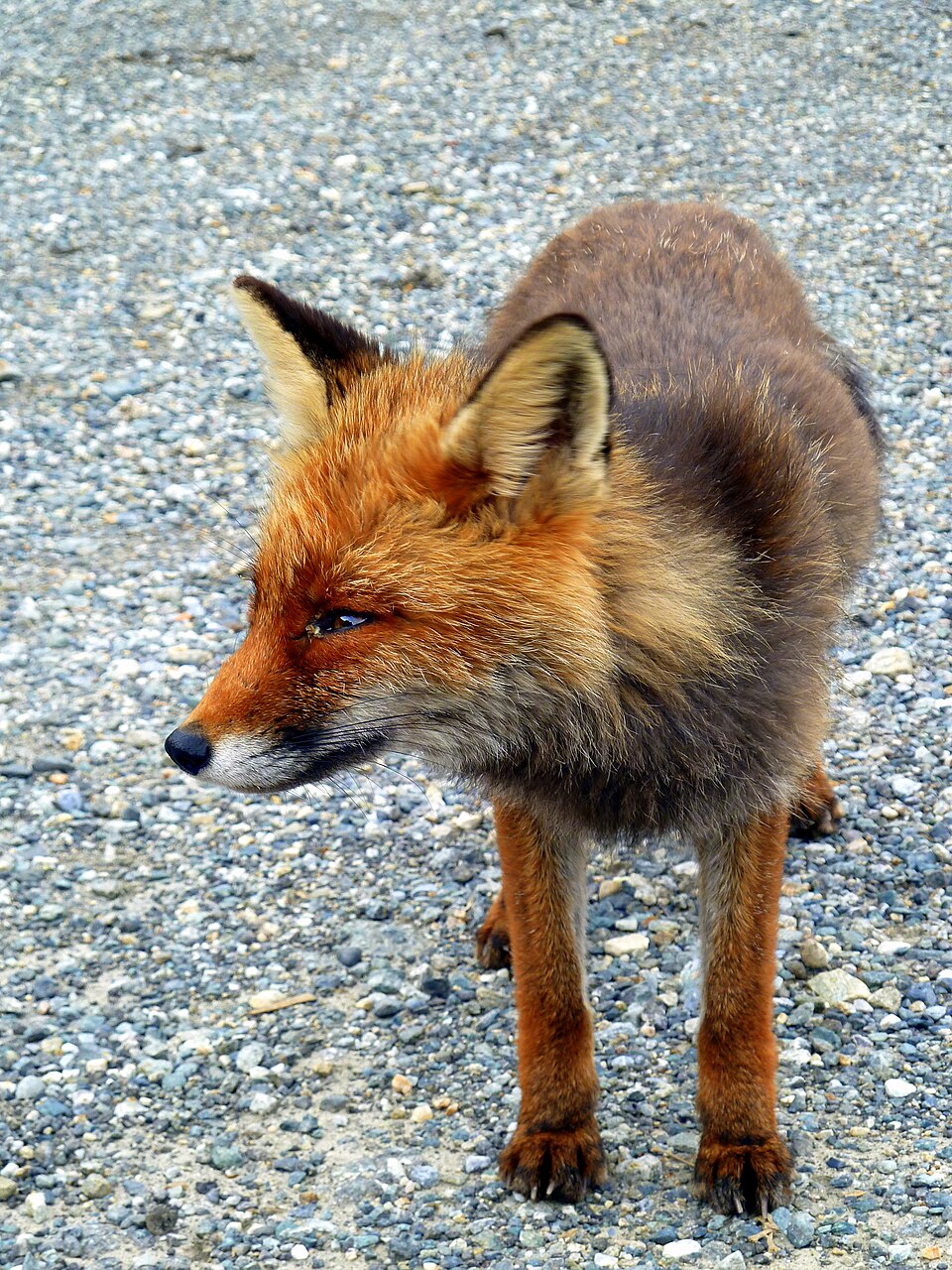
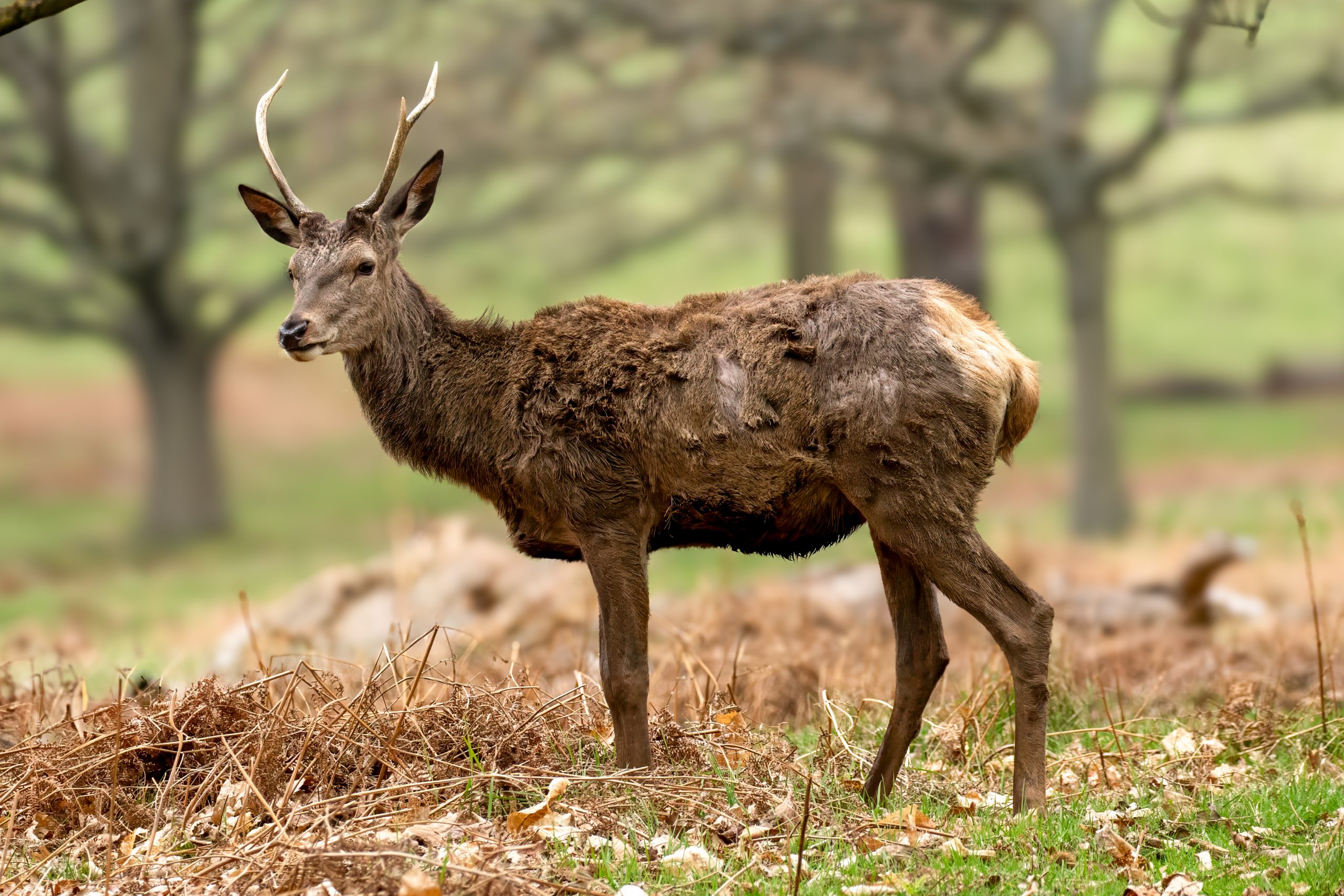
When a grey wolf (Canis lupus) kills a red deer (Cervus elaphus), red foxes (Vulpes vulpes) can benefit from the meal too. In Stelvio National Park in the Italian Alps, foxes appeared at all 26 deer carcasses monitored by researchers. They made greater use of carcasses with plenty of meat remaining, while wolf visits mattered much less for when foxes appeared.
Carrion offers foxes energy-rich food without the effort of catching the prey themselves. But a wolf may return. The researchers therefore wanted to know whether foxes timed their visits to avoid the larger predator.
From November 2022 to December 2024, they monitored wolf-killed deer with camera traps for up to 25 days per carcass. Wolves returned to 20 of the 26 carcasses. The cameras recorded more than 8,700 fox events, compared with around 400 wolf events, and both species visited mostly at night.
More meat, more fox visits
Foxes were recorded more often at carcasses that were less depleted when monitoring began. Visits also declined over the monitoring period. Foxes were somewhat more common at carcasses in areas with greater human activity, whereas vegetation and terrain mattered little.
The researchers found no clear tendency for foxes to stay away during hours with wolf visits or immediately afterwards. Because visits were compared hour by hour, this does not show how a fox reacted during a direct encounter with a wolf. Nevertheless, food availability and daily activity rhythms mattered more than the timing of wolf visits.
Abundant deer and relatively few wolves
The study area had plenty of deer relative to the number of wolves. The researchers suggest that this may have eased competition at carcasses: wolves could move on before consuming all the meat, leaving substantial meals for foxes.
The return of wolves to the Alps therefore also brings new feeding opportunities for smaller carnivores. The researchers expect competition at carcasses could intensify if wolf numbers rise relative to their prey.
Ecology
Related news

Canine distemper virus found in foxes and badgers in northern Italy
Researchers detected canine distemper virus in six red foxes and six European badgers among 43 wild carnivores examined…
Read story →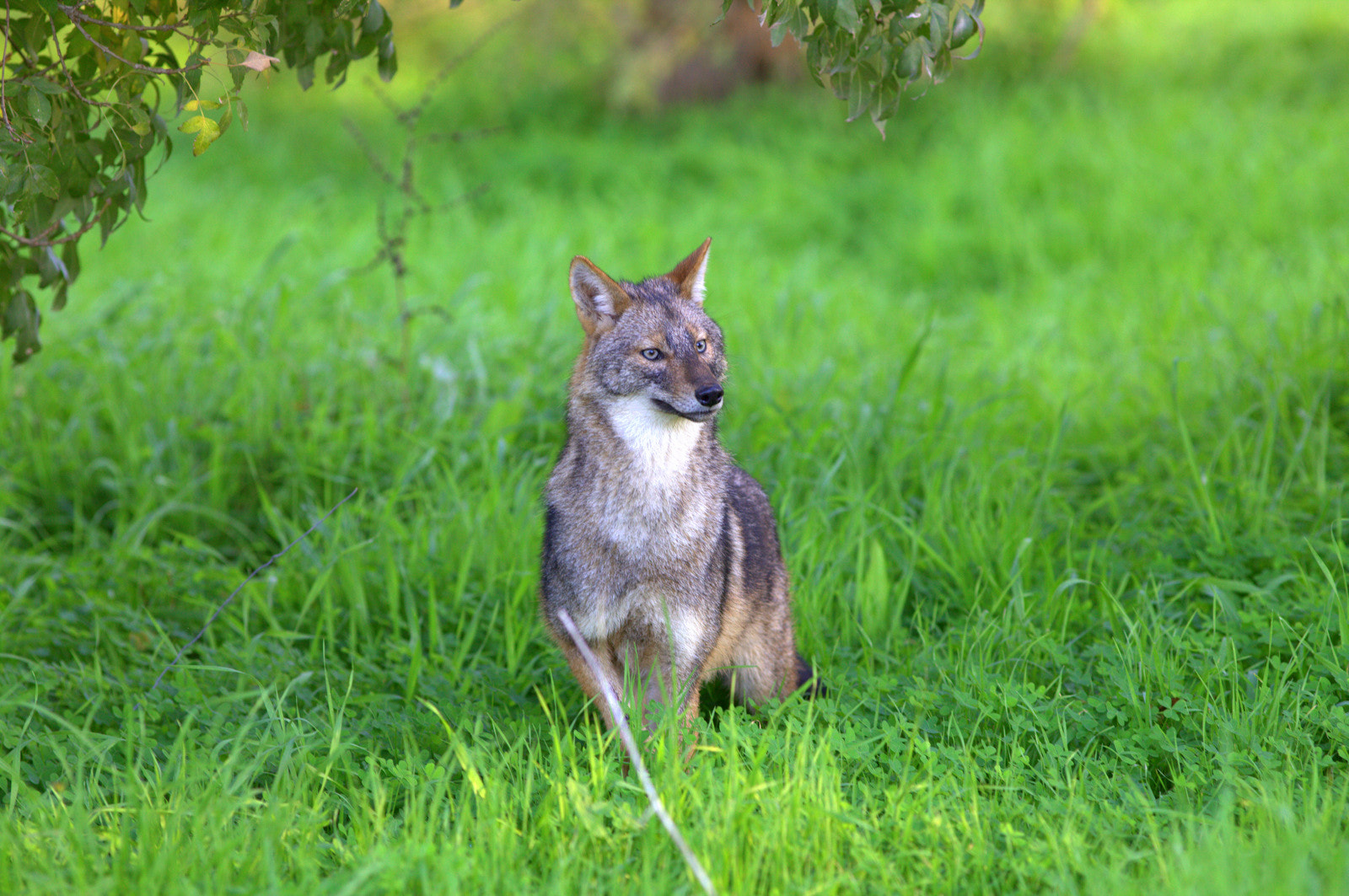
Similar Mammal Diversity, Different Activity Patterns in Grazed and Ungrazed Areas
Camera traps in four northern Israeli reserves found similar numbers of mammal species with and without livestock grazing.…
Read story →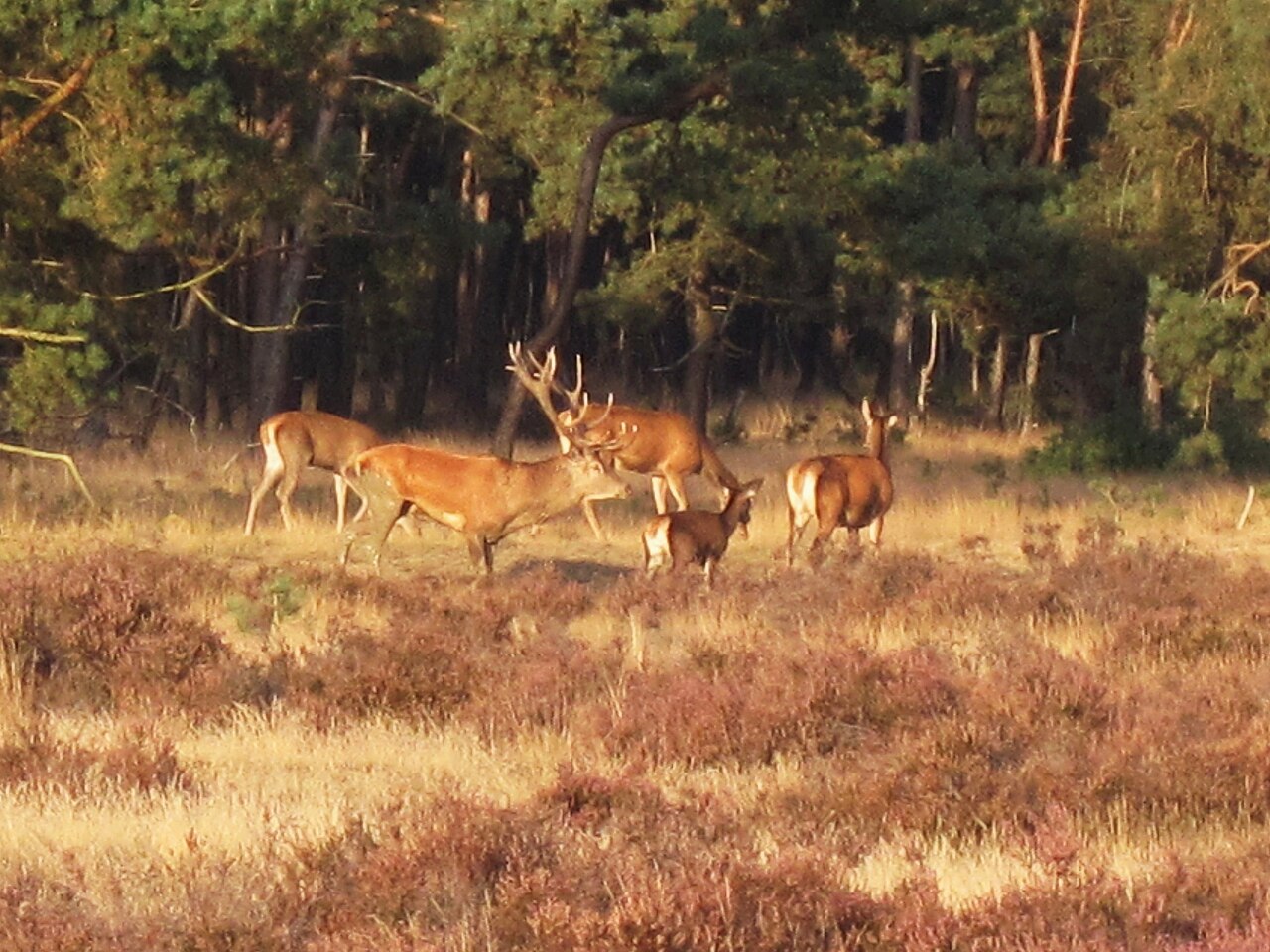
Tarim Red Deer Microbiomes Showed Greater Capacity to Break Down Reed Fibre
Under the same reed-containing diet, captive Tarim red deer had more fibre-associated gut microbes, higher cellulase and hemicellulase…
Read story →SPECIES IN THIS STORY
Species in this story
Independent research and conservation news archive
Did you find this information useful?
Wildlife Vagabond is independently built and maintained. Voluntary support helps cover source verification, hosting and continued work on research and conservation news.
Support Wildlife VagabondThe news archive will remain freely available.