
Thermal Drones Detected 22 of 24 Marked European Roe Deer Fawns Before Mowing

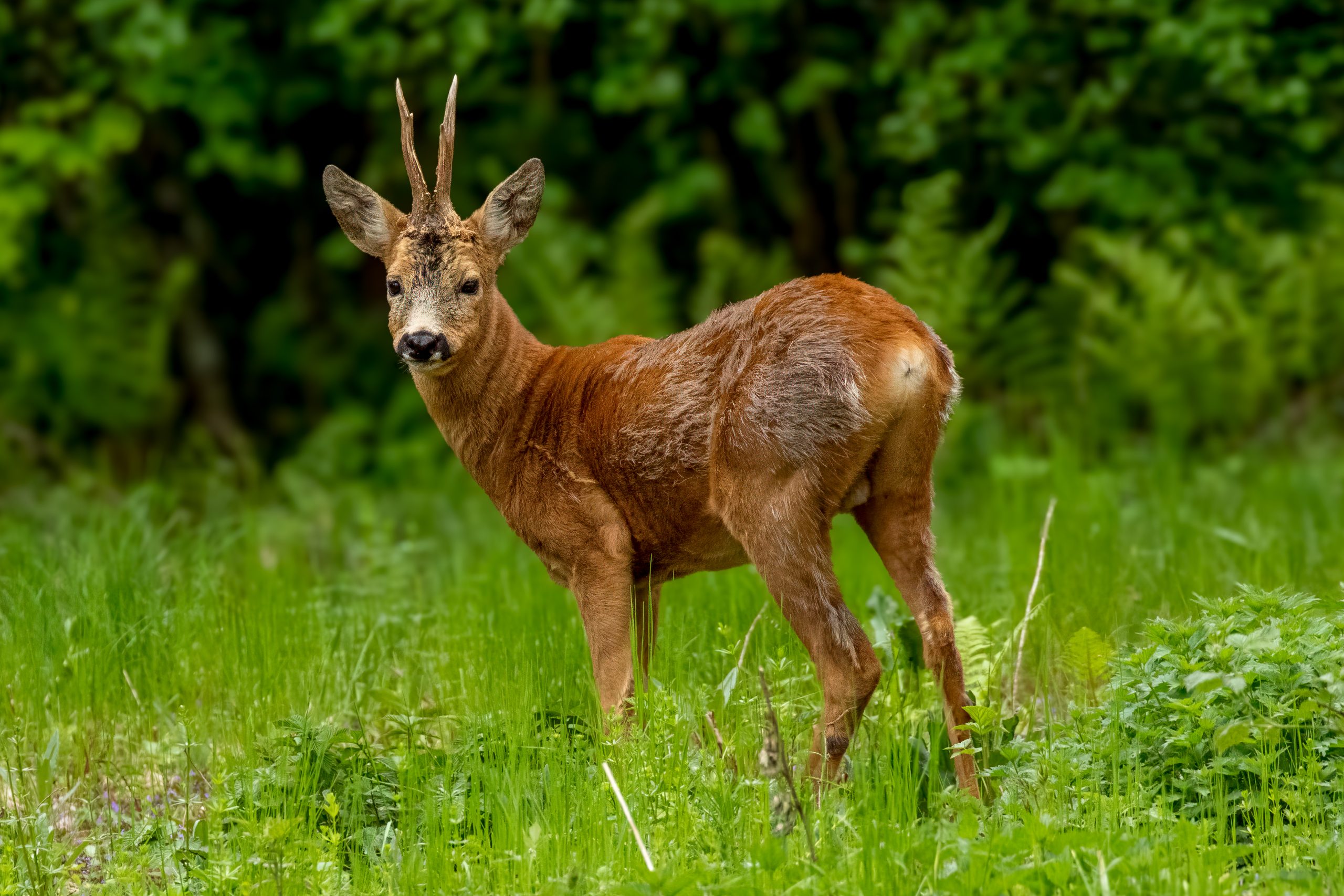
A field study at the 2,100-hectare Stora Bjurum estate in Västra Götaland, Sweden, tested whether thermal drones could find European roe deer (Capreolus capreolus) fawns before mowing and whether short-distance relocation was followed by short-term survival. During their first weeks, roe deer fawns rely on lying motionless in dense vegetation to avoid predators; the same hiding strategy makes them vulnerable to mowing machinery. Forty fawns were marked during the 2024 field season.
Across 25 mowing events on 19 fields, 24 radio-marked fawns were known to be present before mowing. An independent drone pilot who did not know their locations detected 22 of the 24, or 91.7%. All detections were confirmed on the ground, with no false detections. The two missed fawns were in unusually tall or dense vegetation.
Most marked fawns were found and moved before mowing
Twenty-four fawns were relocated before mowing. For the 23 with complete coordinates, relocation distances ranged from 74 to 293 metres and averaged 167 metres. Twenty-two relocated fawns could be monitored for 4–9 days after their final move, and all remained alive during that period. A follow-up more than a month later documented 12 fawns alive, seven collar drops, two transmitter failures and one mortality of unknown cause; several observations were consistent with mother–offspring reunion.
Relocation did not eliminate all mowing risk
One marked fawn was killed during mowing elsewhere on the estate after moving into a field scheduled for mowing. The authors contrast the single mowing death recorded in 2024 with the landowner’s earlier estimate of about 25 such deaths per year before thermal-UAV scanning was introduced, and describe the 2024 result as a marked reduction in observed mowing-related mortality associated with UAV use.
Management
Related news

Lapwing and Oystercatcher Nesting Shifted in Opposite Directions With Latitude
Fifty years of UK nest records showed that northern lapwings nested later towards the north while Eurasian oystercatchers…
Read story →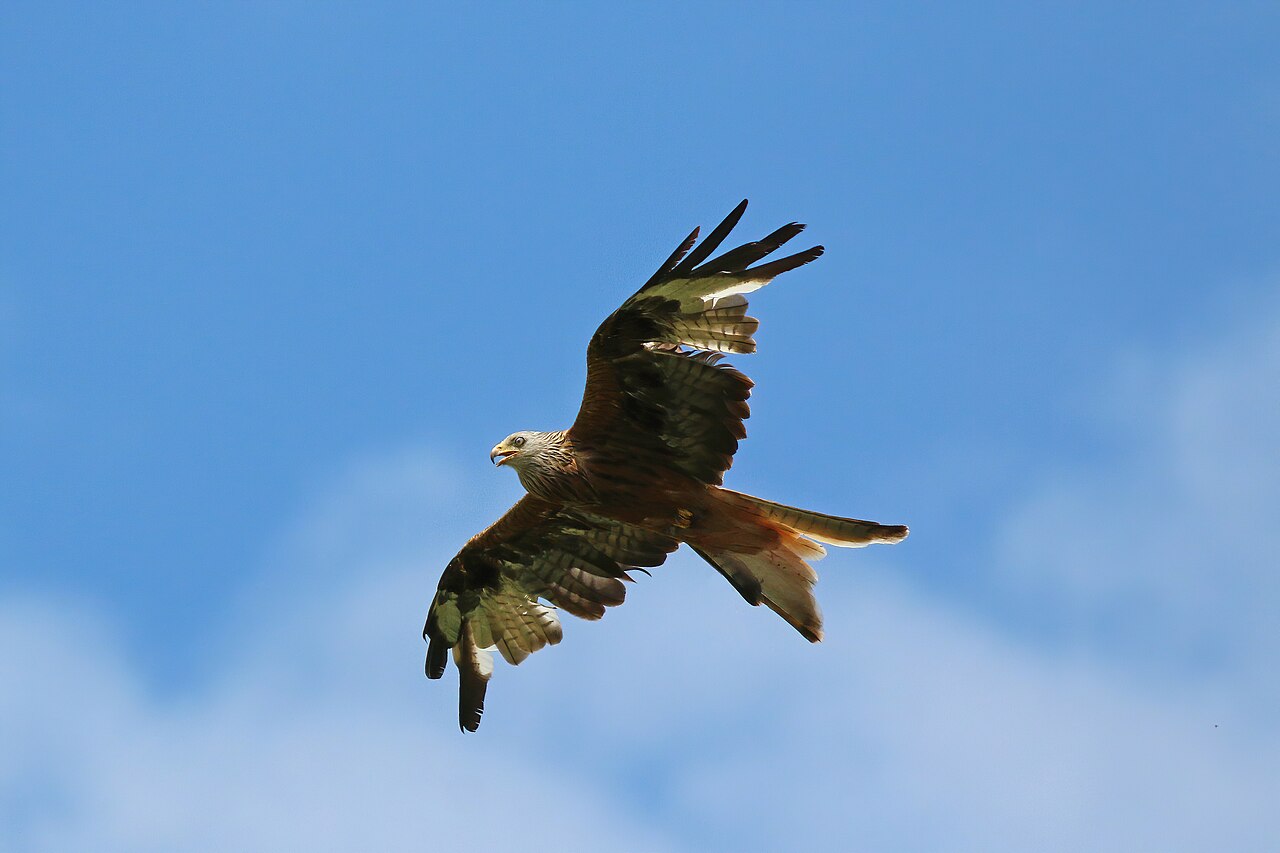
No Red Kite Deaths Were Recorded at a Retrofitted 48-Pylon Power Line Used by Reintroduced Birds
Twenty-one reintroduced red kites generated 802 GPS fixes around a 48-pylon power line retrofitted against electrocution in Jaén,…
Read story →
Researchers Recommend More Intensive Wild Boar Culling for Barcelona ASFV Variant
Barcelona’s dense peri-urban wild-boar population and an ASFV variant associated with apparently slower mortality led researchers to recommend…
Read story →SPECIES IN THIS STORY
Species in this story
Independent research and conservation news archive
Did you find this information useful?
Wildlife Vagabond is independently built and maintained. Voluntary support helps cover source verification, hosting and continued work on research and conservation news.
Support Wildlife VagabondThe news archive will remain freely available.