
Three Mosquito-Borne Viruses Followed Different Paths After an Outbreak in Southern Portugal
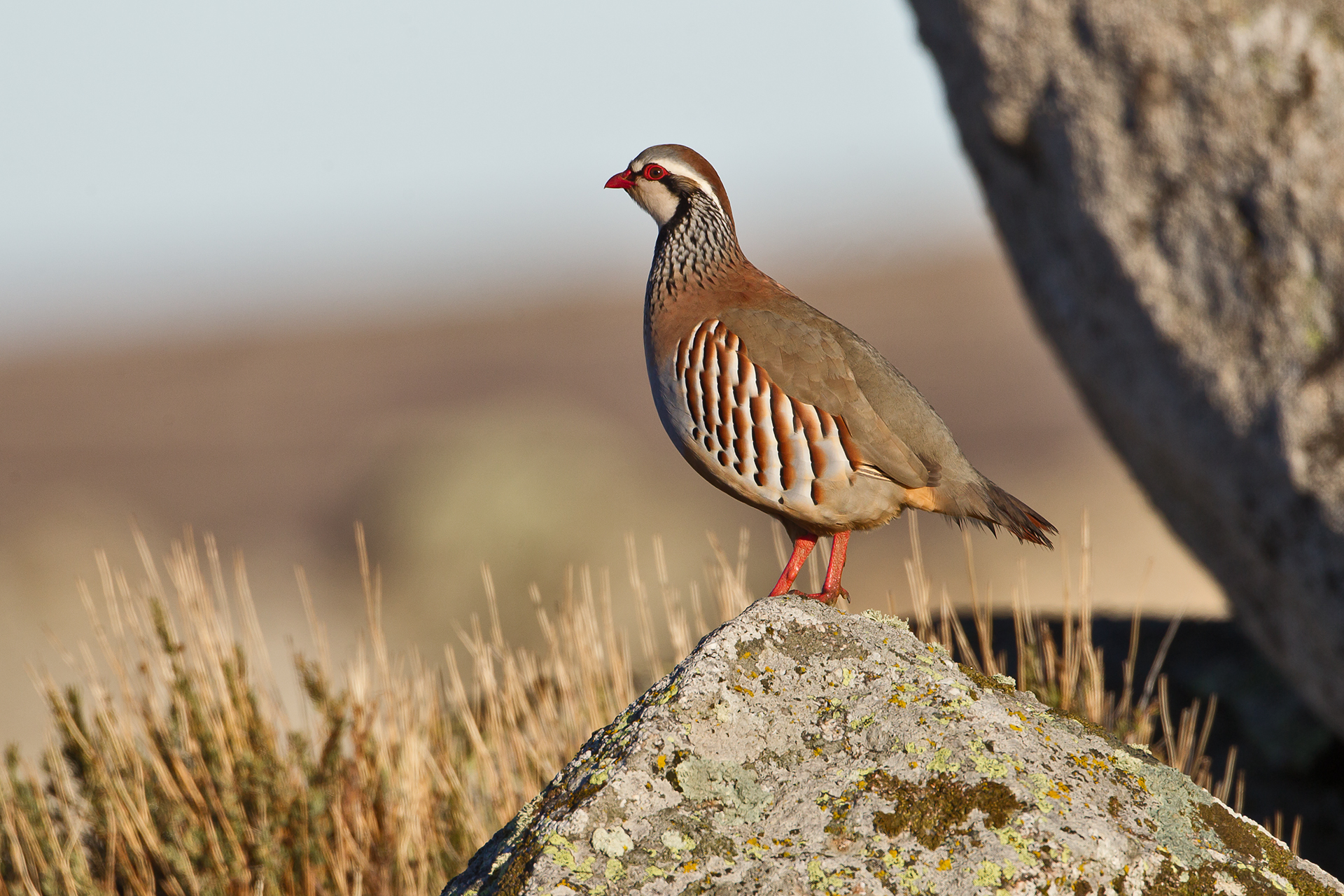
Researchers monitored birds and mosquitoes in southern Portugal from 2021 to 2023 for three mosquito-borne viruses: West Nile virus (WNV), Usutu virus (USUV) and Bagaza virus (BAGV). Their detections showed contrasting patterns. WNV was found each year, USUV in only a few samples, and BAGV RNA only during the 2021 outbreak.
The study tested 1,171 birds for viral RNA and also looked for antibodies in bird samples. RNA detections show that viral genetic material was present in a sample; antibodies indicate previous exposure, but do not by themselves show that a bird was actively infected when sampled. The findings are from a preprint that has not yet been peer reviewed.
West Nile virus was detected every year
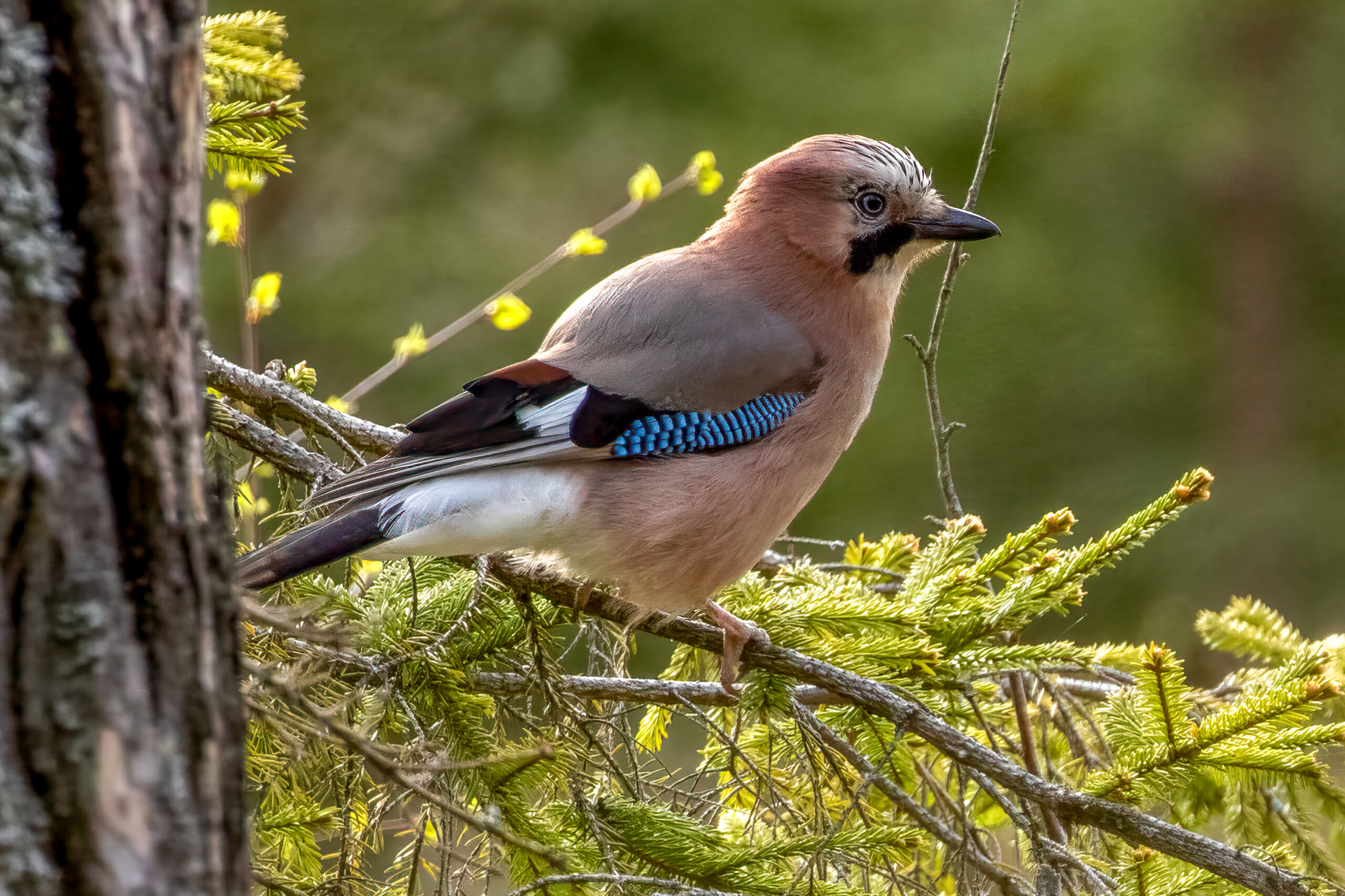
WNV RNA was detected in 18 birds and in two of 255 Culex univittatus mosquitoes. Detections included resident birds in each survey year; the Eurasian Jay (Garrulus glandarius) was among the birds detected. WNV antibodies were found in 28.5% (259 of 910) of the birds tested.
Together, the repeated RNA detections and the antibody findings support the researchers’ interpretation that WNV continued to circulate locally.
Usutu and Bagaza left different signals
USUV RNA was detected in two red-legged partridges, one in 2021 and one in 2023. Antibodies were uncommon, found in 1.3% (8 of 623) of the relevant bird samples. The researchers consider this pattern consistent with intermittent circulation.
BAGV RNA was detected in 21 birds (1.8%)—red-legged partridges and corn buntings—and only in 2021. BAGV antibodies were found in 6.6% (60 of 910) of the birds tested, including in samples collected up to two years after the outbreak. This may indicate continued exposure or low-level circulation, but antibodies alone cannot establish that the virus was still circulating.
The contrasting results support continued monitoring after an outbreak. The researchers call for stronger surveillance of WNV in both birds and people, alongside long-term monitoring of mosquito-borne viruses.
Disease, parasites & microbiology
Related news
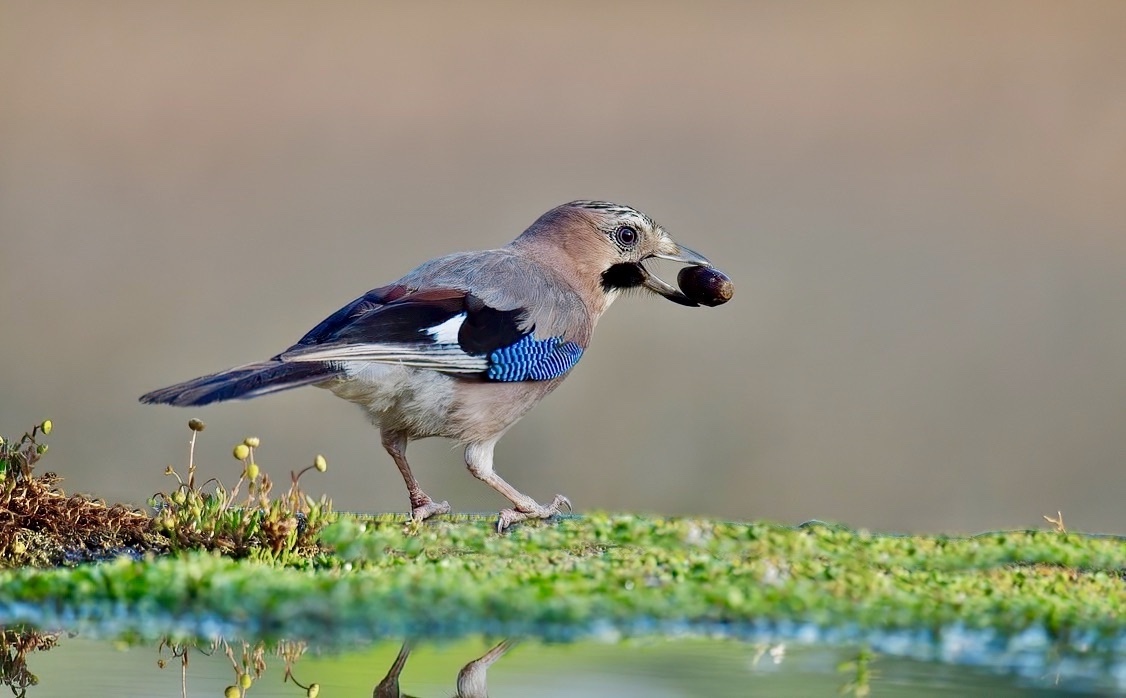
Eurasian Jays Removed More Acorns From Open Parts of Portuguese Cork Oak Woodland
Camera traps in Portuguese cork oak woodland found Eurasian jays almost exclusively removed acorns from more open sites,…
Read story →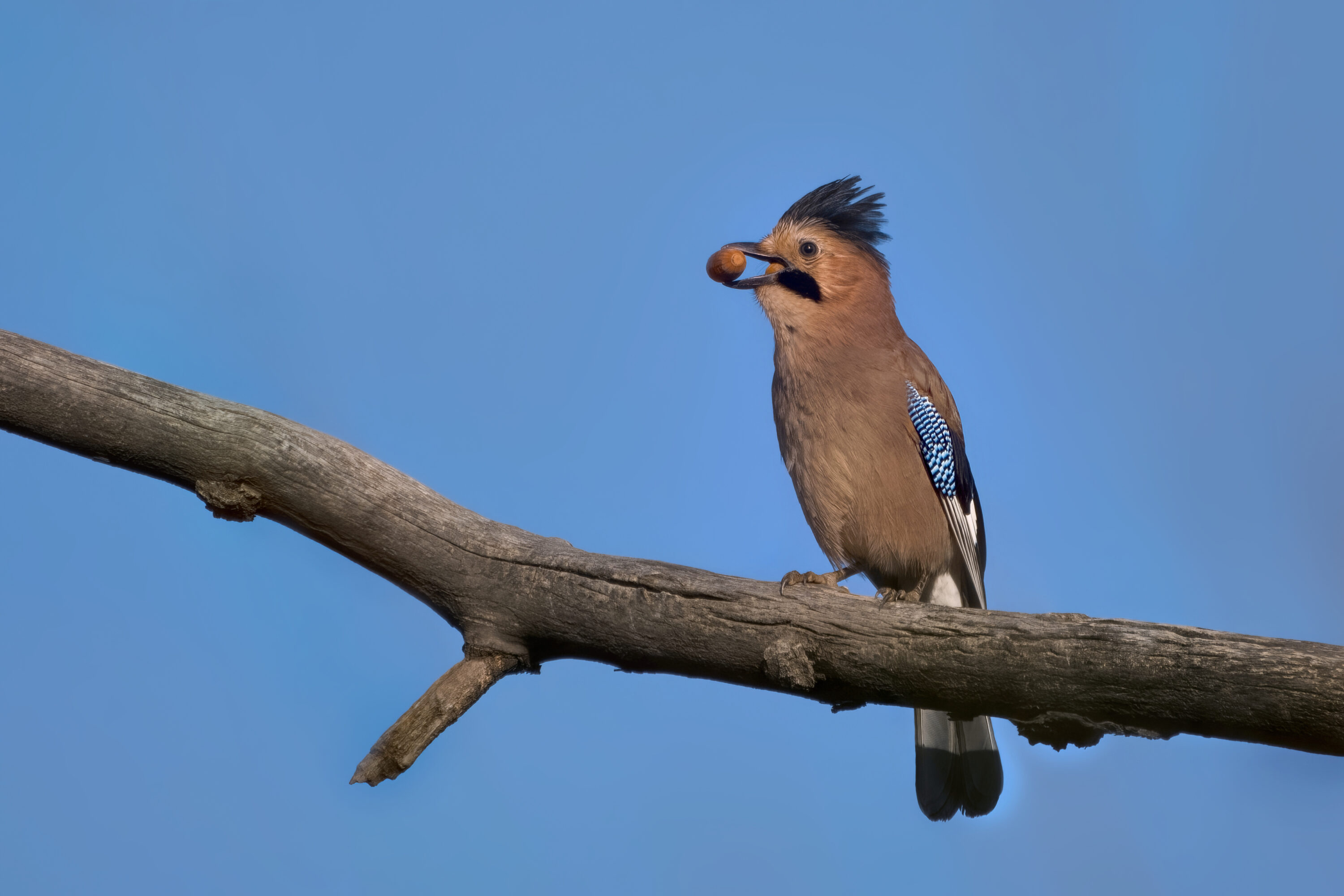
Eurasian Jays in Stavropol Concentrated in Food-Rich Habitats in Winter
A 2026 reanalysis of records from 2002–2024 found that habitat use by the Caucasian subspecies of Eurasian jay…
Read story →
French Wildlife Culling Was Not Linked to Lower Reported Damage
A 2026 national evaluation of ten native species found no relationship between lethal-control effort and lower reported damage…
Read story →SPECIES IN THIS STORY
Species in this story
Independent research and conservation news archive
Did you find this information useful?
Wildlife Vagabond is independently built and maintained. Voluntary support helps cover source verification, hosting and continued work on research and conservation news.
Support Wildlife VagabondThe news archive will remain freely available.