
Eurasian Jays Removed More Acorns From Open Parts of Portuguese Cork Oak Woodland
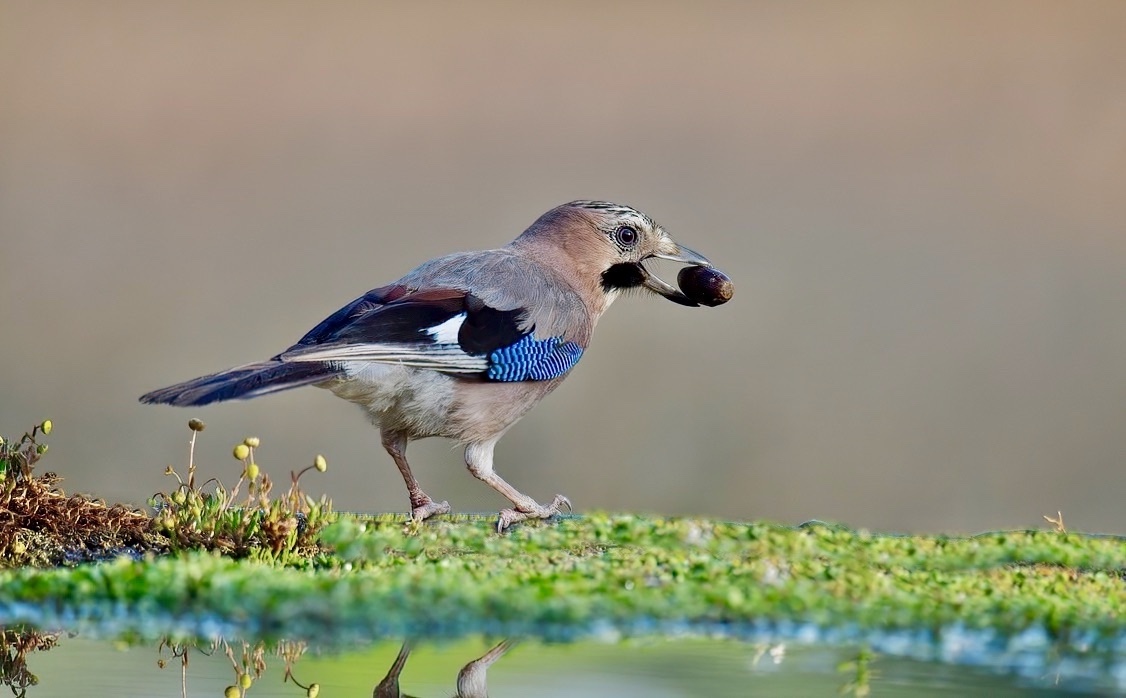
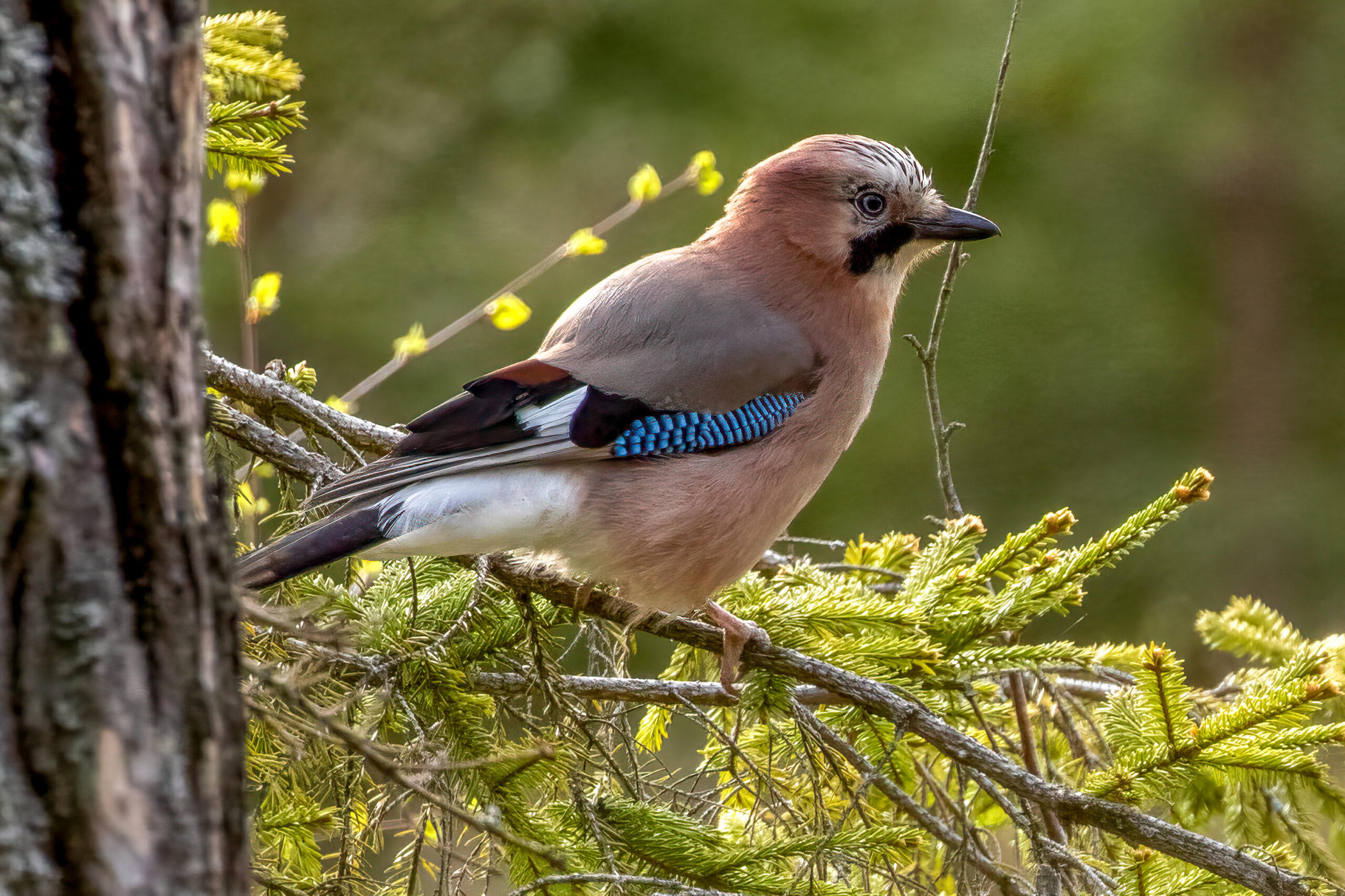
Eurasian jays (Garrulus glandarius) and wood mice (Apodemus sylvaticus) made sharply different choices when handling cork oak (Quercus suber) acorns in a Portuguese Montado landscape. A 2026 master’s dissertation from the University of Lisbon examined how weather, vegetation structure and perceived risk influenced whether the two seed consumers visited feeding sites, ate acorns in place or removed them.
The study used camera traps over 1,096 trap-days at Herdade da Ribeira Abaixo in Alentejo. In oak woodlands, animals that eat acorns can act either as seed predators or as dispersers when they carry seeds away and leave some uneaten. The dissertation therefore treated the interaction as a conditional mutualism: the ecological effect depends on the foraging choice made at each encounter.
Jays removed acorns most often from open sites
Eurasian jays were almost exclusively recorded removing acorns rather than eating them where they found them. Removal was highest at sites with less shrub cover, lower oak density and shorter distance to water. The author interprets this as consistent with jays benefiting from open sightlines and landscape features that can serve as landmarks while they transport and cache seeds. Visitation patterns were less conclusive because jays were detected relatively infrequently, and direct observations of predators did not explain where they removed acorns.
Wood mice relied more strongly on protective cover
Wood mice showed a contrasting response to the same landscape. Brighter moonlight reduced visitation, eating at the site and acorn removal, while high temperatures reduced visitation and removal and stronger winds reduced eating in place. Both eating and removal increased with shrub cover, and in-place consumption also increased with oak density. These patterns fit the mice’s stronger reliance on protective cover and environmental cues of exposure, even though direct predator presence itself did not significantly shape the recorded choices.
Together, the two species created complementary routes for acorn movement. Wood mice concentrated more strongly around protective vegetation, while jays removed acorns most often from more open parts of the woodland. The dissertation concludes that this contrast makes landscape heterogeneity important for cork oak regeneration: different parts of the Montado support different seed-handling strategies and therefore different pathways of dispersal.
Ecology
Related news
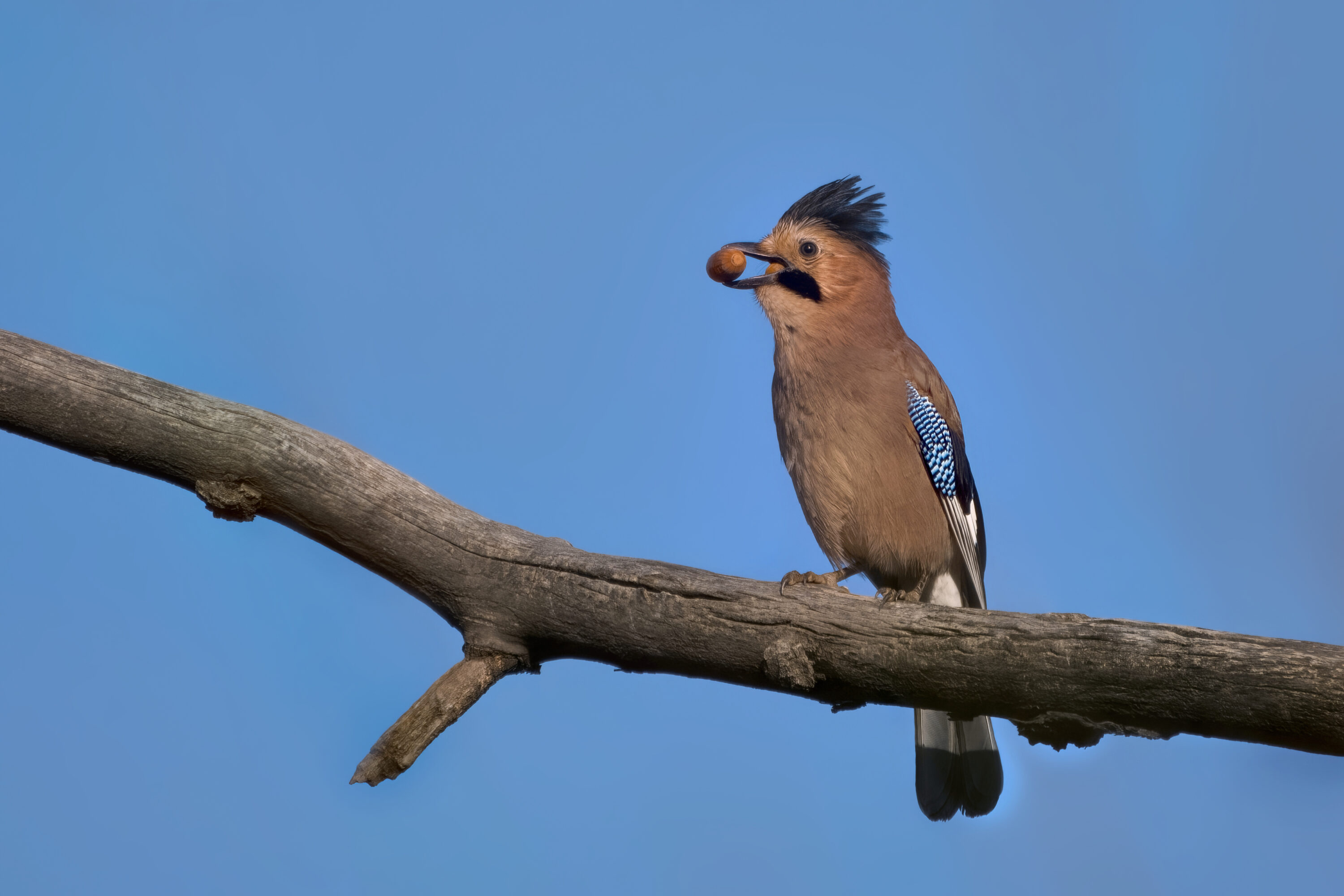
Eurasian Jays in Stavropol Concentrated in Food-Rich Habitats in Winter
A 2026 reanalysis of records from 2002–2024 found that habitat use by the Caucasian subspecies of Eurasian jay…
Read story →
French Wildlife Culling Was Not Linked to Lower Reported Damage
A 2026 national evaluation of ten native species found no relationship between lethal-control effort and lower reported damage…
Read story →
African Bush Elephants Distinguished Artificial Food-Quantity Patterns at Close Range
In experiments in South Africa, four semi-tame elephants chose between visual patterns representing canopy size and leaf density.…
Read story →SPECIES IN THIS STORY
Species in this story
Independent research and conservation news archive
Did you find this information useful?
Wildlife Vagabond is independently built and maintained. Voluntary support helps cover source verification, hosting and continued work on research and conservation news.
Support Wildlife VagabondThe news archive will remain freely available.