
Tiger and Leopard Links to Jackals and Hyenas Vary Across India
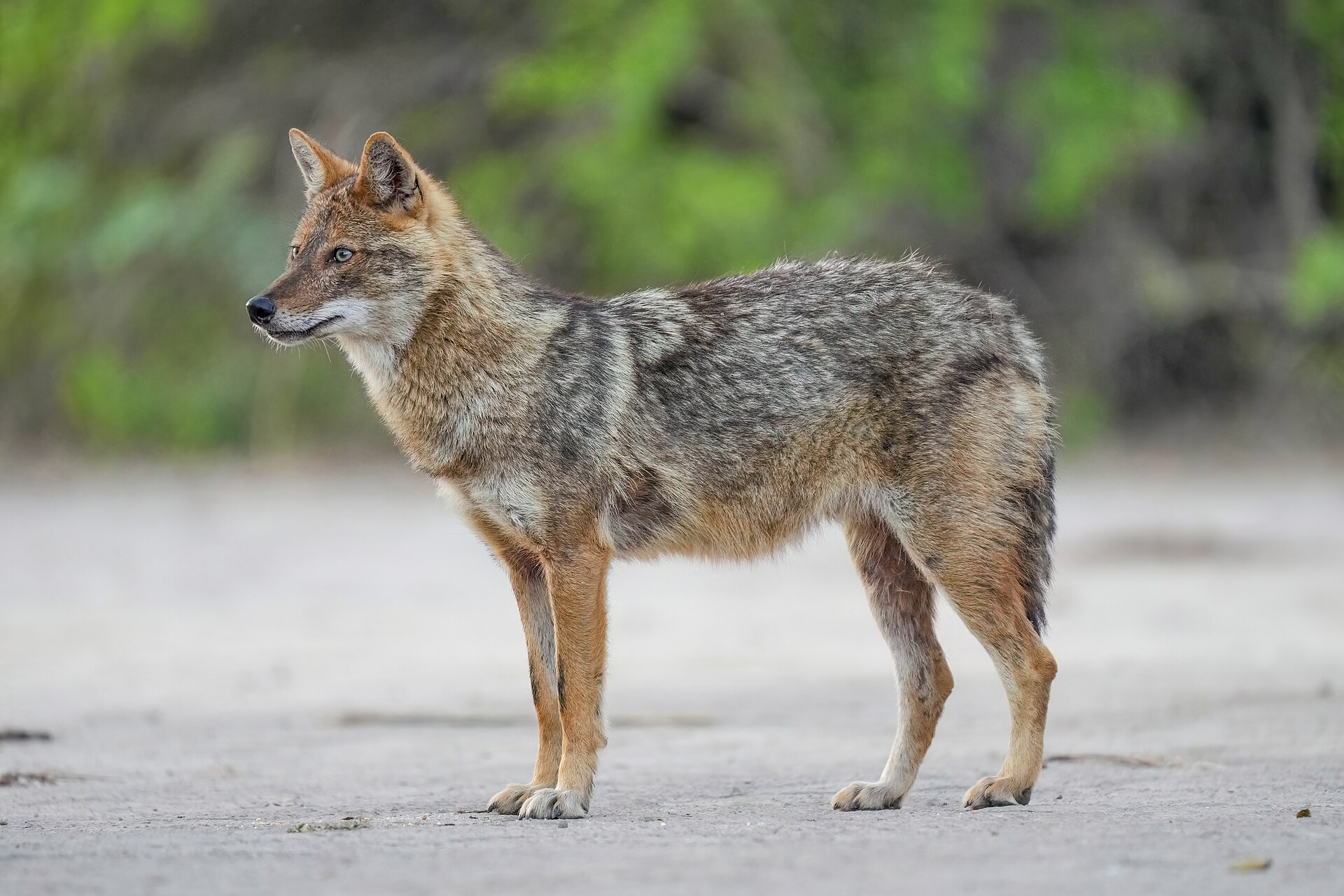
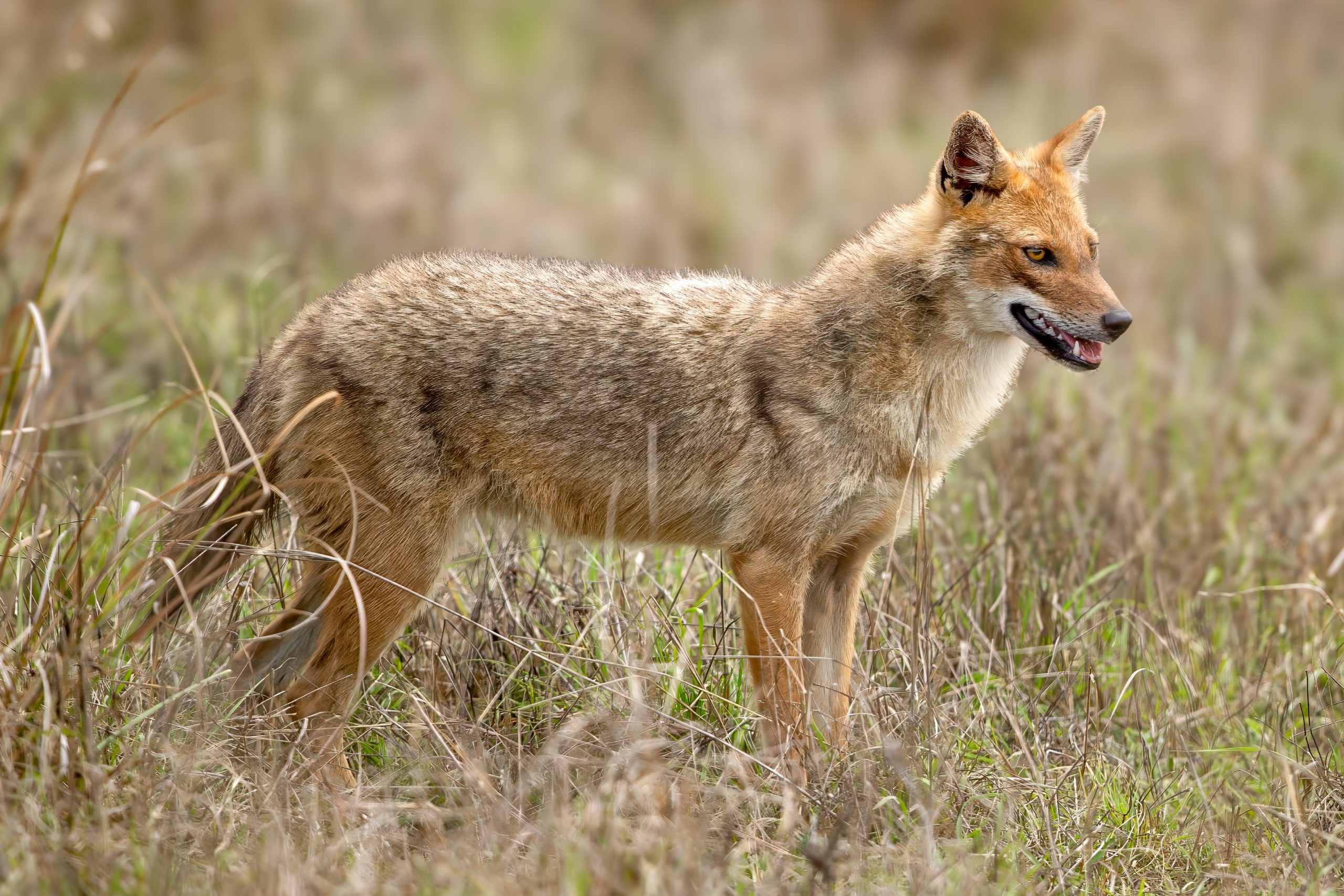
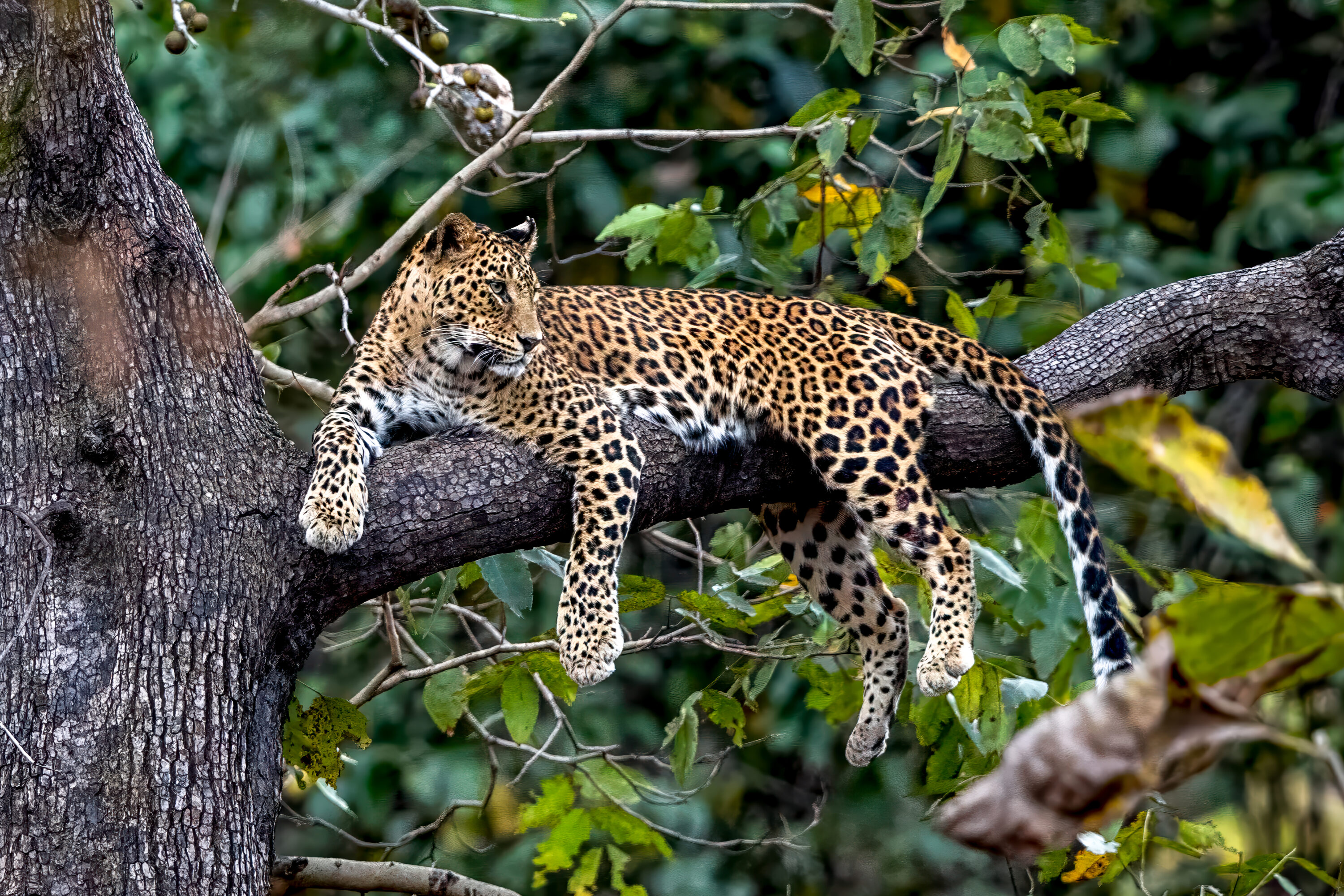
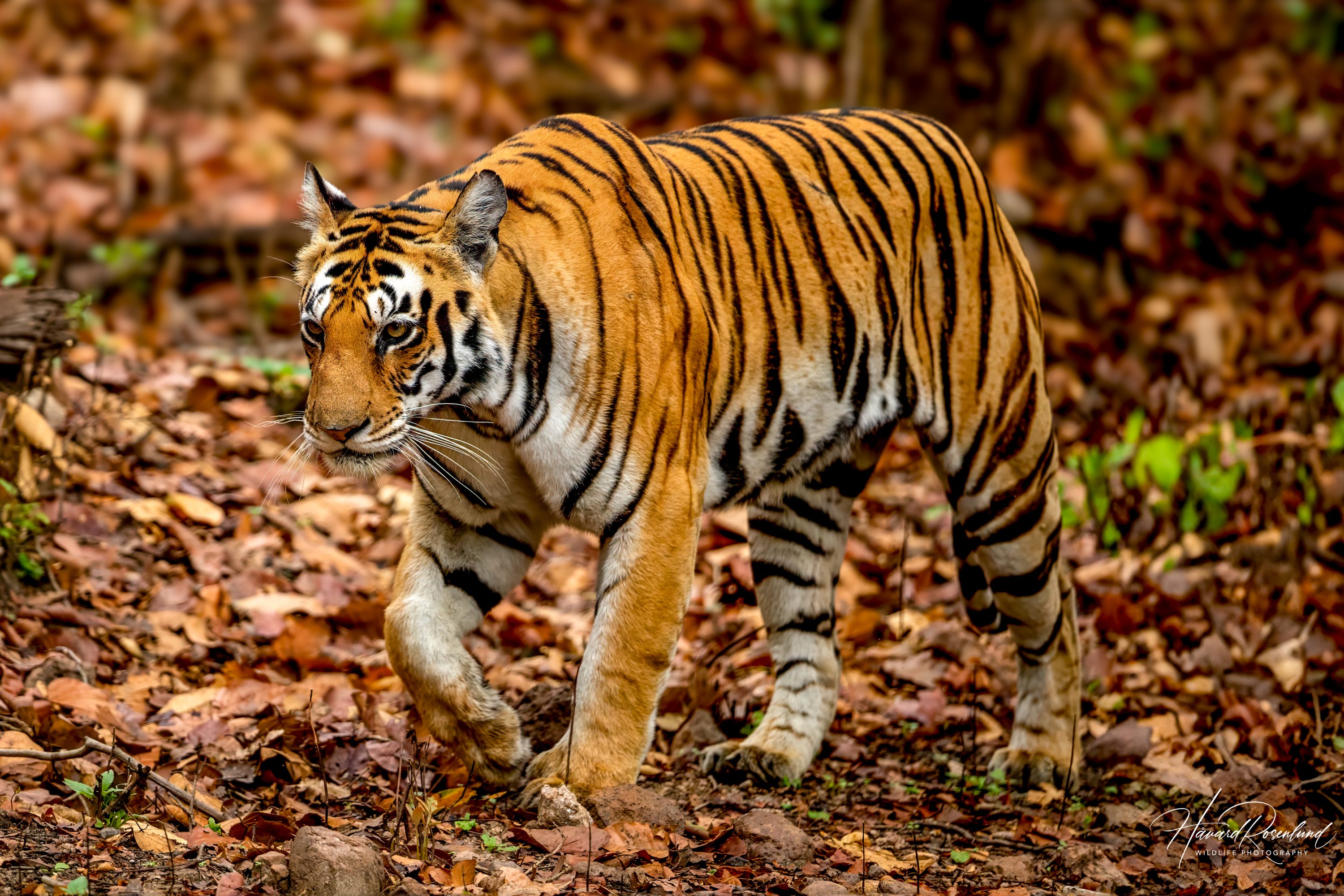
Can tigers (Panthera tigris) and leopards (Panthera pardus) limit where smaller carnivores occur? Across three Indian landscapes, researchers found no consistent evidence that they do. Instead, the occurrence of golden jackals (Canis aureus) and striped hyenas (Hyaena hyaena) was more closely associated with geographic and climatic conditions.
Jackals and striped hyenas are medium-sized scavenging carnivores that share landscapes with tigers and leopards. Interactions with larger predators could influence where they occur, but the strength or direction of those relationships may depend on local conditions.
Different landscapes, different patterns
The researchers analysed records of where animals had been detected in the Shivalik, Central India and Western Ghats landscapes, including records from All India Tiger Monitoring reports. They modelled each landscape separately, then compared those results with models using data pooled across all three. The models related jackal and hyena occurrence to large predators, prey species and environmental conditions.
The landscape-specific models showed contrasting responses: relationships with large predators, prey and geoclimatic conditions were not the same everywhere. Across the study as a whole, the researchers found no consistent evidence that tigers and leopards controlled where the two smaller carnivores occurred. Geoclimatic variables—factors related to geography and climate—were more prominent. These were patterns in detection records, not estimates of animal numbers.
The pooled models captured broad regional patterns and had lower prediction uncertainty, particularly where data were sparse. But pooling did not erase the differences among landscapes. The authors argue that management should account for local ecological conditions and that researchers need to better understand how interactions change as large-predator densities recover.
Ecology
Related news
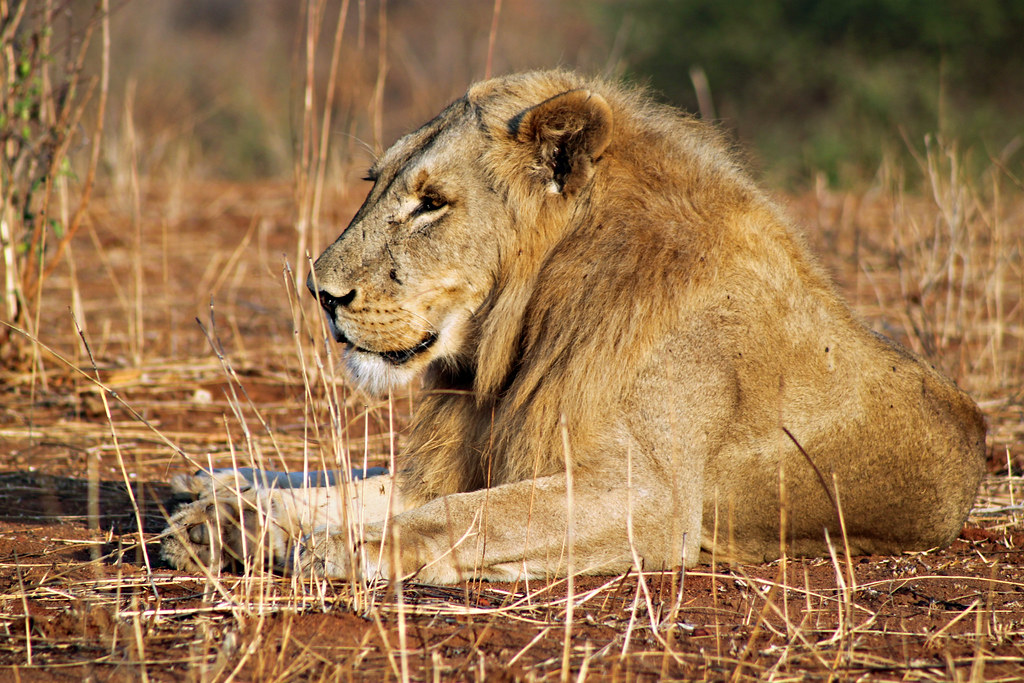
A lion liver protein was a poor hepatitis B virus receptor—and a less efficient bile-acid transporter
Tests of NTCP proteins from cats, tigers and leopards supported hepatitis B virus binding, unlike lion NTCP, which…
Read story →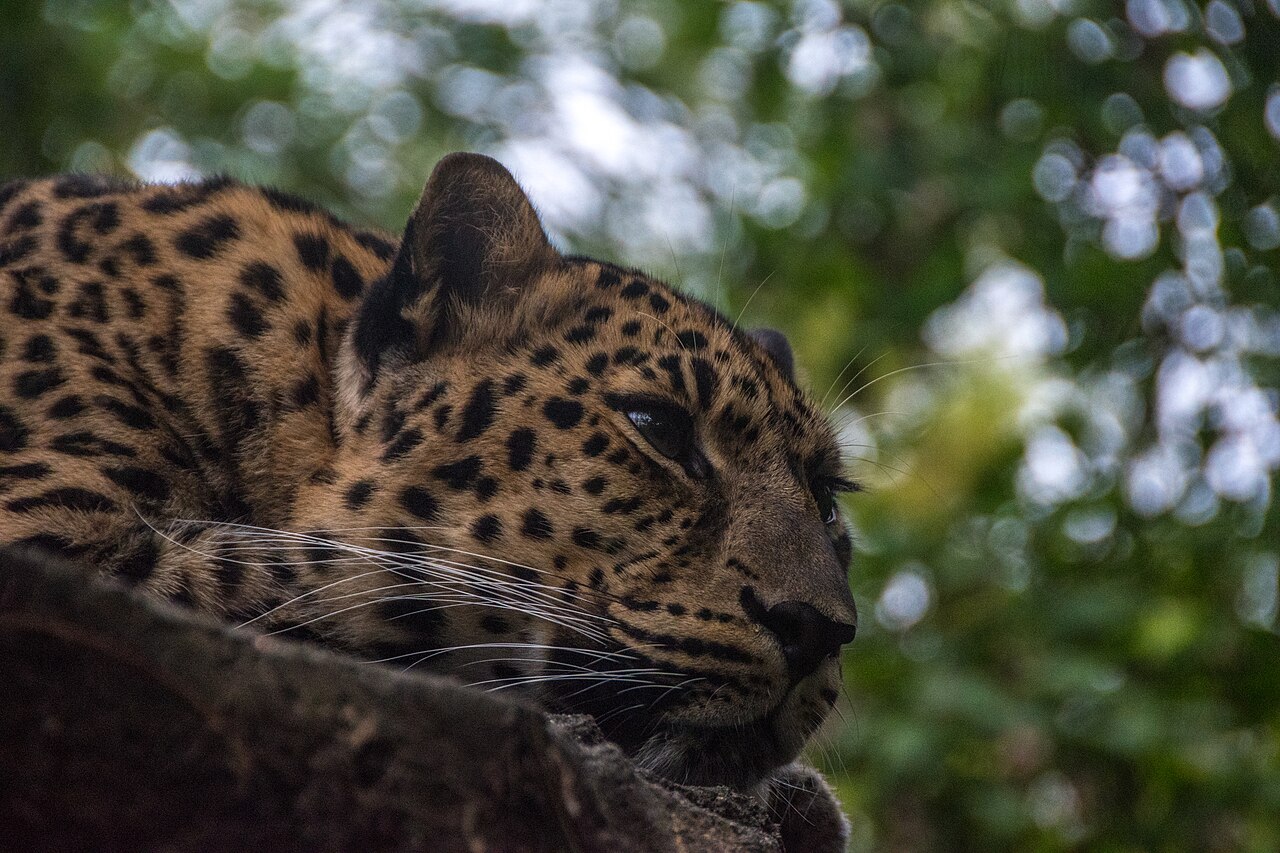
Suitable habitat for Amur tigers and Amur leopards expanded in northeast China, but local losses continued
Camera-trap records and environmental data were used to model suitable habitat for Amur tigers and Amur leopards in…
Read story →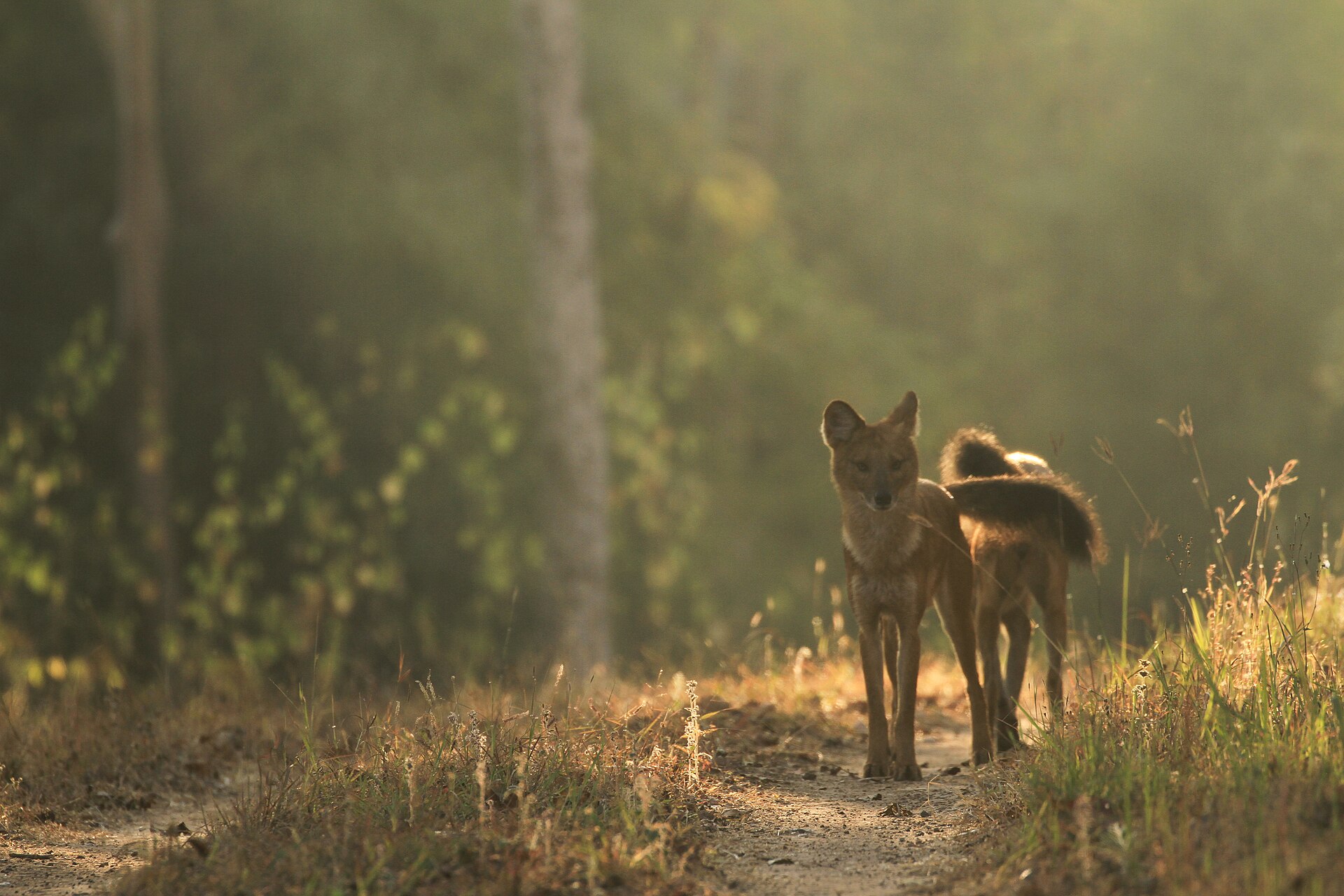
Social media portrayed dholes more negatively than three other carnivores
An analysis of more than 6,000 posts compared dholes with Bengal tigers, sloth bears and golden jackals. Dholes…
Read story →SPECIES IN THIS STORY
Species in this story
Independent research and conservation news archive
Did you find this information useful?
Wildlife Vagabond is independently built and maintained. Voluntary support helps cover source verification, hosting and continued work on research and conservation news.
Support Wildlife VagabondThe news archive will remain freely available.