
Traditional Livestock Grazing Was Linked to Lower Pathogen Exposure in Wild Boar and Higher Mammal Diversity
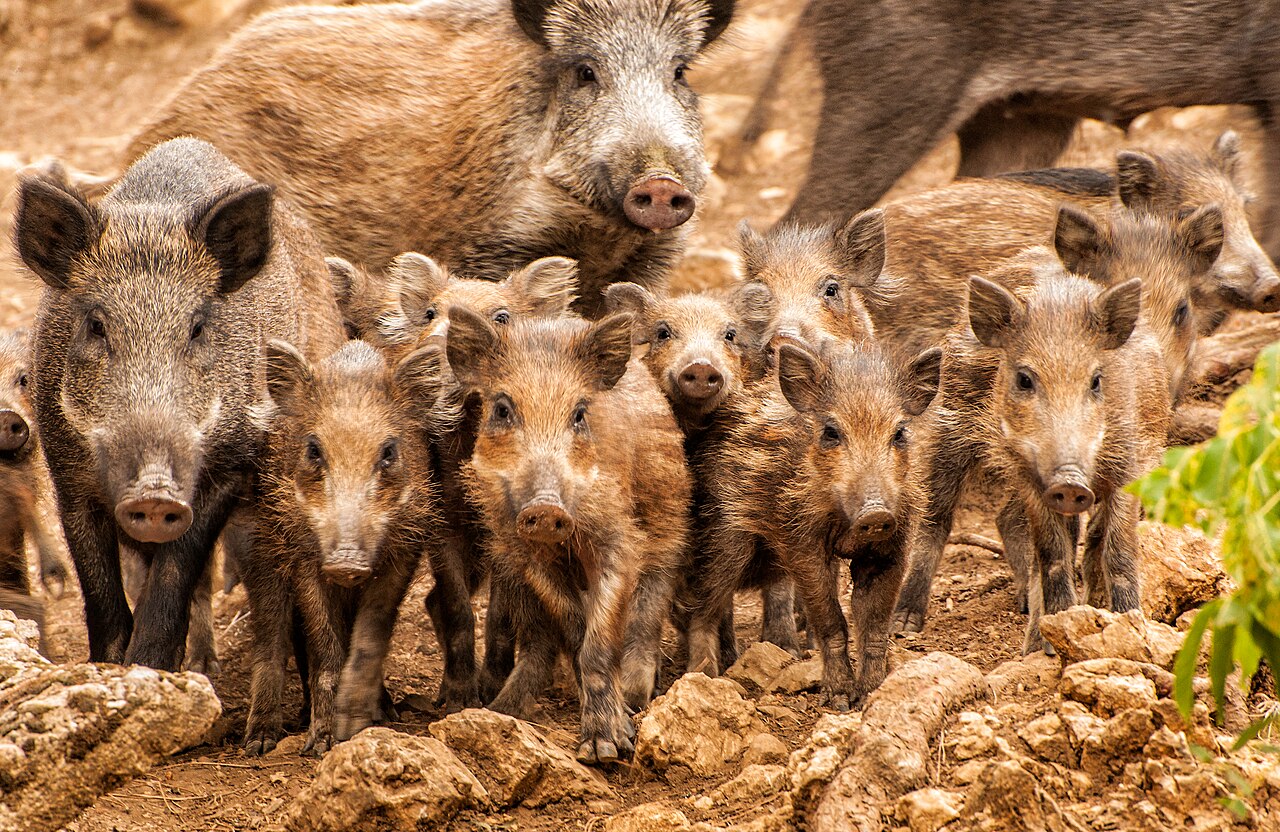
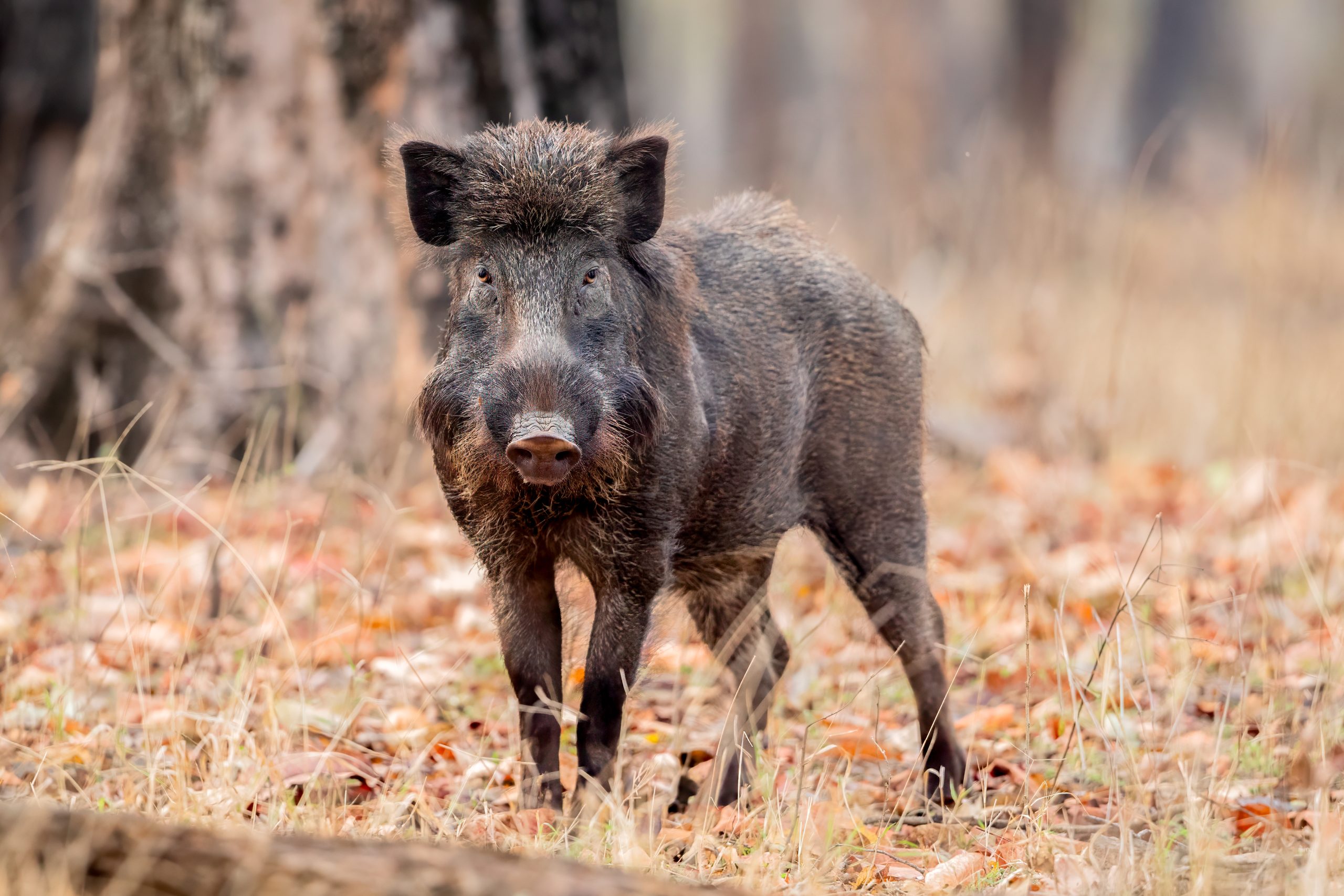
A study across 18 sites on the Iberian Peninsula found that traditionally managed livestock grazing was associated with both greater wild-mammal diversity and lower indicators of pathogen exposure in wild boar (Sus scrofa). Sites with domestic ruminants had greater mammal richness and diversity, while antibody prevalence and exposure to multiple pathogens in wild boar were lower than at sites without grazing livestock. In practical terms, the livestock-present sites supported both more mammal species and a more varied mammal community.
The researchers compared mammal-community biodiversity and interactions among the study sites and used wild boar as an indicator species for pathogen exposure and indirect markers of immune-system activation. Antibodies show that an animal has been exposed to a pathogen and mounted an immune response, but do not by themselves show that it had an active infection when sampled. The study was designed to examine how traditional grazing systems relate simultaneously to biodiversity, host-community structure and circulation of generalist pathogens.
Sites without livestock showed higher pathogen exposure
At sites without grazing livestock, the researchers found what they describe as an apparent amplification effect: pathogen exposure in wild boar was higher, and the animals also showed higher indicators of immune activation. In contrast, livestock-present communities combined greater mammal diversity with lower antibody prevalence and less multiple-pathogen co-exposure in wild boar.
Traditional grazing may reshape host communities
The authors interpret the pattern as consistent with traditionally managed ruminants contributing to more balanced host communities and potentially replacing more susceptible wildlife hosts in pathogen networks. They conclude that extensive traditional grazing can influence disease dynamics together with biodiversity, rather than livestock presence necessarily being associated with greater pathogen circulation in these grassland systems.
Ecology
Related news
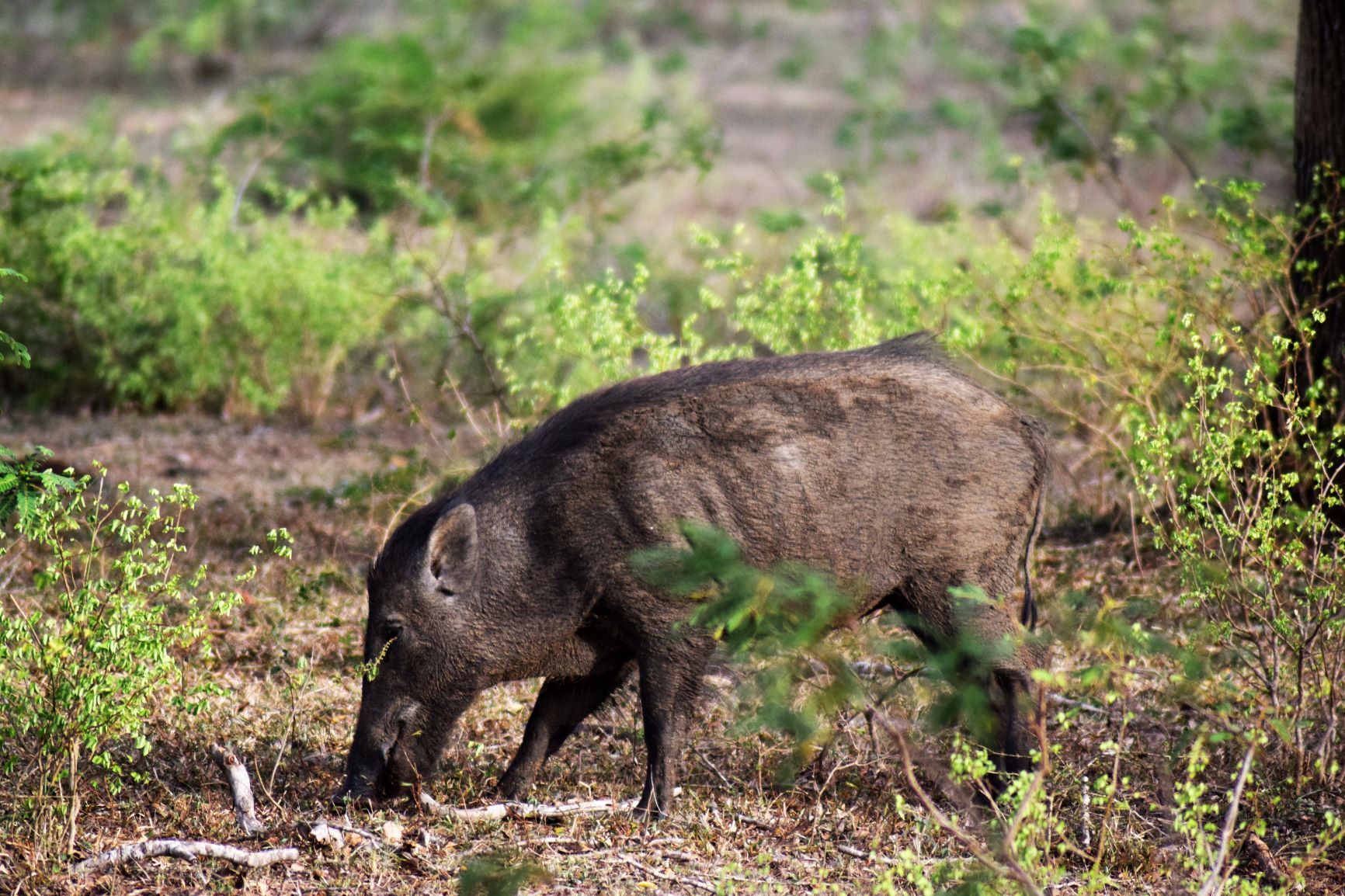
Maps Show Where Wild Boar Could Thrive and Spread on Jeju Island
Researchers mapped potentially suitable wild-boar habitat across roughly 36% of Jeju Island and identified eight possible corridors linking…
Read story →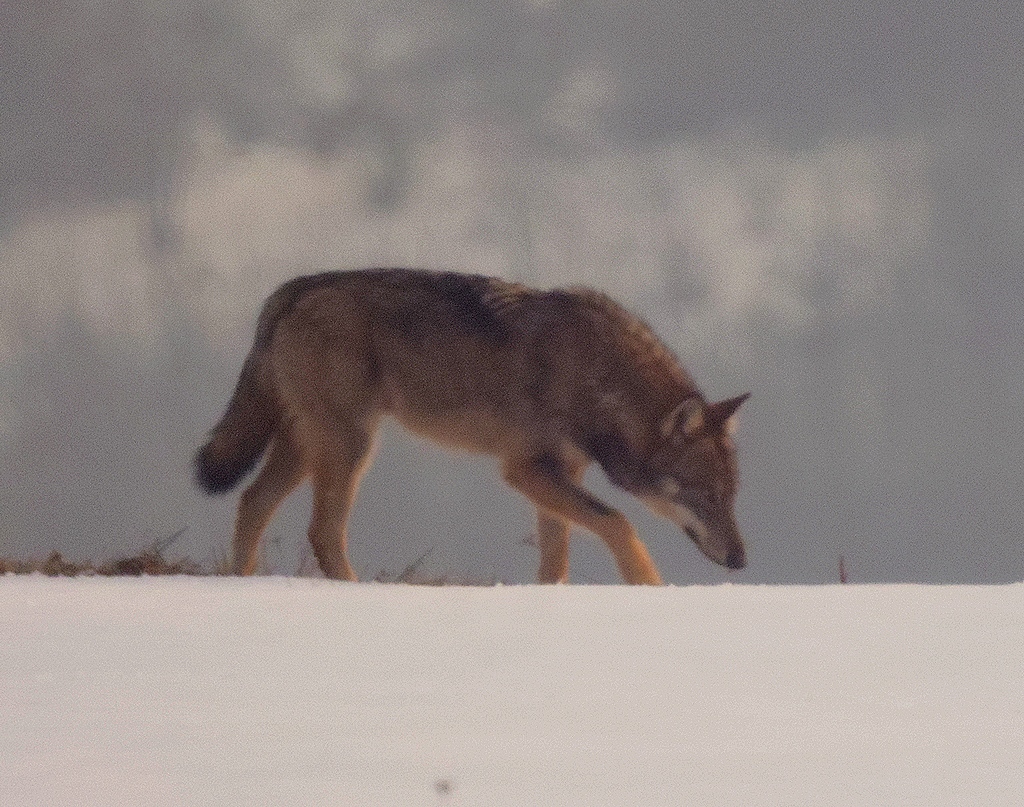
Roe Deer and Wild Boar Remained Key Wolf Prey as Diet Shifted Across North-western Italy
From 2021 to 2025, wolves in north-western Italy continued to feed mainly on wild prey. In the Po…
Read story →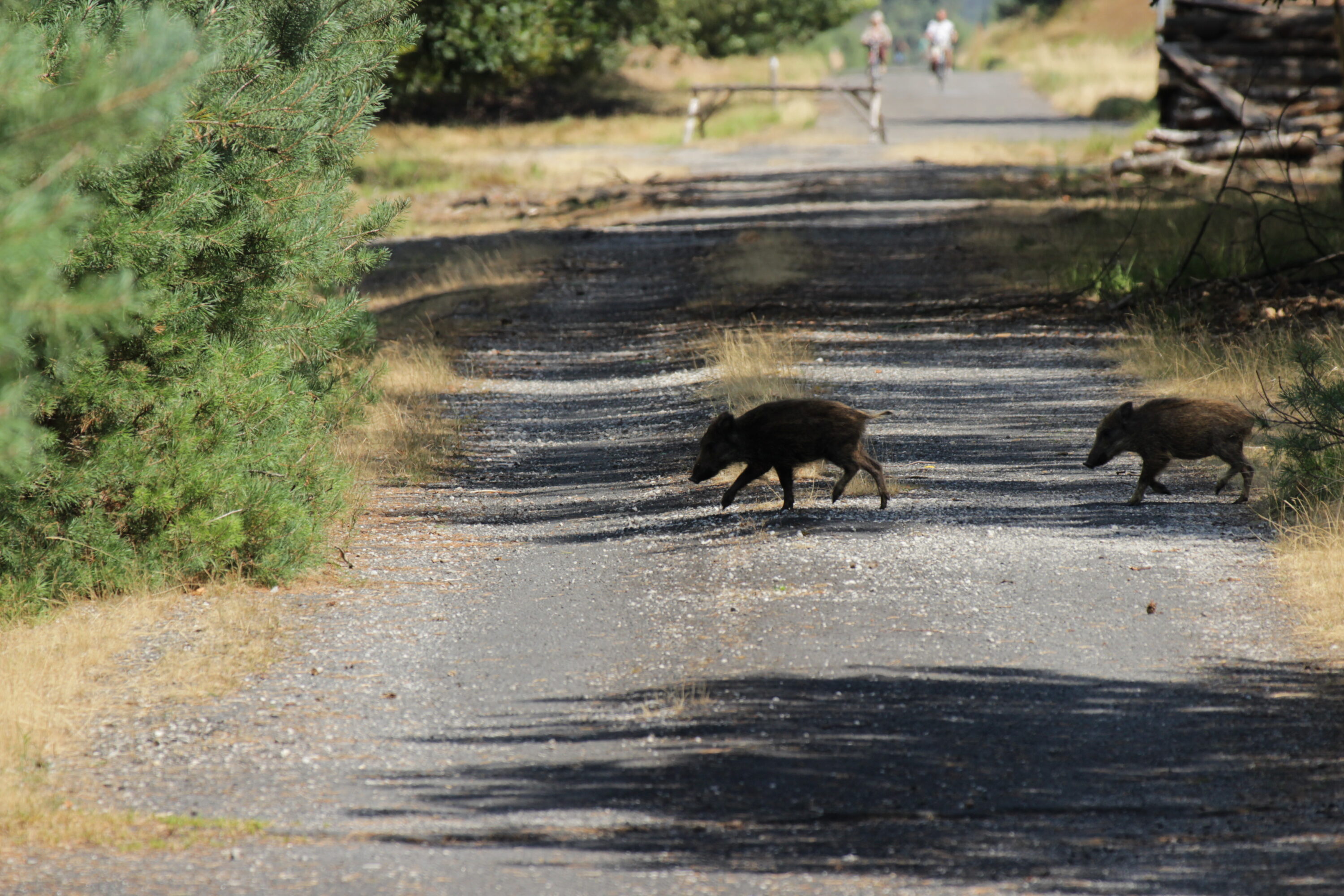
Copper levels in wild boar differed across Slovak districts
An analysis of kidney, liver and muscle from 147 wild boar in four districts found that iron and…
Read story →SPECIES IN THIS STORY
Species in this story
Independent research and conservation news archive
Did you find this information useful?
Wildlife Vagabond is independently built and maintained. Voluntary support helps cover source verification, hosting and continued work on research and conservation news.
Support Wildlife VagabondThe news archive will remain freely available.