
Tree sparrow feathers differ more by body region than by elevation
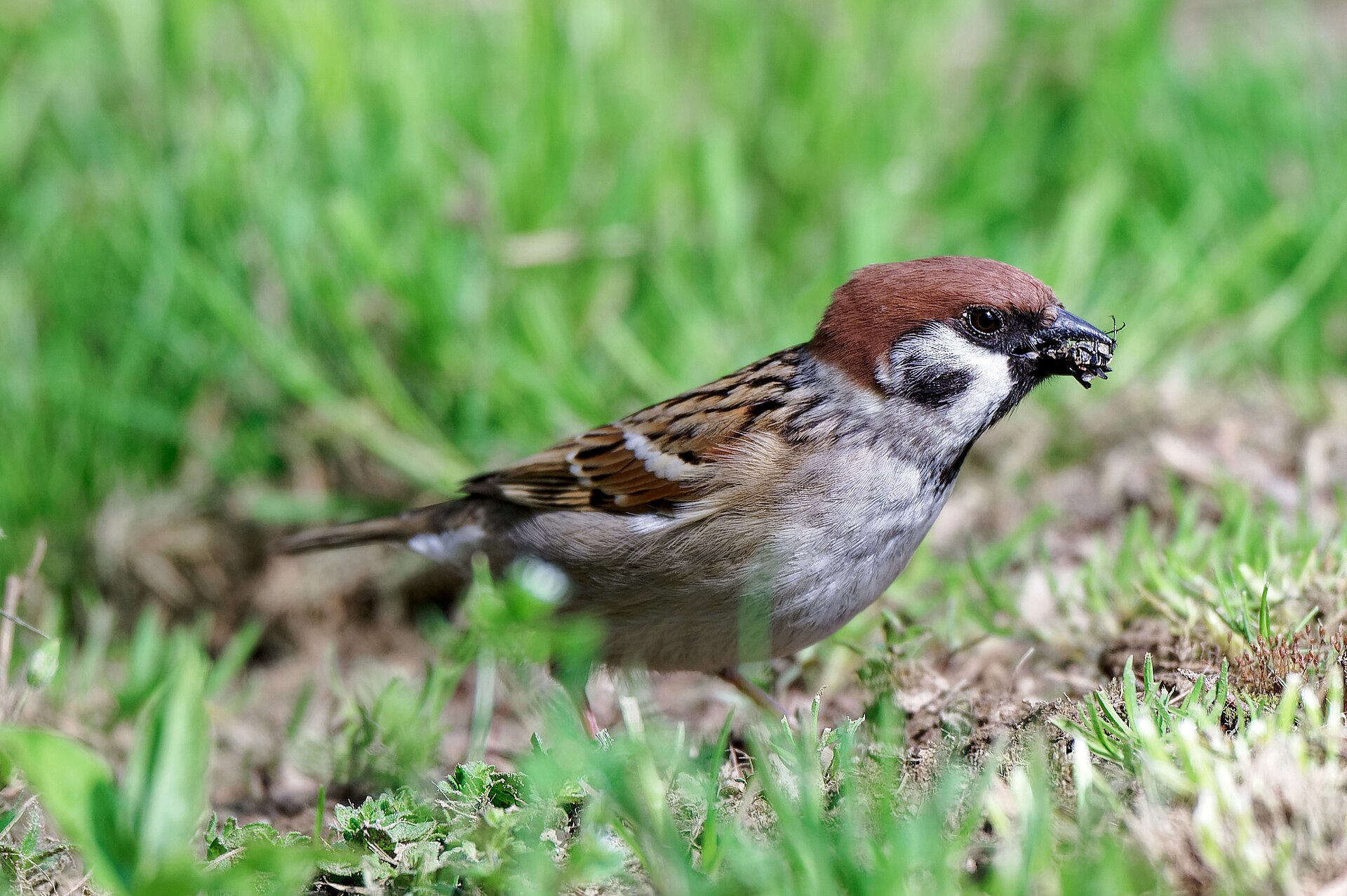
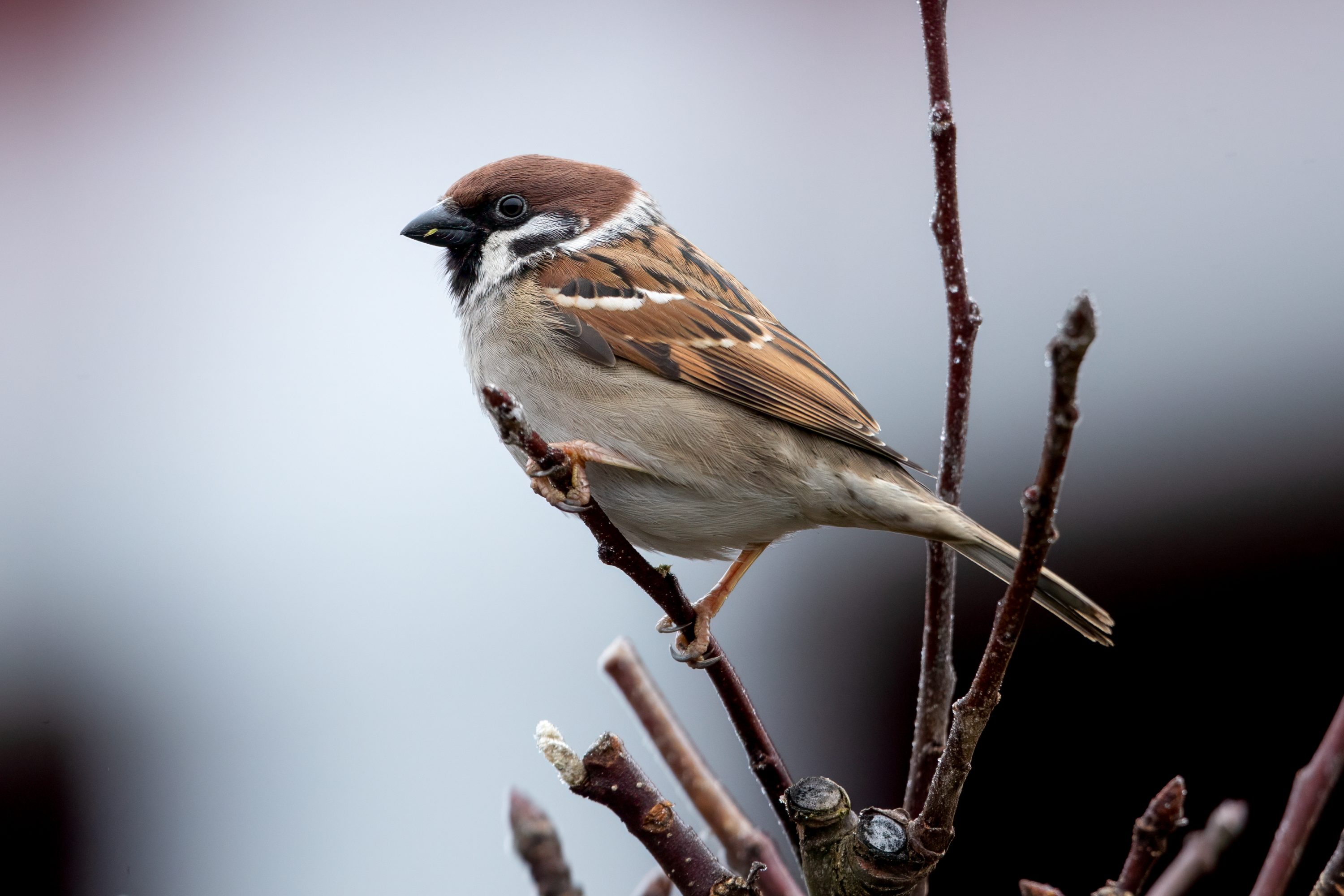
Feathers from different parts of the body differed more clearly than feathers from high- and low-altitude sites in a small study of Eurasian Tree Sparrows (Passer montanus) in China. Researchers examined feathers from the back, breast, wings and tail of four adult birds at each site. They found distinct regional patterns in feather structure, while most measured traits did not differ clearly between the two samples.
The birds came from Jiangxigou Town in Qinghai Province, at 3,230 metres, and the suburbs of Shijiazhuang in Hebei Province, at 80 metres. The researchers used electron-microscope images to examine tiny feather structures. With only four birds from each site, the results offer an exploratory comparison, not a definitive account of differences between populations.
Flight feathers and body feathers had different structures
Tail and wing feathers had more hamuli—tiny hooks that help neighbouring feather branches hold together—and longer barbules than back and breast feathers. Barbules are fine branches extending from the larger branches of a feather. Their density showed the opposite pattern: breast feathers had the most barbules per unit length of feather barb, followed by back, wing and tail feathers. Barbules were longest in tail feathers, followed by wing and back feathers, and shortest in breast feathers.
Back and breast feathers also have downy barbules with small nodes separated by segments. These dimensions can influence the spacing and structure of a feather’s downy layer, which helps trap air, although this study did not test insulation directly. By contrast, the more numerous hooks and longer barbules in wing and tail feathers are part of the structure that holds a feather’s flat surface together during flight.
Comparing the two sites
The study found no clear differences between sites in hamuli number, barbule length or barbule density. The paper also reports some differences in smaller interlocking and downy structures, but its detailed results and conclusions are inconsistent on those comparisons.
To compare breast-feather material, the researchers heated samples and tracked how the material broke down. Feathers are made mainly of keratin, a structural protein. The broad decomposition profiles were similar between the two sites, showing no major difference in how the keratin-rich material broke down when heated. This test compared the thermal breakdown of feather material; it did not measure how well the feathers keep a living bird warm.
Anatomy & morphology
Related news
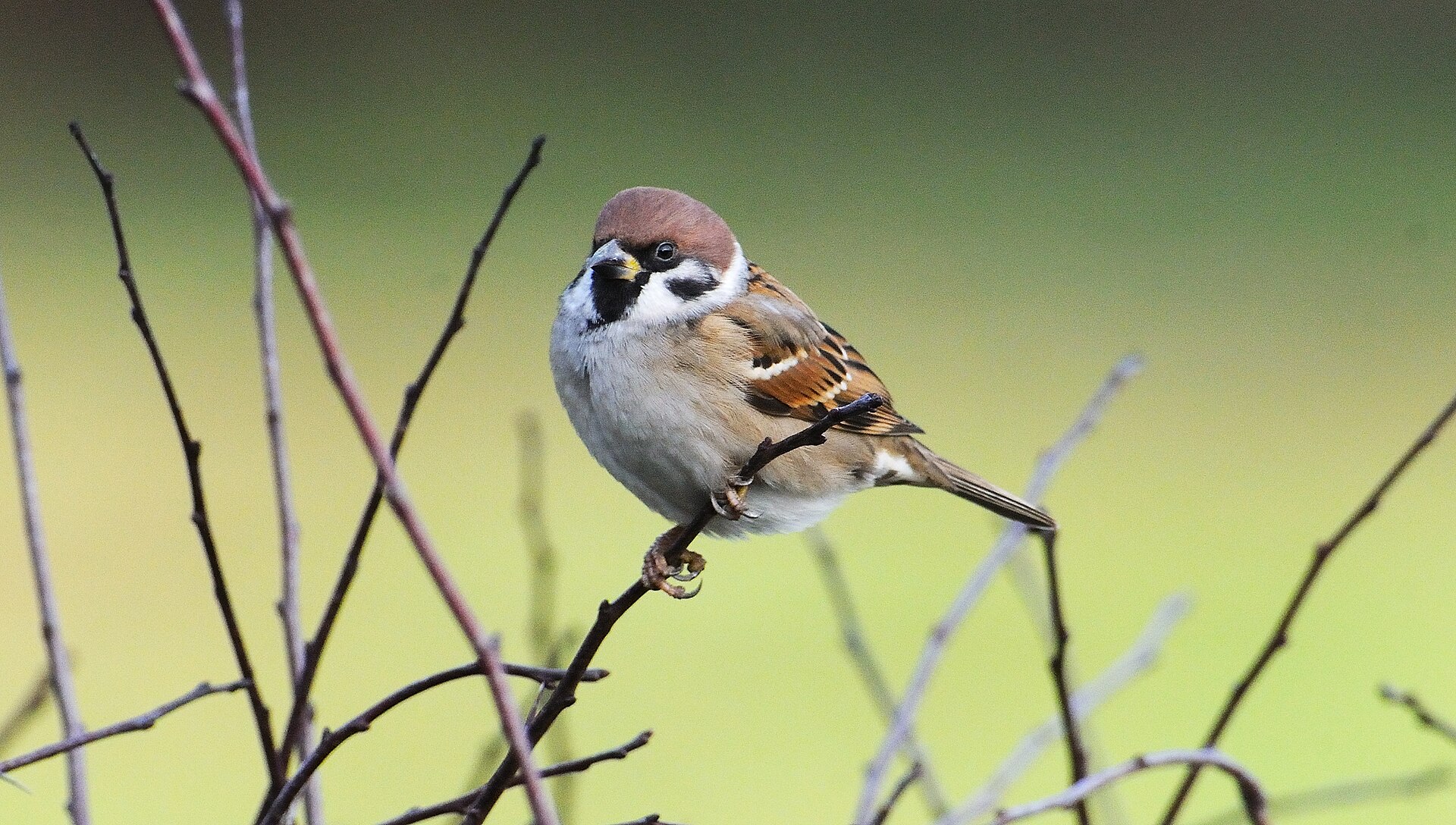
Urban tree sparrows sang at higher frequencies—and differed in hearing and brain measures
In Shijiazhuang, China, urban Eurasian tree sparrows sang at higher frequencies and greater intensity than rural birds. The…
Read story →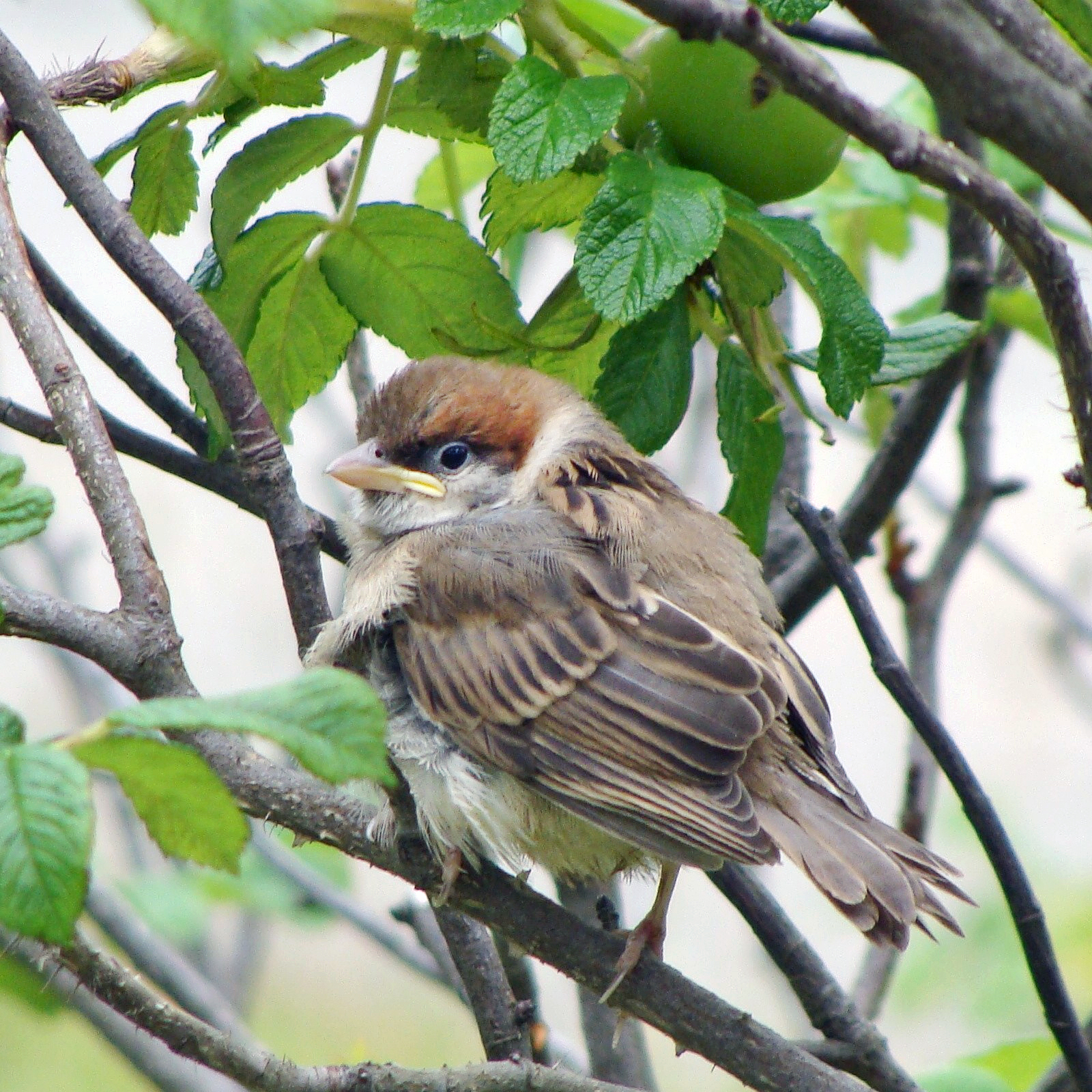
Ground Beetles Dominated the Diet of Eurasian Tree Sparrow Chicks
DNA metabarcoding of 59 faecal samples from Eurasian tree sparrow chicks at three sites in southern England detected…
Read story →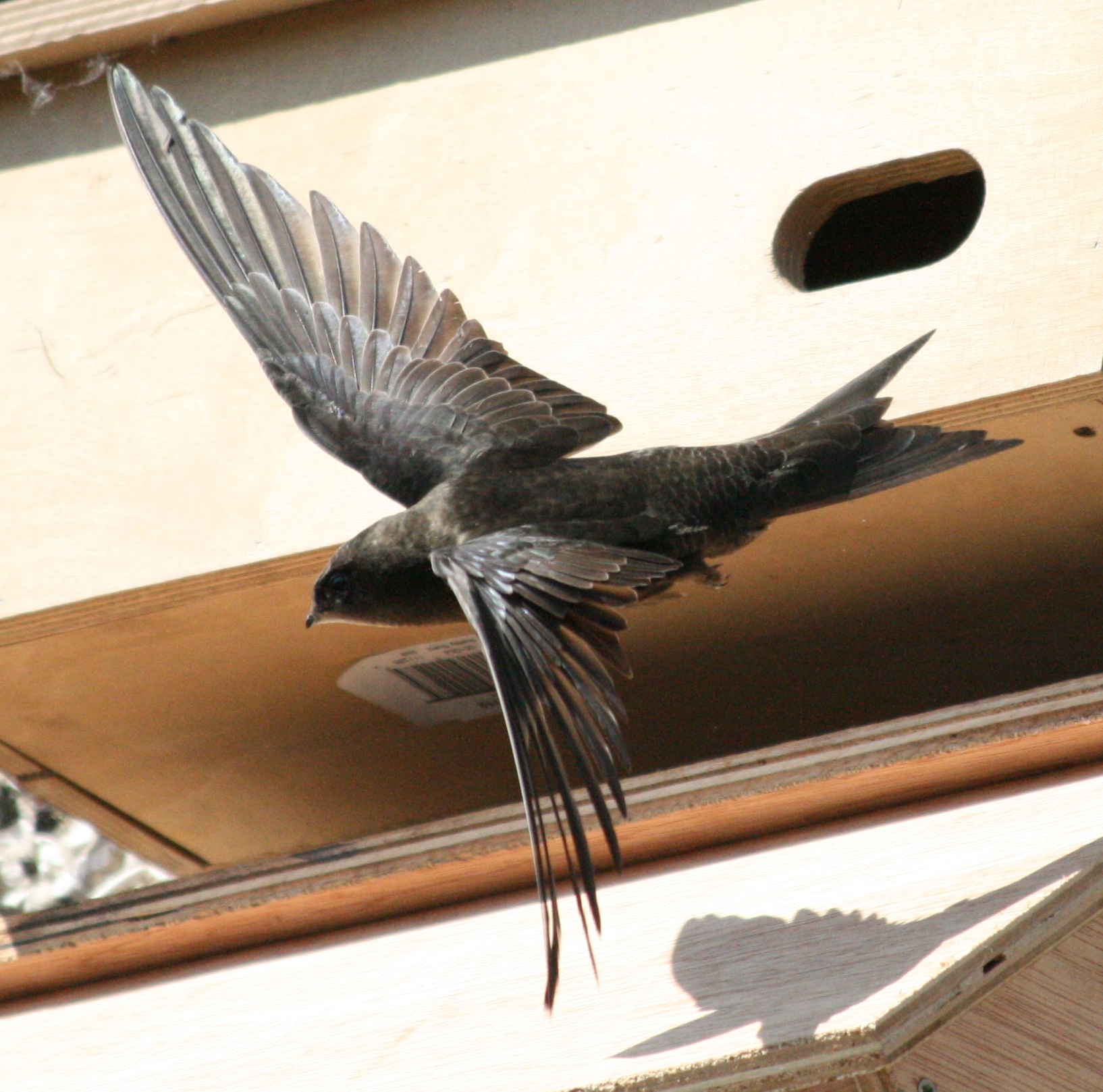
2023 Survey Found Eurasian Tree Sparrows in 7.8% of a Beijing Swift Tower’s Usable Boxes
A 2023 breeding-season survey found Eurasian tree sparrows in 137 of 1,763 usable boxes in a Beijing tower…
Read story →SPECIES IN THIS STORY
Species in this story
Independent research and conservation news archive
Did you find this information useful?
Wildlife Vagabond is independently built and maintained. Voluntary support helps cover source verification, hosting and continued work on research and conservation news.
Support Wildlife VagabondThe news archive will remain freely available.