
Urban tree sparrows sang at higher frequencies—and differed in hearing and brain measures
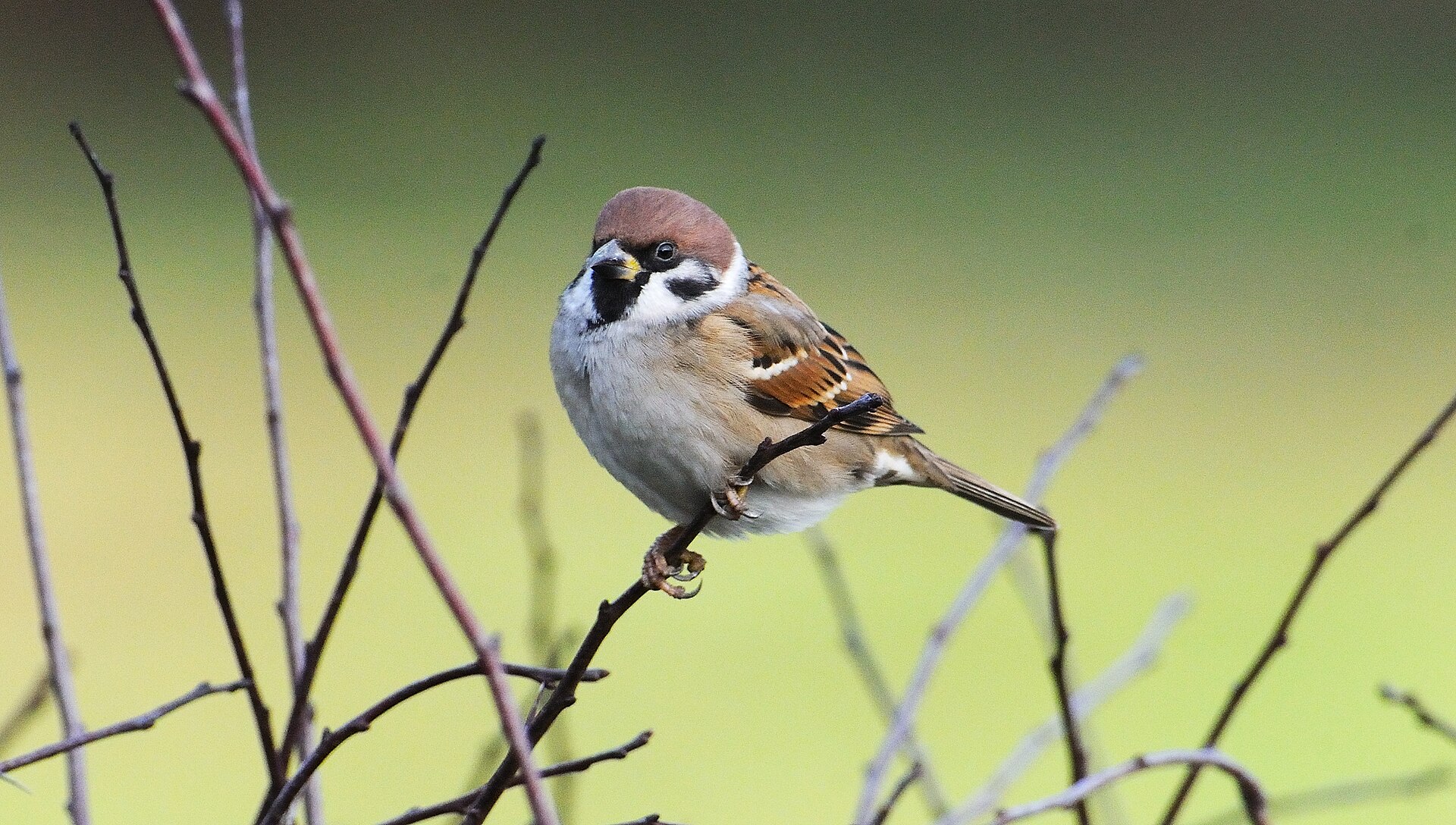
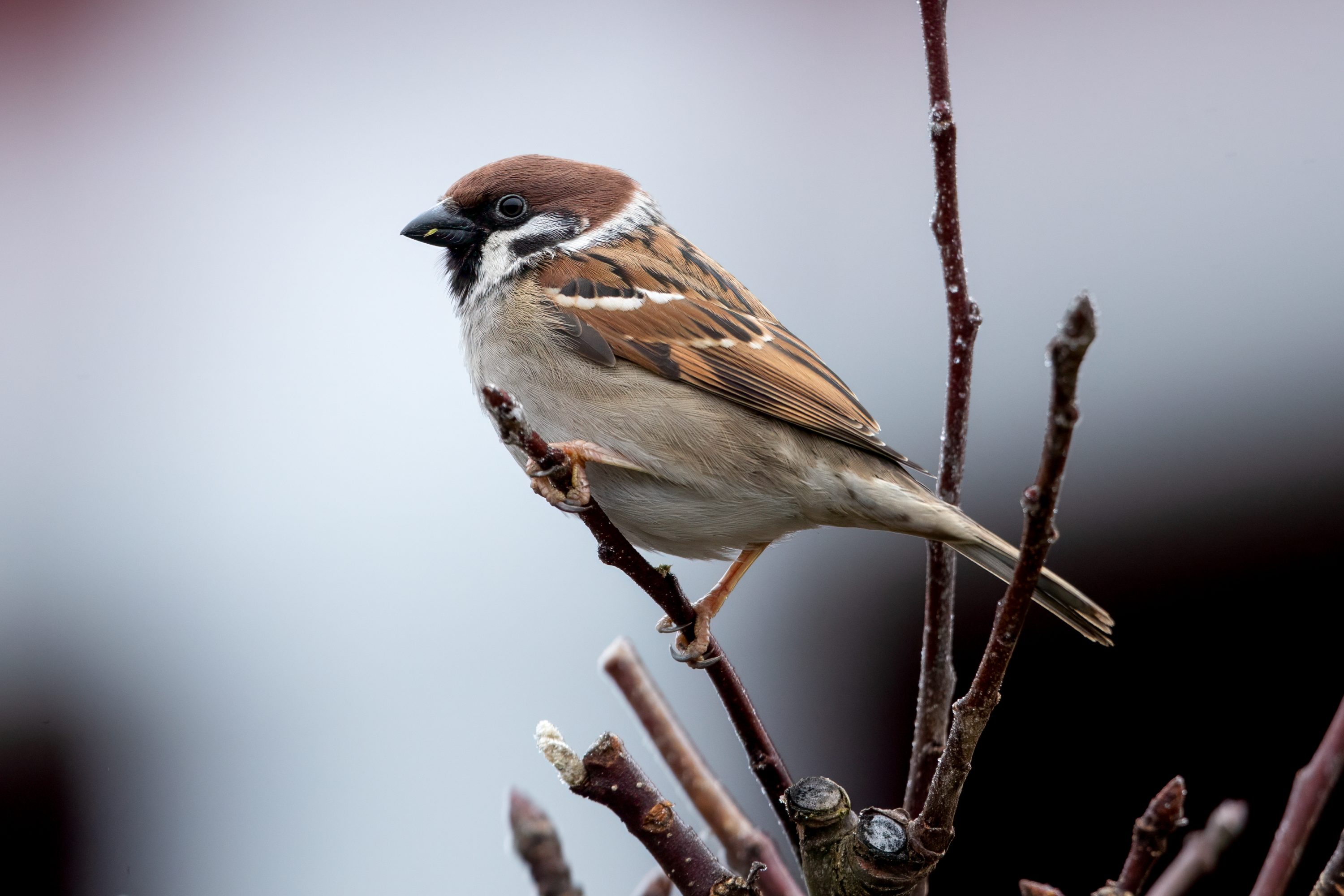
Birdsong depends on more than the sound a bird produces: another bird must also detect and process it. A comparison of urban and rural Eurasian tree sparrows (Passer montanus) in Shijiazhuang, China, found differences on both sides of that exchange. Urban birds sang at higher frequencies and greater intensity, and they also differed in several measurements related to hearing and the brain. The study was published on 21 November 2026 in Communications Biology.
The researchers compared recordings from 111 recording events, covering 1,352 syllables, with auditory, anatomical and brain measurements from birds at the same sites. The comparison brings together several parts of acoustic communication, but it does not establish that noise itself caused the differences.
Urban songs were higher and louder
The urban and rural repertoires contained 25 and 26 syllable types, respectively, with only eight types shared between them. Overall, urban birds’ songs had higher minimum, maximum and peak frequencies, as well as greater intensity. The frequency bandwidth—the span between the lowest and highest frequencies—did not differ between the groups. Among the syllables both groups shared, the frequency and intensity differences depended on the syllable type rather than following one uniform pattern.
The authors interpret the higher-frequency and higher-intensity songs as consistent with possible vocal compensation in noisier habitat. That interpretation fits the idea that signals may differ between noisy and quieter surroundings, but the study did not test whether the songs were easier for other birds to hear or improved communication.
Hearing-related differences were selective
Measurements of auditory brainstem responses, or ABRs, showed broadly similar amplitudes in urban and rural birds. The urban birds had lower responses at three particular frequency-and-volume combinations: 1,000 Hz at 45 dB, 3,000 Hz at 65 dB, and 7,000 Hz at 70 dB. The pattern was therefore selective, not a general reduction across all the tested conditions.
Urban birds also had smaller black ear spots and ear openings. Their cochlear hair cells appeared sparser and less regularly arranged. These anatomical differences occurred alongside the ABR results, but the study did not show that one caused the other. Nor were the ABRs behavioral tests of how birds perceive songs.
Fewer newly generated brain cells in urban birds
The researchers found fewer proliferating cells, immature neurons and newly generated mature neurons in both the lateral ventricle and the caudomedial nidopallium (NCM) of urban birds. These measurements concern adult neurogenesis: the production of new neurons in the adult brain. They show a difference between the sampled urban and rural birds, but do not establish what produced it or how it affects song or hearing.
Protein analysis of the NCM detected 5,077 proteins, 221 of which differed in abundance between the groups: 109 were higher and 112 lower in urban birds. The results implicated stress responses, synaptic structure and plasticity, and neuronal development. Among the proteins highlighted in the authors’ interaction-network analysis, brain-derived neurotrophic factor (BDNF), neurofilament light chain (NEFL) and proteolipid protein 1 (PLP1) were higher in urban birds; epidermal growth factor receptor (EGFR) and caspase 3 (CASP3) were lower. These are differences in measured protein abundance, not evidence that the proteins caused the auditory or neural differences.
Because the study compared two populations in the field, urban noise cannot be separated from other city conditions. The results also cannot distinguish inherited differences from changes shaped by the birds’ environments. They reveal a set of song, auditory and neural differences occurring together in these Shijiazhuang populations, rather than a demonstrated chain of cause and effect.
Ecology
Related news
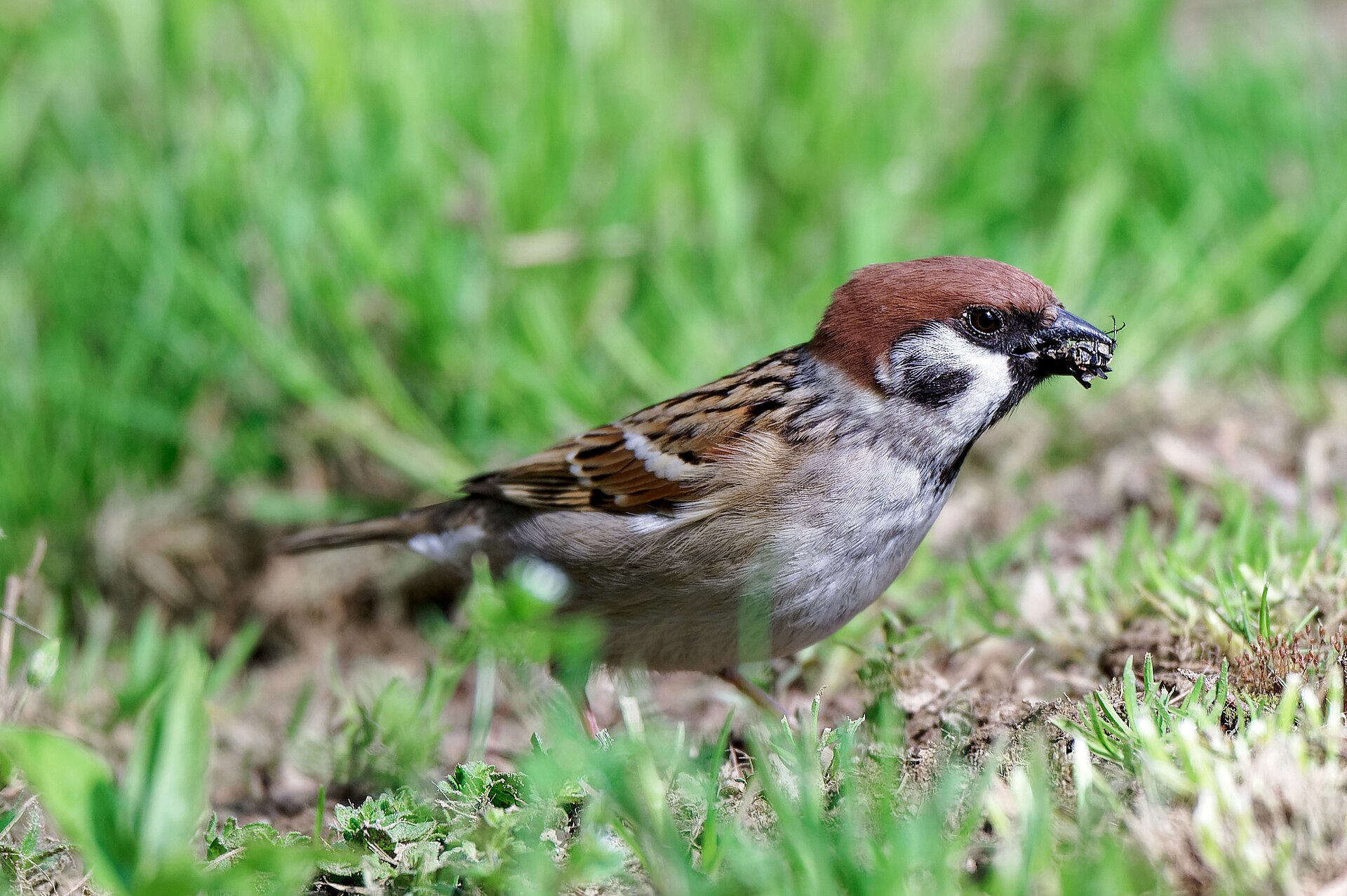
Tree sparrow feathers differ more by body region than by elevation
A study of wild Eurasian Tree Sparrows in China found strong differences among feathers from the back, breast,…
Read story →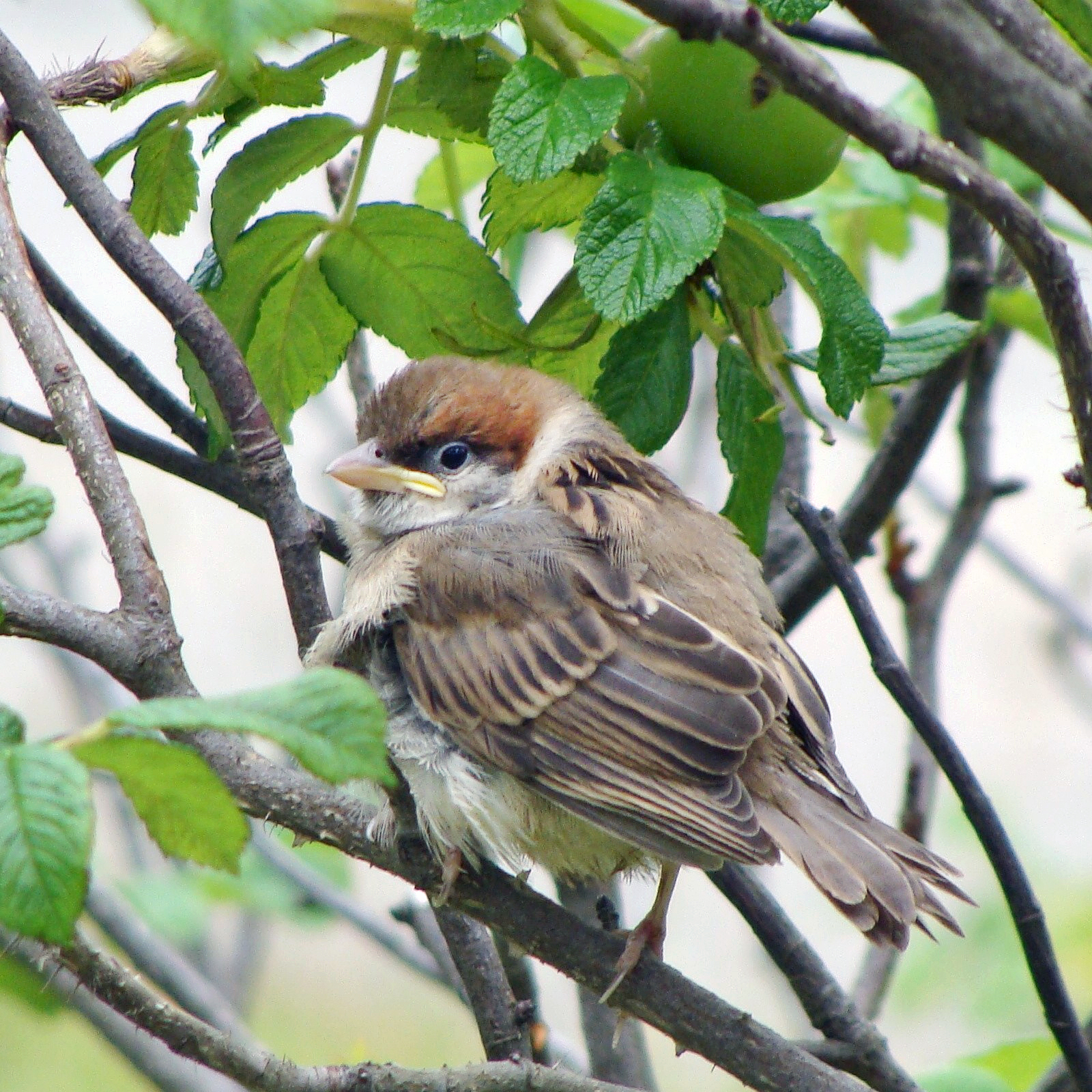
Ground Beetles Dominated the Diet of Eurasian Tree Sparrow Chicks
DNA metabarcoding of 59 faecal samples from Eurasian tree sparrow chicks at three sites in southern England detected…
Read story →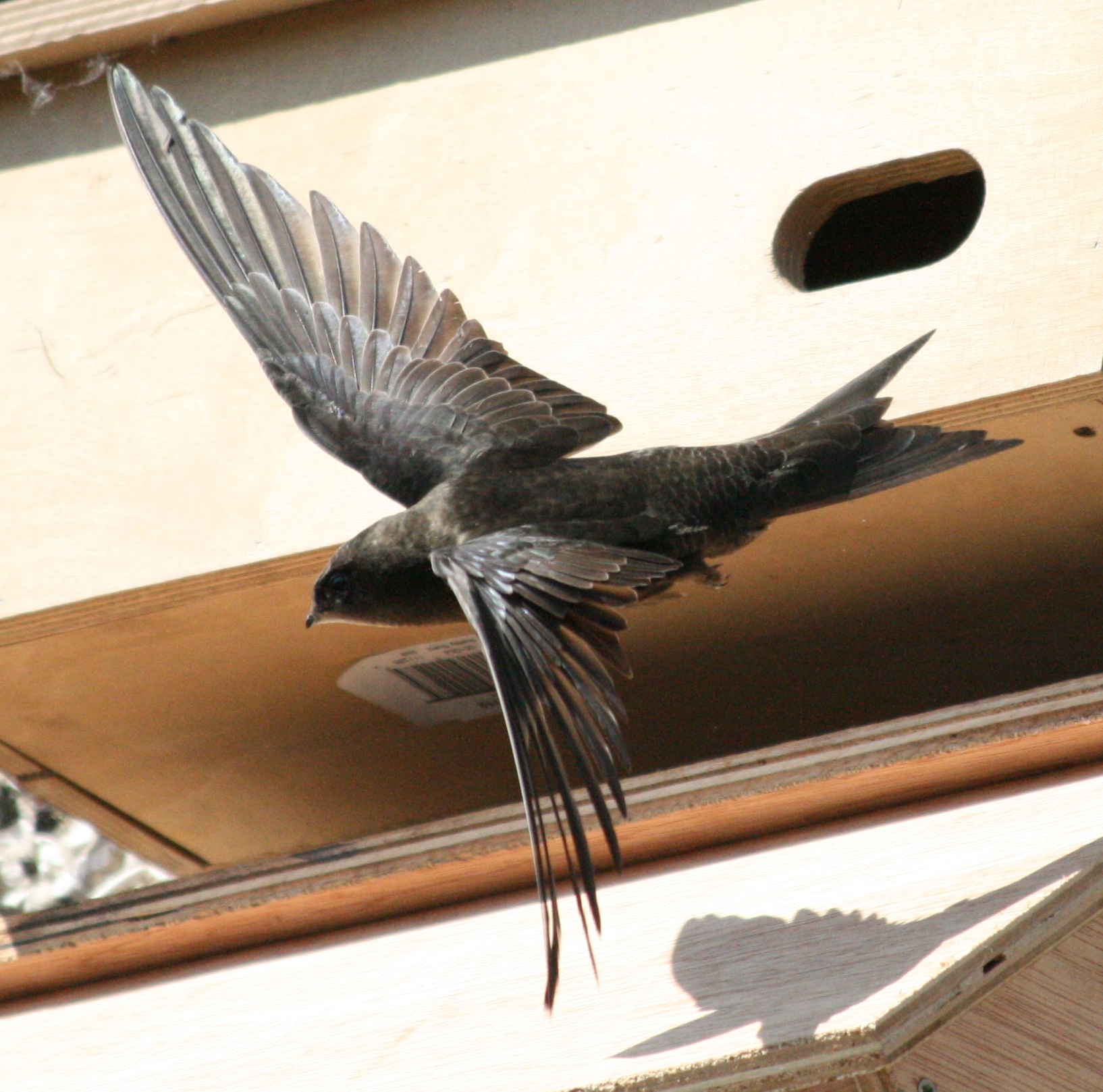
2023 Survey Found Eurasian Tree Sparrows in 7.8% of a Beijing Swift Tower’s Usable Boxes
A 2023 breeding-season survey found Eurasian tree sparrows in 137 of 1,763 usable boxes in a Beijing tower…
Read story →SPECIES IN THIS STORY
Species in this story
Independent research and conservation news archive
Did you find this information useful?
Wildlife Vagabond is independently built and maintained. Voluntary support helps cover source verification, hosting and continued work on research and conservation news.
Support Wildlife VagabondThe news archive will remain freely available.