
Trichinella Was Detected in 597 of 43,228 Wild Boar Carcasses in Bulgaria
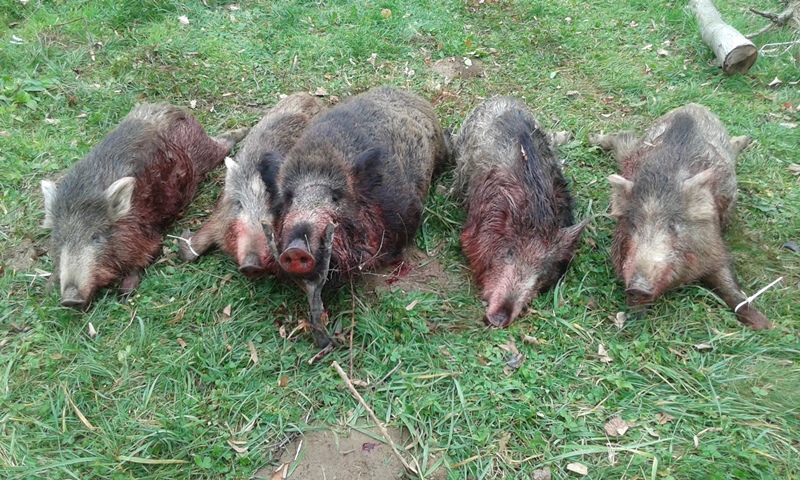
A five-season survey of wild boar (Sus scrofa) in Bulgaria found Trichinella larvae in 597 of 43,228 carcasses examined between October 2020 and February 2025. The animals had been taken during regular hunting seasons and muscle samples were tested by artificial digestion.
Trichinella are parasitic nematodes whose larvae can persist in muscle tissue. Wild boar help maintain the parasites in nature and are also relevant to human health because people can acquire trichinellosis by eating raw or undercooked infected meat.
Most identified infections were T. britovi
Larvae from 238 positive animals were suitable for submission to the European Union Reference Laboratory for Parasites for species identification. Multiplex PCR identified Trichinella britovi in 186 of these isolates. Species identification failed in the remaining 52 because DNA recovery was insufficient, so the study cannot exclude other Trichinella species among the untyped positive samples.
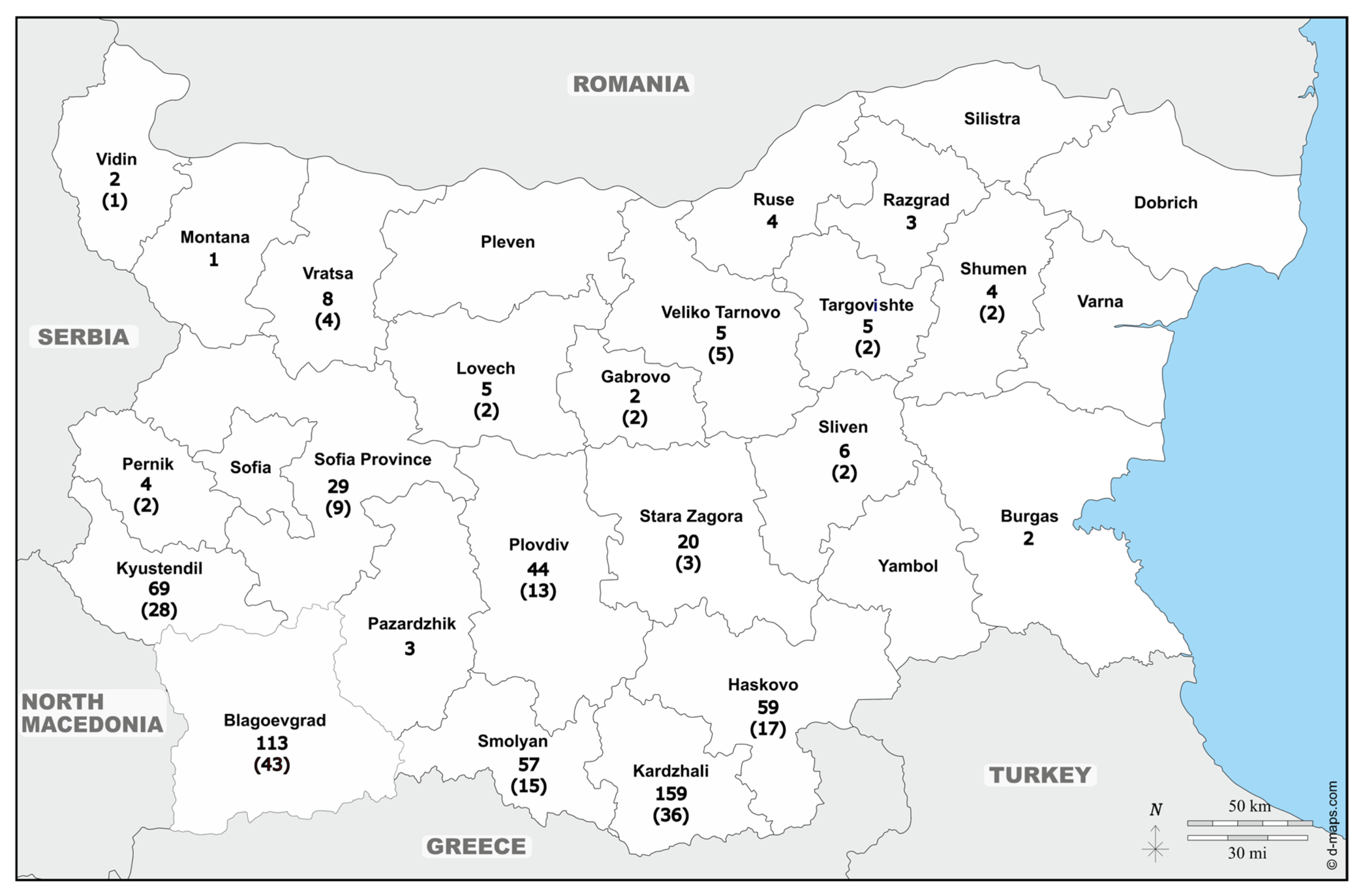
Most positive wild boar came from southern Bulgaria
The positive carcasses were strongly concentrated in southern Bulgaria: 558 of the 597 infected wild boar came from southern regions, compared with 39 from the north. The authors note that the study did not directly test whether wildlife population dynamics or the presence of other reservoir hosts explained this geographical pattern.
T. britovi was the only species successfully identified in the 2020–2025 material, consistent with earlier Bulgarian records. Among 261 wild boar isolates identified between 2000 and 2024, 253 (97%) were T. britovi, seven were T. spiralis and one was T. pseudospiralis. The newer survey therefore reinforces the long-term dominance of T. britovi without showing that other species have disappeared. The study also underlines the food-safety relevance of surveillance because trichinellosis can be transmitted to people through raw or undercooked infected meat.
Disease, parasites & microbiology
Related news
Maps Show Where Wild Boar Could Thrive and Spread on Jeju Island
Researchers mapped potentially suitable wild-boar habitat across roughly 36% of Jeju Island and identified eight possible corridors linking…
Read story →
Roe Deer and Wild Boar Remained Key Wolf Prey as Diet Shifted Across North-western Italy
From 2021 to 2025, wolves in north-western Italy continued to feed mainly on wild prey. In the Po…
Read story →
Copper levels in wild boar differed across Slovak districts
An analysis of kidney, liver and muscle from 147 wild boar in four districts found that iron and…
Read story →SPECIES IN THIS STORY
Species in this story
Independent research and conservation news archive
Did you find this information useful?
Wildlife Vagabond is independently built and maintained. Voluntary support helps cover source verification, hosting and continued work on research and conservation news.
Support Wildlife VagabondThe news archive will remain freely available.