
Two Bunting Hosts Mainly Used an Egg Template to Recognise Foreign Eggs
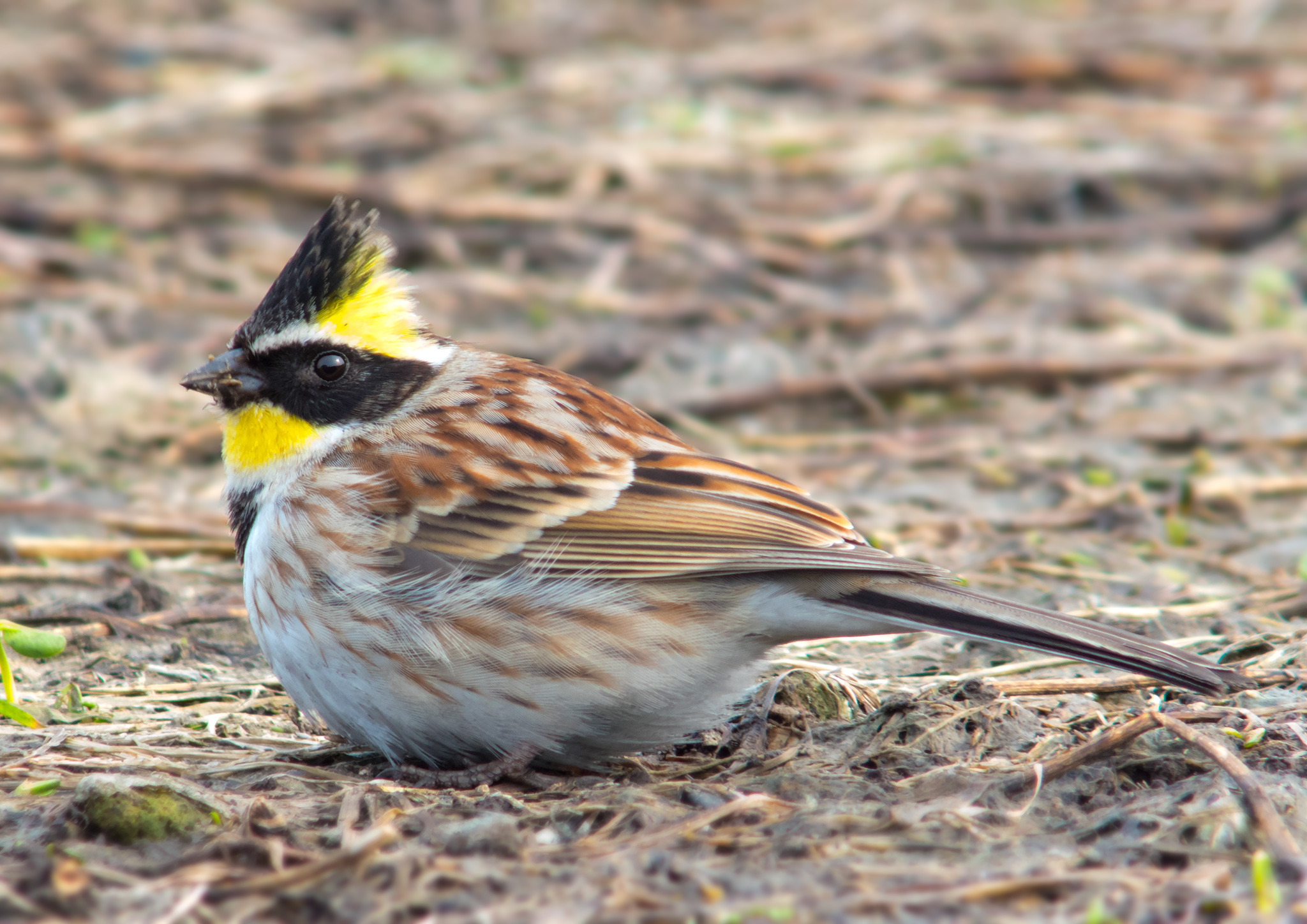
Two potential hosts of the common cuckoo (Cuculus canorus) mainly recognised foreign eggs by comparing them with a learned or internal representation of their own eggs, rather than simply rejecting whichever egg looked different from the majority in the nest. The study in China of Godlewski’s bunting (Emberiza godlewskii) and yellow-throated bunting (Emberiza elegans) was published on 15 May 2026.
The two buntings breed sympatrically and both have strong abilities to recognise foreign eggs. Researchers tested how they made these decisions by adding several kinds of eggs to nests: conspicuous red model eggs, white budgerigar (Melopsittacus undulatus) eggs, eggs of the other bunting species and eggs from conspecifics. They also varied the ratio between host and foreign eggs. This manipulation was central to distinguishing the two mechanisms: if a bird mainly rejects whichever egg is the odd one out, changing which egg type forms the majority should alter its decision; if it relies on an internal template of its own eggs, the decision should depend less on the current majority in the clutch.
Both species mainly relied on template-based recognition
The experiments supported template-based recognition in both buntings. Under this mechanism, a bird judges an unfamiliar egg against a mental reference for what its own eggs should look like. This differs from recognition by discordancy, in which the bird mainly identifies the odd-looking egg by comparing the eggs currently present in the clutch.
The strength of the response depended on how similar the foreign egg was to the host’s own eggs. When the difference was large, the buntings retained strong rejection ability. When foreign and host eggs were more similar, however, rejection rates declined as the number and proportion of host eggs in the nest decreased.
Repeated cuckoo laying could make difficult decisions harder
The authors use this result to discuss repeated egg-laying by cuckoos. If several parasitic eggs are added and the number of host eggs becomes relatively small, a closely mimicking foreign egg may become harder to judge correctly even for a host that normally relies on an internal egg template. They therefore suggest that repeated laying could, under some conditions, increase the chance that parasitic eggs are accepted.
At the same time, the two bunting species are only rarely parasitised by common cuckoos. The authors relate this to their strong egg-recognition abilities together with constraints such as cuckoo population density and the reproductive costs and benefits of repeatedly targeting the same host system.
Behaviour
Related news
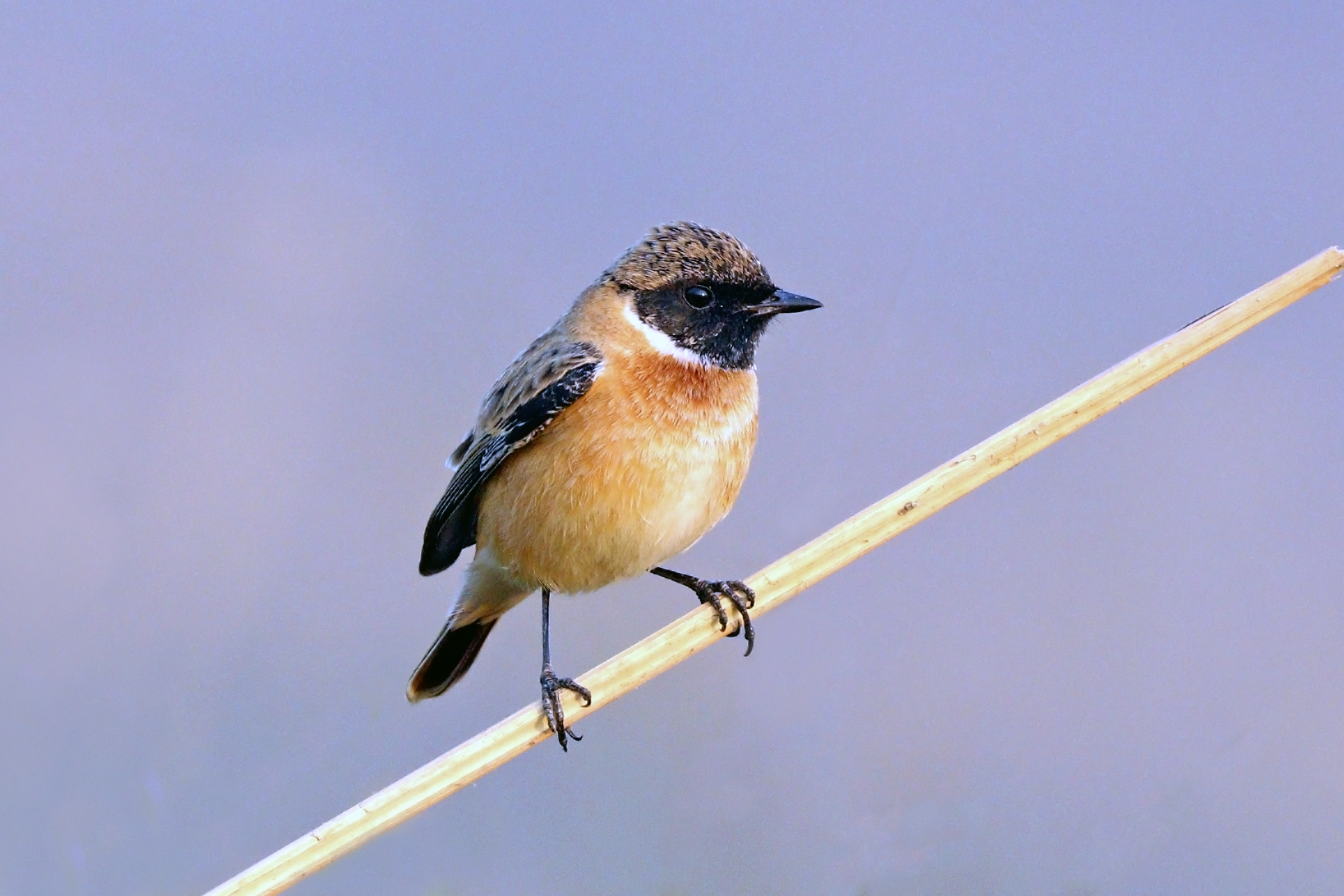
Egg Rejection Did Not Clearly Increase After Cuckoo Arrival in Two Host Species
Grey bushchats and Siberian stonechats showed no clear increase in foreign-egg rejection after common cuckoos arrived. The result…
Read story →
Cuckoos Use Two Different Strategies to Lay Eggs in Redstart Nests
Video from Finnish redstart nest boxes provides the first direct evidence that common cuckoos use two egg-laying strategies,…
Read story →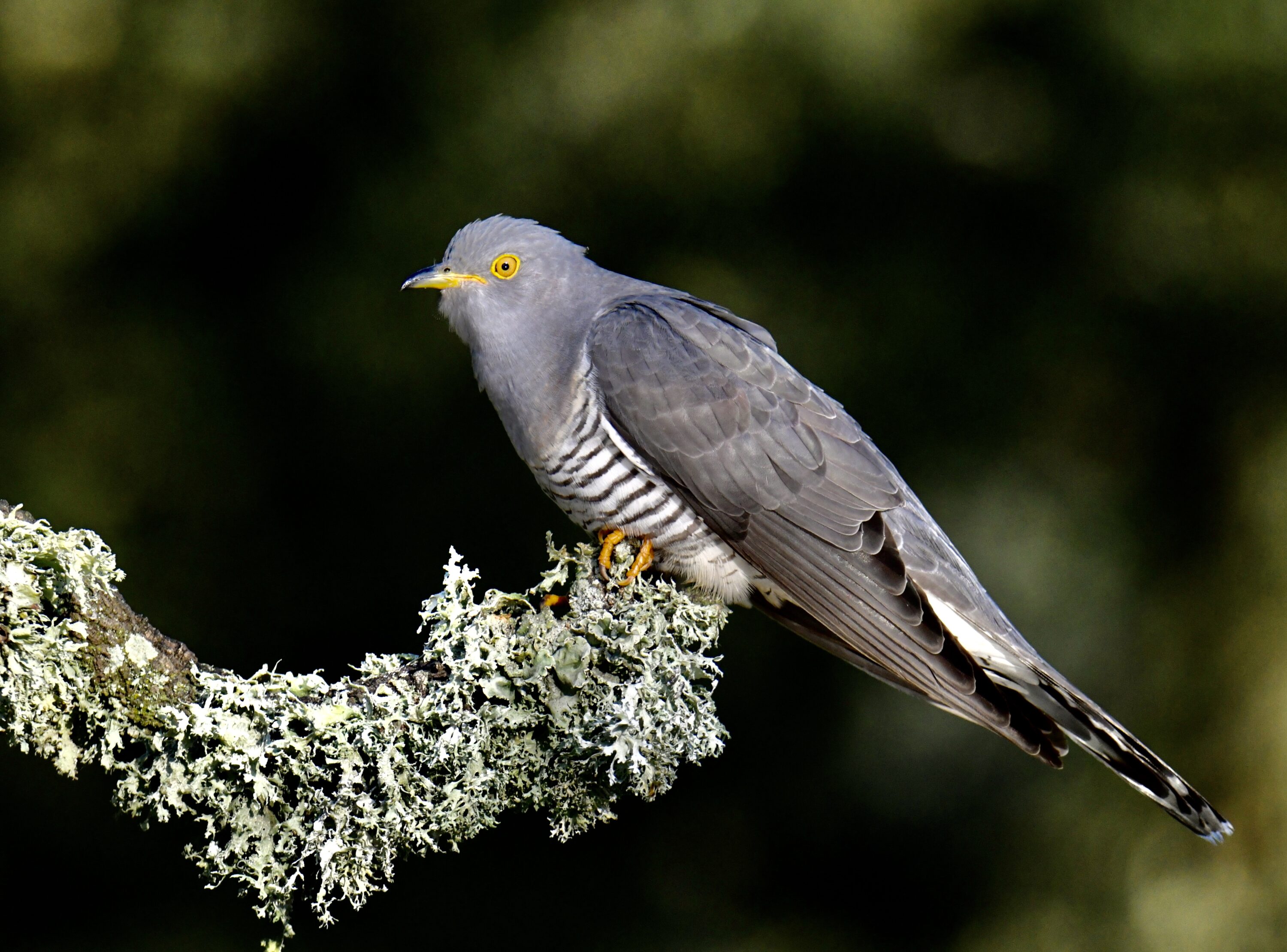
Models Highlighted Iberian Mountains and the Po Watershed as Key Stopover Regions for UK Common Cuckoos
Models based on satellite tracks from 88 UK-breeding male common cuckoos highlighted Iberian mountain ranges and the Po…
Read story →SPECIES IN THIS STORY
Species in this story

Independent research and conservation news archive
Did you find this information useful?
Wildlife Vagabond is independently built and maintained. Voluntary support helps cover source verification, hosting and continued work on research and conservation news.
Support Wildlife VagabondThe news archive will remain freely available.