
Two Tapeworms Caused a Massive Co-Infection in a Polish Moose
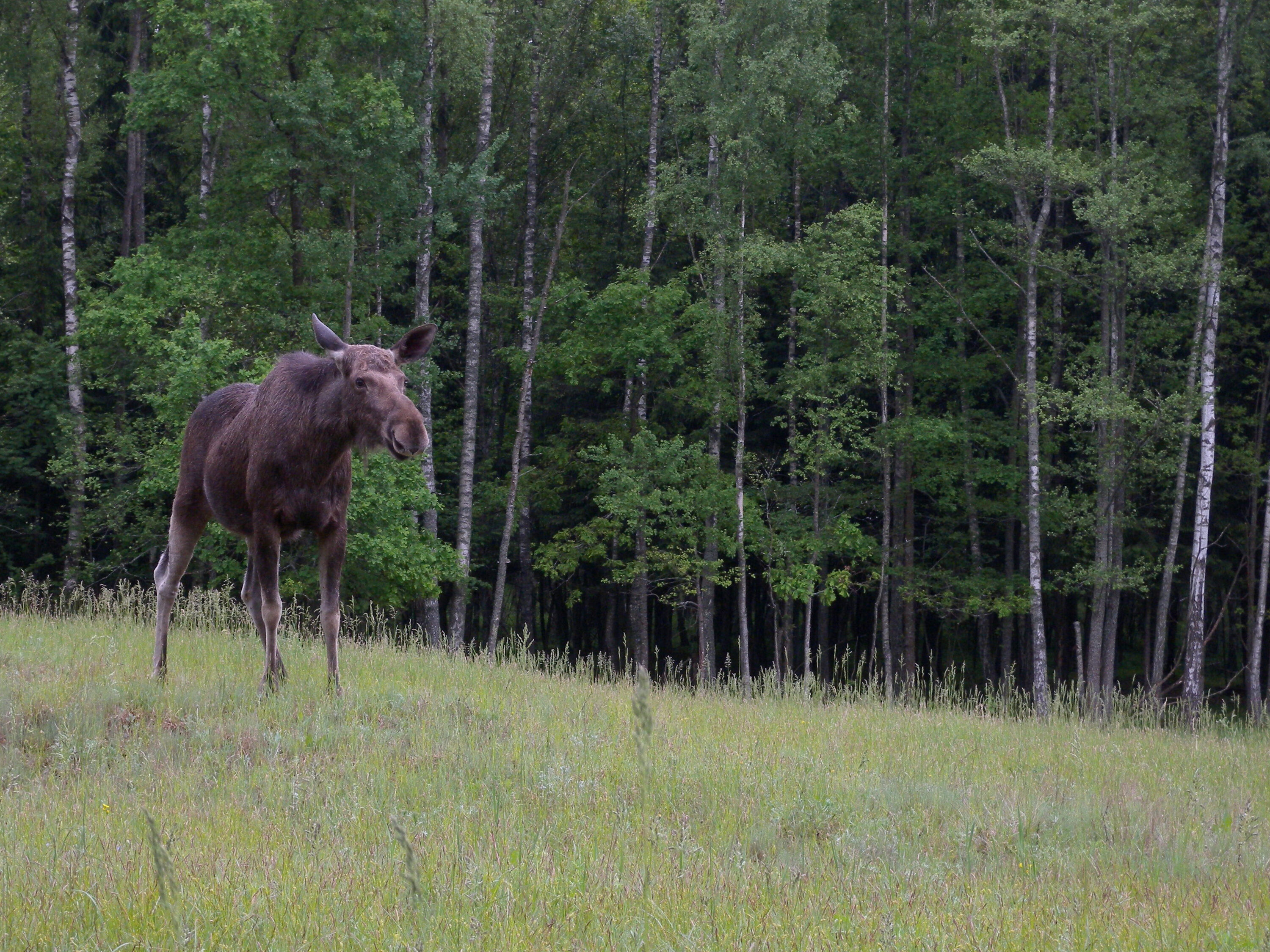
A severely undernourished moose (Alces alces) found in northeastern Poland carried massive larval infections from two different tapeworms. Both parasites cycle between carnivores, which harbour adult worms and shed eggs, and ungulates such as moose, where swallowed eggs develop into larval cysts in the body. Molecular analysis identified the parasites as Taenia hydatigena and Echinococcus canadensis genotype G8, making the case a rare documented co-infection in a free-ranging moose.
Cysts throughout several organs
The animal was a four-year-old male discovered in poor condition in the Biebrza valley. During the necropsy, researchers found numerous cysts in both the abdominal and chest cavities. Cysticerci — larval cysts of T. hydatigena — covered abdominal membranes around the intestines and also occurred in the liver and pleura. Hydatid cysts, the larval form of E. canadensis G8, were present in the lungs and liver.
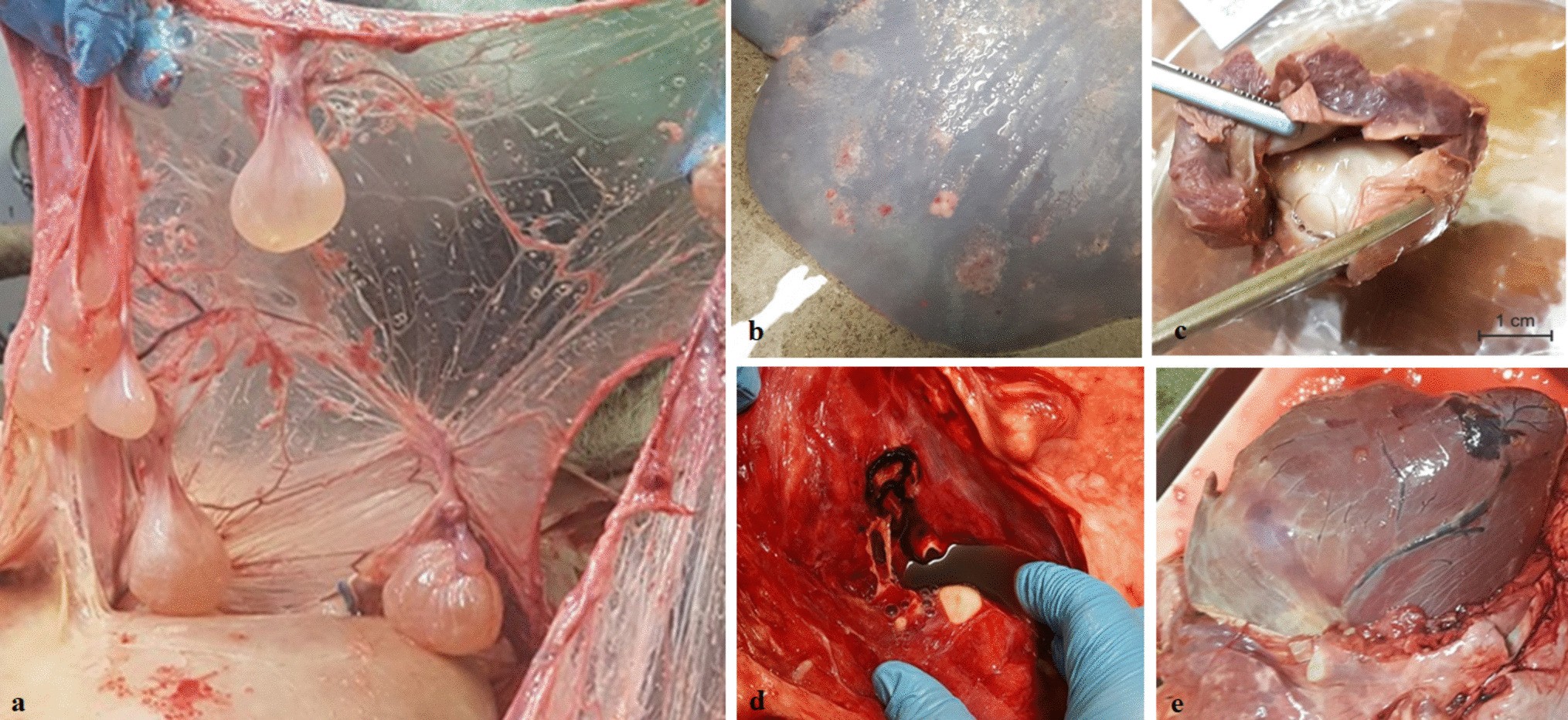
The examination also revealed signs of liver degeneration and interstitial pneumonia, meaning inflammation in the tissue between the lung’s air spaces. Changes around the heart included an enlarged right ventricle and gelatinous infiltrates on the pericardium. The exact number of parasites could not be determined, but the researchers described the burden as massive and concluded that it probably contributed to the animal’s poor condition and death.
DNA confirmed both species
Appearance alone was not used for the final identification. The team extracted DNA from the larvae and analysed mitochondrial gene fragments. The sequences were compared with reference material in GenBank to identify the parasites and place them among known genetic lineages.
The T. hydatigena sequences closely matched isolates previously obtained from wild and domestic animals across Europe, Asia and Africa. The E. canadensis sequences were almost identical to G8 material from moose and carnivores in Poland, Estonia, Finland and North America.
The source remains unknown
The moose may have become infected by swallowing tapeworm eggs contaminating soil or vegetation. However, the study could not establish whether the heavy burden came from one large exposure or from repeated infections accumulated over several years.
Wolves are important final hosts for E. canadensis G8, and previously analysed material from a Polish wolf had mitochondrial sequences identical to those recovered from this moose. That resemblance makes wolves one possible source, but it does not identify the individual transmission event. Domestic dogs can also participate in these tapeworm cycles. Because dogs are far more numerous than wolves, the authors note that they may contribute substantially to environmental contamination with tapeworm eggs, especially where raw offal is improperly discarded or stray dogs have access to infected tissues.
Available records from Poland are too fragmentary to show the true prevalence of either parasite. The authors argue that this massive co-infection nevertheless indicates environmental contamination with infective stages and that wider surveillance is needed to establish parasite occurrence and infection risk where wildlife and domestic animals overlap. The brief report was published in Parasitology Research on 6 May 2026.
Disease, parasites & microbiology
Related news
Arctic Moose Follow the River Valleys
GPS tracking in Alaska showed that half of 24 female moose migrated between summer and winter ranges. Migrants…
Read story →
Thermal Drones Found Nearly All Moose in Favourable Winter Weather
Swedish trials found detection close to 100% in cold, overcast winter conditions, but the survey effort needed for…
Read story →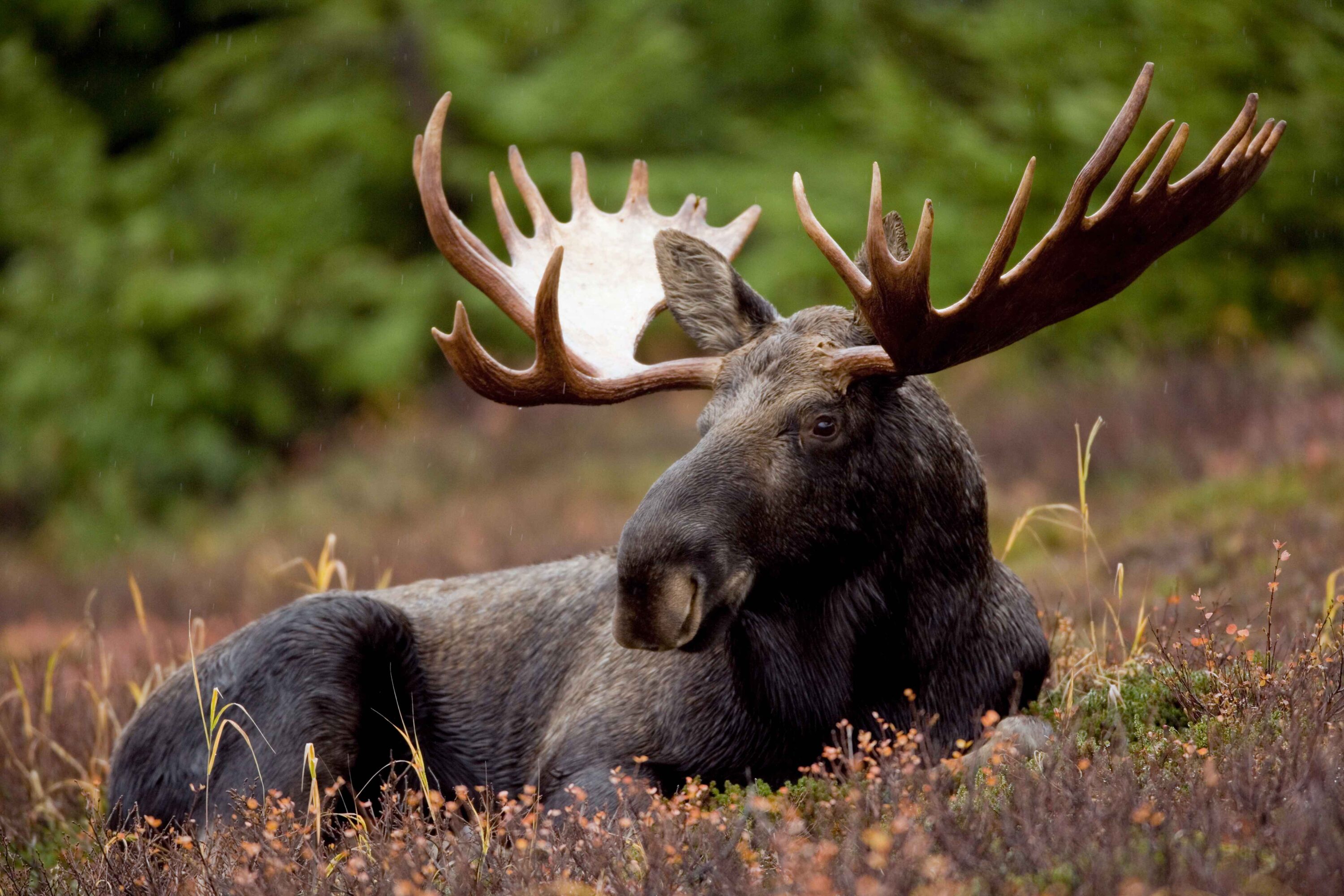
Even Adirondack Park’s Densest Moose Area Was Too Sparse for Precise Aerial Estimates
Helicopter surveys estimated about 92 moose in the Adirondack core in 2024 and 112 in 2025, but broad…
Read story →SPECIES IN THIS STORY
Species in this story
Independent research and conservation news archive
Did you find this information useful?
Wildlife Vagabond is independently built and maintained. Voluntary support helps cover source verification, hosting and continued work on research and conservation news.
Support Wildlife VagabondThe news archive will remain freely available.