
Reproductive Indices Fell in Green-winged Teal and Eurasian Wigeon in Long-Term UK Wing Records
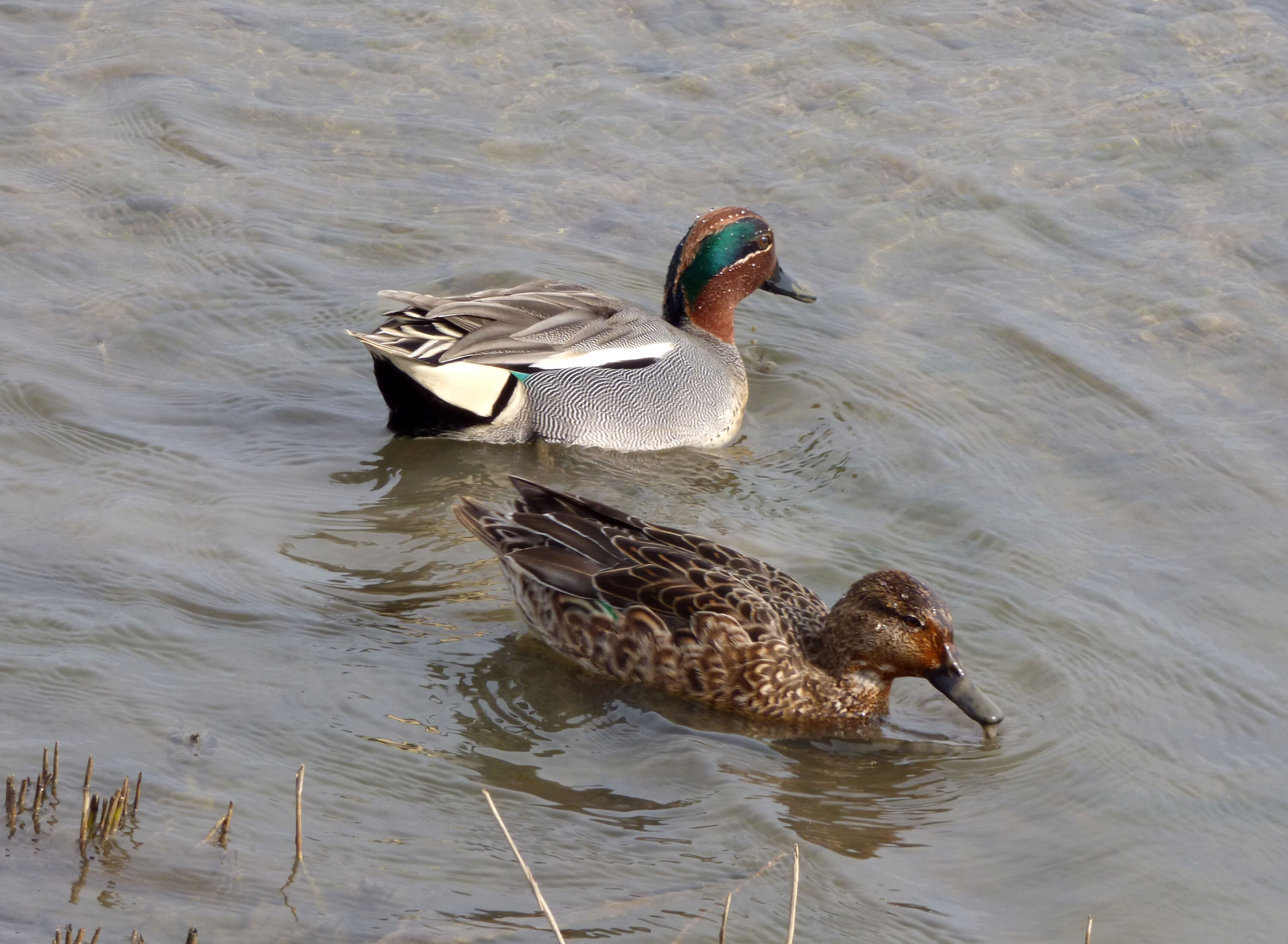
A long-term UK wing survey found marked demographic changes in harvested green-winged teal (Anas crecca) and Eurasian wigeon (Mareca penelope). Hunters submitted wings that allowed researchers to determine age and sex, providing a demographic sample from the harvested birds between the 1987/88 and 2024/25 hunting seasons.
The study period spans 37 years, but the series was not continuous: no wings were collected from 2002/03 through 2016/17. The authors use the harvested sample as a proxy for demographic changes in the wider populations, rather than treating the wing records as direct counts of breeding success or total population size.
The reproductive index fell in both species
For green-winged teal, the reproductive index — juveniles per adult female in the wing sample — declined and was about half its earlier level by the end of the study. The proportion of females among adult teal also declined.
Eurasian wigeon showed the same two broad demographic changes. The proportion of adult females declined, while the reproductive index fell by about one third over the study period.
The demographic signals did not mirror flyway counts
The trends in the UK harvested sample did not simply follow the overall wintering-population trajectories. The northwest European wintering population of green-winged teal has increased over the long term even while the UK reproductive index and adult-female proportion declined. Eurasian wigeon, meanwhile, experienced a substantial wintering-population decline during the past decade but had begun to increase again by the time of the study.
The authors argue that age and sex ratios can therefore reveal demographic changes that total winter counts alone may not show. They call for coordinated long-term monitoring across migratory flyways so that harvest management can take both population size and demographic structure into account.
Population & status
Related news
Seven overlaps linked wild-bird H5 clusters with poultry outbreaks in the US
Across seven periods between 2022 and 2025, clusters of H5 detections in wild waterfowl overlapped in time and…
Read story →
Mallard Population Growth Was Lower in Years With Longer Growing Seasons at Higher Latitudes
Across 38 years of western boreal survey data, annual mallard population growth was lower in years with longer…
Read story →
Study Mapped Green-winged Teal Lung Architecture From Bronchi to Air Capillaries
A 2026 study of 20 adult Green-winged Teal combined dissection, corrosion casts, histology and scanning electron microscopy to…
Read story →SPECIES IN THIS STORY
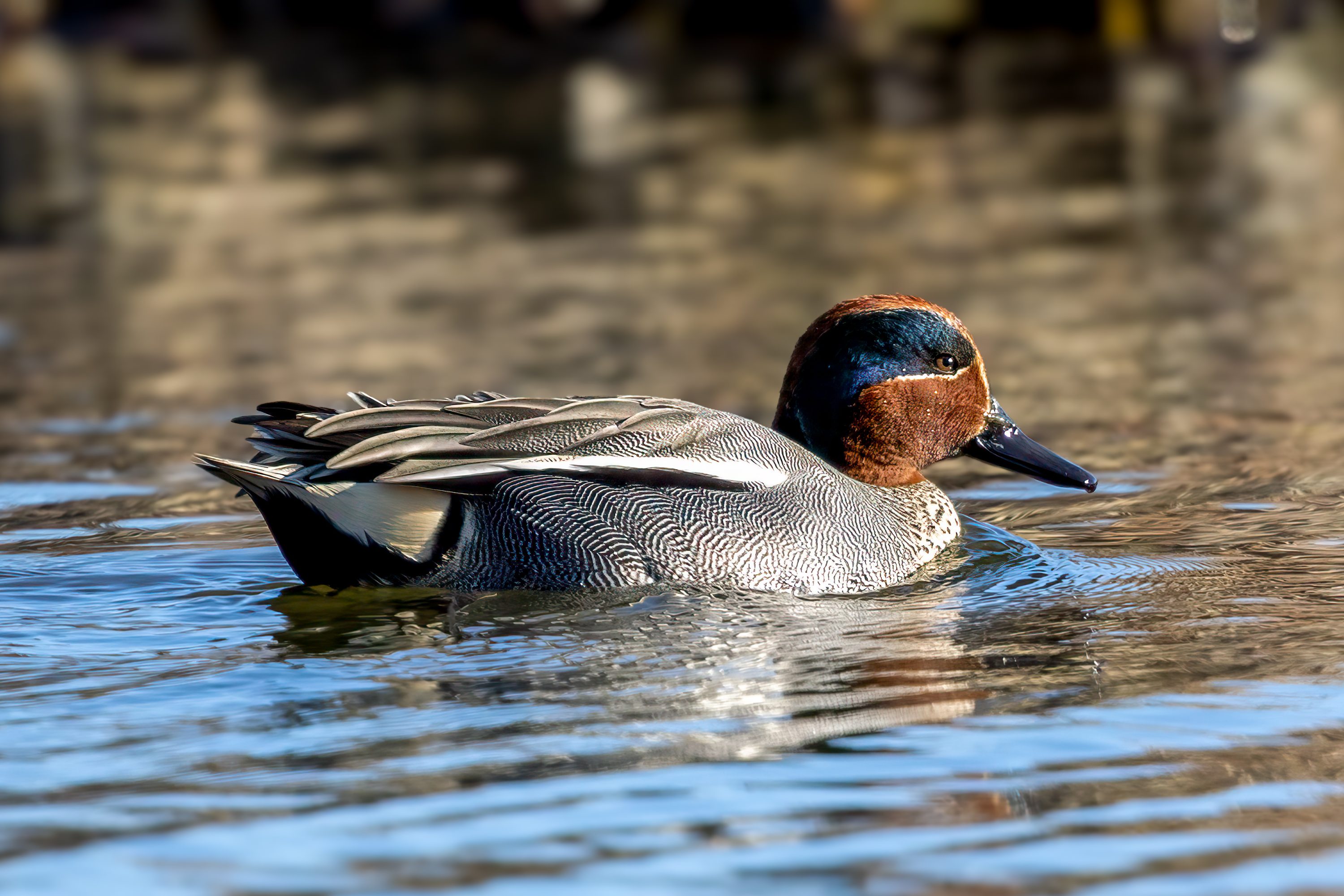
Species in this story
Independent research and conservation news archive
Did you find this information useful?
Wildlife Vagabond is independently built and maintained. Voluntary support helps cover source verification, hosting and continued work on research and conservation news.
Support Wildlife VagabondThe news archive will remain freely available.