
Usutu-Infected Blackbird Brains Showed Strong Activation of Programmed Cell Death
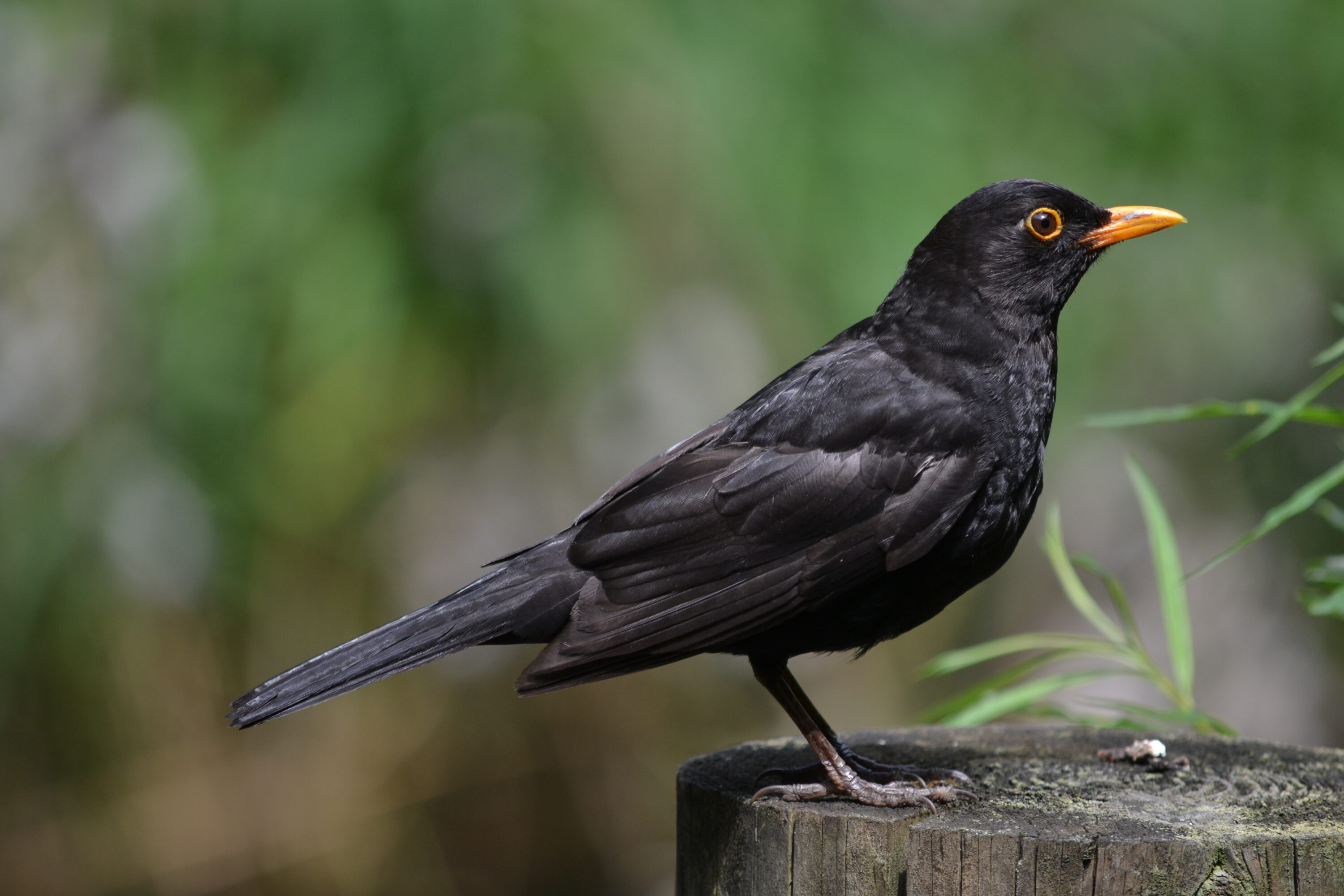
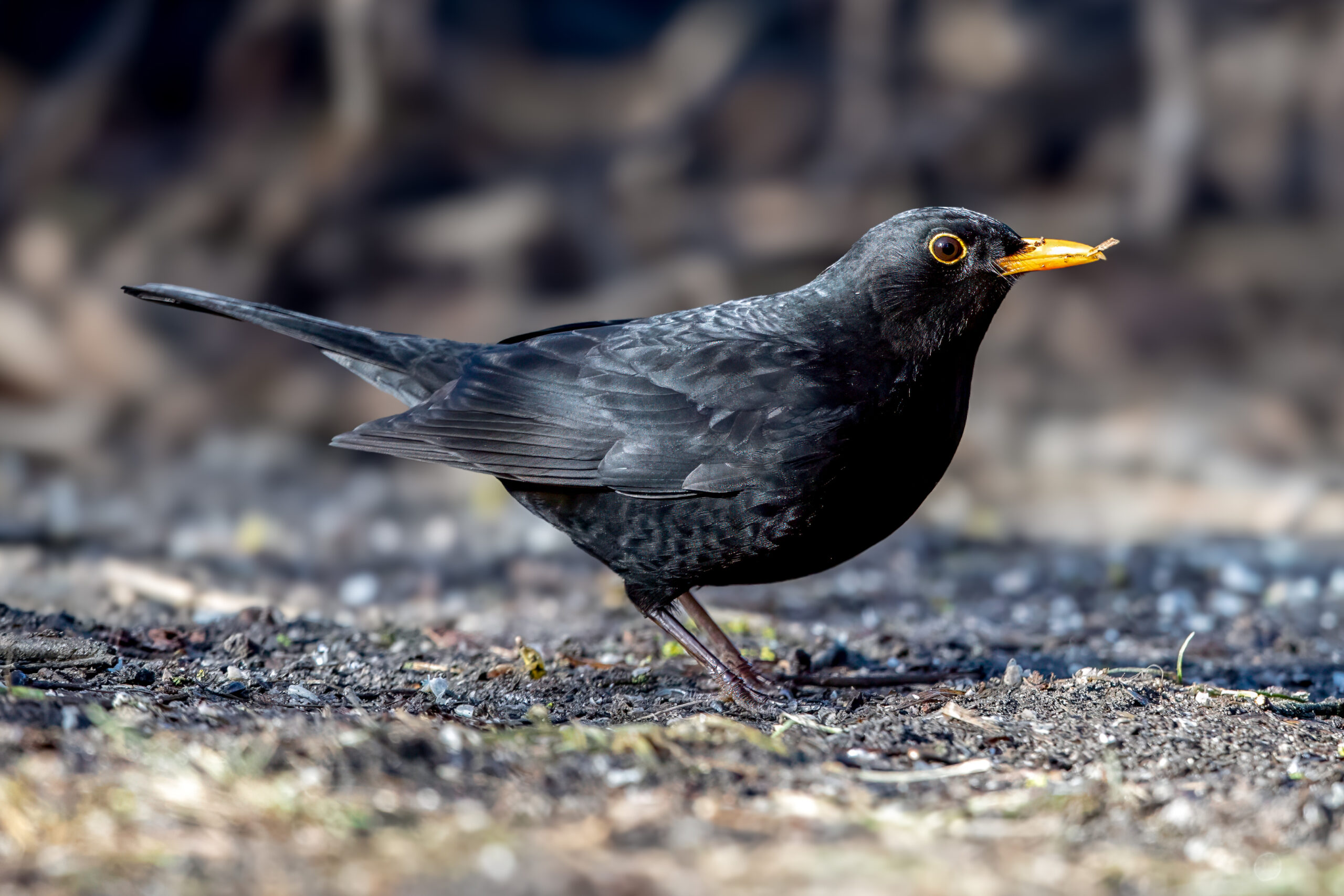
Brains from naturally infected Eurasian blackbirds (Turdus merula) showed strong activation of programmed cell death during Usutu virus infection. A study published in the Journal of NeuroVirology on 2 March 2026 found evidence for both major apoptosis pathways, with the extrinsic pathway showing the stronger response.
Usutu virus is a mosquito-borne flavivirus that circulates mainly between birds and mosquitoes. Eurasian blackbirds are particularly susceptible to severe disease, including inflammation and damage in the central nervous system. The study examined molecular processes involved in that brain damage in naturally infected birds.
Apoptosis is a controlled form of programmed cell death. Its intrinsic pathway begins with damaging signals inside the cell, including mitochondrial damage, and activates caspase 9. The extrinsic pathway begins with external death signals acting through receptors on the cell surface and activates caspase 8. Both routes can then activate caspase 3, one of the enzymes that carries out the final dismantling of the cell.
Infected and Uninfected Blackbird Brains Were Compared
The researchers compared brain tissue from 26 blackbirds infected with Usutu virus and 16 uninfected birds submitted to the Dutch Wildlife Health Centre. Both the Africa 3 and Europe 3 virus lineages were represented among the infected birds. In brain tissue they looked for cleaved caspase-3, which shows that caspase 3 has been activated, and used a TUNEL assay to detect the fragmented DNA characteristic of apoptosis. They also measured expression of caspase 8 and caspase 9 to compare activation of the extrinsic and intrinsic pathways.
Infected Birds Showed Much More Apoptosis
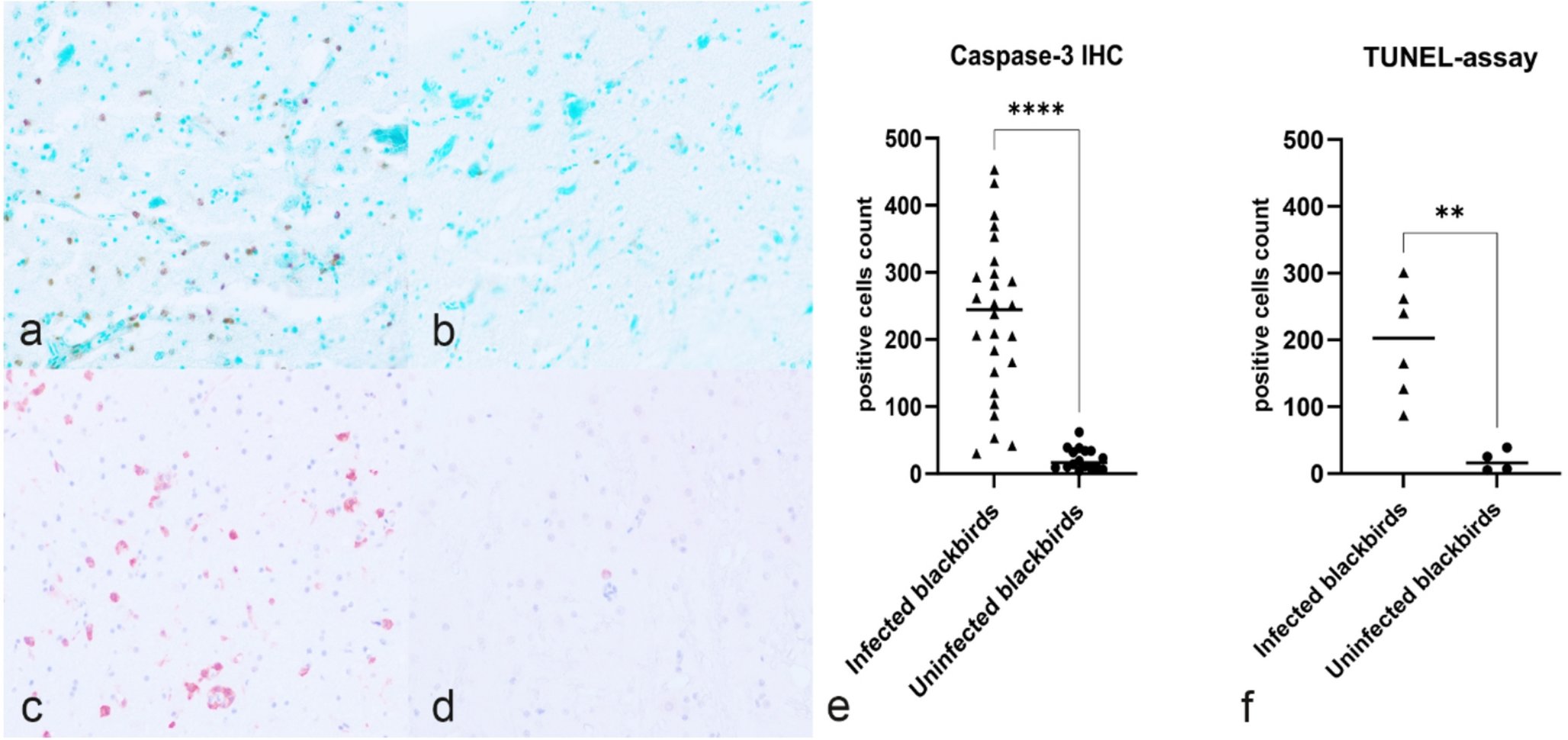
Usutu-infected blackbirds had many more cleaved-caspase-3-positive cells than uninfected birds. A TUNEL assay of a smaller subset showed the same pattern for DNA fragmentation. Virus antigen and cleaved caspase-3 partly overlapped in the tissue, and areas with more virus-positive cells also tended to contain more cleaved-caspase-3-positive cells.
The affected cells had morphology consistent with neurons, glial cells and endothelial cells. Cleaved-caspase-3-positive cells were also found beyond areas where virus antigen was detected, which the authors say suggests that both direct infection and indirect processes may contribute to cell death.
The Extrinsic Pathway Showed the Stronger Response
Both caspase 8 and caspase 9 were upregulated in infected blackbirds. Caspase 8 expression was about 4.4 times higher than in uninfected birds, while caspase 9 expression was about 1.8 times higher. The stronger increase in caspase 8 supports a particularly important role for the extrinsic apoptosis pathway in Usutu-associated encephalitis.
The study detected no clear differences in the measured apoptosis responses between birds infected with the Africa 3 and Europe 3 virus lineages. The authors conclude that caspase-dependent apoptosis is involved in Usutu-associated encephalitis in naturally infected blackbirds. They note that the identities of affected cell types were inferred from morphology because suitable blackbird-specific cellular markers were unavailable, and direct co-localisation of virus antigen and cleaved caspase-3 within the same cells could not be tested with the antibodies used.
Disease, parasites & microbiology
Related news
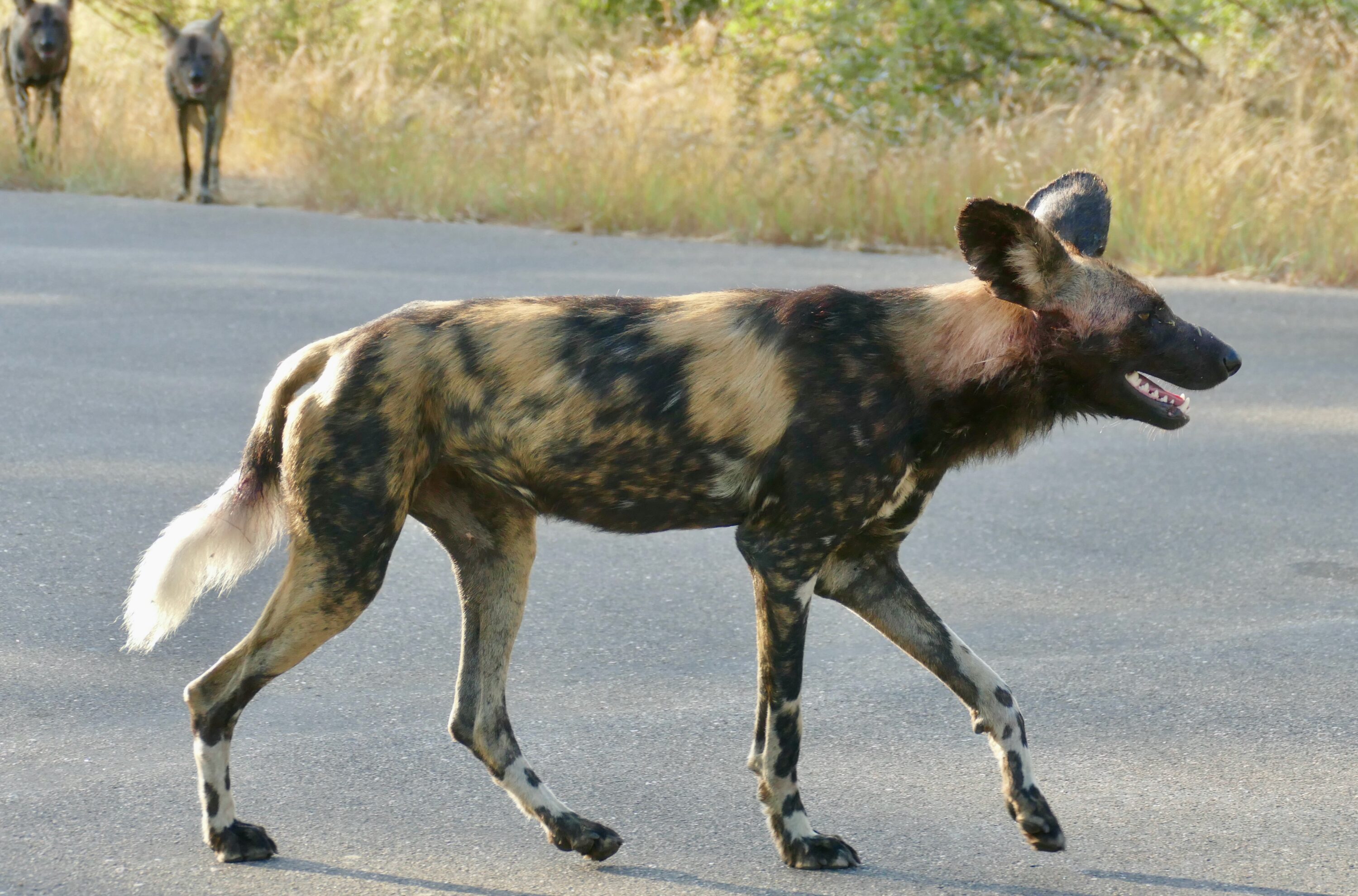
Gut Microbiomes Across Nine Kruger Mammals Clustered More Strongly by Dietary Group Than Species
A study of 89 quality-filtered faecal samples from nine wild mammals in Kruger National Park found that carnivores,…
Read story →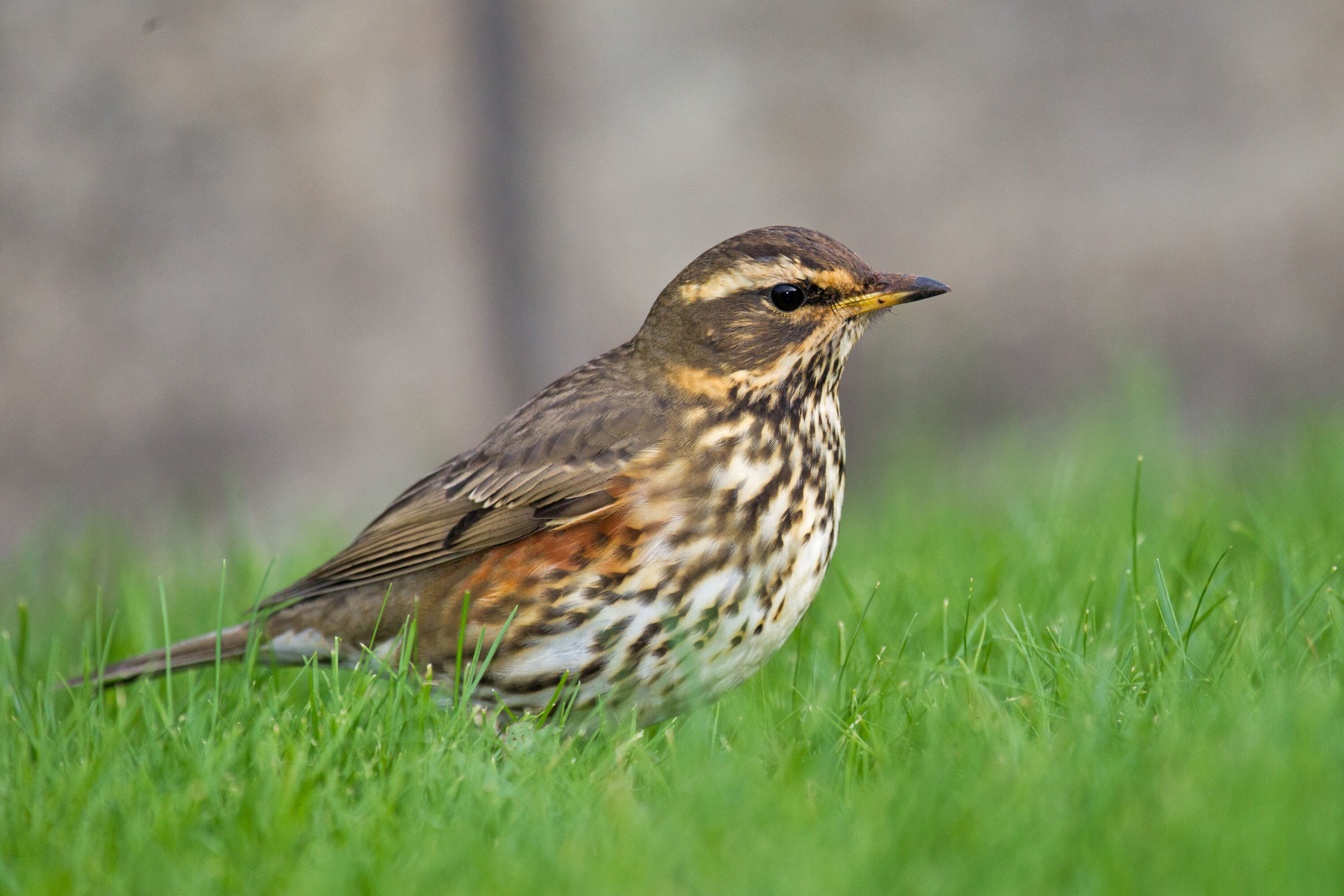
Nearly Three-quarters of Migrating Redwings Carried Ticks During Two Mild Belgian Autumns
Ticks were found on 72.9% of 284 redwings sampled during late-autumn migration in Belgium; 12.9% of 698 screened…
Read story →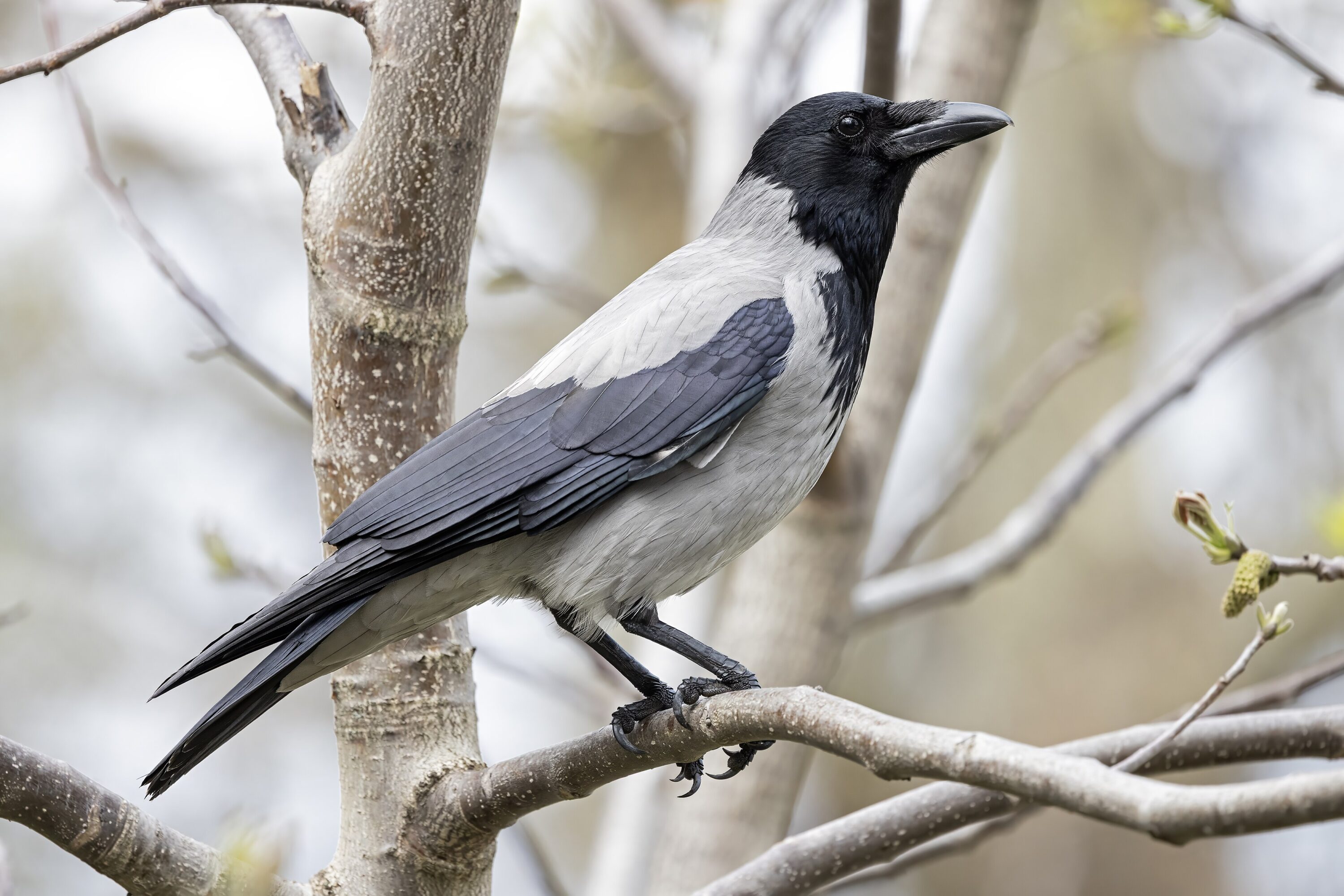
Hooded Crows Were Linked to 87 Reported West Nile Virus Bird Outbreaks in Europe
The September ECDC–EFSA report linked hooded crows to 87 reported West Nile virus bird outbreaks, Eurasian magpies to…
Read story →SPECIES IN THIS STORY
Species in this story
Independent research and conservation news archive
Did you find this information useful?
Wildlife Vagabond is independently built and maintained. Voluntary support helps cover source verification, hosting and continued work on research and conservation news.
Support Wildlife VagabondThe news archive will remain freely available.