
Volunteer Surveys Track Western Bluebirds Under a Warming Climate
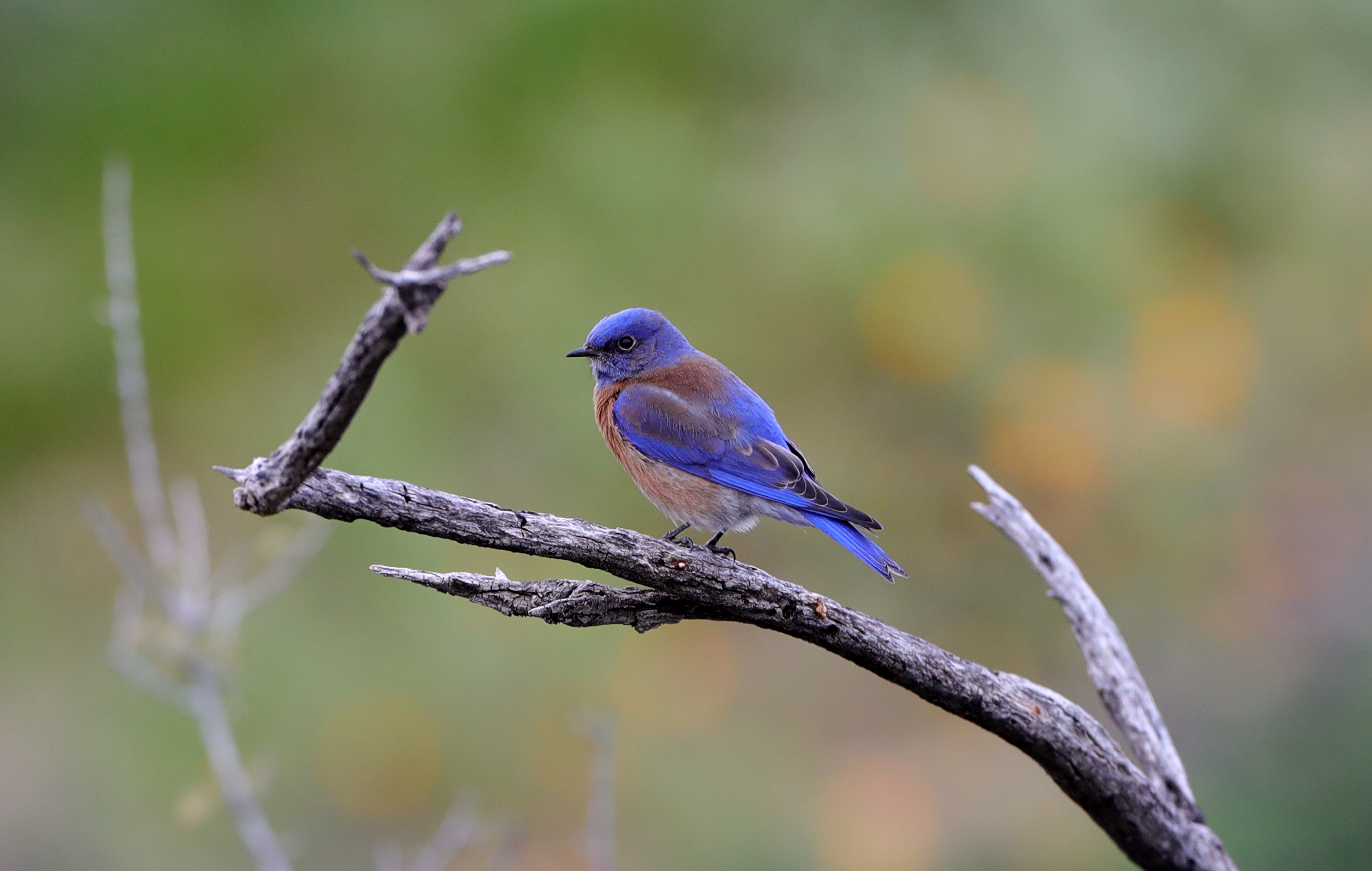
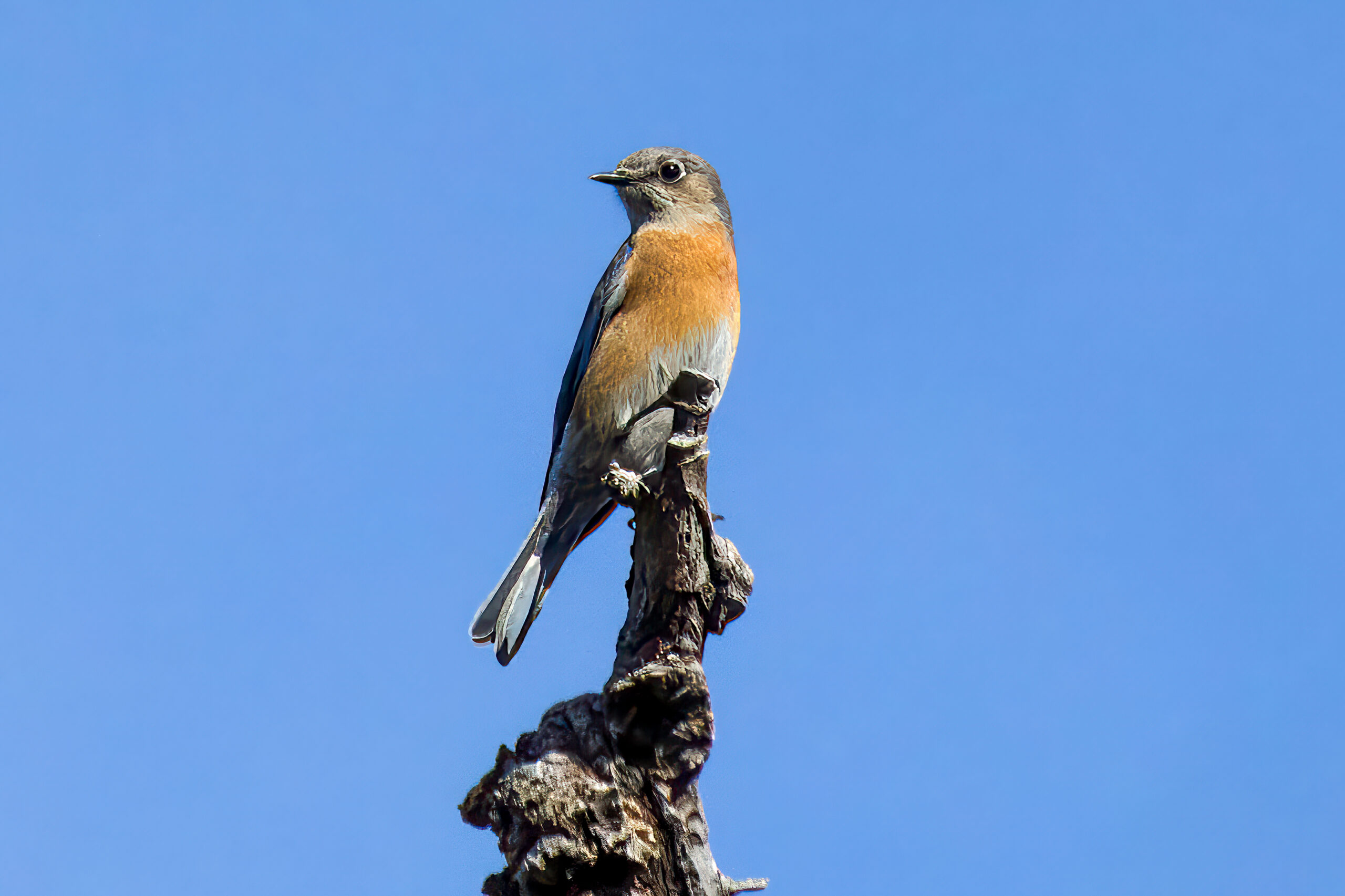
Volunteers on Washington, USA State’s Olympic Peninsula were asked to survey western bluebirds during a month-long 2026 breeding-season count that contributes data for testing how bird distributions are responding to climate change.
The Olympic Peninsula Audubon Society announced the survey on 21 April, ahead of fieldwork from 15 May to 15 June. The western bluebird (Sialia mexicana) was one of five local target birds, alongside red-breasted nuthatch, spotted towhee, American goldfinch and lesser goldfinch.
The count formed part of National Audubon’s Climate Watch program, which has collected standardized volunteer observations since 2016. The program compares where selected birds are found with places where climate models project suitable conditions during the 2020s.
Climate Watch operates in two annual 30-day windows. Surveys from 15 January to 15 February focus on winter distribution, while the 15 May to 15 June period covers the breeding season. Repeating the same structured approach provides observations that can be compared across places and years.
Five-minute Counts at Fixed Points
The national protocol begins with selection of a target species and one or more 10 × 10-kilometre survey squares. Within each square, observers identify 12 fixed count points in suitable habitat. A point count means that the observer stays in one place for a fixed period and records the birds detected there, making repeated counts easier to compare across places and years.
The points must be at least 200 metres apart to reduce repeated sampling of the same local area. At each point, volunteers remain stationary for exactly five minutes and record every bird they can identify by sight or sound within 100 metres. Using the same distance, duration and point structure reduces differences caused simply by how observers survey, rather than by where birds occur.
Observers also submit a checklist when the target species is not detected. These non-detections are important because repeated records of both presence and absence allow Climate Watch to compare where target birds are found across places and years. The program can then test whether observed distributions increasingly match, lag behind or differ from areas that climate models project to be suitable.
Population & status
Related news
African Buffalo Herds Concentrated in Wetlands and Forest During Gambella's Dry Season
A two-year study in Ethiopia's Gambella National Park found similar but uncertain buffalo abundance estimates in 2022 and…
Read story →
Therthangal Spoonbill Colony Returned to 12 Active Nests After Complete Breeding Failure
Six breeding seasons at Therthangal Bird Sanctuary in Tamil Nadu ranged from 12 active Eurasian Spoonbill nests in…
Read story →
Cattle Egret Reporting Rate Rose From 0.38 to 0.60 in Southern African Atlas Data
A systematic review of 173 studies found generally stable or increasing cattle egret populations in the better-studied parts…
Read story →SPECIES IN THIS STORY
Species in this story
Independent research and conservation news archive
Did you find this information useful?
Wildlife Vagabond is independently built and maintained. Voluntary support helps cover source verification, hosting and continued work on research and conservation news.
Support Wildlife VagabondThe news archive will remain freely available.