
Wet Willow Wildlife Improved 51 Hectares of Wet Woodland and Connected 632 Hectares
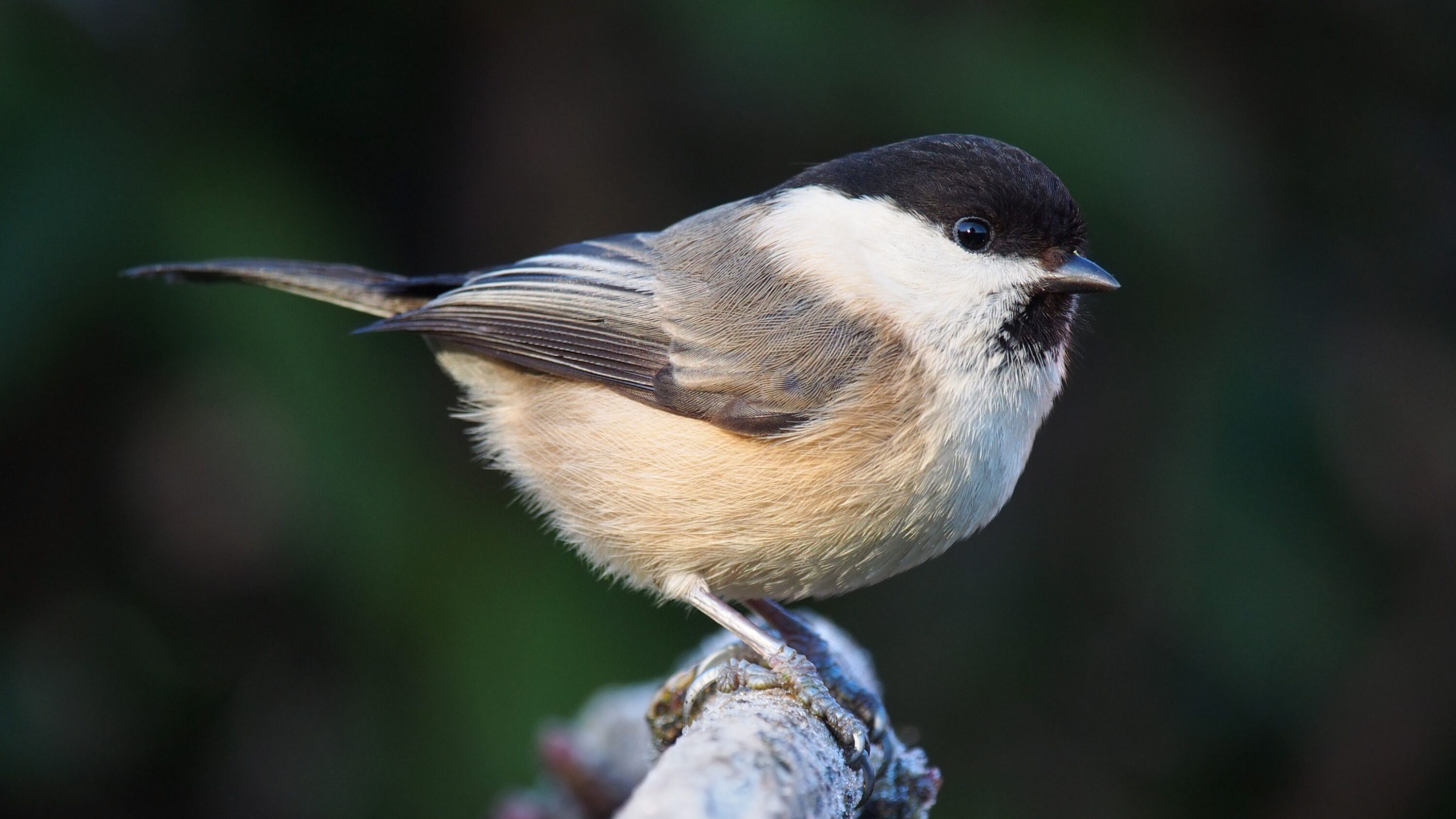
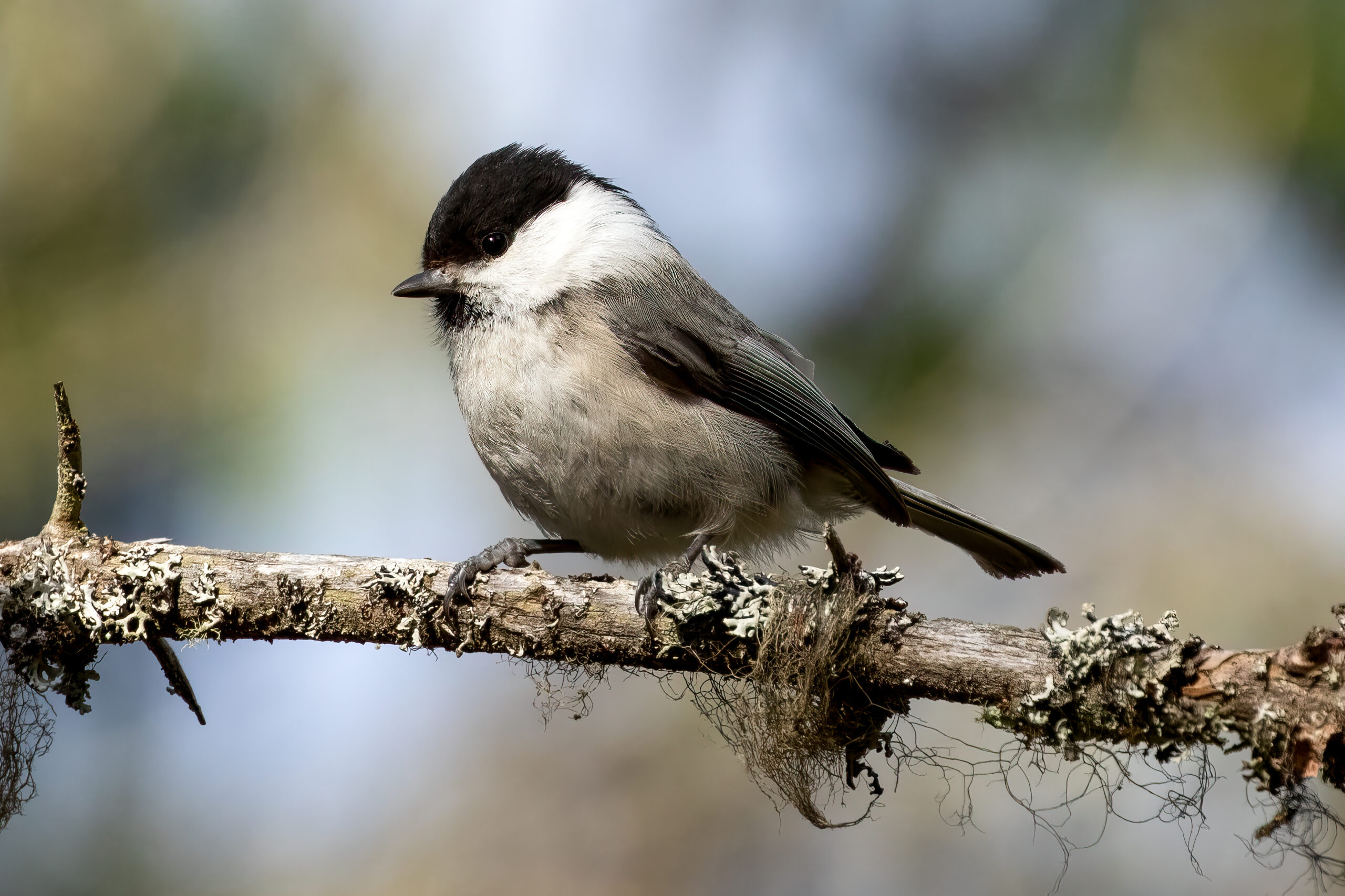
A two-year wet woodland restoration project in northwest England improved 51 hectares of habitat and connected 632 hectares across its project area, with willow tit (Poecile montanus) as one of its central target species. The Wildlife Trust for Lancashire, Manchester and North Merseyside published the project’s final results on 15 May 2026 after work running from March 2024 to February 2026.
Wet Willow Wildlife worked across sites in Bolton, the Salford and Wigan mosslands, Trafford and the Mersey Gateway. The project focused on damp, scrub-rich woodland where willow, hazel, hawthorn and bramble form a dense understorey. These habitats can become less suitable for willow tits as succession produces taller, more closed woodland.
Restoration combined scrub management, water and new trees
Teams removed selected canopy trees to bring more light into the understorey, replanted scrub species and used lattice coppicing to increase low vegetation. They also controlled dominant invasive plants and installed features to slow water movement through the sites.
Slower drainage was intended to keep the woodland wetter and promote timber decay. This is especially relevant to willow tits because they excavate their own nest cavities in soft, decaying standing wood. Across the project, 9,462 trees were planted and restored habitat pockets were linked to improve movement through the wider wet woodland network.
Surveys covered 182 square kilometres
Citizen-science surveys covered 182 km² for willow tits. Volunteers followed survey transects — fixed routes walked systematically through the landscape — and initially relied on recognising the species’ call. A total of 1,934 survey records were submitted, of which 34 were positive willow tit detections. The project used these records alongside site assessments to help plan habitat work and improve knowledge of where the species remained within the project landscape.
Volunteer participation was a major part of delivery. A total of 538 volunteers contributed 6,689 hours, while the wider engagement programme also involved schools and community groups.
Willow tits depend on a particular combination of wet ground, dense scrub and suitable decaying wood, and these conditions can disappear when wet woodland becomes drier, more isolated or develops into taller closed woodland. Wet Willow Wildlife restored and reconnected these structural features across multiple sites rather than concentrating on a single patch, while also producing new survey records that can guide future work.
Restoration
Related news
Natural England Funded Development of a National Willow Tit Recovery Strategy
Natural England funded a 2026–2029 project to build a national recovery strategy for willow tit across several English…
Read story →
Mean Eurasian Blue Tit Winter Count Rose Fourfold in Finnish Urban Survey Plots
Across 31 Finnish settlements, mean Eurasian blue tit counts rose from 2.8 birds per standardised urban plot in…
Read story →
Pine Mires Stood Out as Early-Spring Habitat for Willow Tits in Managed Finnish Forests
Passive acoustic monitoring at 285 forest sites in southwestern Finland found willow tits consistently associated with pine mires…
Read story →SPECIES IN THIS STORY
Species in this story
Independent research and conservation news archive
Did you find this information useful?
Wildlife Vagabond is independently built and maintained. Voluntary support helps cover source verification, hosting and continued work on research and conservation news.
Support Wildlife VagabondThe news archive will remain freely available.