
What African Bush Elephants Eat in Nigeria’s Dry Season
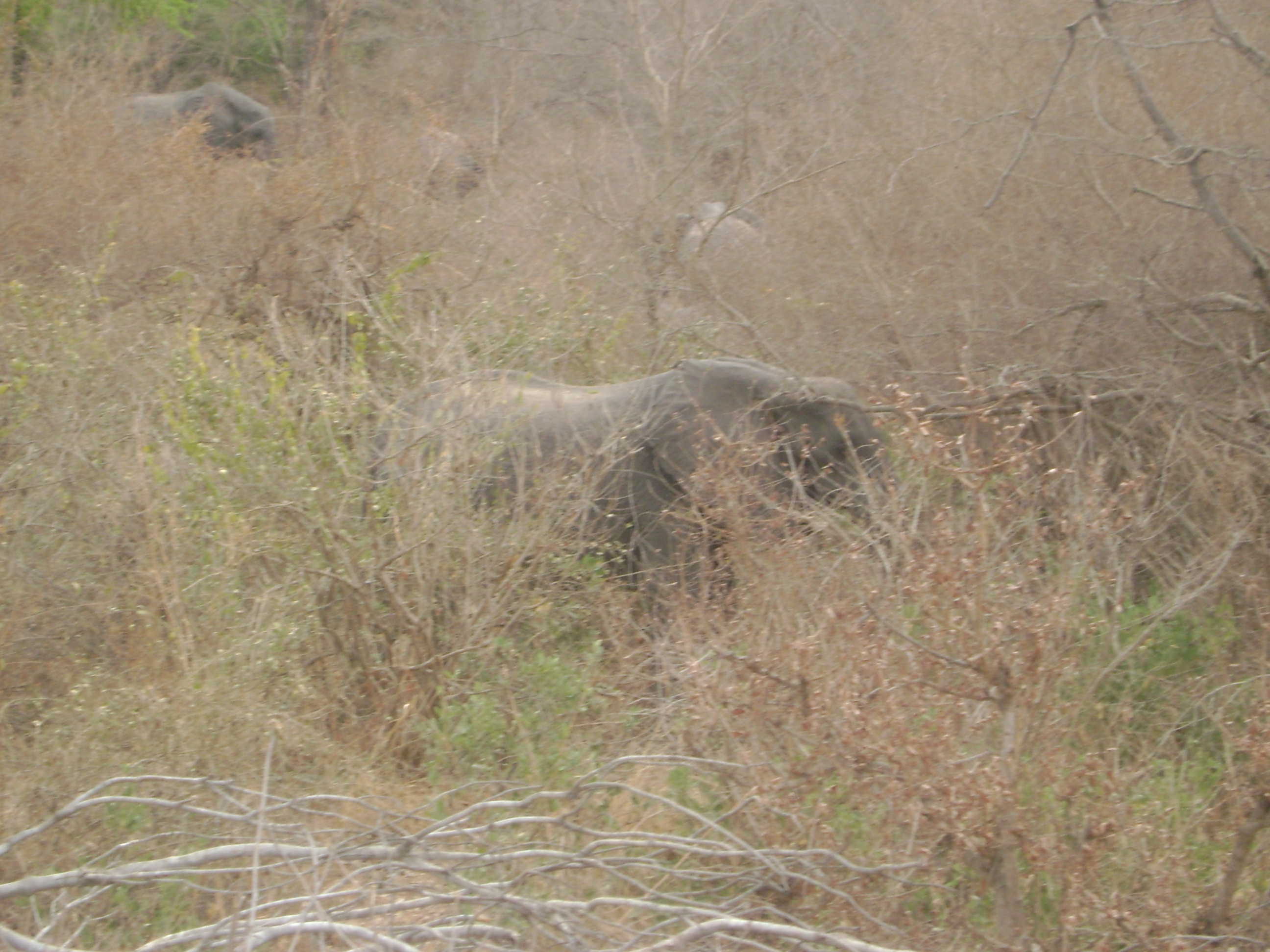
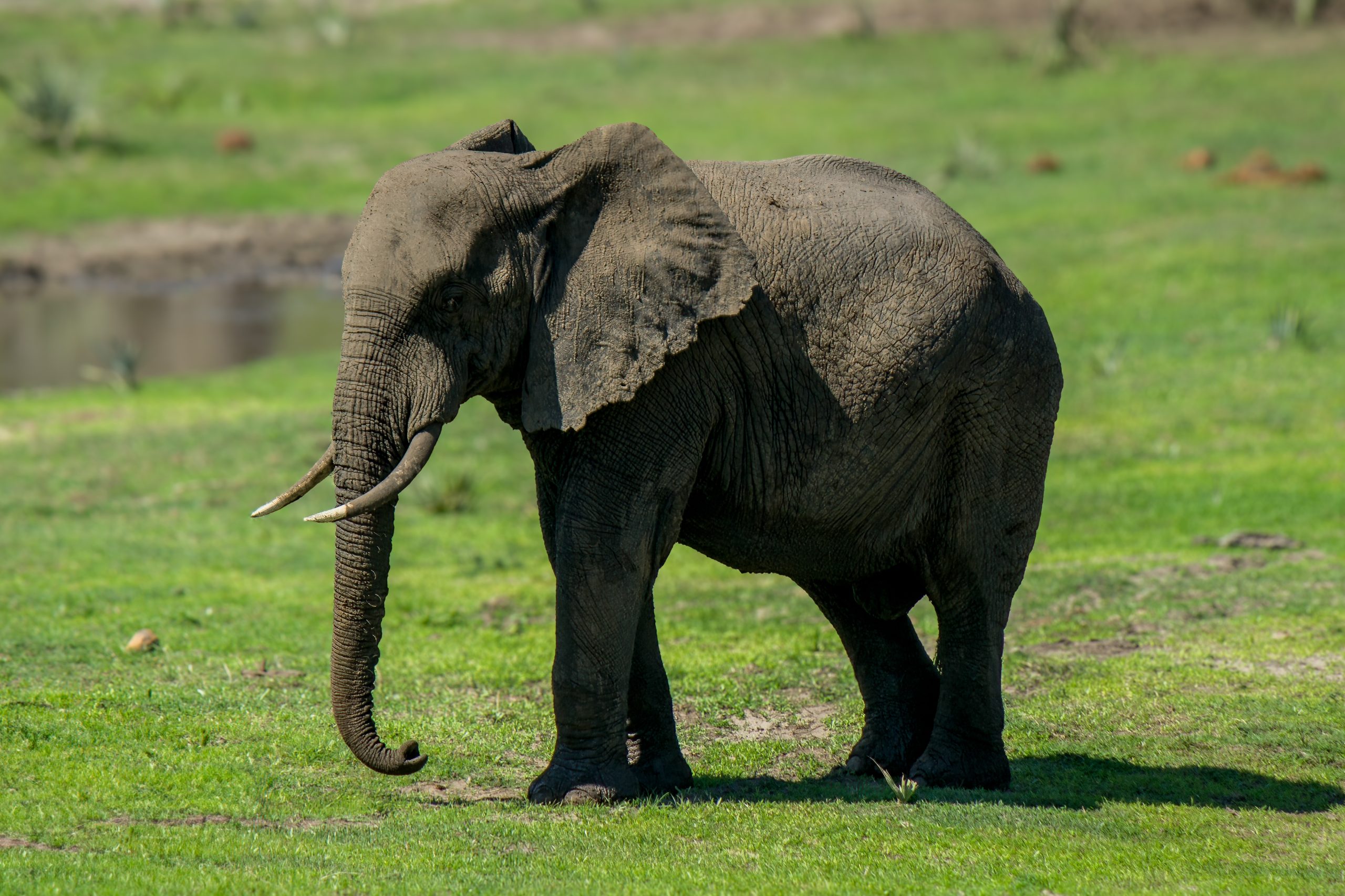
African Bush Elephants (Loxodonta africana) in Yankari Game Reserve, northeastern Nigeria, fed mostly on leaves during observations late in the dry season. Researchers recorded ten plant species eaten by the elephants and analysed the nutritional composition of four. Among the sampled plants, Ficus thonningii and Acacia xanthophloea had the highest crude-protein concentrations.
The researchers watched elephants in morning and evening sessions over three weeks. Alongside leaves, they recorded twigs and fruit in the diet, while bark and smaller branches were used less often. As water and nutritious vegetation become scarcer during the dry season, the composition of the plants still available can be particularly important to such a large herbivore.
Fig and acacia samples contained the most protein
Crude protein made up 15.2% of the Ficus thonningii sample and 13.4% of Acacia xanthophloea, compared with 12.1% in Combretum imberbe and 10.2% in Ziziphus mucronata. Crude protein is a chemically estimated measure used to approximate the protein content of animal feed. It is relevant because proteins provide amino acids needed for functions including tissue growth and maintenance.
The plants also contained substantial fibre. The Ficus thonningii sample contained 20.4% crude fibre and Acacia xanthophloea contained 18.6%. Elephants ferment fibrous plant material with the help of microorganisms in the hindgut, producing, among other substances, short-chain fatty acids that the animals can use for energy. Fibre therefore offers a different perspective on the plants’ potential nutritional value from crude protein alone.
The researchers suggest that Ficus and Acacia may be valuable food resources during the dry season. However, they did not measure how much of each plant species was available in the landscape or what proportion of the elephants’ total diet each plant supplied. The observations therefore cannot establish that elephants actively preferred these plants because of their protein or fibre content.
The study offers a local account of which plants and plant parts elephants used over those three weeks and what some of the plants could contribute nutritionally. The authors recommend protecting important browse plants and the woodland and riverine habitats where elephants find food during the dry season.
Ecology
Related news
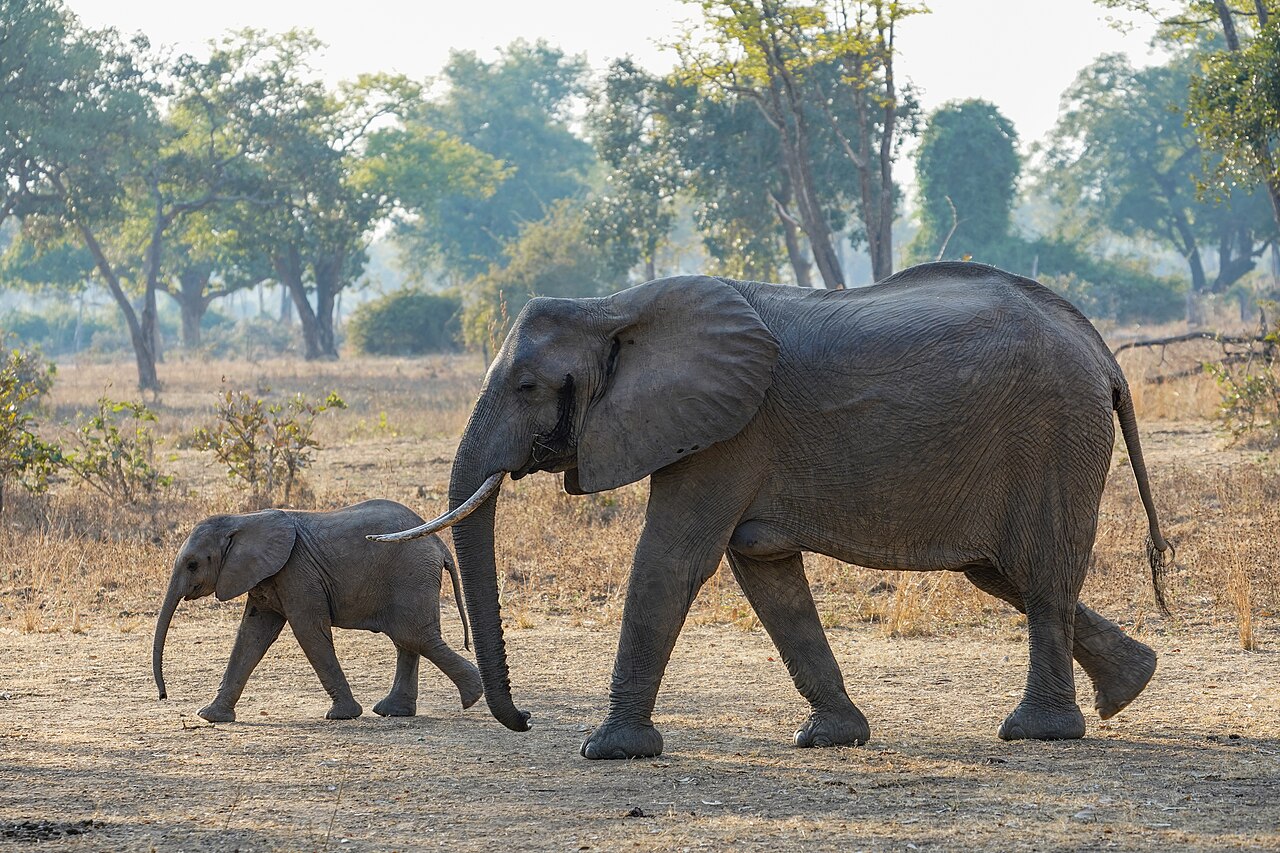
An ancient viral gene may have been repurposed in elephant placenta
An ancient viral gene that appears to have been inherited for at least 79 million years is strongly…
Read story →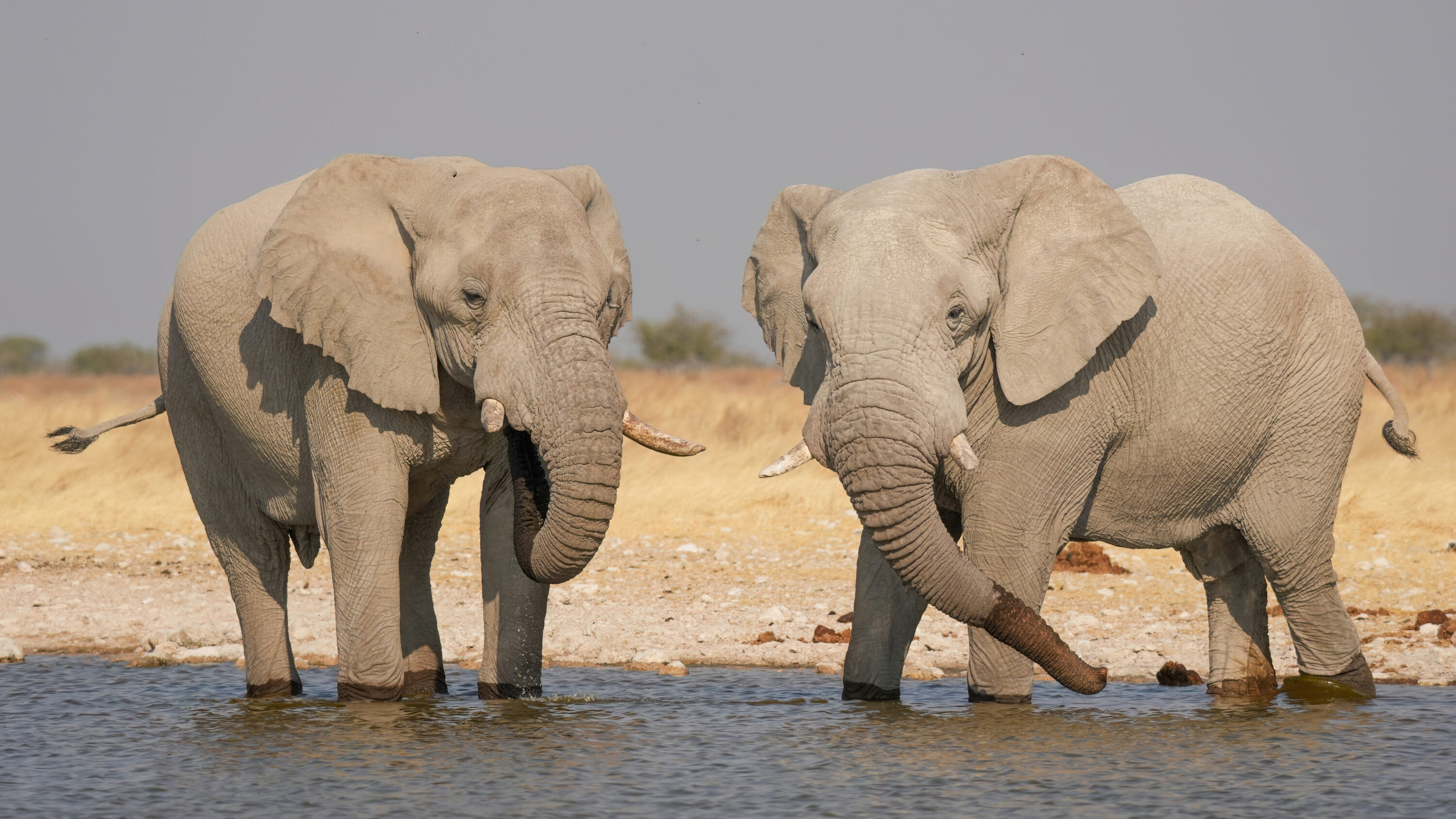
Three Ways of Analysing Elephant Calls Gave Different Results
Recordings from a semi-free herd in South Africa show how the method used to classify call timing can…
Read story →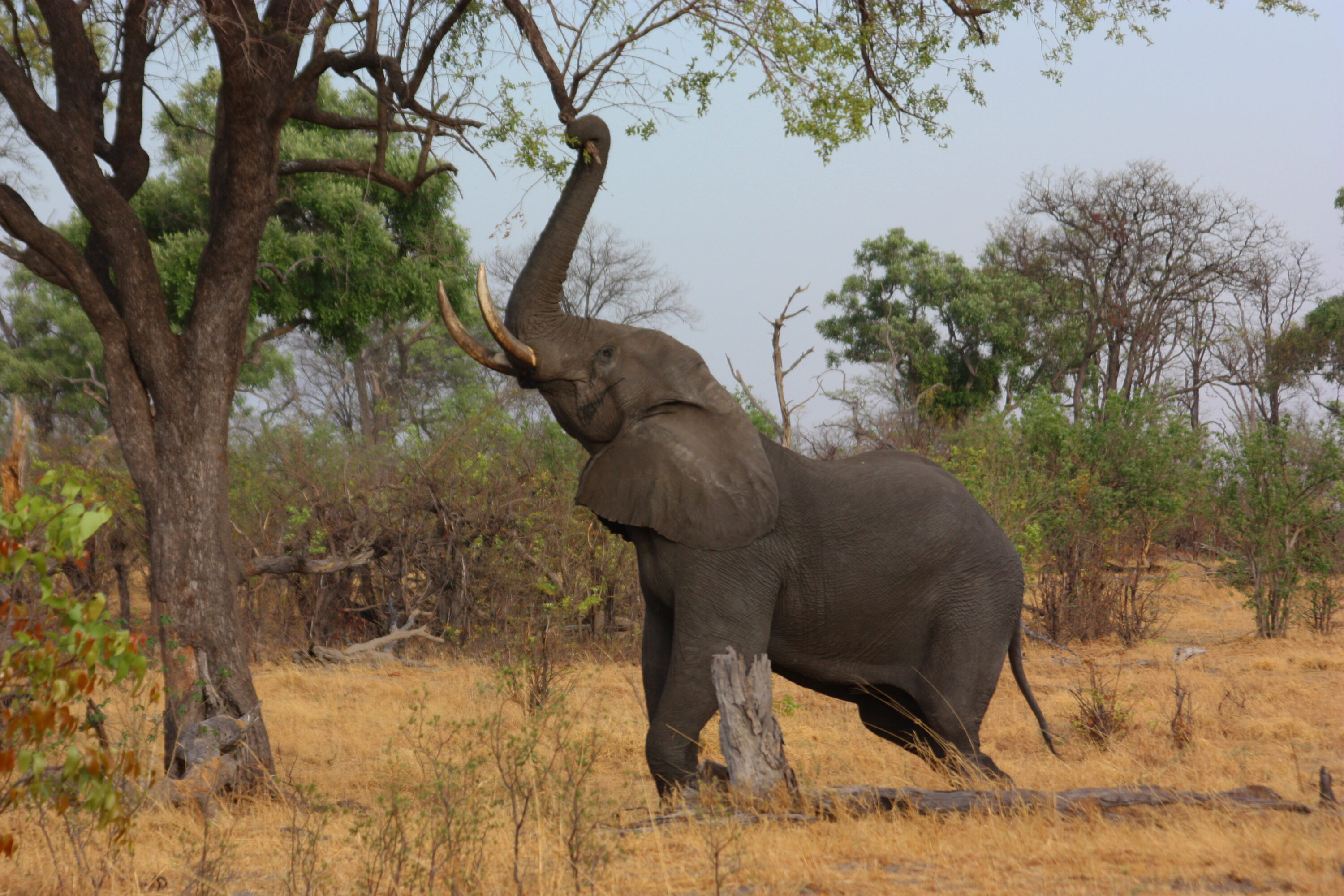
African Bush Elephants Distinguished Artificial Food-Quantity Patterns at Close Range
In experiments in South Africa, four semi-tame elephants chose between visual patterns representing canopy size and leaf density.…
Read story →SPECIES IN THIS STORY
Species in this story
Independent research and conservation news archive
Did you find this information useful?
Wildlife Vagabond is independently built and maintained. Voluntary support helps cover source verification, hosting and continued work on research and conservation news.
Support Wildlife VagabondThe news archive will remain freely available.