
Northeastern Hwange Emerged as a Year-Round Core Area for White-backed Vultures
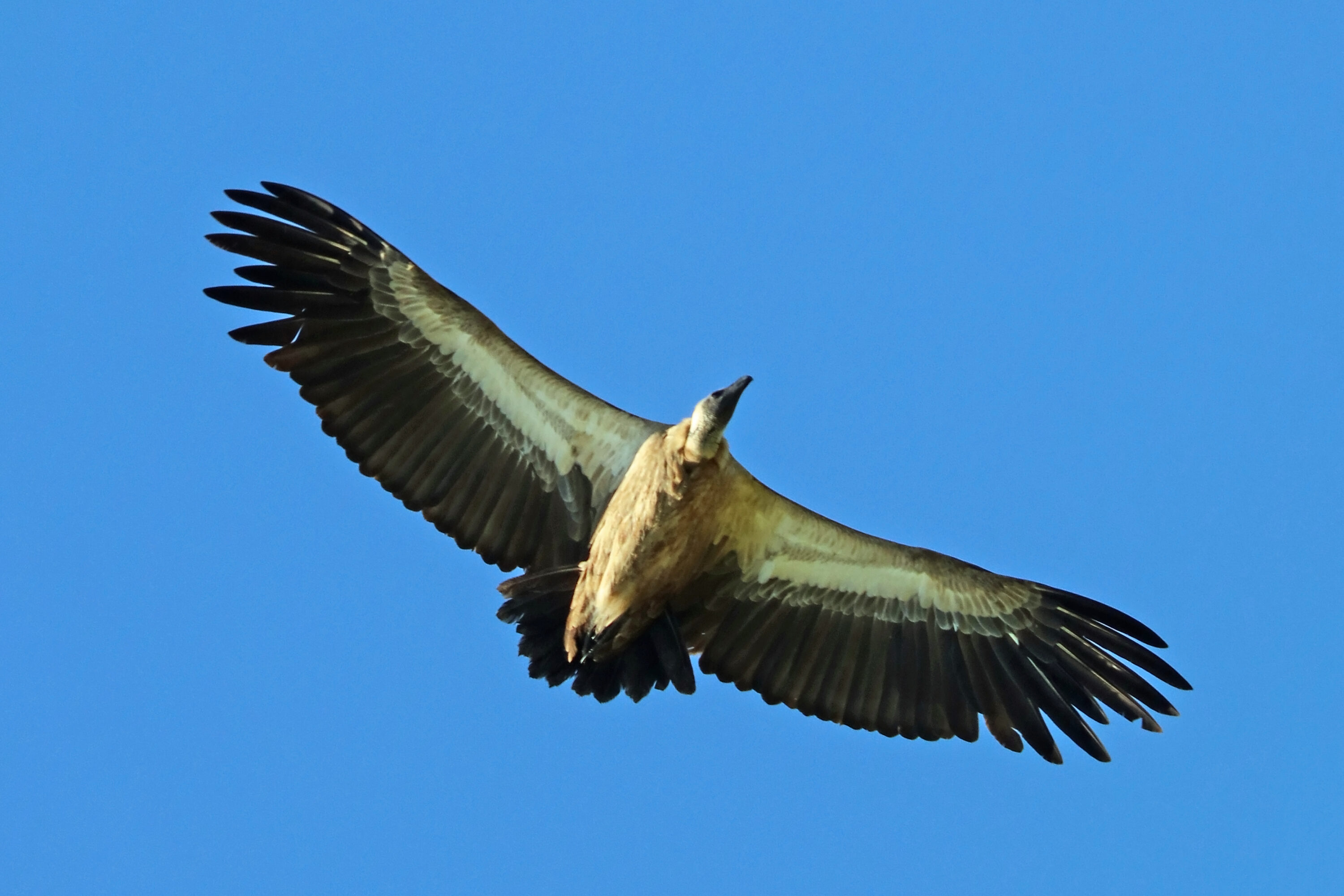
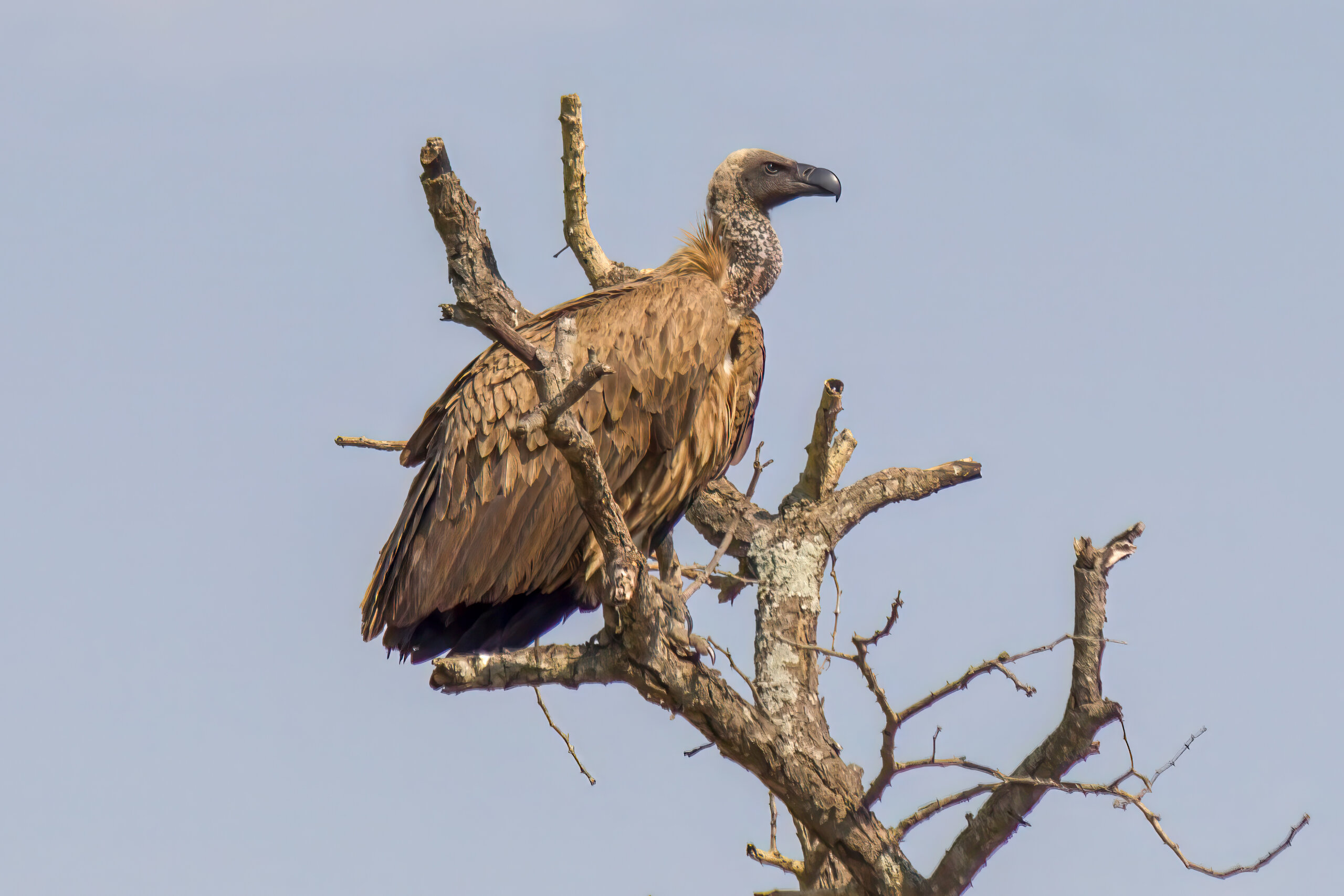
Six GPS-tracked White-backed Vultures (Gyps africanus) in Zimbabwe’s Hwange National Park repeatedly used landscapes that models identified as highly suitable in the northeastern part of the park. The northeast remained important in both wet and dry seasons, while use of other parts of Hwange shifted more with season.
The birds were tracked between 2016 and 2022. Researchers compared their GPS locations with temperature, rainfall, vegetation greenness, human influence and distance from the park boundary to identify the conditions associated with vulture occurrence.
The northeast remained important through both seasons
During the dry season, GPS records were strongly concentrated in northeastern Hwange, with fewer records in central and southern areas. In the wet season, the birds were more widely dispersed through central and southern parts of the park, but the northeast remained a persistent area of high suitability.
The models repeatedly highlighted the Main Camp management area in particular. This does not mean that most of Hwange’s entire vulture population lives there: the result describes the spatial pattern of six tracked birds and the habitat conditions associated with their locations.
Different environmental factors mattered in different seasons
Temperature and rainfall variables changed in importance between wet and dry seasons. The tracked vultures were also more strongly associated with locations farther inside the park than with areas near its boundary.
Vegetation greenness had a more complex relationship with occurrence. The authors suggest that very dense vegetation may make carcasses harder to detect from the air, while vegetation also influences where herbivores — and therefore potential carrion — occur. Carrion availability itself was not measured.
Human influence may bring both food and risk
Moderate levels of human footprint were associated with higher predicted vulture occurrence in some models. The authors suggest that livestock carcasses, roadkill or other human-related food sources may contribute to this pattern. The same places can also expose vultures to poisoning and disturbance, so human influence is not simply beneficial.
With only six tracked birds, the study is a spatial guide rather than a population assessment. The authors argue that northeastern Hwange deserves particular attention for anti-poisoning work and protection of important nesting and foraging habitat, while the more dispersed areas used seasonally should also be monitored.
Ecology
Related news
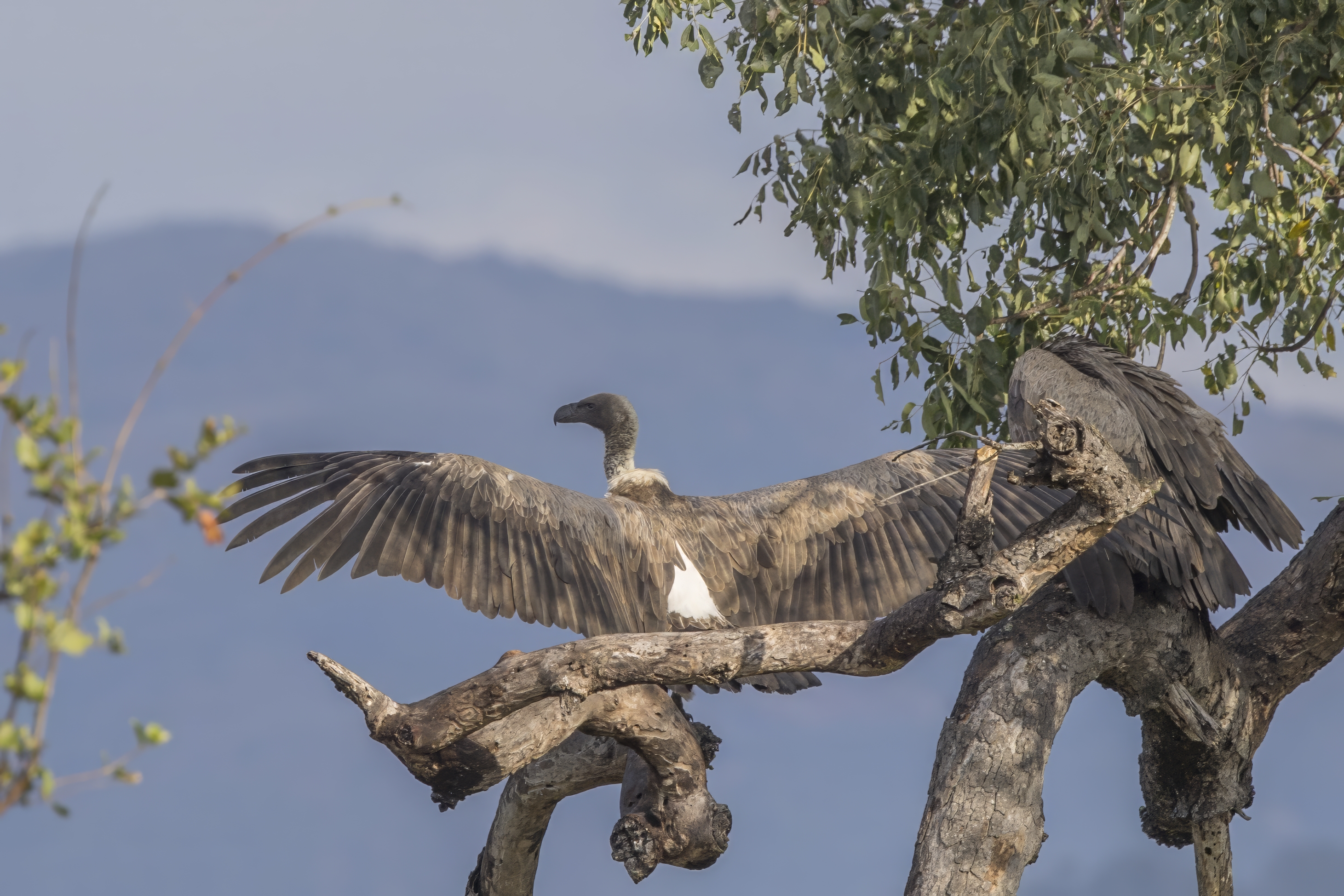
CT Reveals the Organs and Blood Vessels Inside a White-backed Vulture
A contrast-enhanced CT scan of one adult male white-backed vulture revealed major organs and vessels, while also showing…
Read story →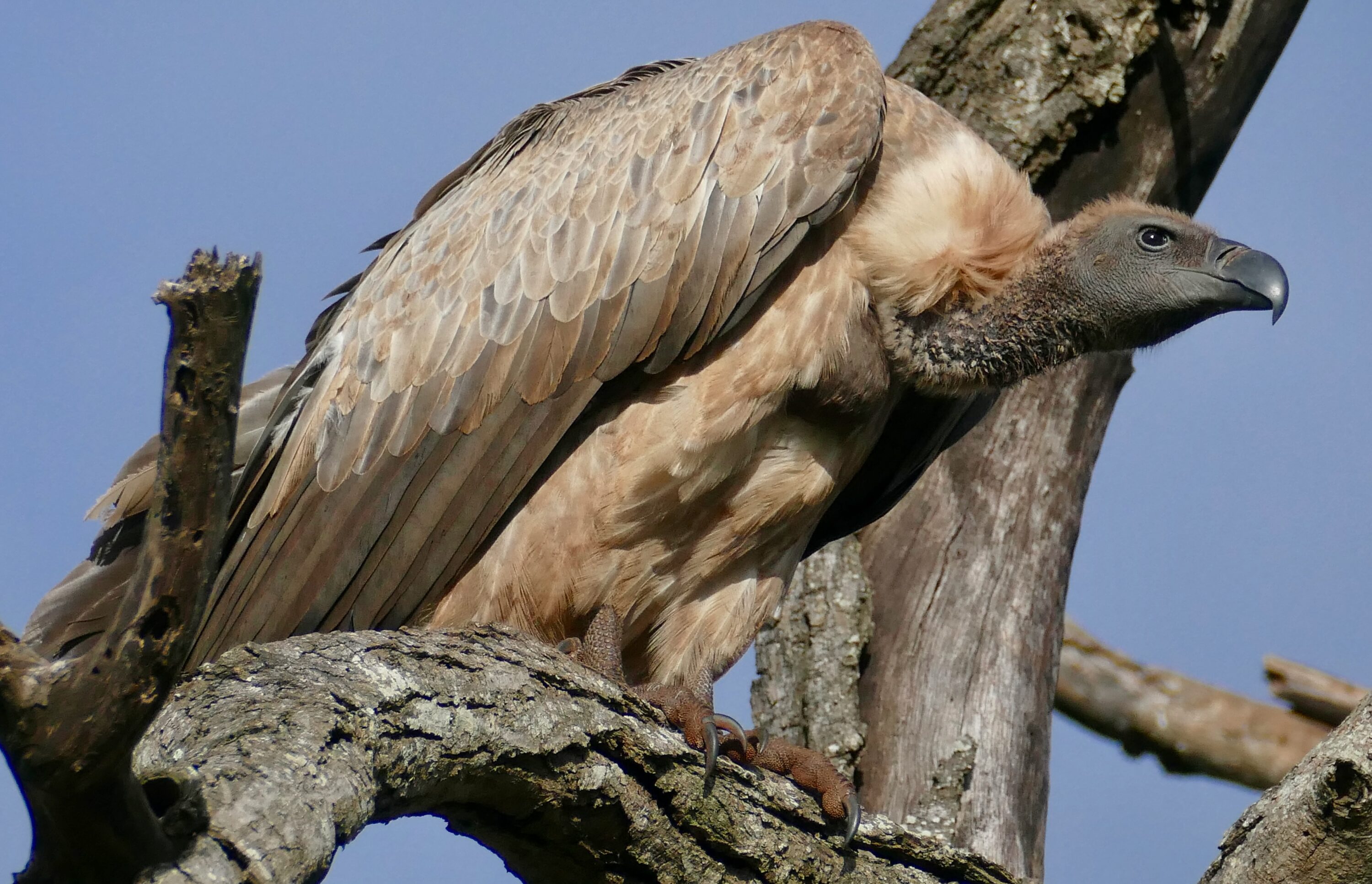
Two new studies sharpen the conservation map for white-backed vultures in Ethiopia
New surveys and habitat modelling from southwest Ethiopia identify important breeding, roosting and foraging areas for the critically…
Read story →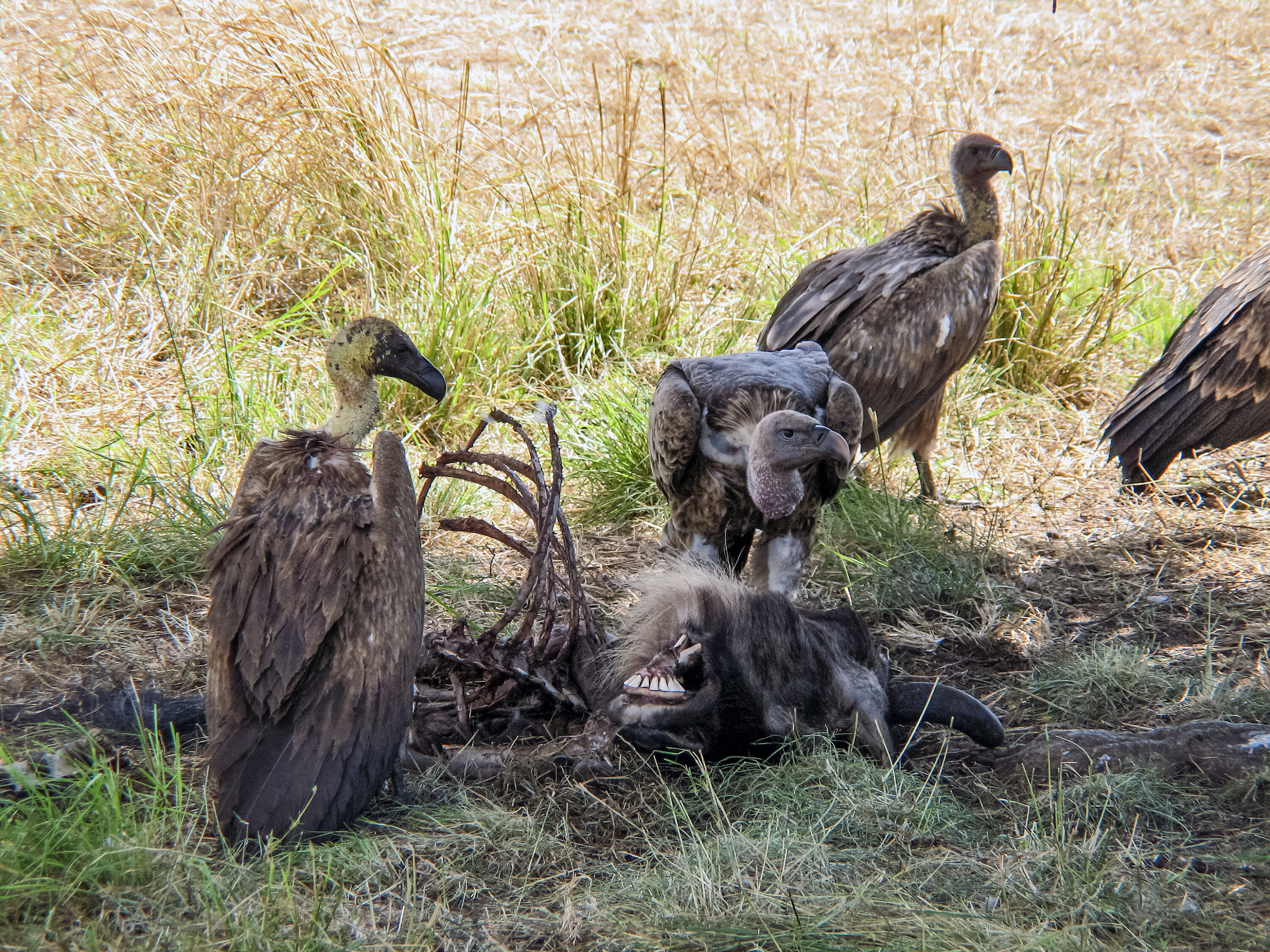
White-backed Vulture Transect Index Rose From 4.4 to 11.9 Birds per 100 km in Nazinga
Transect surveys in Burkina Faso’s Nazinga Game Ranch found 29 white-backed vultures in the latest survey and a…
Read story →SPECIES IN THIS STORY
Species in this story
Independent research and conservation news archive
Did you find this information useful?
Wildlife Vagabond is independently built and maintained. Voluntary support helps cover source verification, hosting and continued work on research and conservation news.
Support Wildlife VagabondThe news archive will remain freely available.