
Wild boar damage to crops in Gujarat often involved movement through fields
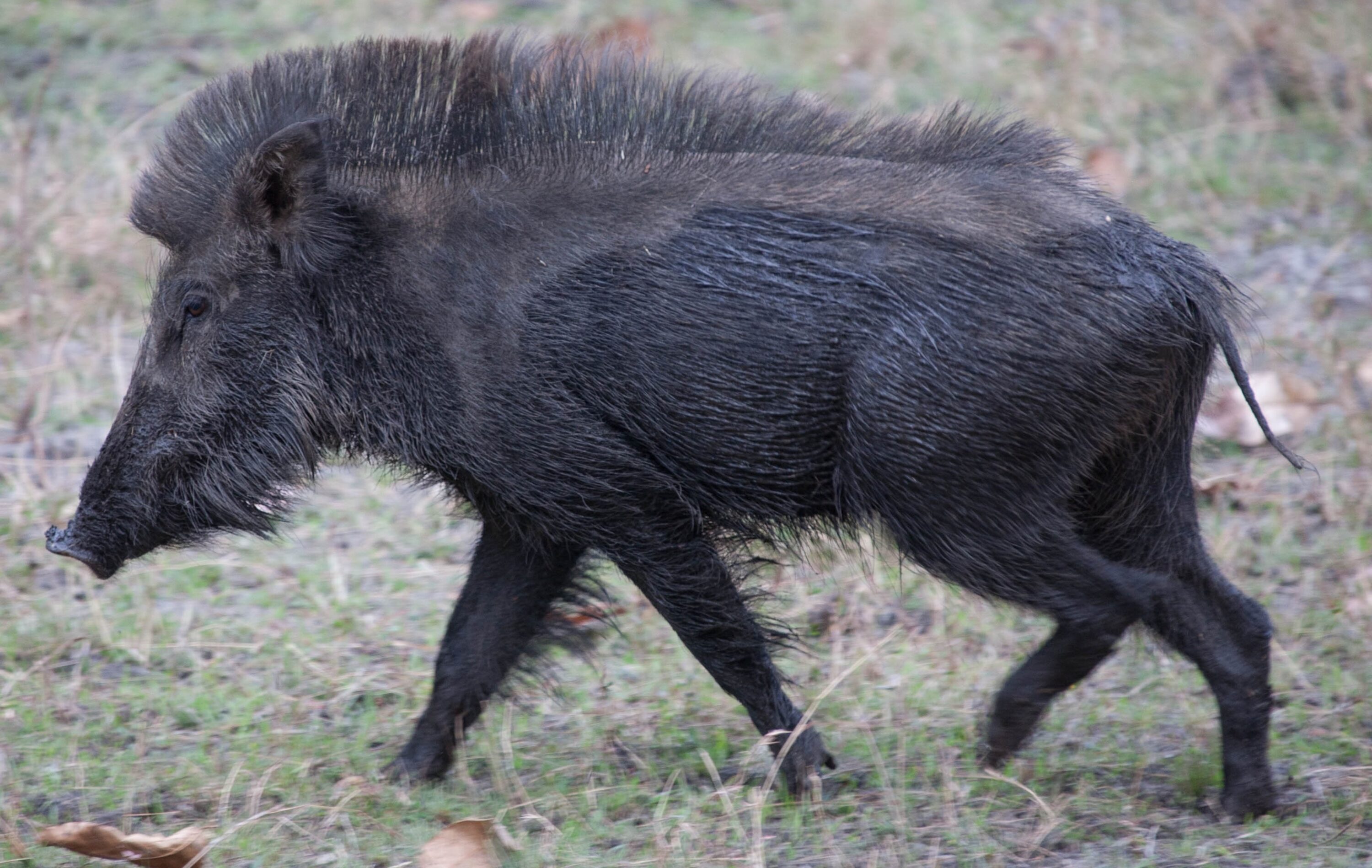
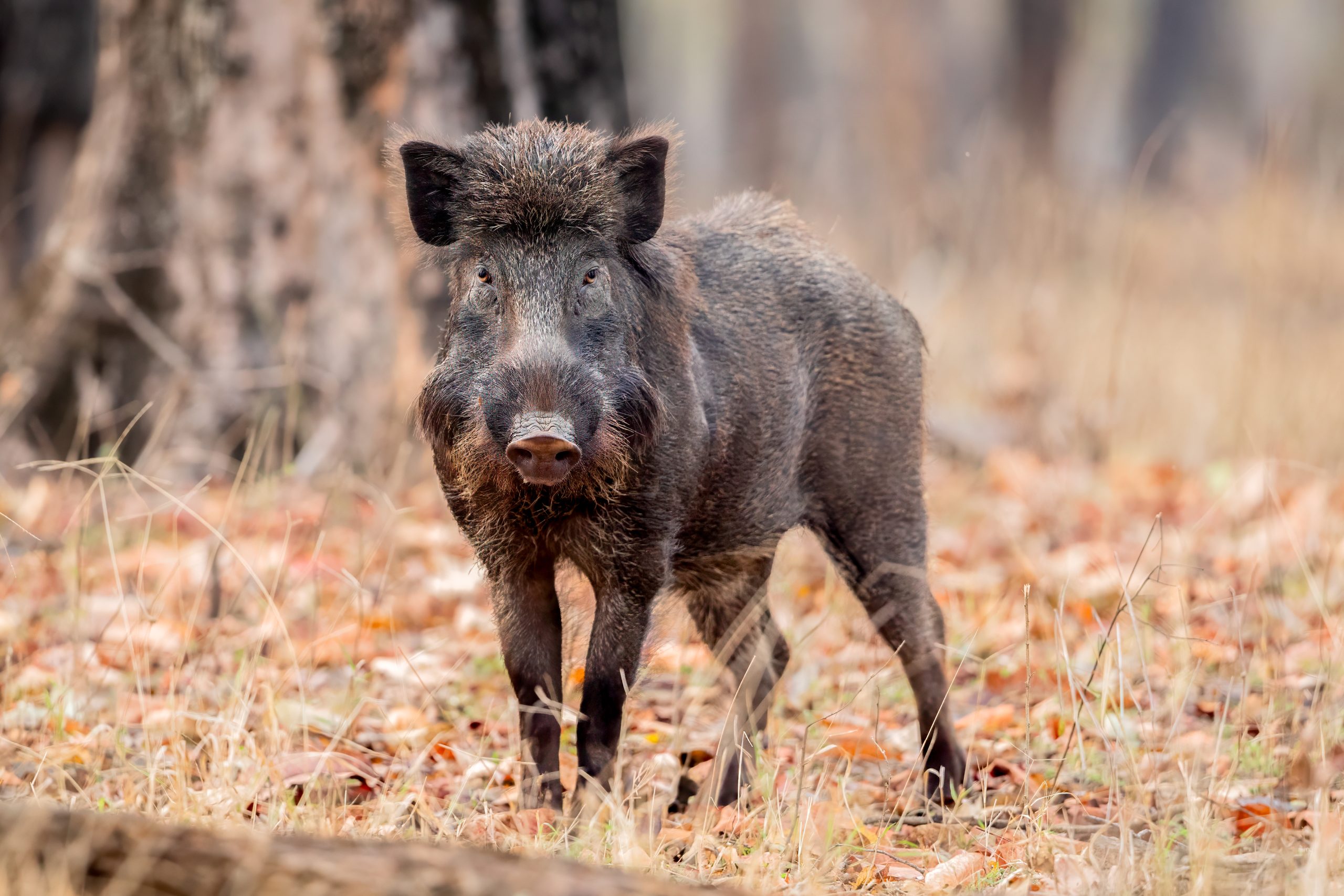
When Wild Boar (Sus scrofa) move through standing crops, they can damage plants without eating them. A study of 143 agricultural fields in Vadodara district, Gujarat, examined this kind of crop damage alongside damage caused by feeding.
Researchers surveyed fields in the Desar, Karjan, Padra and Sinor blocks from September 2024 to October 2025. They recorded signs of Wild Boar and crop damage, interviewed farmers, and mapped locations using GPS. For closely spaced crops, they counted damaged plants in randomly placed 1 × 1 metre squares. For widely spaced fruit crops, they counted plants across selected fields. Feeding, trampling and lodging—the bending or flattening of plants—were recorded separately.
Damage differed among the surveyed crops
Average recorded damage was highest in maize, at 15.8%. Banana followed at 14.4%, and pearl millet at 14.0%. These figures describe the fields surveyed during the study; they are not a general ranking of how susceptible these crops are everywhere, nor are they estimates of lost harvest.
Field observations indicated that direct feeding was generally limited, while trampling and lodging as boars moved through standing crops contributed substantially to recorded damage. Farmers interviewed also commonly attributed damage to animals moving through fields, rather than to feeding alone. The study reported greater vulnerability near forest patches, riverine habitat and other refuge areas in the surveyed landscape, but those observations do not establish that proximity itself caused the damage.
Assessments that count only eaten plants may miss damage caused when animals pass through a crop. The study’s findings therefore support including trampling and lodging, as well as feeding, when assessing crop losses in the surveyed area. The authors conclude that assessments and management should be tailored to local conditions, especially where fields adjoin Wild Boar habitat. The study did not test mitigation measures, and its estimates apply to the surveyed fields, crops and study period—not to all of Vadodara or India.
Human–wildlife conflict
Related news
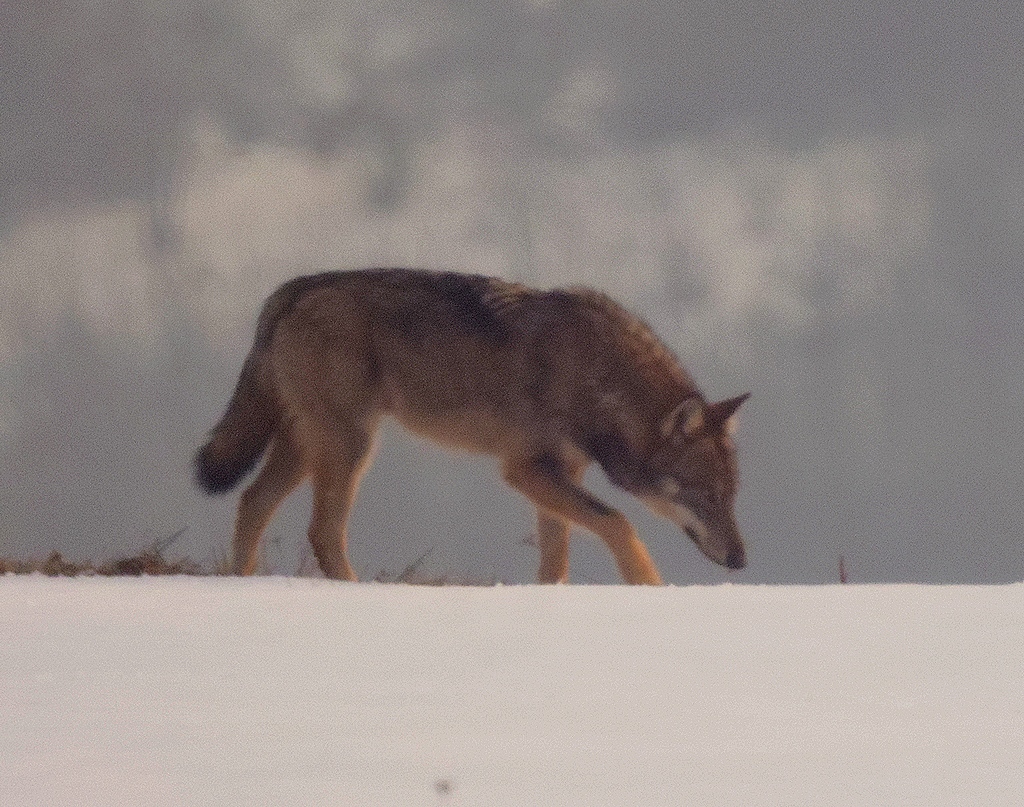
Roe Deer and Wild Boar Remained Key Wolf Prey as Diet Shifted Across North-western Italy
Wolf diet in north-western Italy remained dominated by wild prey from 2021–2025. Roe deer and wild boar were…
Read story →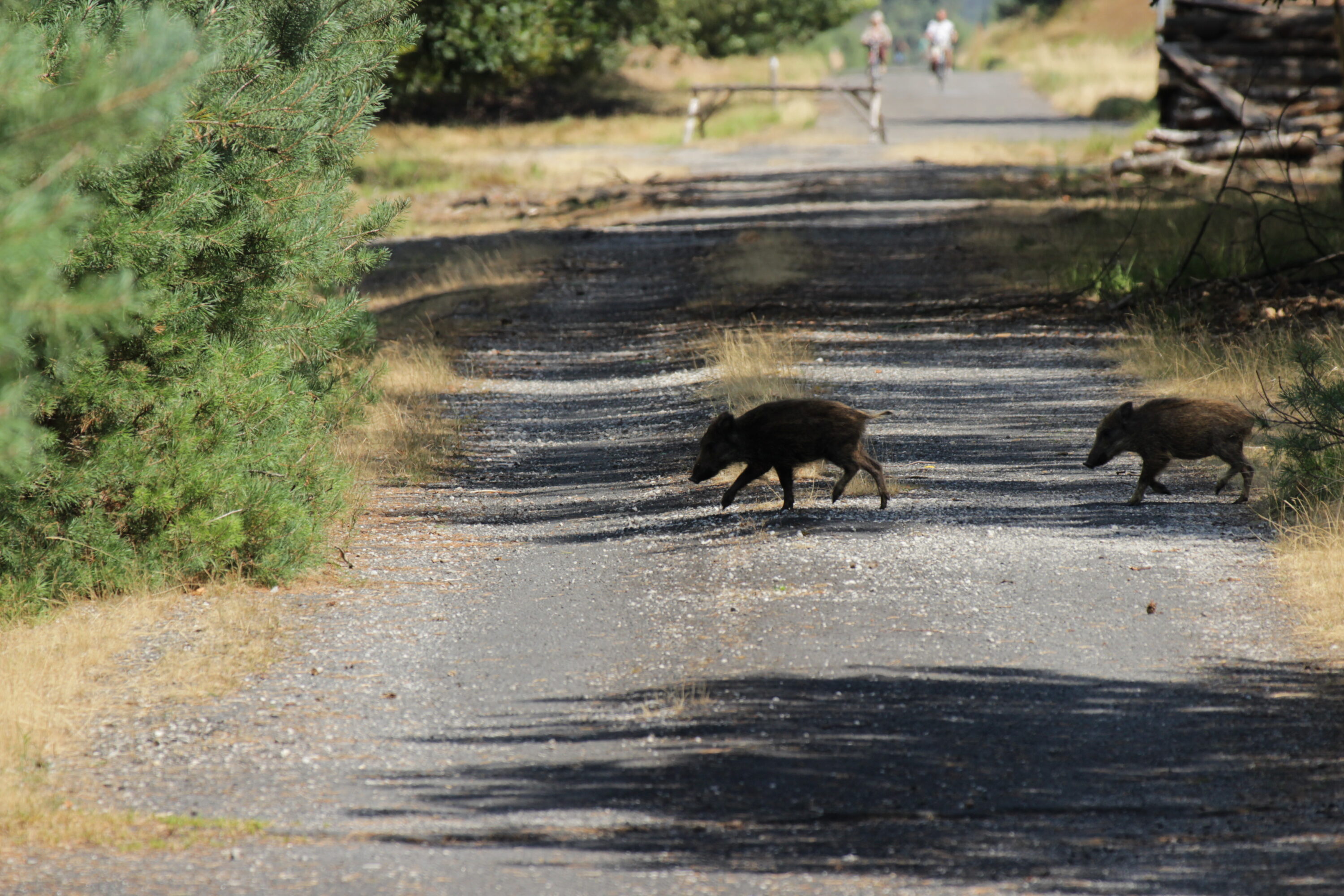
Copper levels in wild boar differed across Slovak districts
An analysis of kidney, liver and muscle from 147 wild boar in four districts found that iron and…
Read story →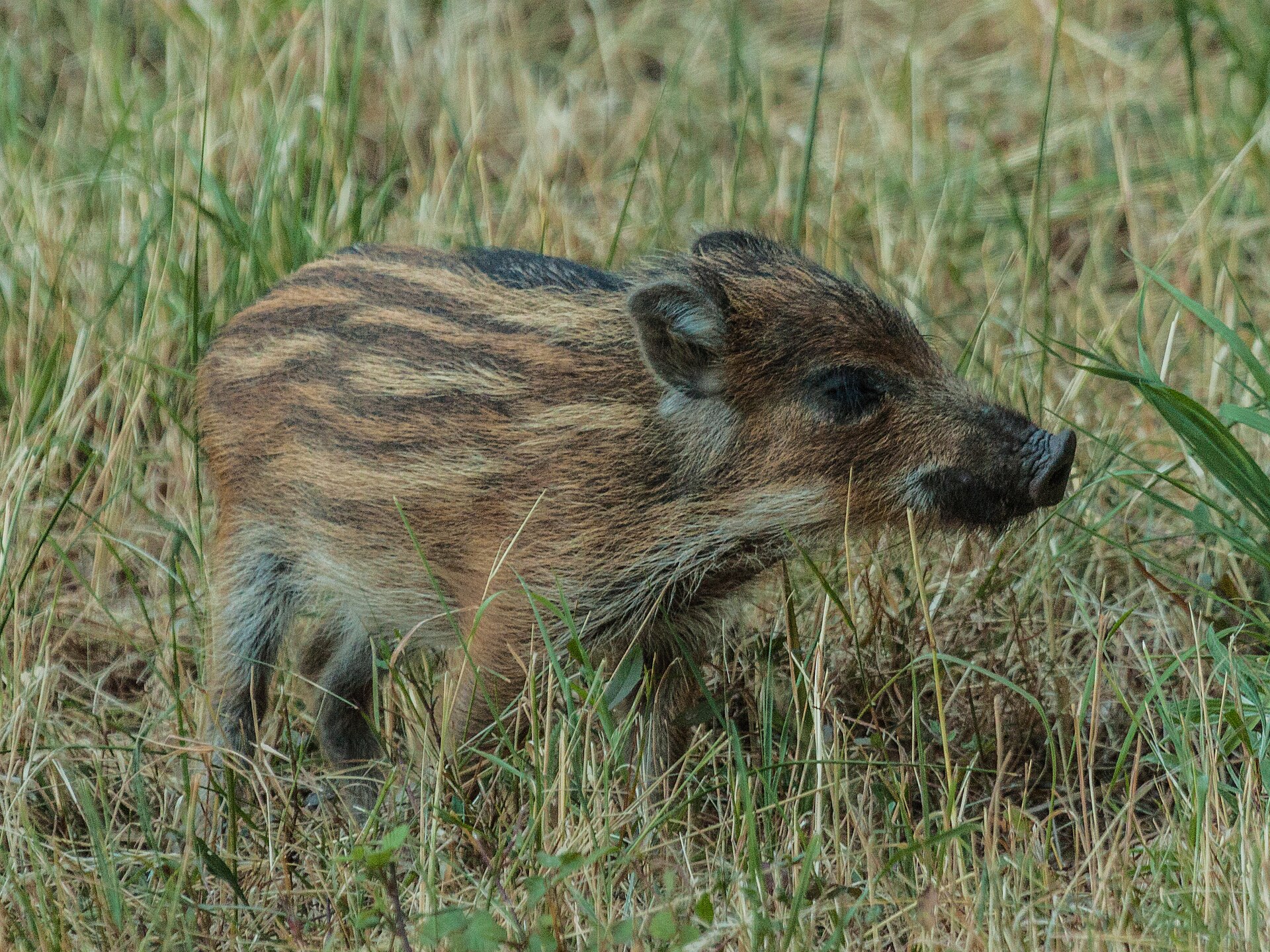
Wild-Boar-Type Juvenile Stripes Were Linked to MC1R, KIT and Local TYRP1 Regulation
A study of 932 crossbred pigs linked the wild-boar-type juvenile stripe pattern to genomic regions containing MC1R and…
Read story →SPECIES IN THIS STORY
Species in this story
Independent research and conservation news archive
Did you find this information useful?
Wildlife Vagabond is independently built and maintained. Voluntary support helps cover source verification, hosting and continued work on research and conservation news.
Support Wildlife VagabondThe news archive will remain freely available.