
Wild Boar Liver Can Contain Far More PFAS Than Meat
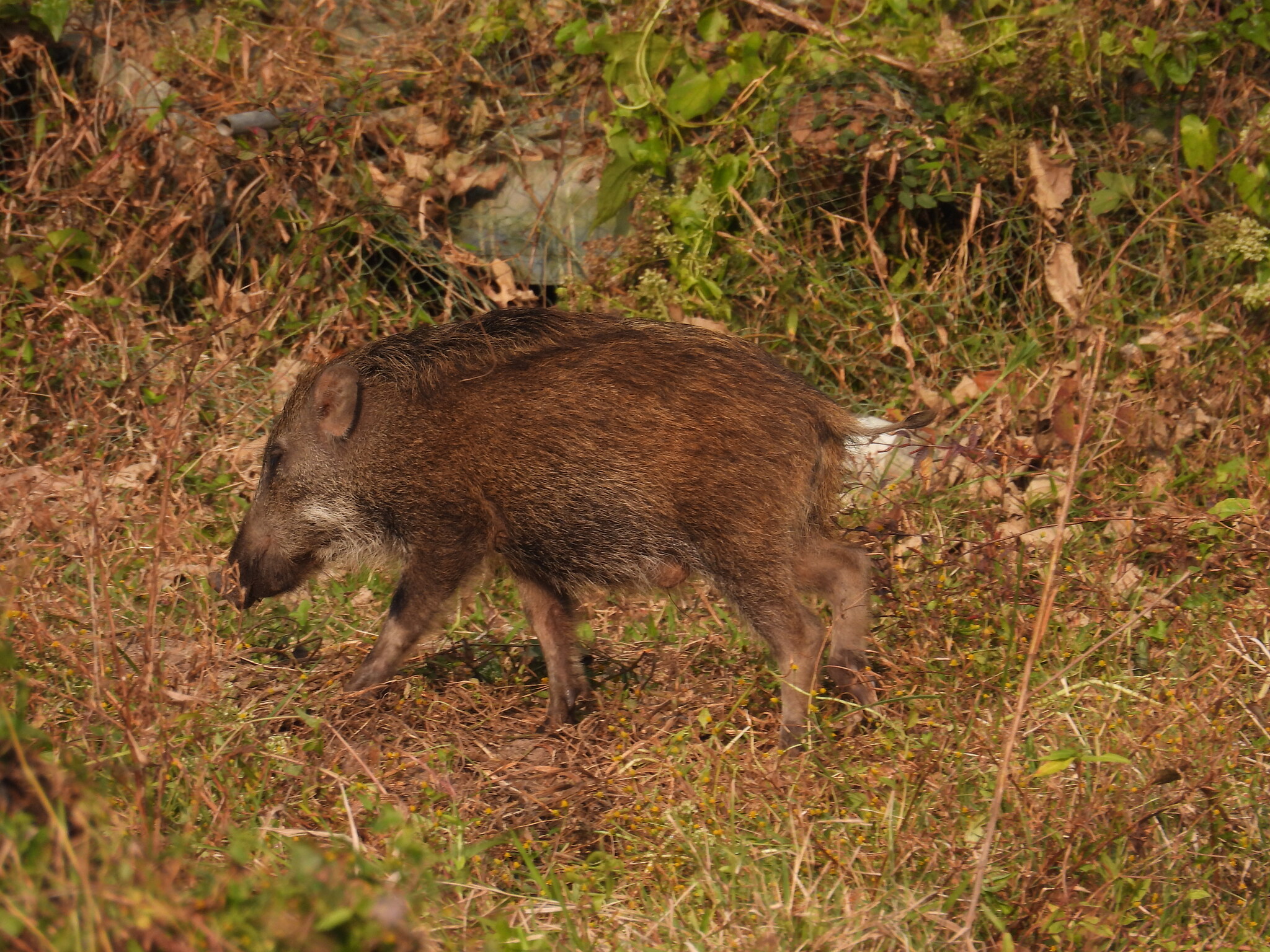
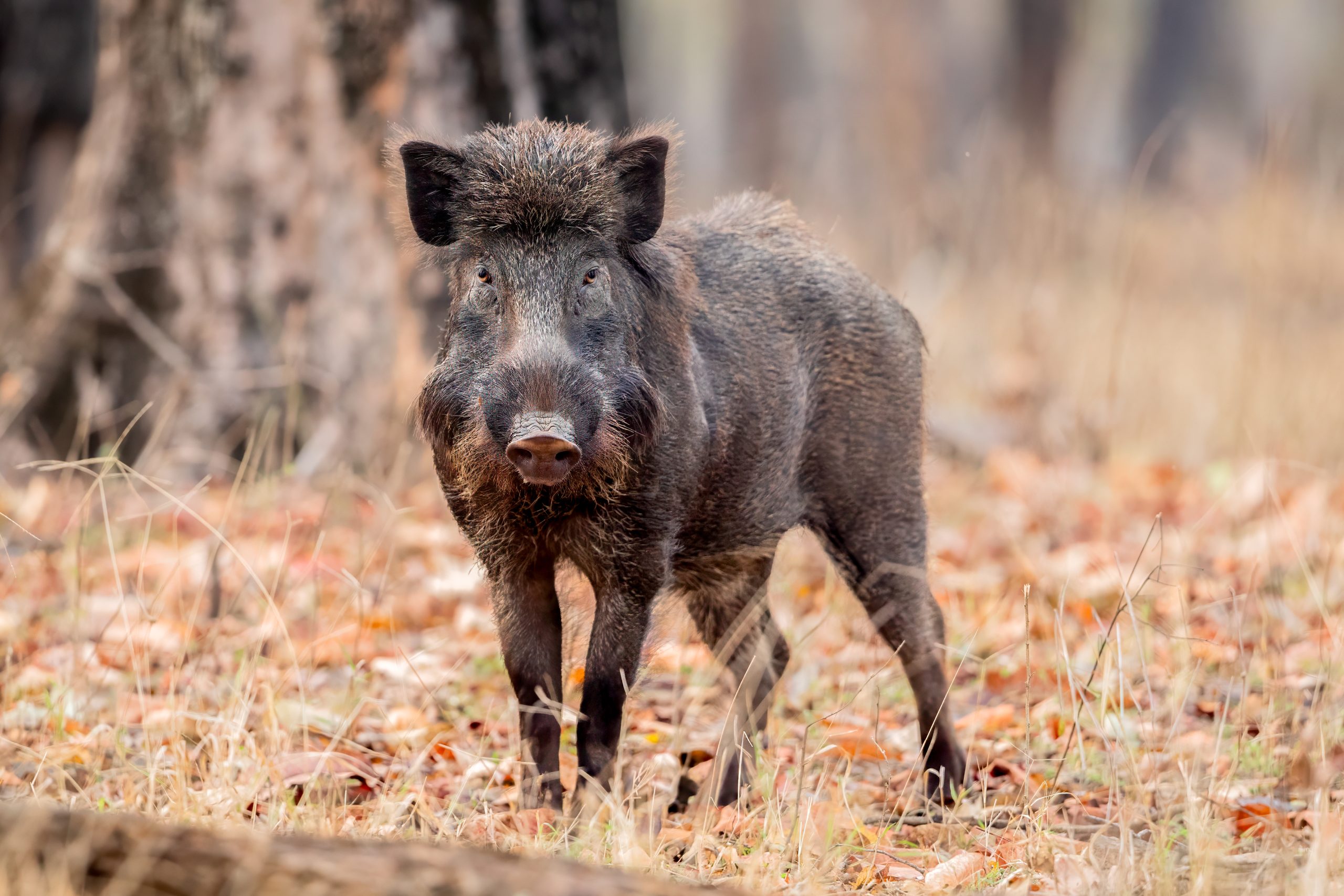
Wild boar (Sus scrofa) can help researchers track persistent environmental pollutants, but what they reveal depends on which part of the animal is tested. A 2026 review of per- and polyfluoroalkyl substances (PFAS)—a large group of long-lasting human-made chemicals—found that these compounds generally occur at higher concentrations in wild boar liver and kidney than in muscle. Long-chain PFAS, particularly PFOS, were prominent in many of the studies reviewed.
Wild boar are omnivores that root through soil as well as eat a varied diet. This brings them into contact with several parts of the terrestrial environment, making them useful bioindicators: animals whose contaminant levels can provide clues about pollution in the places where they live. The review brings together published research from Germany, Italy, Poland and the Czech Republic; it reports no new animal samples of its own.
PFAS levels depend on the tissue
A German study measured PFAS in several tissues from 82 hunted wild boar. The median combined concentration of four PFAS was 90.2 micrograms per kilogram in liver, compared with 9.45 in kidney and 1.03 in skeletal muscle. The liver median was therefore nearly 90 times the muscle median. In another study summarized by the review, liver concentrations were also much higher than muscle concentrations.
This pattern is linked in part to how PFAS interact with the body. Unlike many pollutants that collect in fatty tissue, PFAS bind readily to proteins, so protein-rich organs such as the liver and kidneys can contain more than muscle. The distribution also varies among individual PFAS: compound properties and how they are handled by the body affect where they are found. The precise processes are not fully established in wild boar, so the review treats some explanations, including active transport into organs, as possible rather than proven mechanisms.
Wild boar can reflect environmental contamination
In one German study of wild boar livers from areas with different contamination histories, the sum of measured PFAS was highest in an industrial area, at 944 micrograms per kilogram. The corresponding values were 567 in an area associated with contaminated paper sludge and 124 in a background area. The mix of chemicals also differed: PFOA was prominent in the industrial area, while PFOS dominated in the sludge-associated area. The review reports that liver profiles in some settings resembled those found in local soils, supporting the use of wild boar to identify contamination patterns. Because animals move and feed across the landscape, however, their tissues do not pinpoint a single source by themselves.
Muscle and liver matter differently for food exposure
Muscle generally contained less PFAS than liver in the studies reviewed, but lower concentration does not mean that every food-exposure question is settled. One cited German assessment estimated that a 125-gram portion of wild boar liver at the median level of four PFAS found in its study would equal about 36.6 times the European Food Safety Authority’s tolerable weekly intake for a 70-kilogram adult. This is a calculated exposure scenario, not evidence that eating a portion causes illness. It illustrates why the tissue eaten and how often it is consumed matter: muscle and offal can contribute very differently to dietary exposure.
Taken together, the findings make wild boar useful both for monitoring PFAS across terrestrial environments and for understanding how contamination can enter game meat and offal. Liver can reveal a stronger signal of environmental contamination, while muscle is more directly relevant to the meat people commonly eat. The distinction between those tissues is essential when interpreting measurements or considering potential exposure.
Ecology
Related news
Wild boar stories reveal different memories of state power on the Hungarian–Slovenian border
In Rábavidék and Goričko, people told stories that the state had released wild boar to damage peasant farming.…
Read story →
Seven mammal species recorded in Uzbekistan’s Aralkum park, including jungle cats and wild boar
The survey recorded 21 jungle cat records and seven wild boar records. Jungle cats were associated with water…
Read story →
Wild boar become more nocturnal on warmer days
Camera traps at 208 sites in eight Mediterranean protected areas linked warmer days to more nighttime activity in…
Read story →SPECIES IN THIS STORY
Species in this story
Independent research and conservation news archive
Did you find this information useful?
Wildlife Vagabond is independently built and maintained. Voluntary support helps cover source verification, hosting and continued work on research and conservation news.
Support Wildlife VagabondThe news archive will remain freely available.