
Weapons-test Fallout Contributed Less to Wild Boar Radiocaesium Than Earlier Estimates Suggested
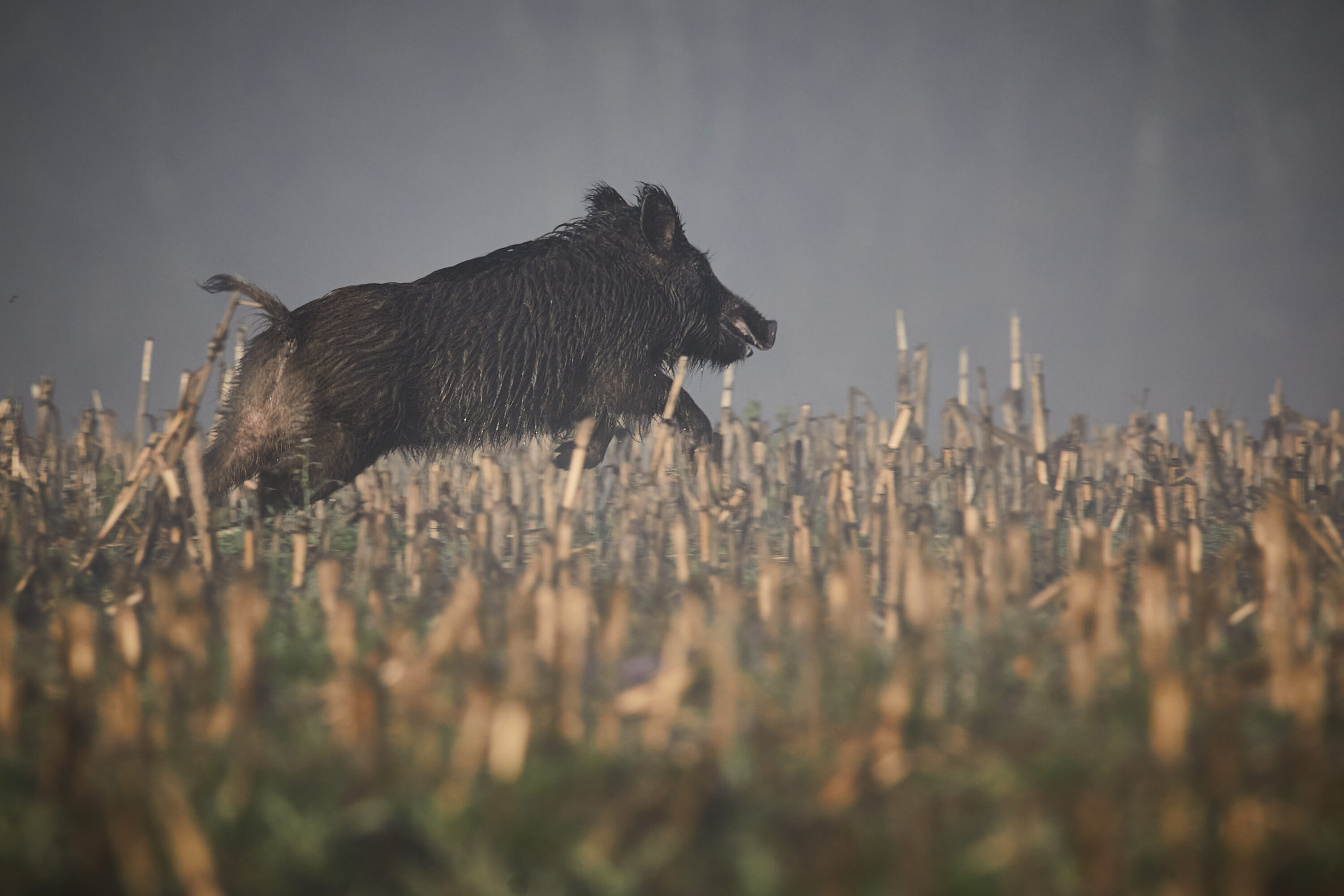
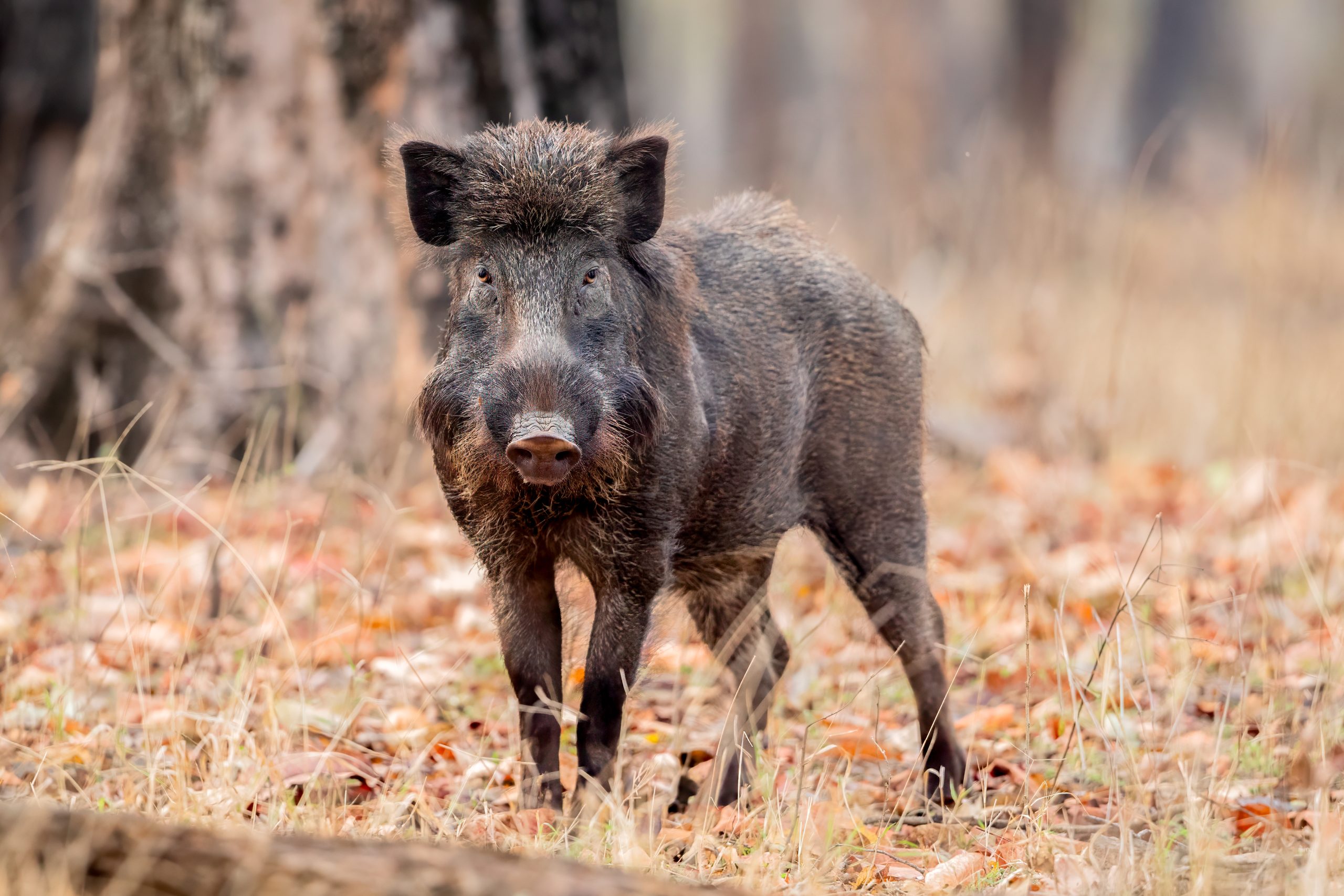
The unusually slow decline of radiocaesium in Central European wild boar (Sus scrofa) has long been known as the “wild boar paradox”. New measurements from Bavarian soils in Germany indicate that fallout from nuclear weapons testing contributes substantially less to the animals’ radiocaesium burden than earlier isotope-based estimates suggested. The study was published online in Environmental Pollution on 27 August 2026.
Wild boar in parts of Central Europe can retain high levels of caesium-137 decades after the Chornobyl accident. One reason is their consumption of deer truffles, underground fungi that the animals dig up and eat. Earlier work had proposed that older fallout from atmospheric nuclear-weapons tests had moved deeper into the soil and therefore dominated the layers where these fungi grow. On that basis, weapons-test fallout had been estimated to account for as much as 99% of radiocaesium in some wild-boar samples, with a mean contribution of 31%.
Two fallout sources leave different isotope fingerprints
The new study tested that explanation using soil cores from several regions of Bavaria, Germany. The researchers measured how radioactivity from caesium-137 changed with depth and analysed the ratio between caesium-135 and caesium-137 in selected forest soils. Because the two fallout sources have different isotope ratios, this ratio can be used as a fingerprint to estimate how much radiocaesium came from older weapons testing and how much came from Chornobyl.
Radioactivity from caesium-137 declined with soil depth, while the isotope ratio showed only a slight increase in the relative weapons-test contribution deeper in the soil. Weapons-derived radiocaesium therefore did not dominate the deer-truffle growth zone. The researchers also revised the reference caesium-135/caesium-137 ratio for weapons-test fallout upward from about 2.0 to 3.3. With the weapons-test reference point set higher, a mixed sample corresponds to a smaller weapons-test share than it did under the old benchmark.
The revised benchmark changed the source estimate
Applying the revised isotope benchmark to the wild-boar data substantially changed the estimated source mixture. The maximum contribution from weapons-test fallout fell from 99% to 52%, and the mean contribution fell from 31% to 16%. Correspondingly, the estimated minimum contribution from Chornobyl fallout rose from 1% to 48%.
Weapons-test fallout still contributes
The result does not mean that older weapons-test fallout is irrelevant. It shows that its contribution had been overestimated when the earlier isotope benchmark was used. The revised source allocation helps reconcile previously conflicting estimates of how quickly radiocaesium declines in wild boar and resolves an important part of the wild boar paradox.
Other research
Related news
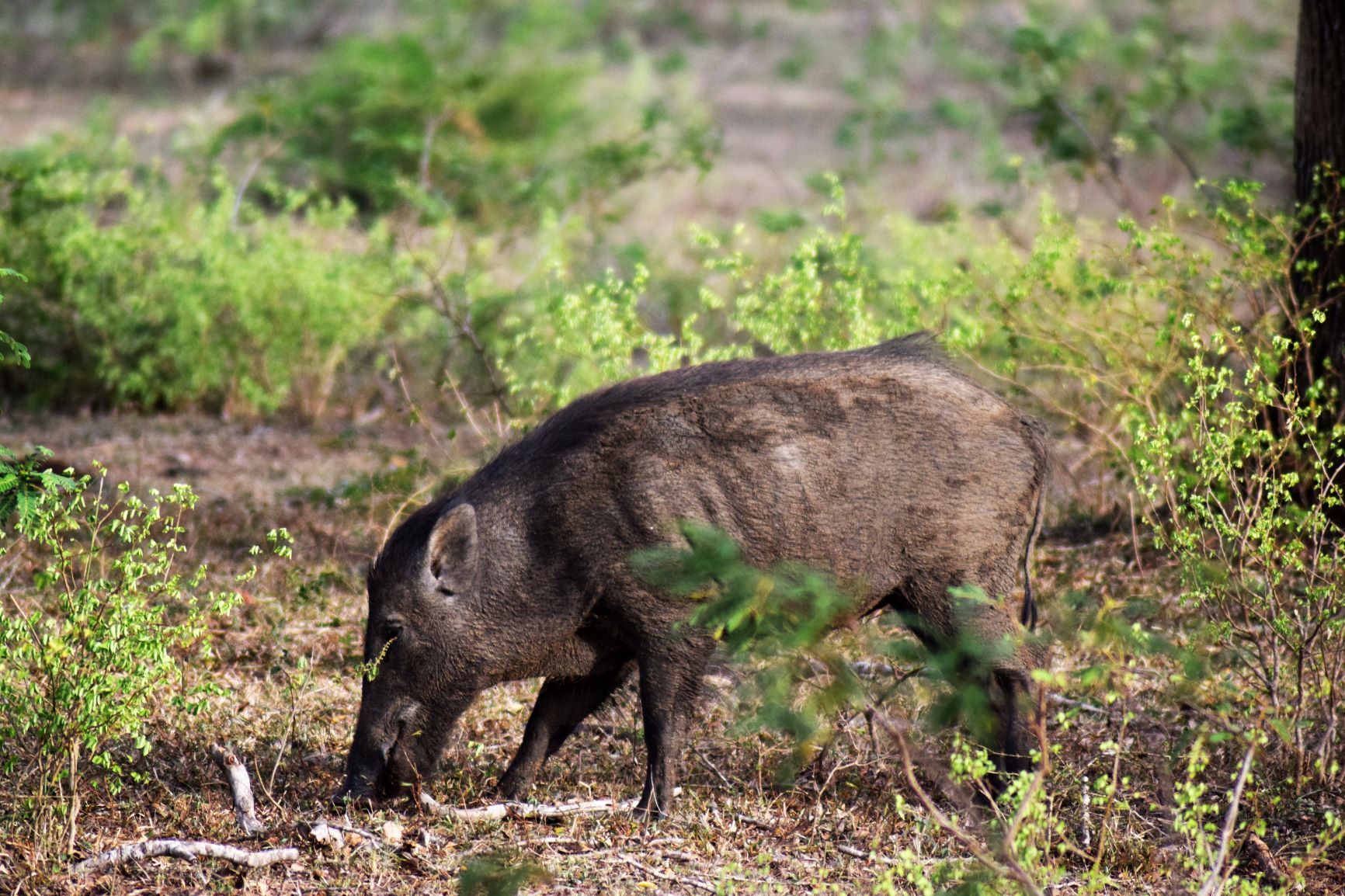
Maps Show Where Wild Boar Could Thrive and Spread on Jeju Island
Researchers mapped potentially suitable wild-boar habitat across roughly 36% of Jeju Island and identified eight possible corridors linking…
Read story →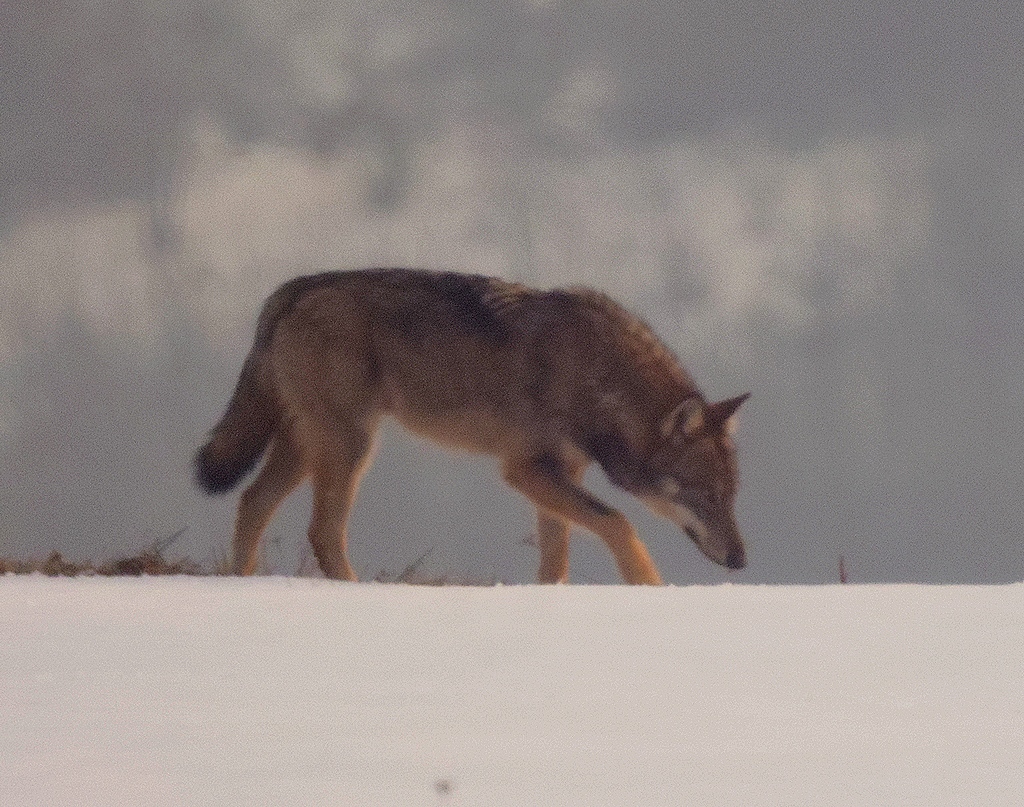
Roe Deer and Wild Boar Remained Key Wolf Prey as Diet Shifted Across North-western Italy
From 2021 to 2025, wolves in north-western Italy continued to feed mainly on wild prey. In the Po…
Read story →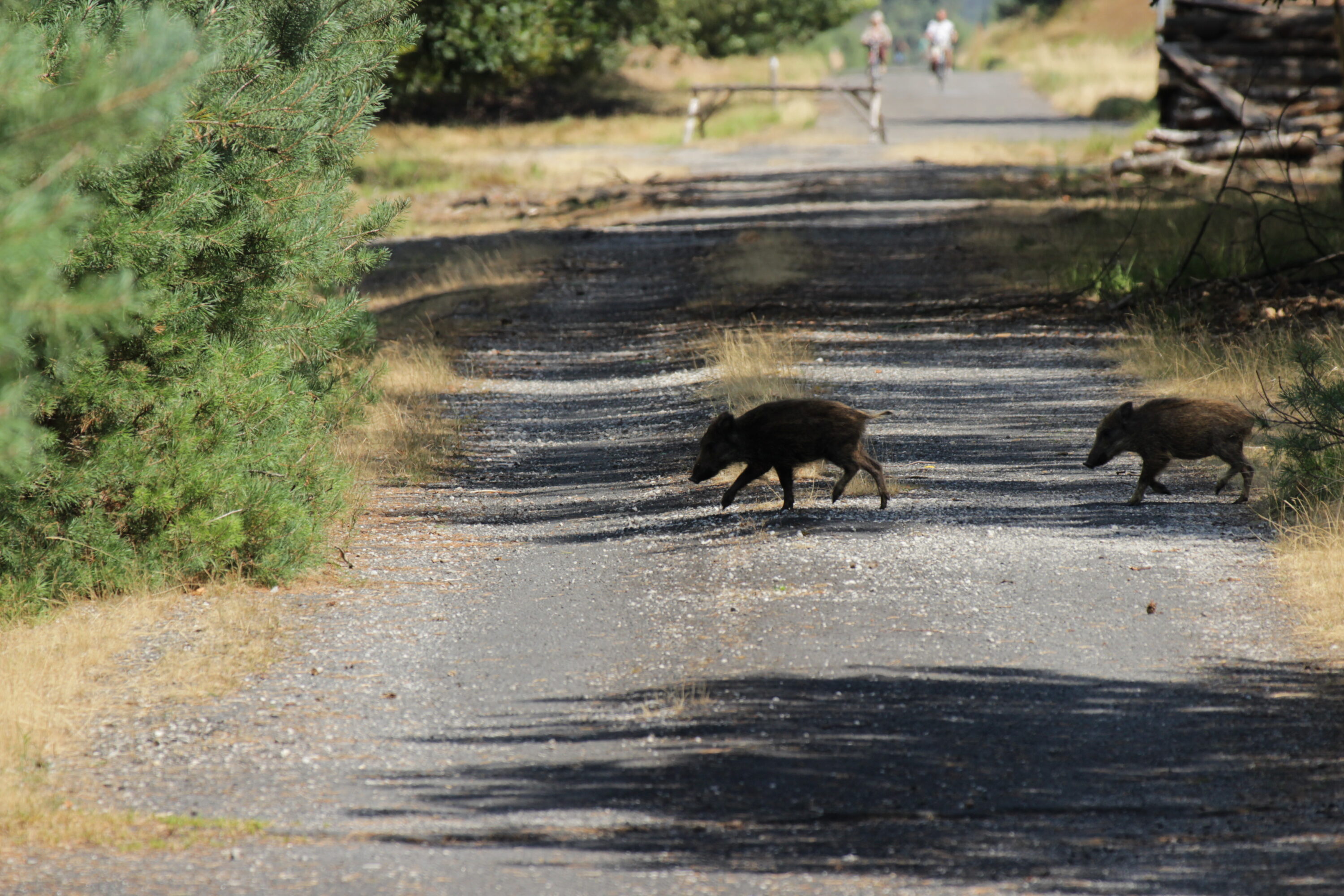
Copper levels in wild boar differed across Slovak districts
An analysis of kidney, liver and muscle from 147 wild boar in four districts found that iron and…
Read story →SPECIES IN THIS STORY
Species in this story
Independent research and conservation news archive
Did you find this information useful?
Wildlife Vagabond is independently built and maintained. Voluntary support helps cover source verification, hosting and continued work on research and conservation news.
Support Wildlife VagabondThe news archive will remain freely available.