
Wild Boar Showed Limited Antibody Binding to Human Norovirus Antigens
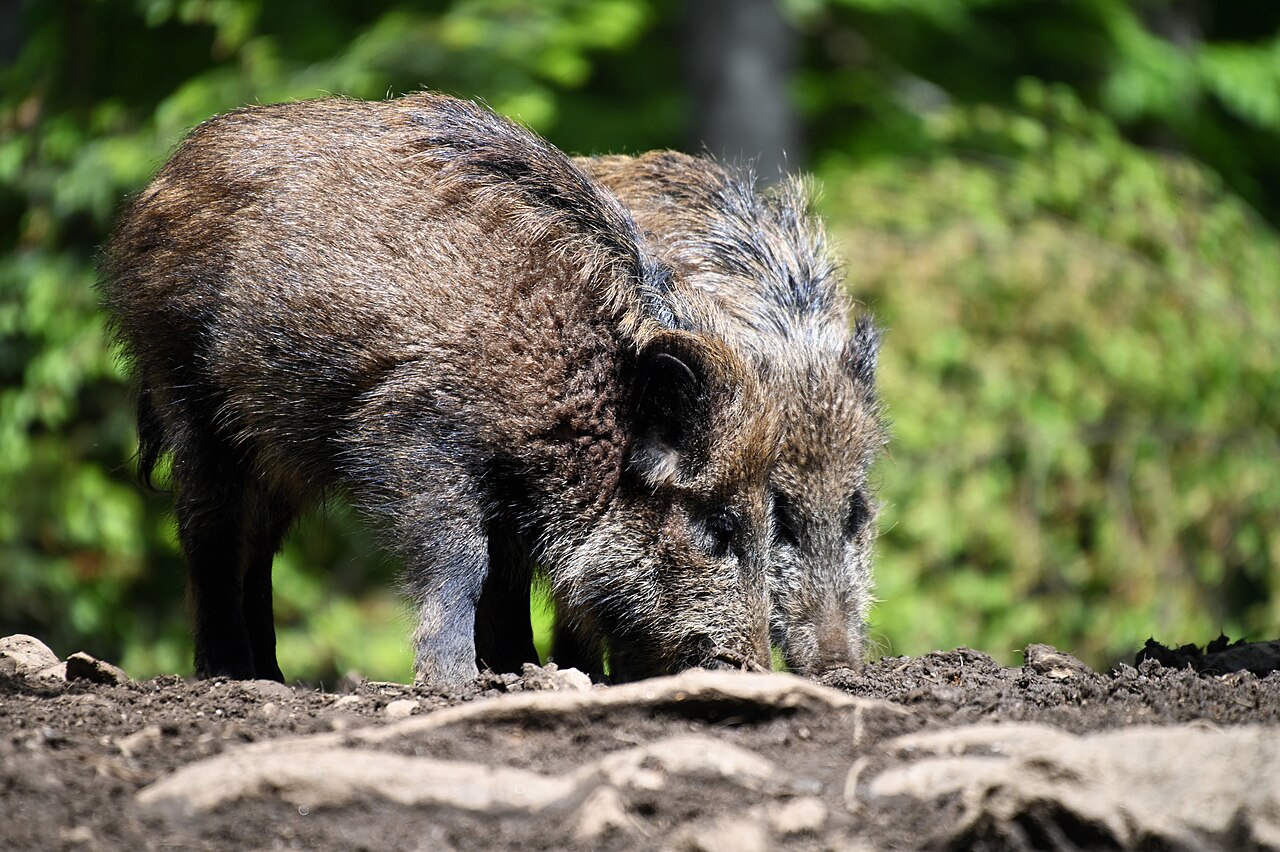
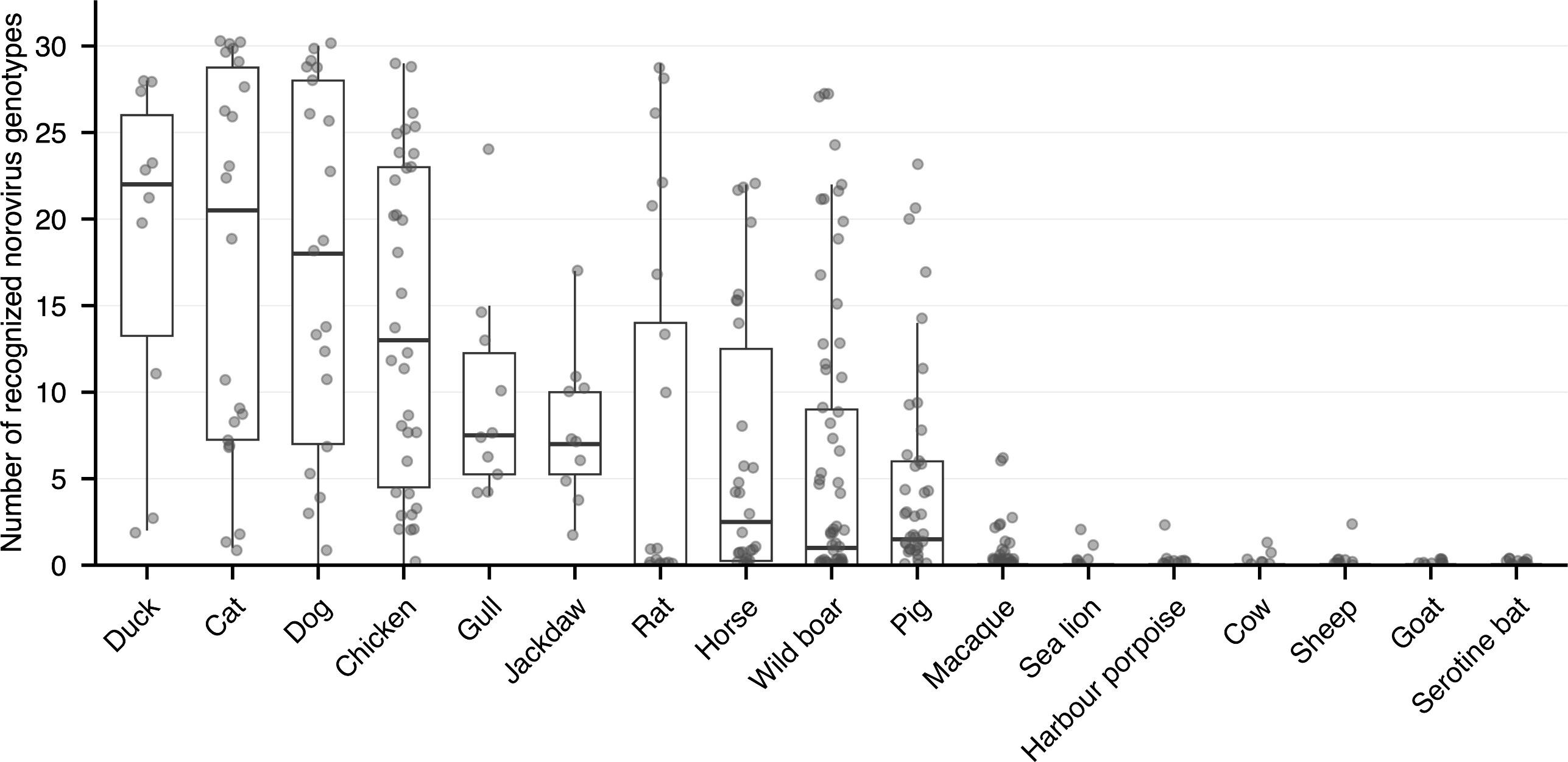
Antibodies in wild boar reacted with some antigens from human noroviruses, but the responses were generally more limited than those measured in cats, dogs and several bird groups. The study examined 72 free-ranging wild boar (Sus scrofa) sampled in the Netherlands in 2014–2015, as part of a wider analysis of 465 samples from 17 animal species.
Noroviruses occur in different genotypes, and antibodies can react with more than one related antigen. That makes a positive antibody test difficult to interpret: it shows that antibodies bind to the tested material, but does not by itself reveal which virus prompted the reaction or establish that an animal was infected.
Binding did not point clearly to particular genotypes
The researchers used a protein microarray to measure IgG antibodies in serum against P-particle antigens from 30 norovirus genotypes. These particles were made from the protruding part of VP1, a norovirus protein. Wild-boar samples showed lower antibody titers against fewer genotypes than samples from cats, dogs and several groups of birds.
Three of the 72 wild boar—4.2%—had titers above 640 against at least two antigens. Across the animal groups, however, antibody binding was often broad rather than clearly specific to one genotype. The high readings therefore do not identify which virus, if any, the animals had encountered.
A second test checked whether antibodies blocked binding
For selected serum samples, the researchers also tested whether antibodies could block VP1 from binding to histo-blood group antigens (HBGAs). This assay confirmed some responses detected by the microarray, but it could not determine whether they came from exposure to human norovirus, cross-reaction with animal noroviruses or nonspecific binding.
Overall, the study found no clear evidence that human noroviruses were circulating in the animals.
Disease, parasites & microbiology
Related news
Could wild boar help maintain a tick-borne bacterium in Sweden?
Researchers tested spleen samples from 87 wild boar in southern and central Sweden for Neoehrlichia mikurensis. None contained…
Read story →
Roe deer crossed through existing railway structures, but wild boar rarely did
Cameras at 40 existing railway structures in northwestern France recorded roe deer crossing at nine and wild boar…
Read story →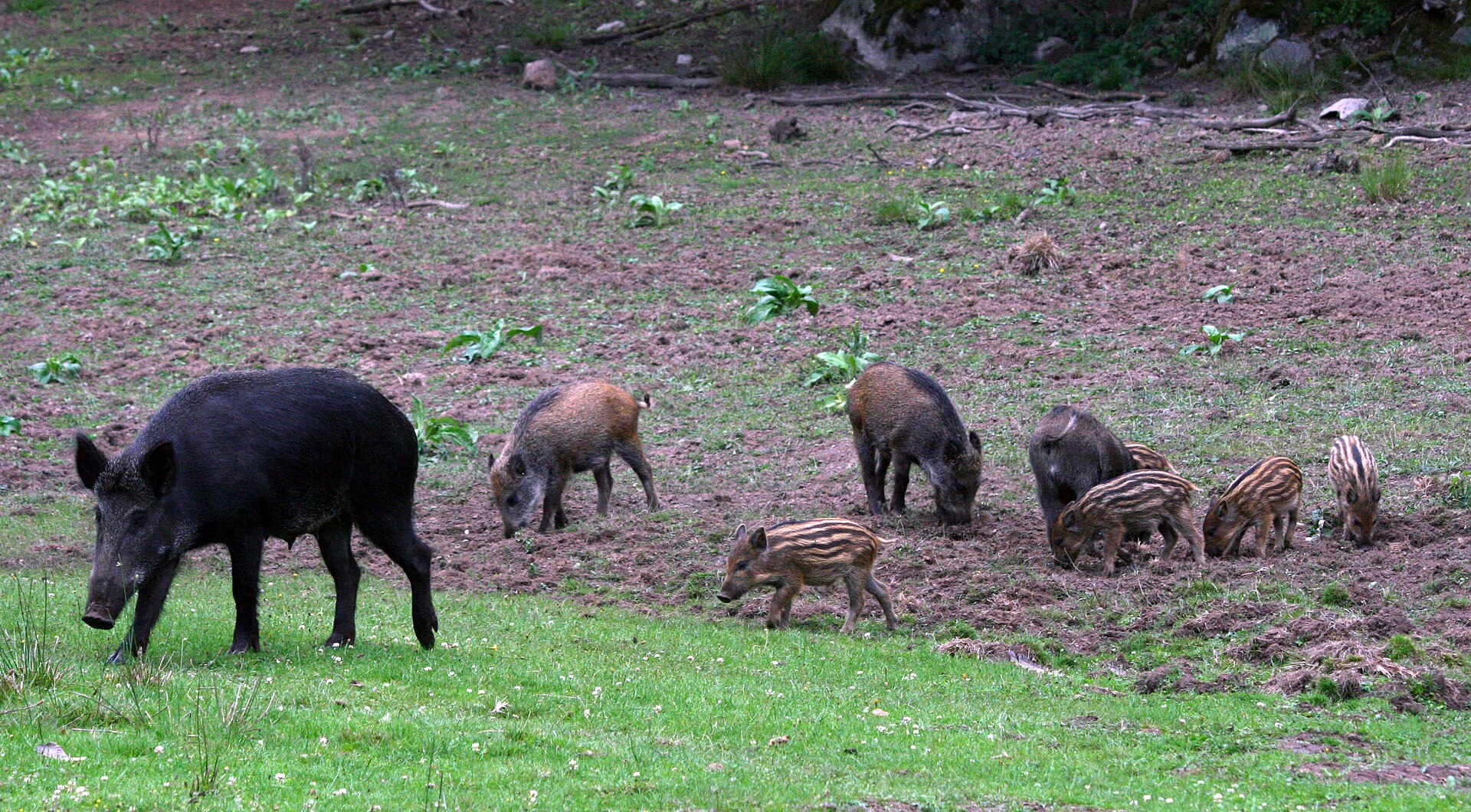
Wild Boar in Northern Europe Reflect Natural Spread and Human Translocations
A genomic comparison of wild boar from Finland, Sweden and Norway supports different histories across the region: Finnish…
Read story →SPECIES IN THIS STORY
Species in this story
Independent research and conservation news archive
Did you find this information useful?
Wildlife Vagabond is independently built and maintained. Voluntary support helps cover source verification, hosting and continued work on research and conservation news.
Support Wildlife VagabondThe news archive will remain freely available.