
Wild Lions Stalked Life-Sized Dummy Prey in Uganda
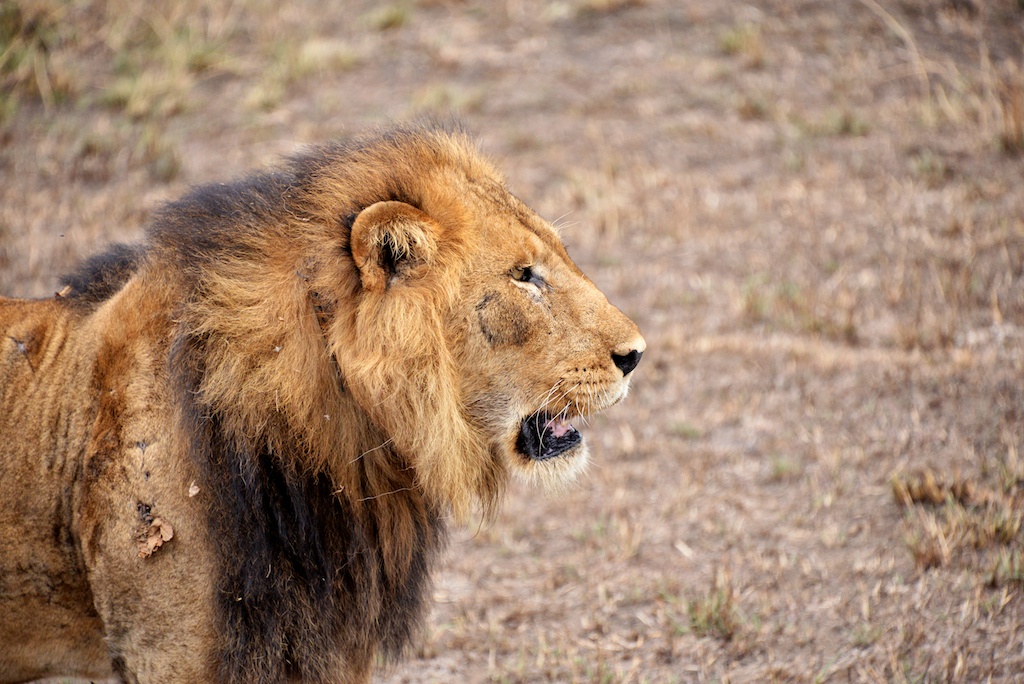
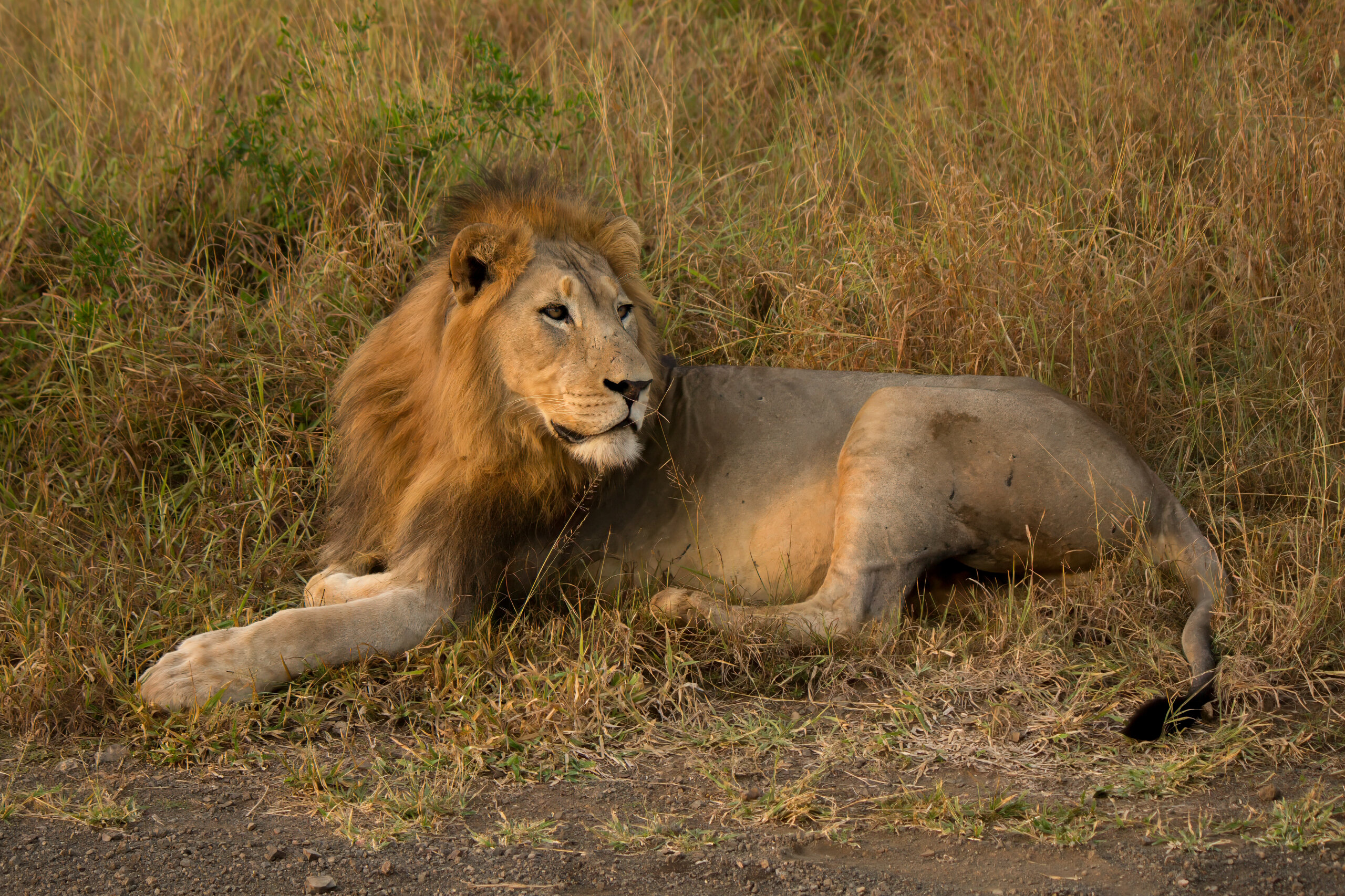
Wild lions (Panthera leo) in Murchison Falls National Park, Uganda, stalked life-sized dummy prey in 7 of 22 visits during a field test of a new way to study the opening phase of a hunt. The technical note, published on 8 August 2026, treated stalking as a predatory response because the lions slowed their approach, moved directly towards a model and crouched or lifted their paws unusually high while trying to remain undetected.
Over 43 evenings from June to August 2024, the researchers placed two static models about 30 m apart in open habitat. One resembled a hartebeest and the other domestic zebu cattle; wire frames were covered with locally obtained hides and built in a head-down grazing posture. When no lions were already nearby, distress calls from other prey species were played to attract them to the area. The team identified 35 lions and estimated that they belonged to three prides. They then recorded how the lions reacted to the models.
Lions inspected the models in 20 visits but stalked in seven
At least one lion paid attention to the models in 21 of 22 visits, and lions came close enough to inspect them in 20. Stalking occurred in seven visits, or 32%. When only the first visit by each lion or group was considered, stalking occurred in 6 of 12 visits (50%). Among first visits by lone lions, it occurred in 5 of 8 (63%). Six of the seven lions that stalked did so while alone.
The authors suggest that solitary lions may have had better opportunities to use stealth in the open landscape than groups, but the sample was too small to establish this as a general difference in hunting behaviour.
The models worked only during the approach
No lion attacked a model. Each stalk ended about 1–5 m away, probably when the lion recognised that the apparent prey was not real. The authors argue that a motionless model in a grazing posture may still look plausible during the early approach, when a stalking predator could interpret the lack of movement as a sign that it has not yet been detected. Static models are therefore better suited to studying how a hunt begins than what happens during an attack or after contact.
All seven stalks occurred in the first half of the experiment. Habituation may have contributed, but the authors stress that the small sample cannot show this with certainty: even three new lone lions visiting later did not stalk. They recommend larger study populations and varying the models to reduce the risk that animals learn the setup.
Behaviour
Related news
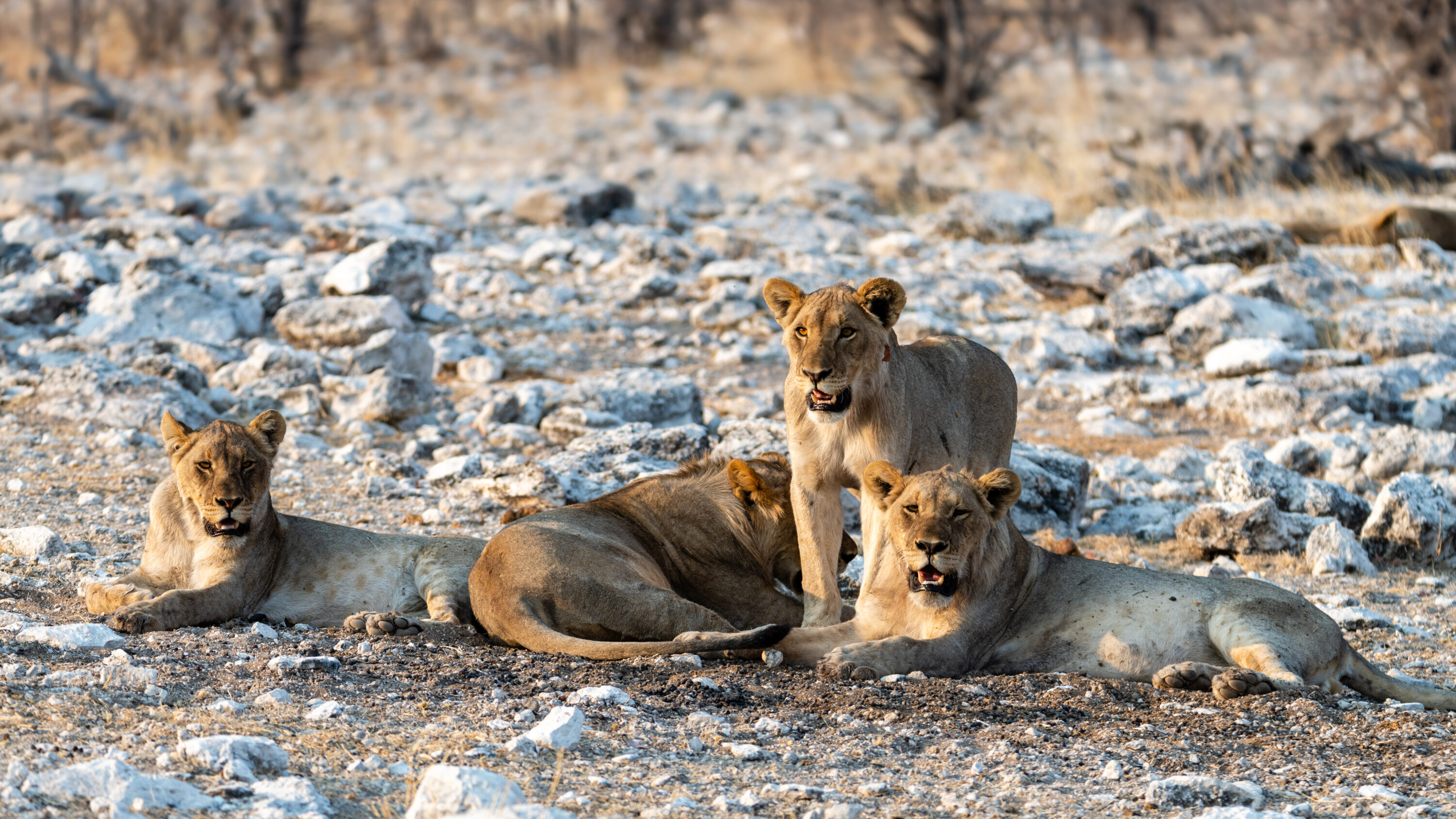
A Little-Known Microbial World Inside Lions’ Guts
Faecal samples from wild lions in Namibia gave researchers a much clearer picture of their gut bacteria. Microbial…
Read story →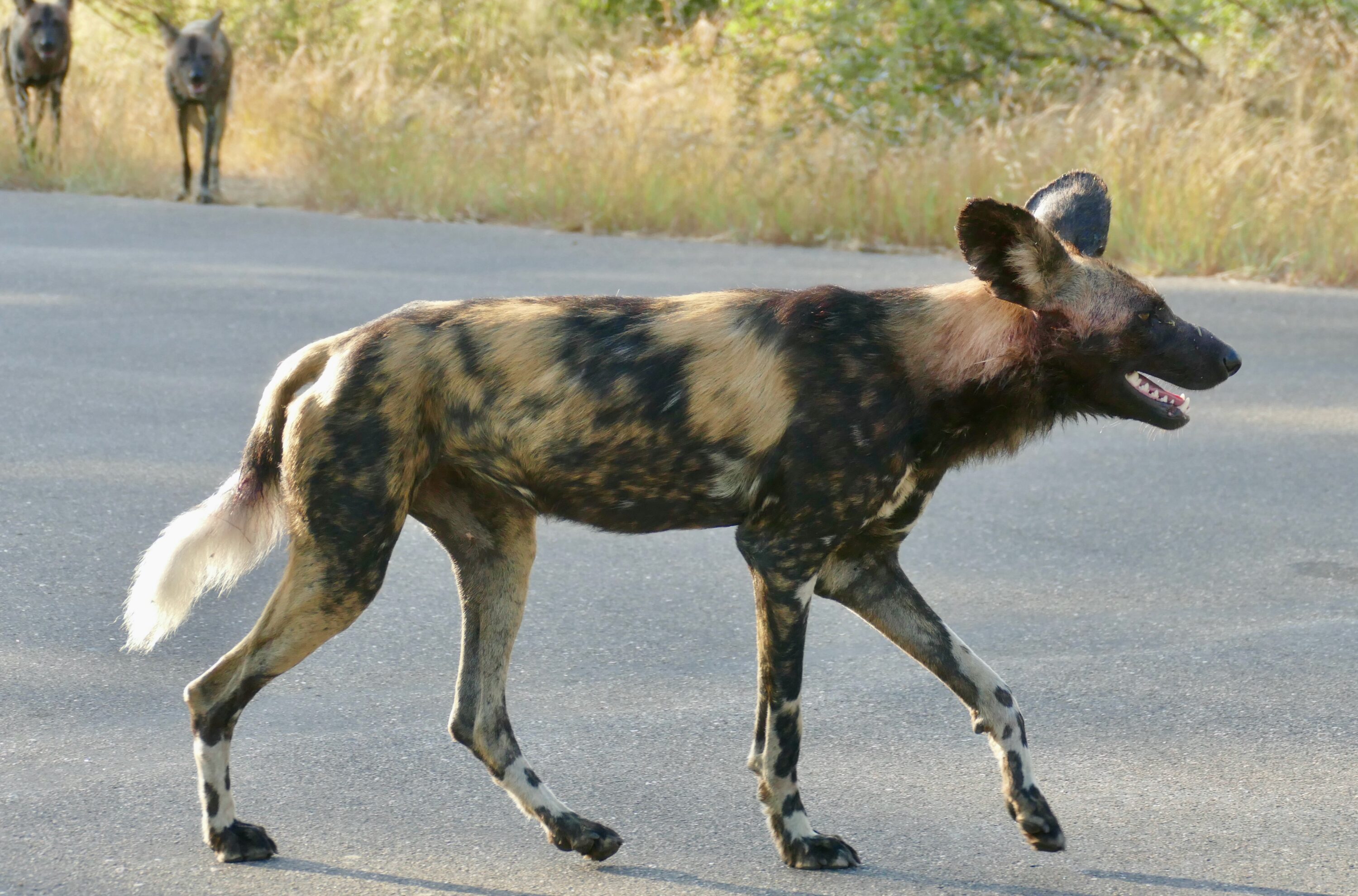
Food Leaves Its Mark on the Gut Bacteria of Kruger’s Wildlife
Gut bacteria in nine mammal species from Kruger National Park followed clear patterns linked to food and digestion.…
Read story →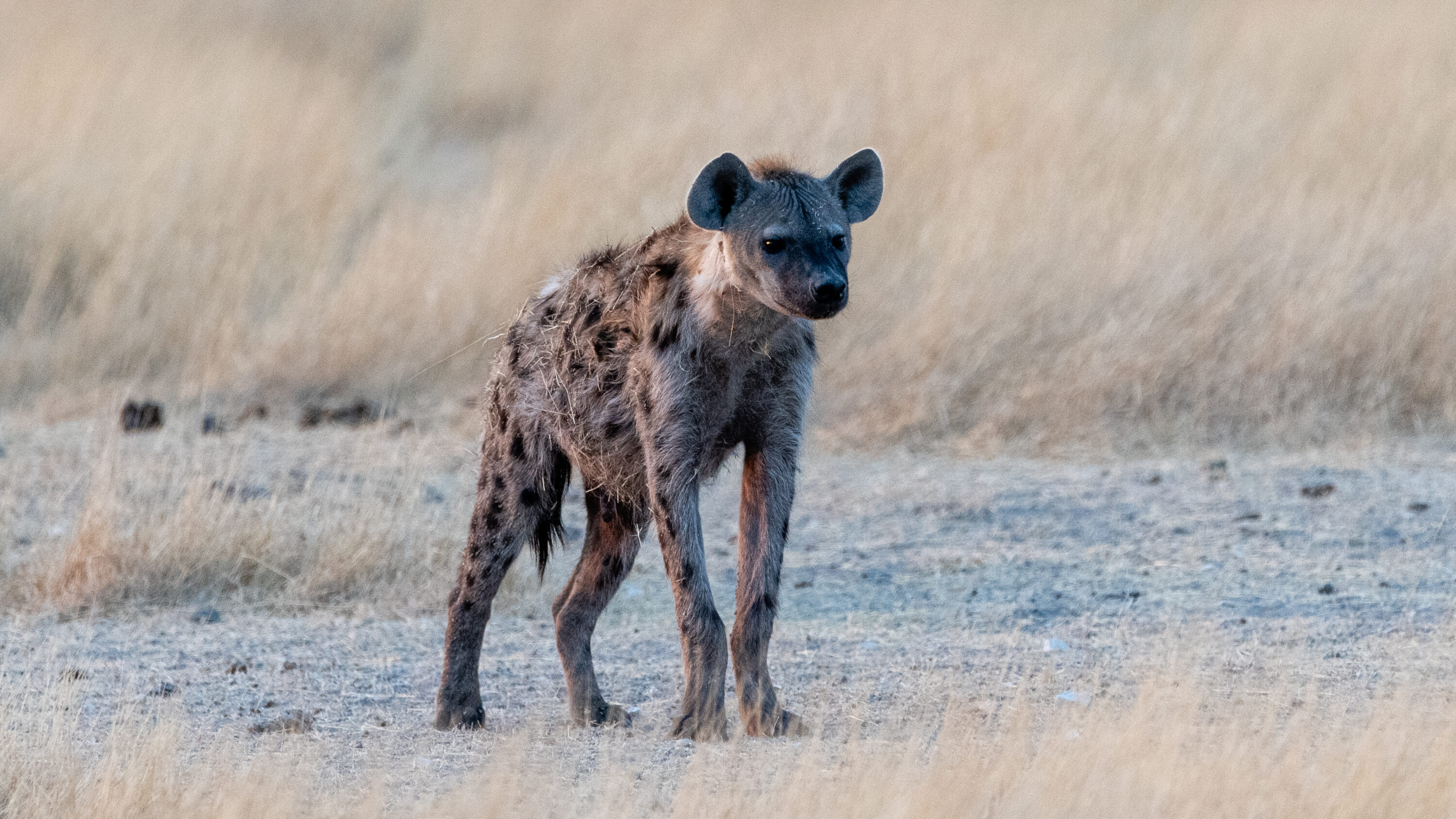
Spotted Hyenas Repeatedly Moved Away From Lions in Five-Minute GPS Data
High-frequency GPS data from Namibia and Botswana showed a robust retreat bias in spotted hyenas around lions, while…
Read story →SPECIES IN THIS STORY
Species in this story
Independent research and conservation news archive
Did you find this information useful?
Wildlife Vagabond is independently built and maintained. Voluntary support helps cover source verification, hosting and continued work on research and conservation news.
Support Wildlife VagabondThe news archive will remain freely available.