
Wild roe deer carried bacteria with virulence and antibiotic-resistance genes
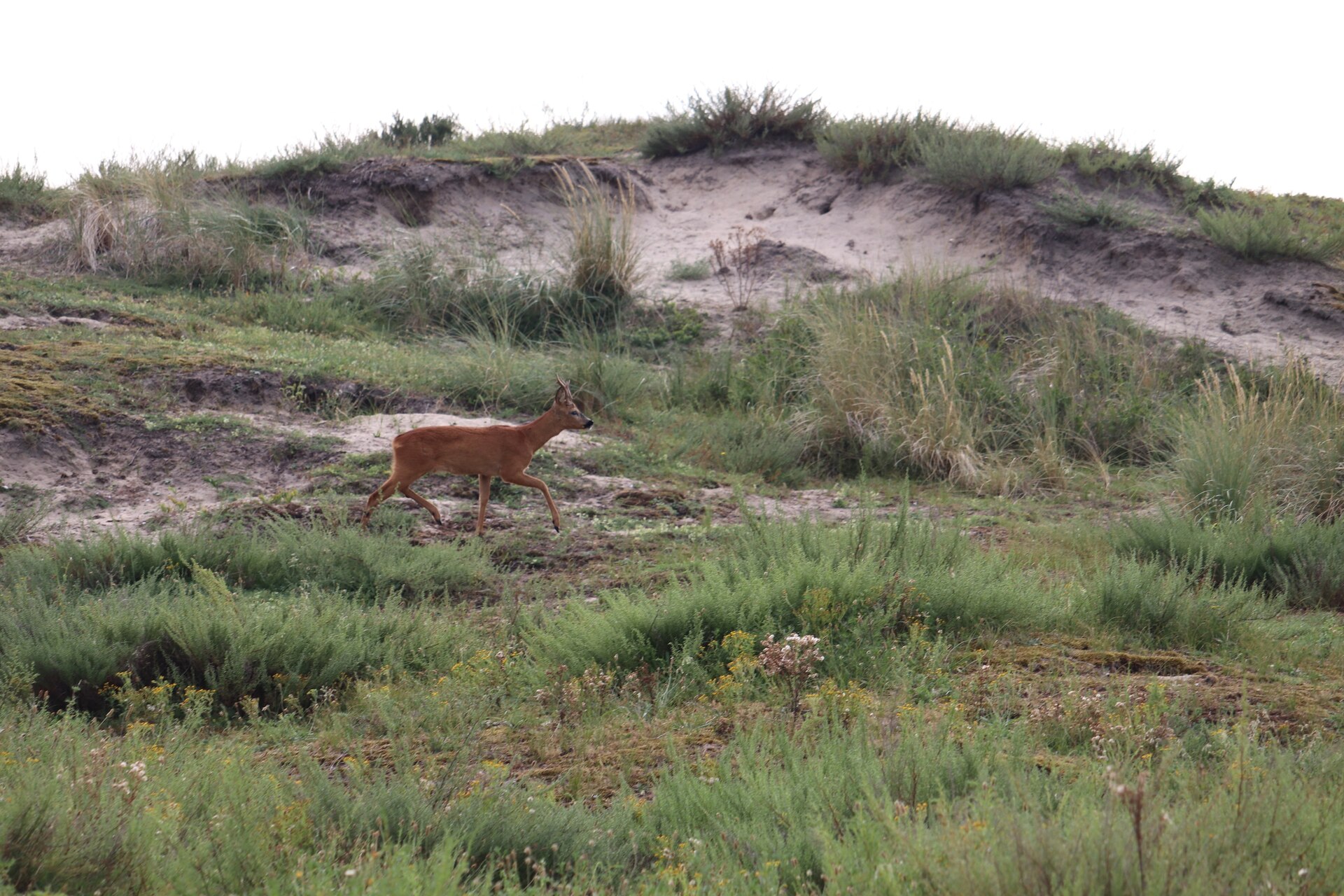
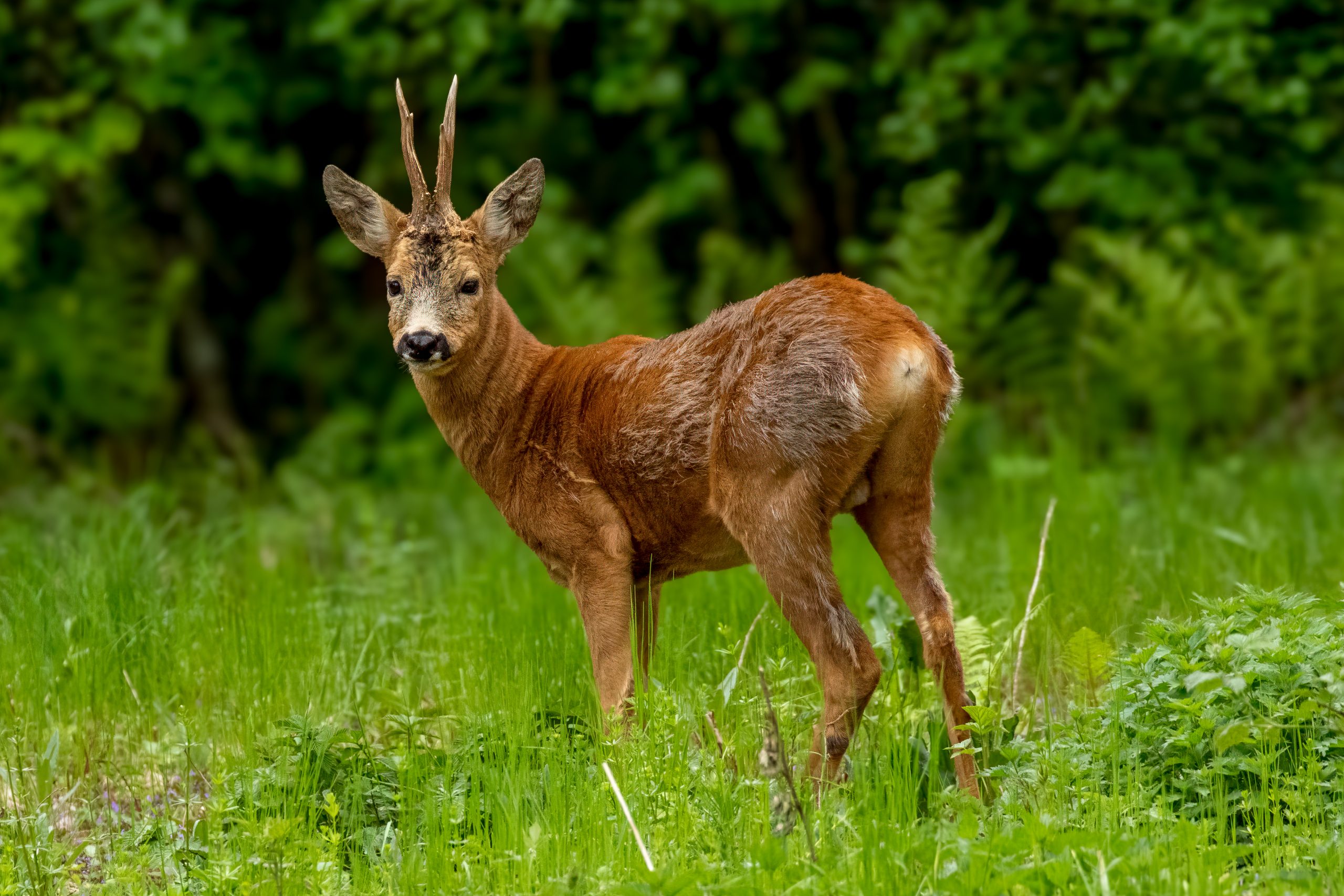
Enterococci are common gut bacteria in animals. Most are harmless, but some strains can act as opportunistic pathogens. Fecal samples from free-living European roe deer (Capreolus capreolus) in Zádiel, eastern Slovakia, contained enterococci with genes associated with virulence, biofilm formation and antibiotic resistance. The deer had no documented antibiotic treatment.
The researchers collected 20 fecal samples in spring 2024 and recovered 25 bacterial strains from 15 samples. Fifteen strains were Enterococcus mundtii, nine were E. faecalis and one was E. casseliflavus; they did not isolate E. faecium. The species mix differs from the enterococci commonly studied in hospitals and livestock, where E. faecalis and E. faecium are prominent. E. mundtii and E. casseliflavus are associated with plants and the environment, which fits the roe deer’s diet of shoots, herbs and leaves.
The two main species carried different gene profiles
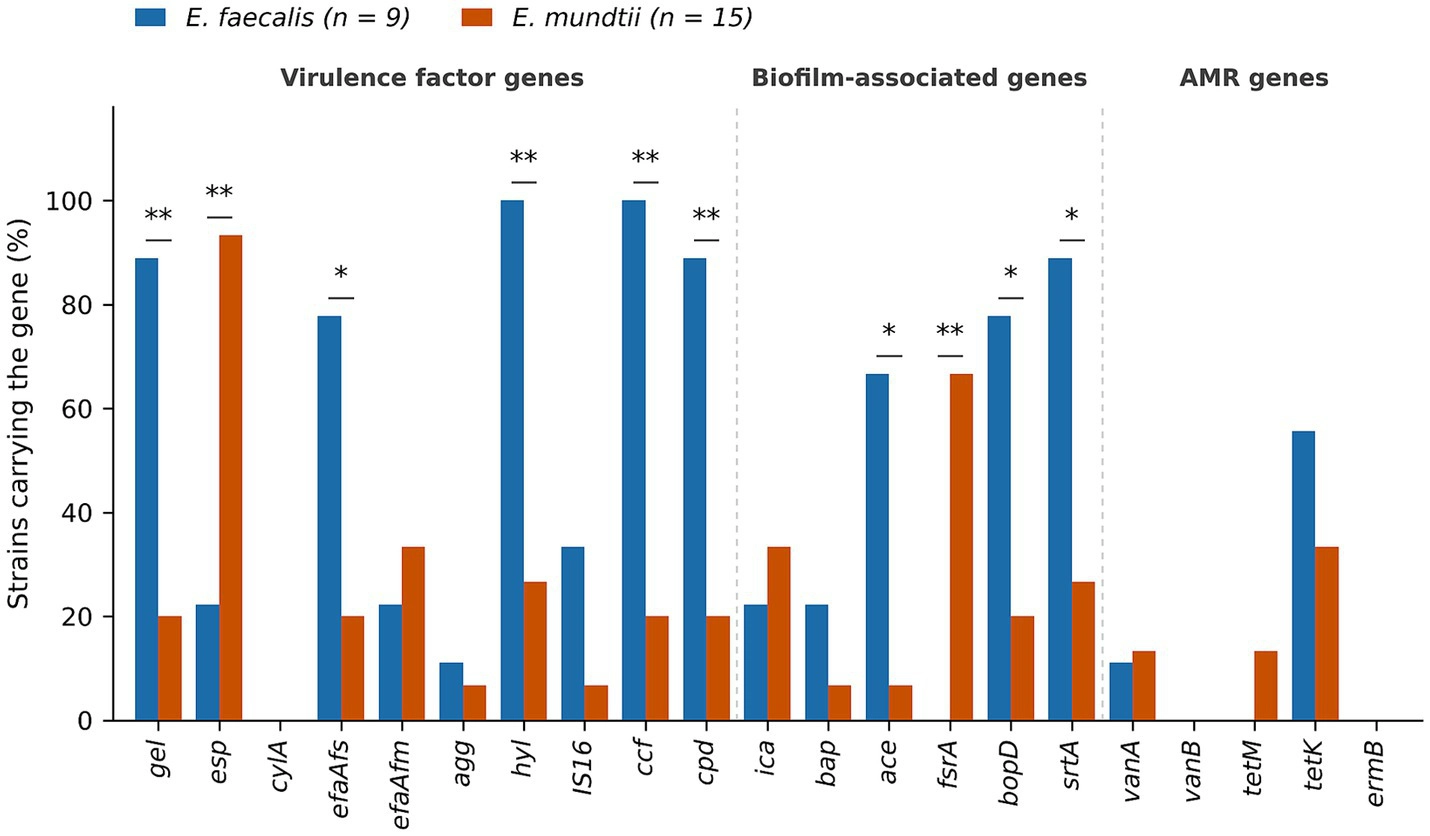
Using PCR, which tests for specific DNA sequences, the researchers screened the strains for genes linked to traits that can help bacteria attach to host tissues, interact with tissues or persist. The esp gene, associated with an enterococcal surface protein, was found in 16 of the 25 strains (64%). Genes linked to gelatinase and hyaluronidase were also detected, along with genes for adhesins—molecules that help bacteria attach to host tissues. The cylA gene, associated with cytolysin, was not found in any strain.
The profiles differed between the two common species. Eight genes, including gel, hyl and the adhesin genes efaAfs and ace, were more prevalent in E. faecalis; two, esp and fsrA, were more prevalent in E. mundtii. Eight of the nine E. faecalis strains carried five or more of the tested virulence-associated genes, whereas 12 of the 15 E. mundtii strains carried only one or two. This is a difference in the genes detected, not proof that the genes were active or that the bacteria caused disease. Some unexpected detections—for example, esp in E. mundtii—were identified by PCR product size but not confirmed by DNA sequencing, so the authors treat them as preliminary.
All 25 strains tested positive for biofilm formation in a qualitative laboratory assay. A biofilm is a community of bacteria attached to a surface; this growth form can help bacteria persist and withstand host defenses. The test showed a positive result, but could not rank strains by how much biofilm they formed. The strains also carried biofilm-associated genes: srtA was detected in 48%, fsrA and bopD in 40% each, ace in 32%, ica in 28% and bap in 12%.
Resistance-associated genes were present, but resistance was not tested
The tetracycline-associated gene tetK was found in 11 strains (44%) and tetM in two (8%). The vancomycin-resistance-associated gene vanA occurred in three strains (12%). The researchers did not detect vanB or ermB. All 13 strains carrying a resistance-associated gene also carried virulence-associated genes. But the study did not test how the bacteria responded to antibiotics, so gene detection alone does not establish antibiotic resistance.
The results document enterococci with these gene profiles in roe deer from one area and one spring sampling period, despite no documented antibiotic treatment. They add evidence that wildlife can carry such genes outside hospitals, farms and food settings, a reason the authors argue wild animals should be included in studies of environmental circulation. The study does not establish where the genes originated or how widely they occur in roe deer.
Ecology
Related news
Roe deer crossed through existing railway structures, but wild boar rarely did
Cameras at 40 existing railway structures in northwestern France recorded roe deer crossing at nine and wild boar…
Read story →
Fast-growing male Soay lambs had shorter telomeres; in roe deer, habitat mattered
A review found mixed evidence for a growth–telomere link. In wild Soay sheep, postnatal mass gain was associated…
Read story →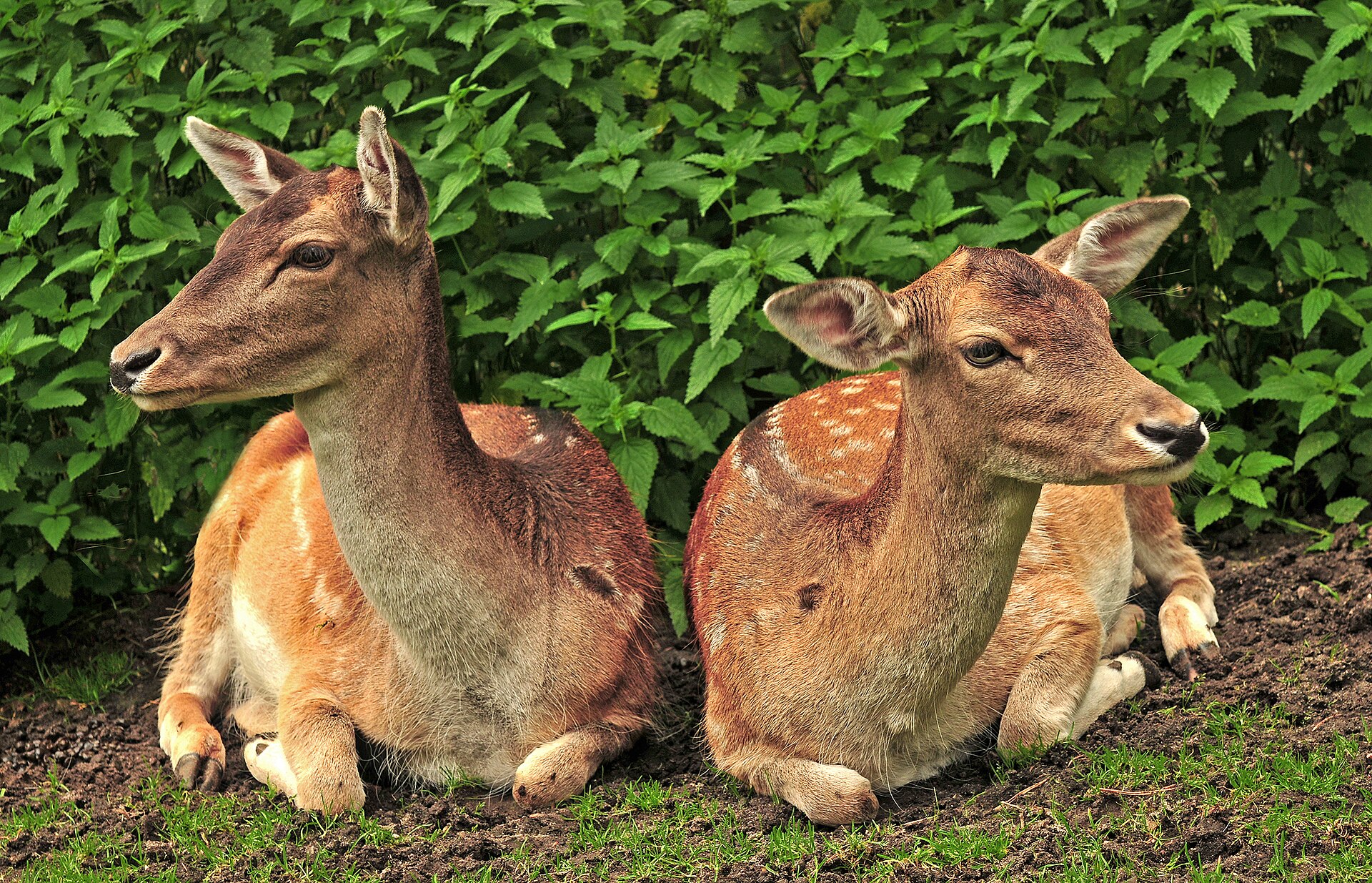
Meat colour differed among four wild ungulates, but could not reliably identify them
Measurements of a shoulder muscle from roe deer, fallow deer, red deer and European mouflon found differences in…
Read story →SPECIES IN THIS STORY
Species in this story
Independent research and conservation news archive
Did you find this information useful?
Wildlife Vagabond is independently built and maintained. Voluntary support helps cover source verification, hosting and continued work on research and conservation news.
Support Wildlife VagabondThe news archive will remain freely available.