
Willow and Marsh Tit Groups Shared Gene-flow Barriers in China but Used Different Climatic Niches
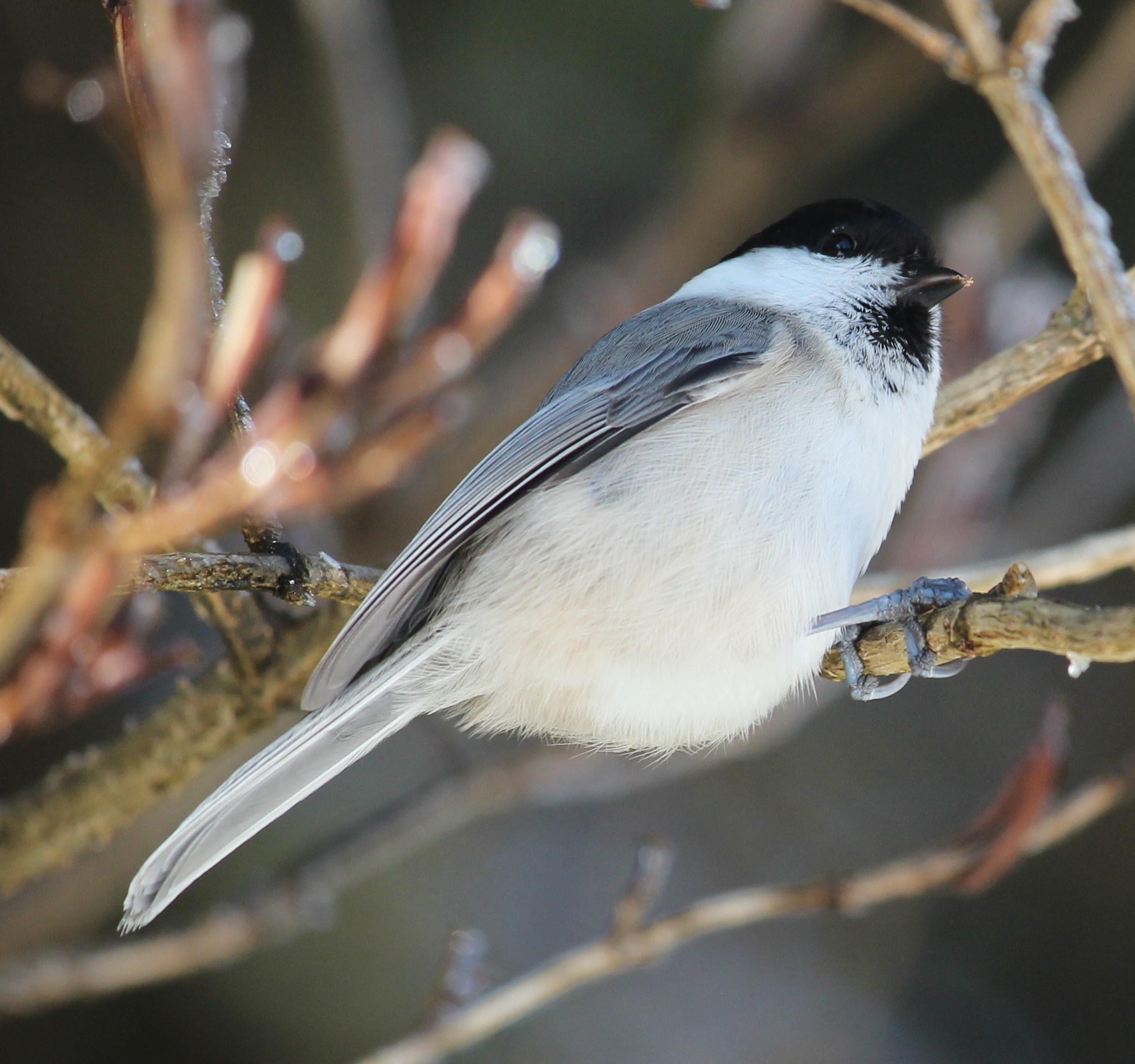
The willow tit (Poecile montanus) and marsh tit (Poecile palustris) groups overlap across much of East Asia, but they have not diversified in exactly the same way. A study first published on 27 January 2026 asked whether the same broad geographic barriers had split the two groups in parallel, and whether their ecological niches had diverged as well.
The researchers resequenced whole genomes from 60 birds representing eight East Asian taxa: P. m. baicalensis, P. m. affinis, P. m. stoetzneri and P. weigoldicus in the willow tit group, and P. p. brevirostris, P. p. hellmayri, P. h. hypermelaenus and P. h. dejeani in the marsh tit group. Genome-wide data were used to reconstruct relationships and population structure, then compared with nearly 4,000 filtered occurrence records from East Asia and a larger dataset used to examine how often the two groups coexist.
Shared barriers, different genetic histories
Both groups contained several genetically differentiated lineages. In the willow tit group, affinis and stoetzneri were extremely close and together were most closely related to weigoldicus, while the northern baicalensis lineage was more distant. In the marsh tit group, dejeani was the earliest-diverging lineage. hypermelaenus did not form an exclusive lineage of its own: it was paraphyletic with respect to brevirostris and hellmayri, and neighbouring taxa also showed genetic admixture.
Despite those different relationships, the two groups showed two broad barriers to gene flow in roughly the same parts of China. One separated the northern baicalensis and brevirostris lineages from populations farther south. The other separated the central affinis/stoetzneri and hellmayri groups from populations farther south and southwest, close to the north-eastern edge of the Qinghai–Xizang Plateau and the Qinling region.
The authors do not interpret these as simple present-day mountain barriers. They argue that repeated cold periods during the Pleistocene probably fragmented forest corridors and repeatedly reduced contact between populations. The factors associated with genetic differentiation also differed between the groups: climatic and environmental differences were most important in the willow tit group, whereas resistance to dispersal through the landscape was more important in the marsh tit group. The authors suggest that differences in dispersal ability may contribute to this contrast.
Broad overlap, but different climatic niches
The occurrence data showed substantial overlap, but not identical niches. Across East Asia, the marsh tit group was associated with warmer and more humid conditions, while the willow tit group extended farther into colder climates. The analysed records also differed strongly in elevation: mean elevation was 1,272 metres for the willow tit group and 478 metres for the marsh tit group. In both groups, however, the south-western lineages occurred considerably higher than their northern and central counterparts.
A larger co-occurrence analysis found the two groups together almost twice as often as expected if their distributions were independent. The ecological result is therefore not that they occupy separate regions, but that they show partial niche separation while remaining broadly sympatric.
Genome data complicate the current taxonomy
The clearest taxonomic issue concerns the marsh tit complex. dejeani was the earliest-diverging lineage and showed only weak admixture with neighbouring hypermelaenus. Together with the paraphyly of hypermelaenus, this led the authors to argue that dejeani should at least be recognised as a valid subspecies and may warrant species rank. If dejeani were treated as a species, they argue that hypermelaenus should instead be included as a subspecies of P. palustris. They stress that morphology, vocalisations and denser geographic sampling are needed before the taxonomy can be resolved.
The willow tit complex presents a different problem. affinis, stoetzneri and weigoldicus formed one Chinese clade, with baicalensis farther removed, and the genome-wide data gave poor support for treating weigoldicus as a separate species. Important Central and Western Palearctic taxa were not sampled, so the authors call for a broader review combining genomic evidence with morphology, vocalisations and denser geographic sampling.
Evolution & taxonomy
Related news

More caterpillars in blue tit diets were linked to heavier nestlings
In a boreal forest near Oulu, researchers compared the nestling diets of five bird species. Blue tits had…
Read story →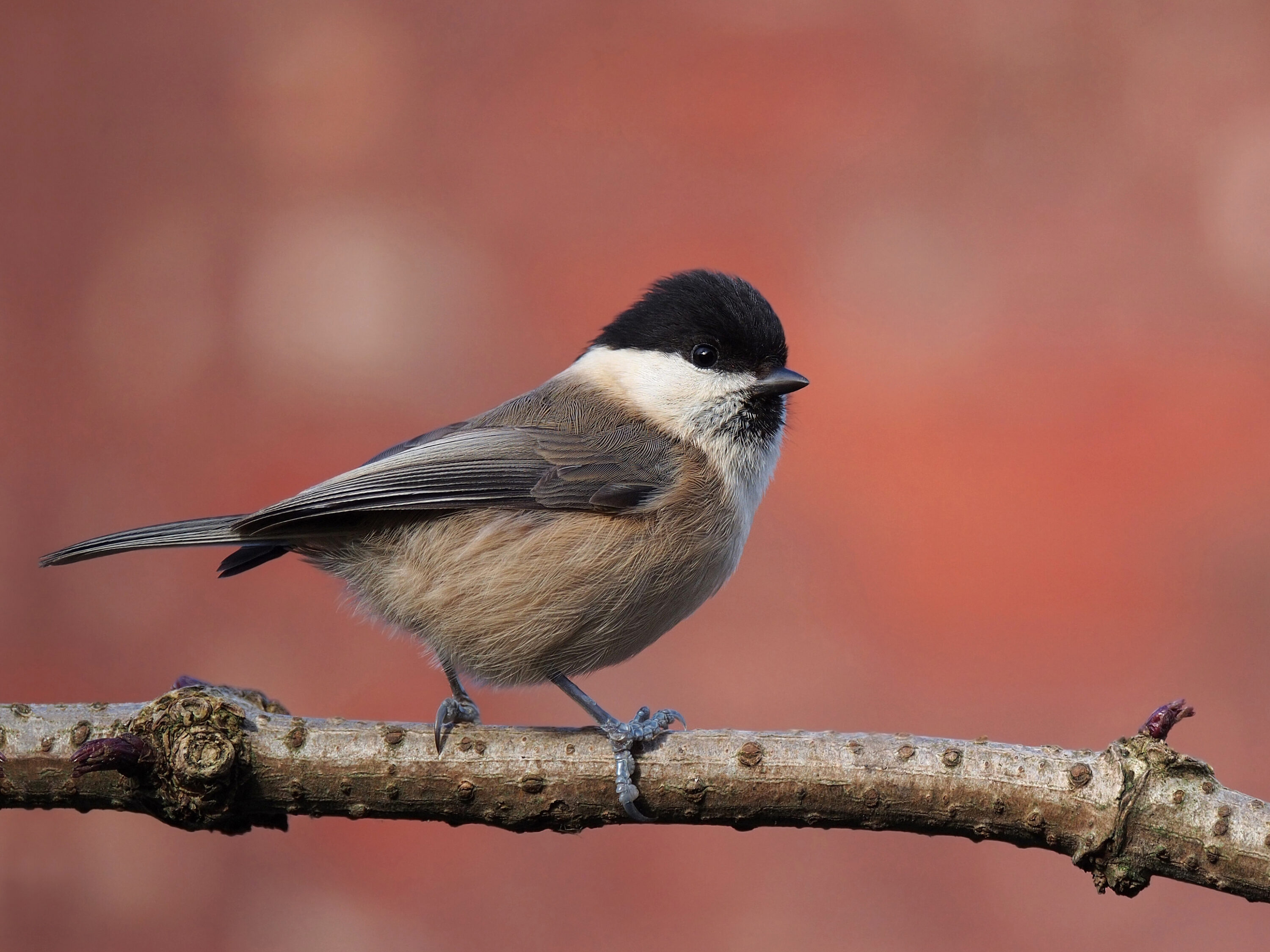
Natural England Funded Development of a National Willow Tit Recovery Strategy
Natural England funded a 2026–2029 project to build a national recovery strategy for willow tit across several English…
Read story →
Mean Eurasian Blue Tit Winter Count Rose Fourfold in Finnish Urban Survey Plots
Across 31 Finnish settlements, mean Eurasian blue tit counts rose from 2.8 birds per standardised urban plot in…
Read story →SPECIES IN THIS STORY
Species in this story
Independent research and conservation news archive
Did you find this information useful?
Wildlife Vagabond is independently built and maintained. Voluntary support helps cover source verification, hosting and continued work on research and conservation news.
Support Wildlife VagabondThe news archive will remain freely available.