Description
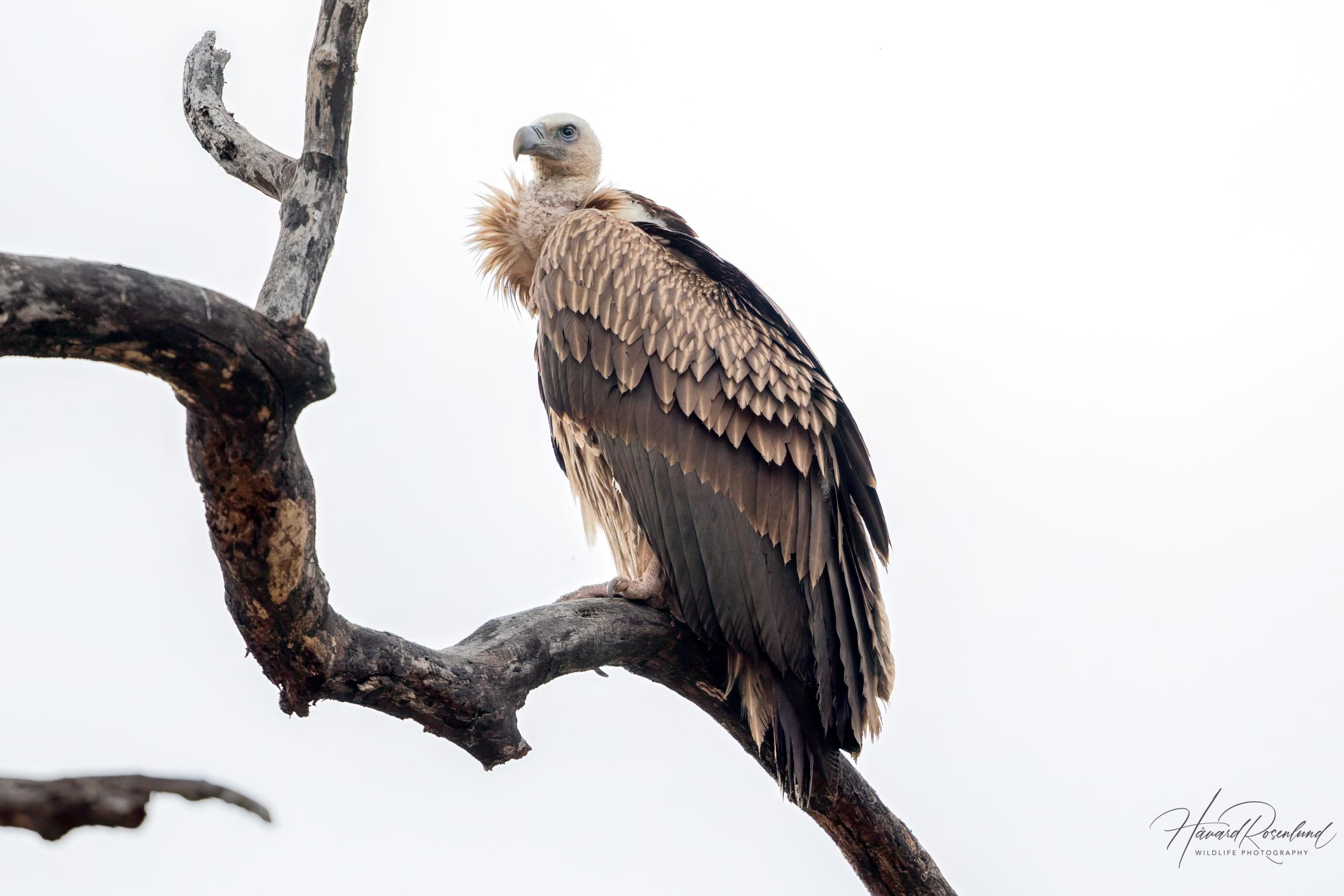
The Himalayan griffon (Gyps himalayensis), also known as the Himalayan vulture, is one of the largest vultures in the world and a characteristic scavenger of the high mountains of Asia. It is found across the Himalayas and the Tibetan Plateau, extending into parts of Central and South Asia.
It is a massive bird, with a wingspan reaching up to 3.1 meters (10.2 ft). Body length ranges from 115 to 150 cm (45–59 in), and it typically weighs between 8 and 12 kg (18–26 lbs), with females slightly larger than males.
The plumage is overall pale sandy-brown to buff, with darker flight feathers that stand out clearly in flight. The head and neck are covered in pale down, and adults show a distinct whitish ruff at the base of the neck. Compared to the similar Eurasian griffon (Gyps fulvus), the Himalayan griffon is larger, paler, and more heavily built, with a stronger bill.
Diet & habitat
Like other vultures, the Himalayan griffon is a scavenger that feeds almost entirely on carrion. It mainly consumes the carcasses of large mammals such as yaks, livestock, and wild ungulates. By rapidly removing dead animals, it plays an important ecological role in limiting the spread of disease.
It is closely associated with high-altitude environments and is typically found in mountainous regions, alpine meadows, and plateaus, often between 1,200 and over 5,000 meters above sea level. It nests on cliffs and steep rocky slopes and spends much of its time soaring in search of food.
Behavior
Himalayan griffons are highly social birds and are often seen soaring in groups or gathering in numbers at carcasses. As with most vultures, there is a clear feeding hierarchy, where dominant individuals gain access to food first.
They are exceptionally well adapted to life at high altitudes and are among the highest-flying birds in the world. Using rising thermals, they can soar effortlessly for long distances while expending very little energy. This allows them to cover vast areas in search of food in otherwise harsh and sparsely populated landscapes.
Migration
The Himalayan griffon is generally a resident species, but individuals—especially younger birds—may disperse widely outside the breeding season. Many move to lower elevations during winter, and some may wander far beyond their usual range. These movements are typically driven by food availability and weather conditions rather than true long-distance migration.
Nesting
Himalayan griffons breed once a year and nest on inaccessible cliff ledges, often in loose colonies. The breeding season usually begins in winter. They build large nests made of sticks, which are often reused and added to over several years. The female lays a single egg, and both parents share incubation duties for about 50 to 60 days. After hatching, the chick is cared for by both parents and fledges after approximately 4 to 5 months. Juveniles may remain dependent on the parents for some time after leaving the nest.
Status
The Himalayan griffon is currently listed as near threatened on the IUCN Red List. While still relatively widespread, the species is facing population declines in parts of its range.
The main threat is poisoning, particularly from veterinary drugs such as diclofenac, which has had devastating effects on vulture populations across South Asia. Other threats include reduced food availability and human disturbance.
Conservation efforts focus on regulating harmful substances, monitoring populations, and protecting key habitats.
Pictures