
Kentish Plover Incubation Shifts Varied With Seasonal Warming and Predation Risk
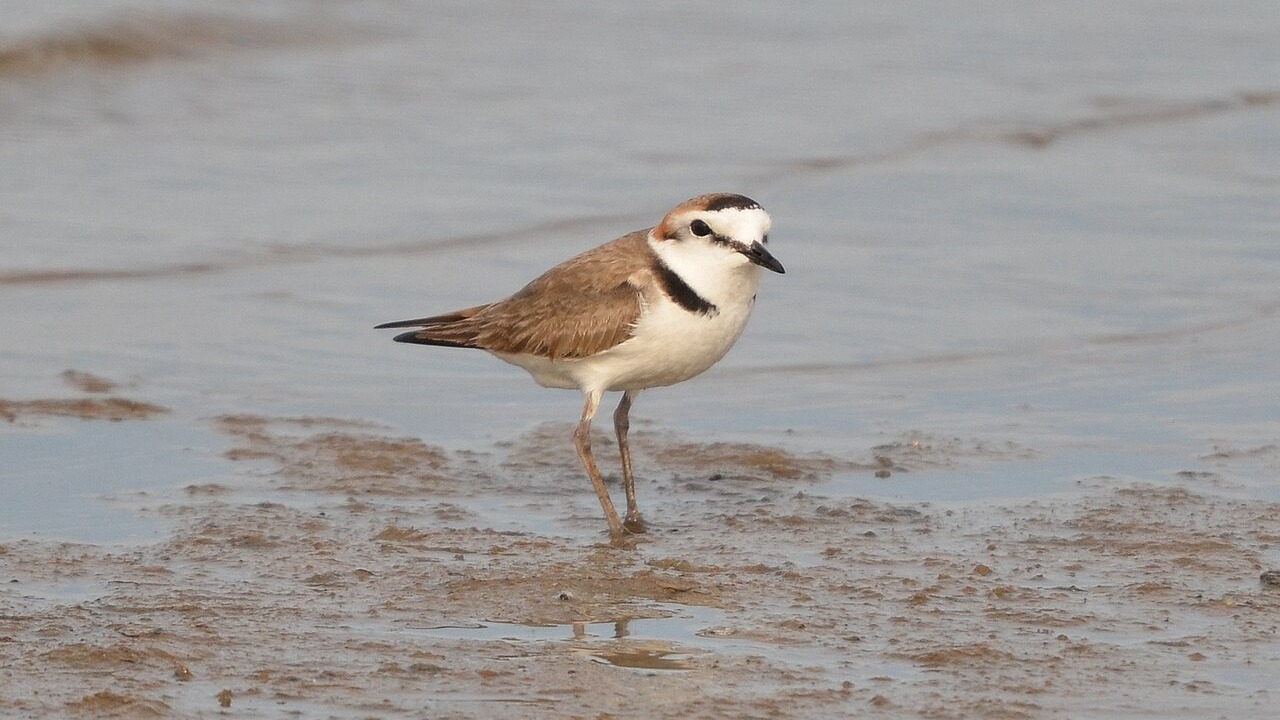
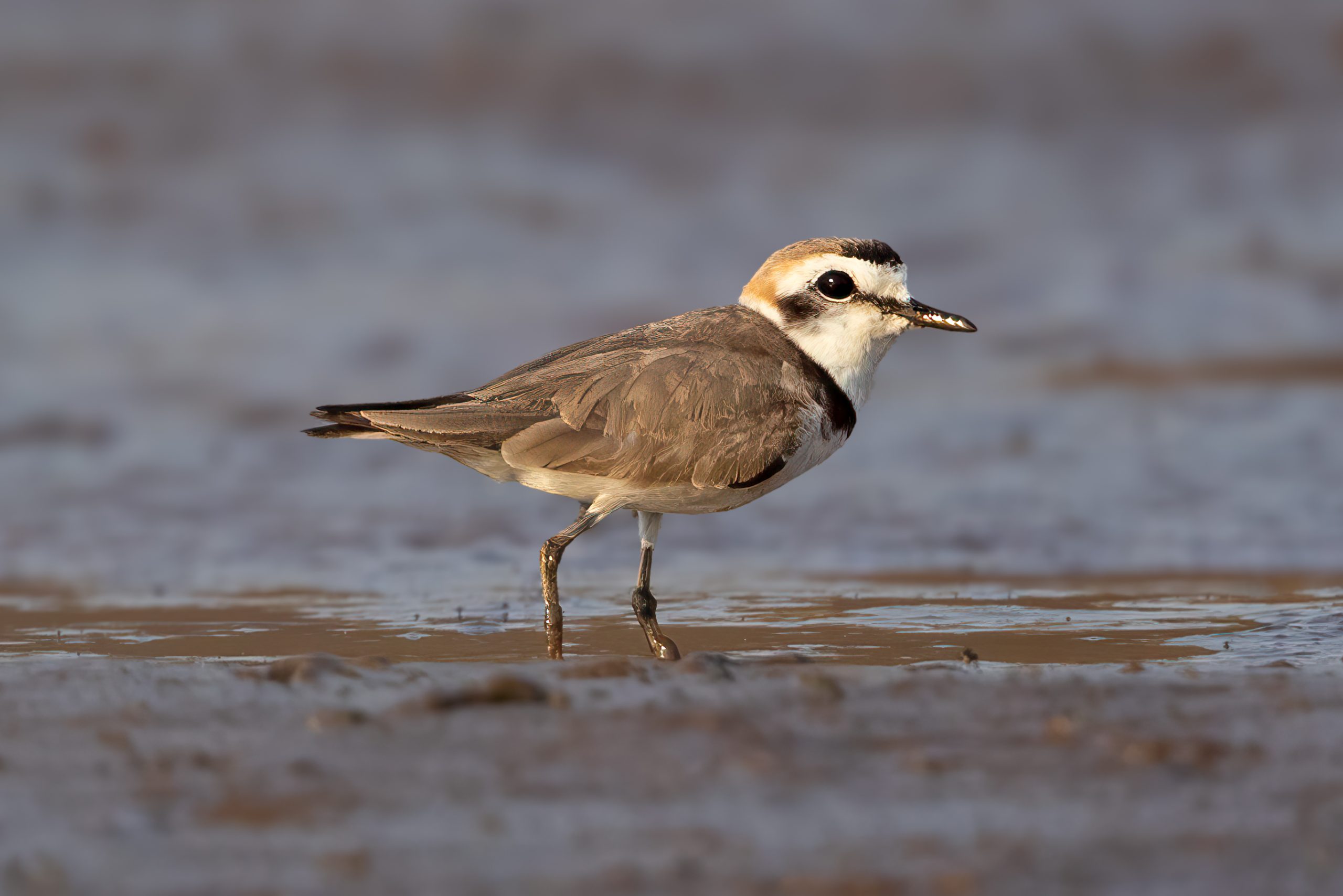
Female Kentish plovers (Anarhynchus alexandrinus) did most of the daytime incubation at 45 nests in northern Bohai Bay, China, while males took the night shift. Minute-by-minute monitoring produced 13,632 nest-hours of data and allowed the researchers to examine how temperature, the progress of the breeding season and local predation risk were related to the division of parental care.
Females incubated more than males over the full day. As the season progressed and temperatures rose, males spent more time on the nest around midday but started their night shift later, while females reduced their attendance. The division of incubation became more even, although the males’ total daily attendance did not increase.
Rocky nesting habitat was associated with greater predation risk at night. There, males shifted more of their incubation from night to day and accumulated more daily attendance than females. Greater male daytime involvement was also associated with more frequent changeovers between the parents.
Behaviour
Related news
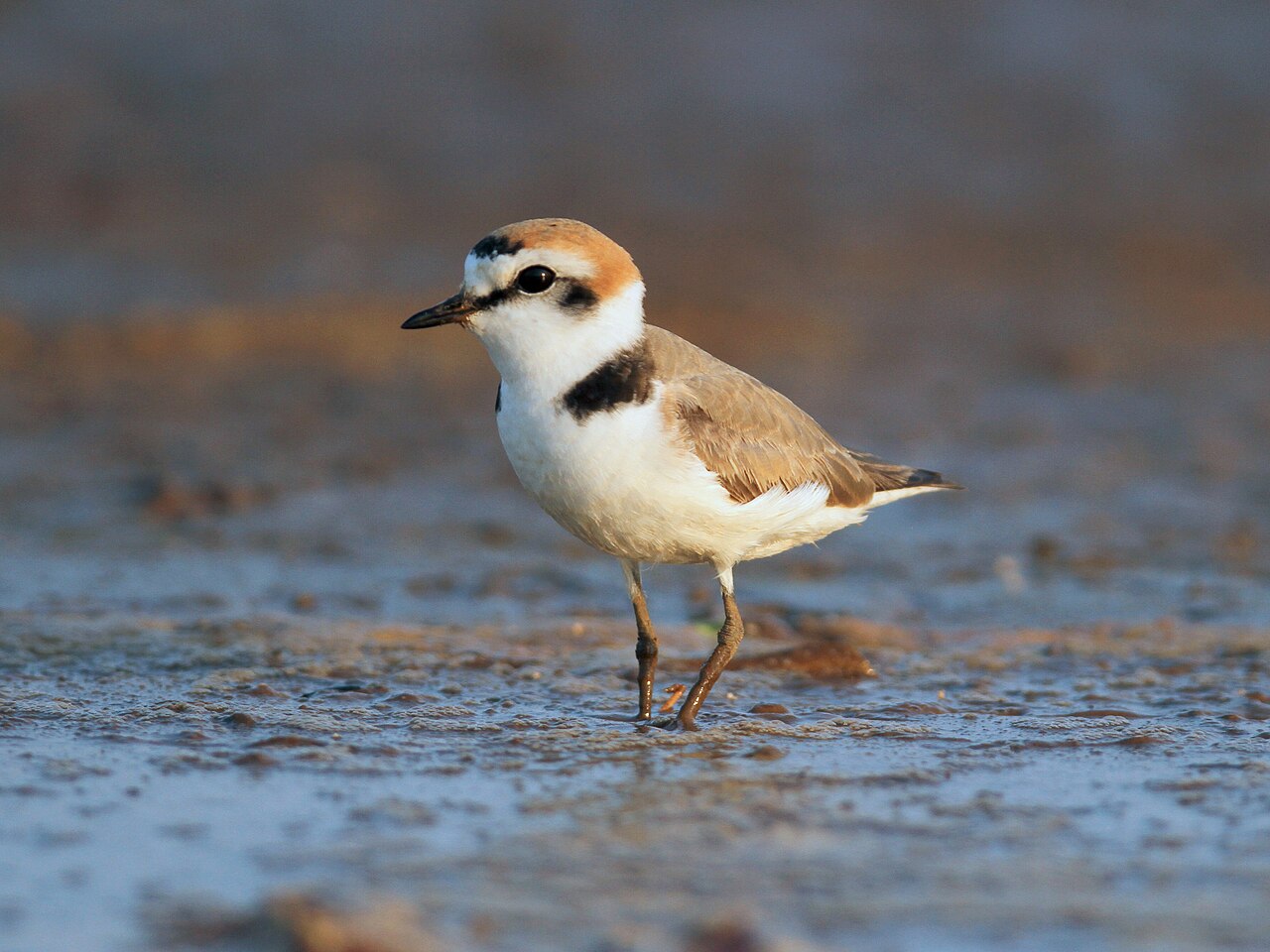
Kentish Plovers Chose More Open Nests as the Season Progressed
On Tunisia’s coast, Kentish Plovers nested increasingly in the open as the season progressed, despite expectations that they…
Read story →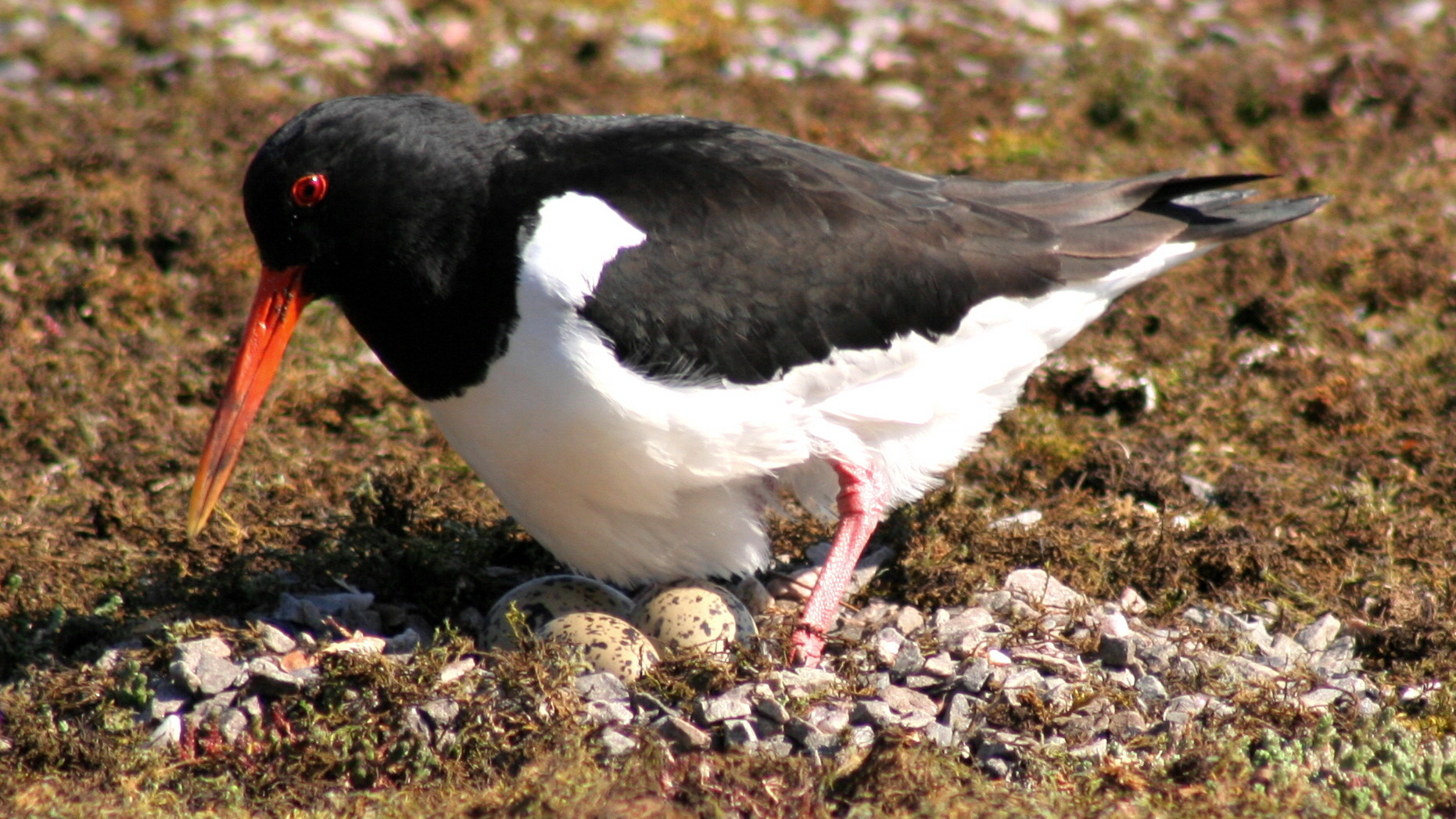
First Eurasian Oystercatcher Nest in Lazio Used an Active Kentish Plover Nest
Italy's first documented Eurasian oystercatcher nesting attempt in Lazio used an active Kentish plover nest and became the…
Read story →
Experts Grouped 34 Stakeholders Into Six Kentish Plover Conservation Roles
A 2026 study at Torre Flavia in central Italy used assessments from 13 experts to group 34 stakeholders…
Read story →SPECIES IN THIS STORY
Species in this story
Independent research and conservation news archive
Did you find this information useful?
Wildlife Vagabond is independently built and maintained. Voluntary support helps cover source verification, hosting and continued work on research and conservation news.
Support Wildlife VagabondThe news archive will remain freely available.