
30 Experts From 18 Countries Advanced Plans for a European Cormorant Advisory Group
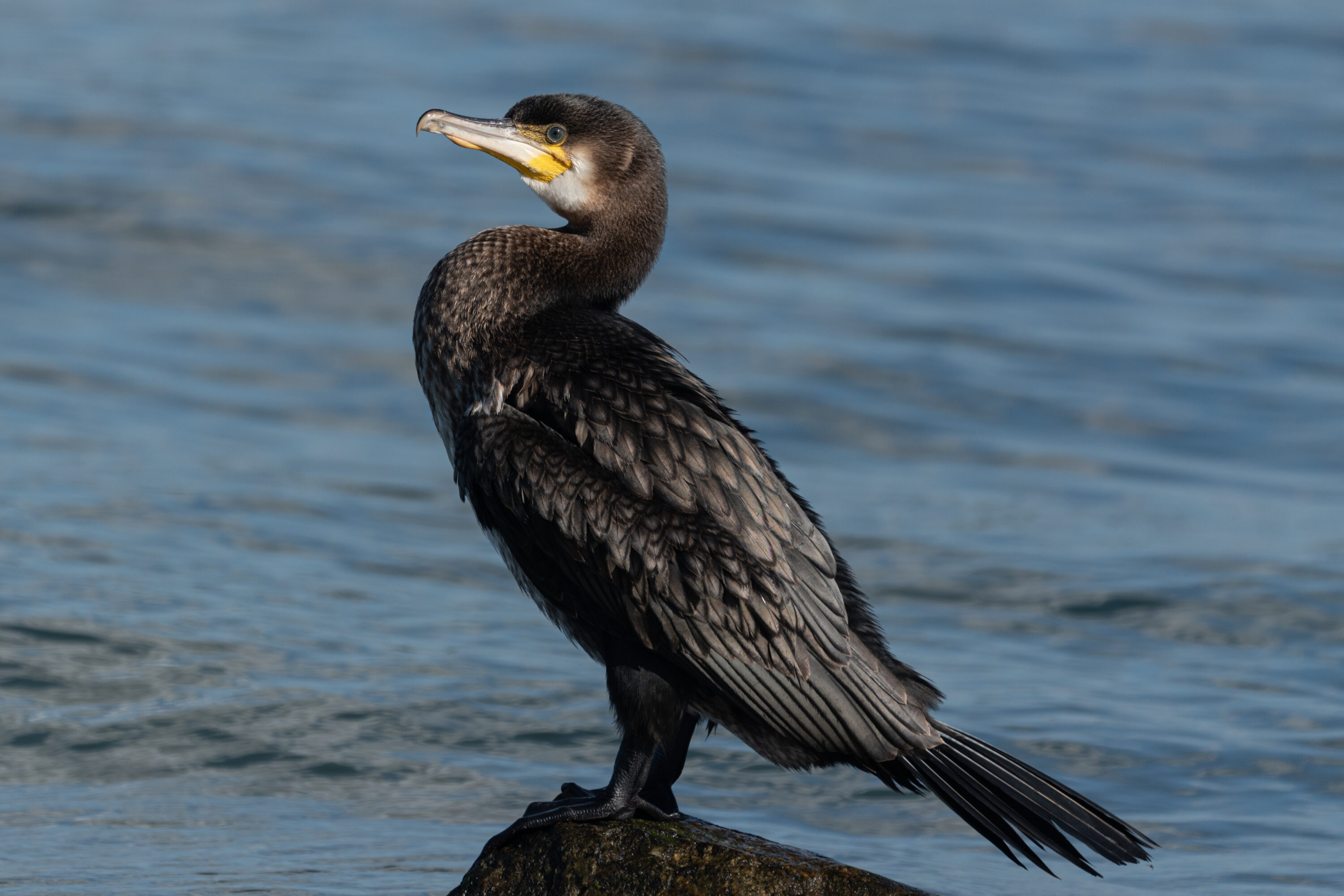
An online meeting on 9 July 2026 brought together 30 experts from 18 European countries to prepare the proposed Cormorant Management Advisory Group (CMAG), a scientific and technical body intended to support coordinated management of great cormorant (Phalacrocorax carbo) issues across Europe.
The European Inland Fisheries and Aquaculture Advisory Commission (EIFAAC) convened the meeting, with representatives from the European Commission’s Directorate-General for Maritime Affairs and Fisheries (DG MARE) and Directorate-General for Environment (DG ENV) also taking part. The meeting followed publication of EIFAAC’s framework for a European management plan for the great cormorant.
Governance, observers and a 24-month workplan
Participants reviewed the draft Terms of Reference for CMAG and discussed how the group should be composed and governed. They agreed on a list of international organizations to invite as observers and considered options for hosting both the inaugural CMAG meeting and a future secretariat.
EIFAAC reported broad support for establishing CMAG as an independent scientific and technical advisory body. The proposed first 24-month workplan also received strong support. Its priorities include harmonized monitoring and reporting protocols, an open-access European information platform, stronger cooperation on assessments of cormorant and fish populations, improved socioeconomic impact assessments and support for coordinated management actions among European countries.
CMAG had not yet been formally established
The 9 July meeting was preparatory rather than the formal launch of the advisory group. Its outcomes were to feed into the Thirty-third Session of EIFAAC in Riga, Latvia, in October 2026. At that session, members were expected to consider both endorsement of the European management framework and formal establishment of CMAG.
EIFAAC asked countries to comment on the draft Terms of Reference and workplan and to submit offers to host the inaugural meeting and the secretariat by the end of August. The July meeting therefore moved the proposal from a framework-level idea toward a defined governance structure and initial work programme, but it did not itself create the advisory group.
Management
Related news
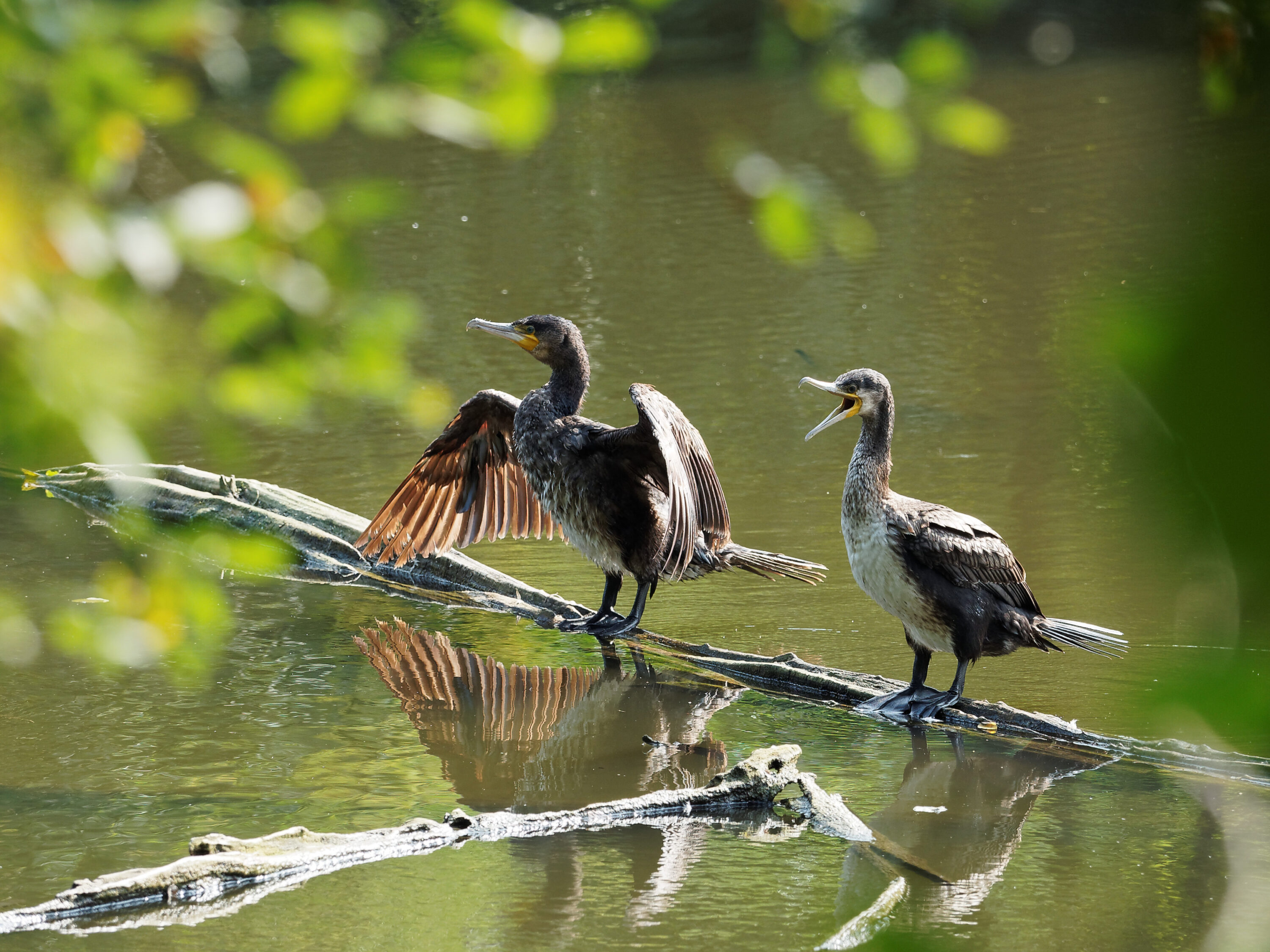
Great Cormorants Increased as Southern Baltic Diving Seabirds Stayed 40% Below Early-1990s Levels
A 35-year analysis of Polish Baltic winter surveys found strong growth in great cormorants, while the wider diving-seabird…
Read story →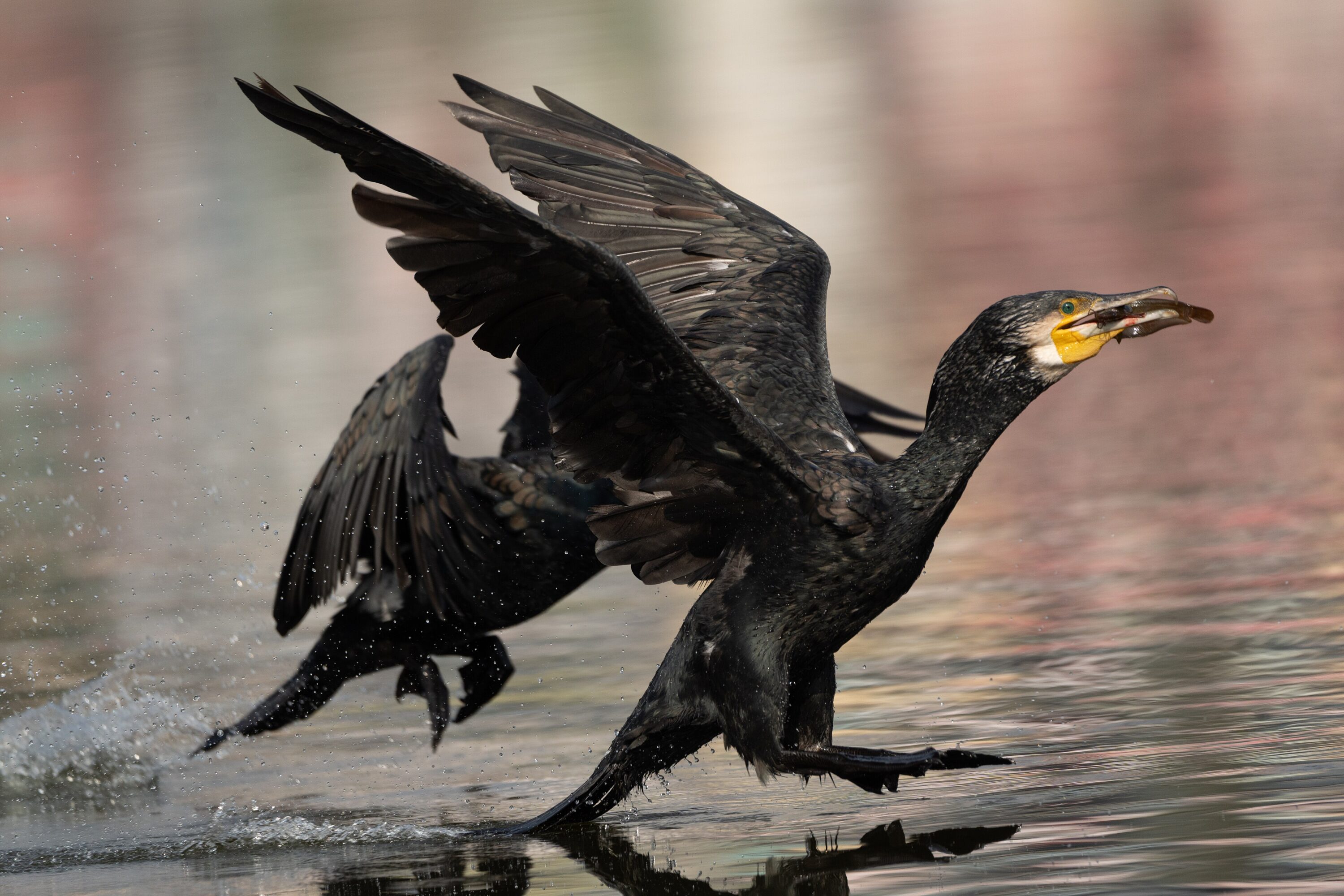
European Inventory Estimated More Than €670 Million in Annual Fish Damage From Great Cormorant Predation
A 2026 European inventory using information from more than 300 organizations estimates annual cormorant-related damage to fish stocks…
Read story →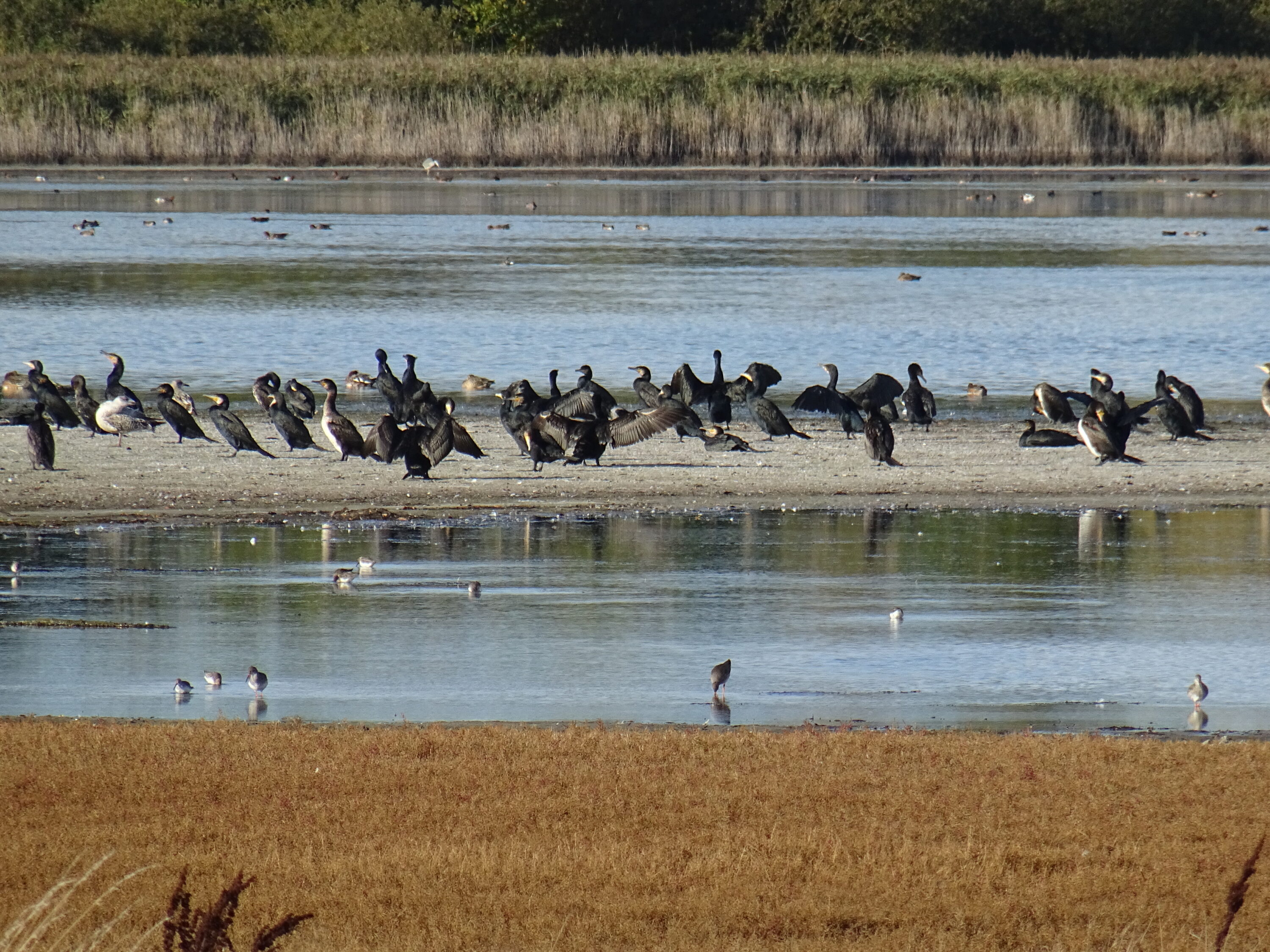
Estimated Great Cormorant Predation Reached 52–88% in Tagged Cod and 14–84% in Tagged Flounder
In Genner Bay, Denmark, a PIT-tag study estimated that great cormorants consumed 52–88% of tagged cod and 14–84%…
Read story →SPECIES IN THIS STORY
Species in this story
Independent research and conservation news archive
Did you find this information useful?
Wildlife Vagabond is independently built and maintained. Voluntary support helps cover source verification, hosting and continued work on research and conservation news.
Support Wildlife VagabondThe news archive will remain freely available.