Only 1.25 km² of Lake Hawassa Was Modelled as Suitable Nesting Habitat for African Jacanas
Research · Ecology
Researchers mapping breeding habitat around Lake Hawassa in Ethiopia found that suitable nesting habitat for the African jacana (Actophilornis africanus) was limited and strongly clustered along parts of the lakeshore.
The study used 78 field-verified nest locations collected during the breeding seasons from June to October in 2022, 2023 and 2024. Researchers searched accessible shoreline sections by boat and used a MaxEnt presence-only model. MaxEnt compares environmental conditions at known nests with many background locations across the study area and produces a continuous map from low to high relative suitability. Eighty per cent of the nest records were used to train the model and the remaining 20% to test how well it predicted known nesting conditions.
Only 1.25 km² was modelled as suitable nesting habitat
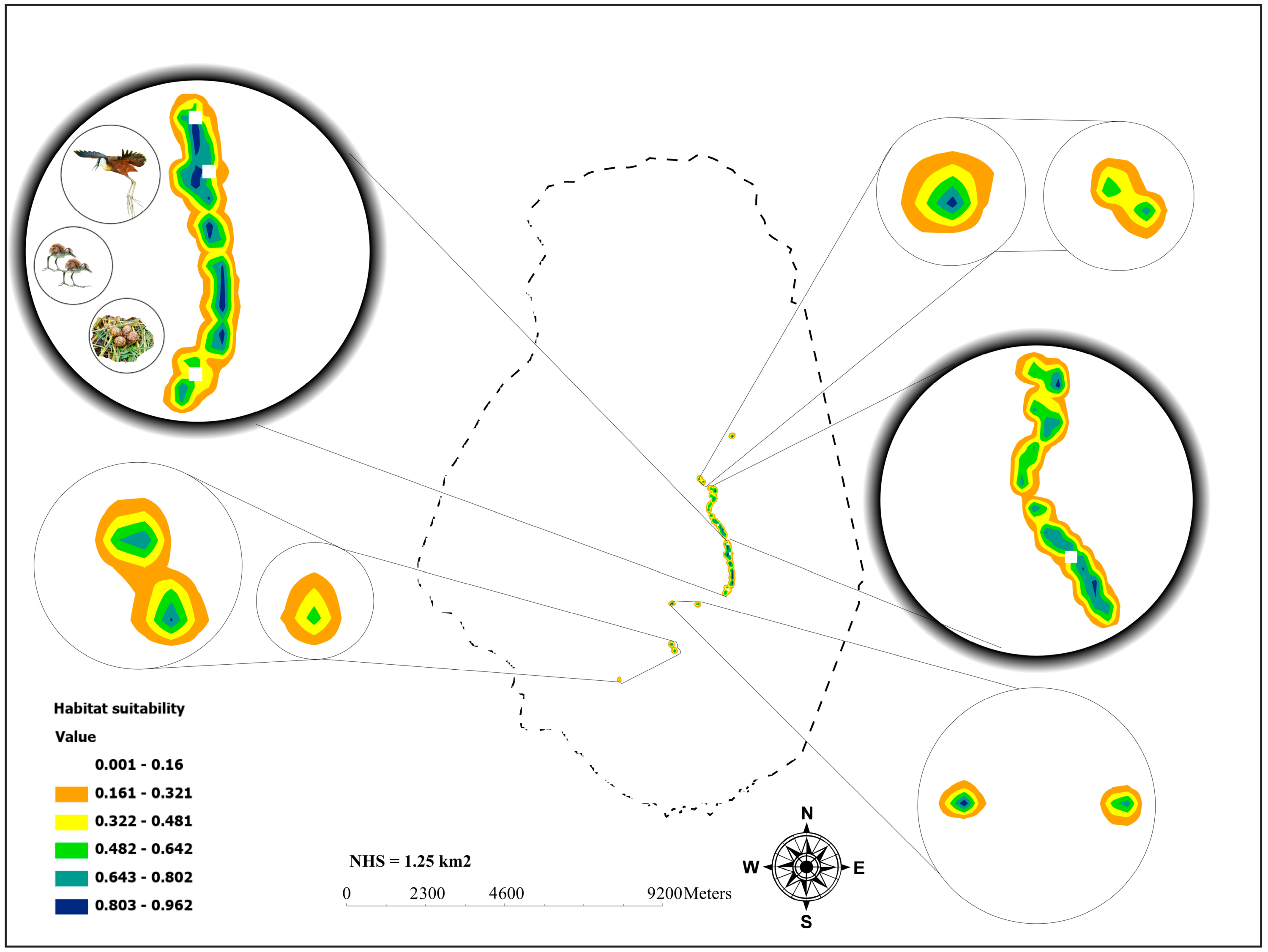
The model identified 1.25 km² of suitable nesting habitat, equivalent to about 1.2% of Lake Hawassa’s total area. The most suitable areas were relatively small and fragmented, with the strongest concentrations along the southeastern shoreline near Sallaka, Referal and Loqe.
Modelled nesting habitat suitability around Lake Hawassa. Figure 5 from Ayano et al. (2026) · CC BY 4.0.
Precipitation during the breeding season had the highest variable importance in the model, followed by temperature, distance to other jacana nests, elevation, distance to human settlement and slope. This ranking describes how strongly each variable changed the model’s predictions; it does not mean, for example, that a fixed percentage of nesting is caused by rainfall. The importance of distance to other nests mainly shows that nests were spatially clustered in the same favourable shoreline patches and does not by itself demonstrate social attraction. Suitable nesting habitat was associated particularly with flat shoreline terrain around 1,647 metres above sea level. The authors link the rainfall and temperature patterns to seasonal changes in water levels, aquatic vegetation and food availability during breeding.
African jacanas build their nests on floating vegetation in shallow freshwater wetlands. At Lake Hawassa, the shoreline includes water lilies, floating grasses and cattails that provide nesting substrate. Because these nests sit in a dynamic wetland environment, changes in water depth and vegetation structure can directly affect where breeding is possible.
Ten kilometres of shoreline could not be surveyed
The researchers surveyed about 37 km of Lake Hawassa’s roughly 47 km shoreline. Around 10 km, mainly in the north, could not be surveyed safely because of limited boat access and the presence of hippopotamuses. The authors therefore note that the reported habitat associations represent the surveyed parts of the lake and should not be generalized to unsurveyed shoreline.
Habitat suitability is not breeding success or population size
They also stress that the study modelled nesting-habitat suitability rather than breeding success or population size. Nest success, pollution and predation were not included, and the authors recommend that future work incorporate these factors.
The study concludes that protecting the identified shoreline habitats could help maintain the local breeding population and provide a baseline for tracking how habitat and climate changes affect African jacanas at Lake Hawassa. It was published in Ecologies on 9 June 2026.
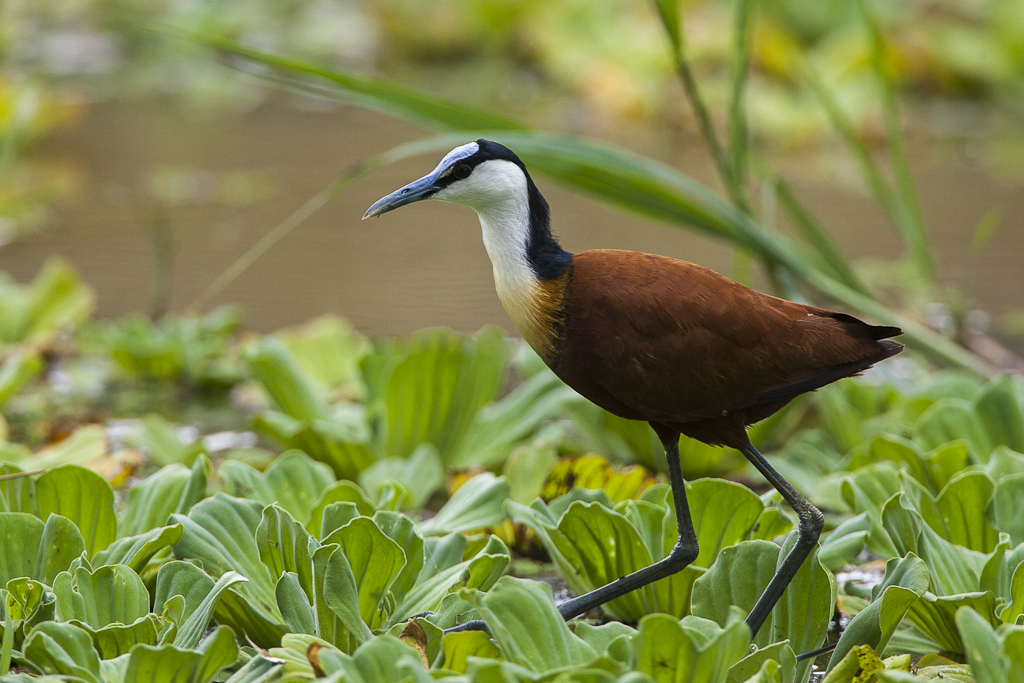
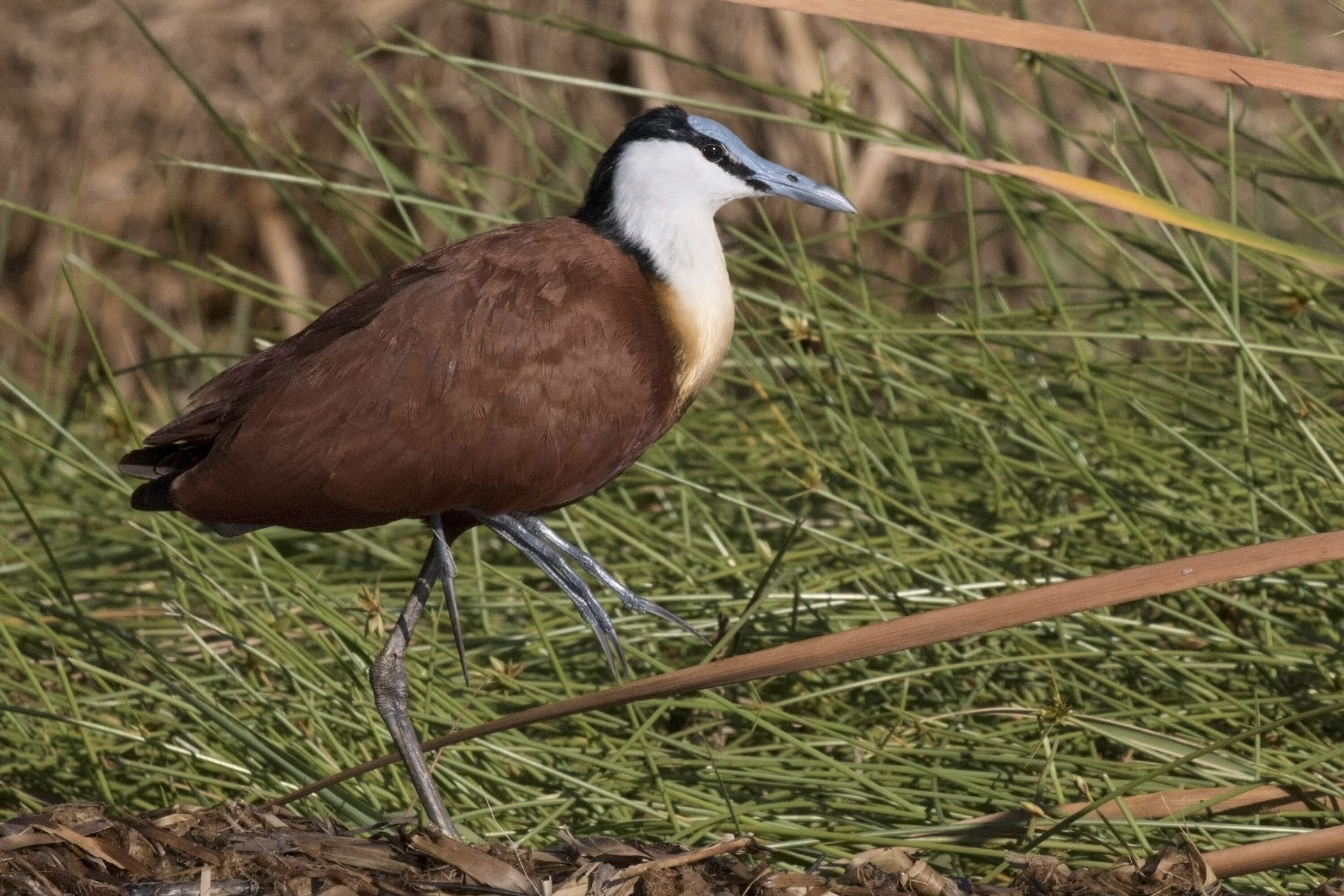
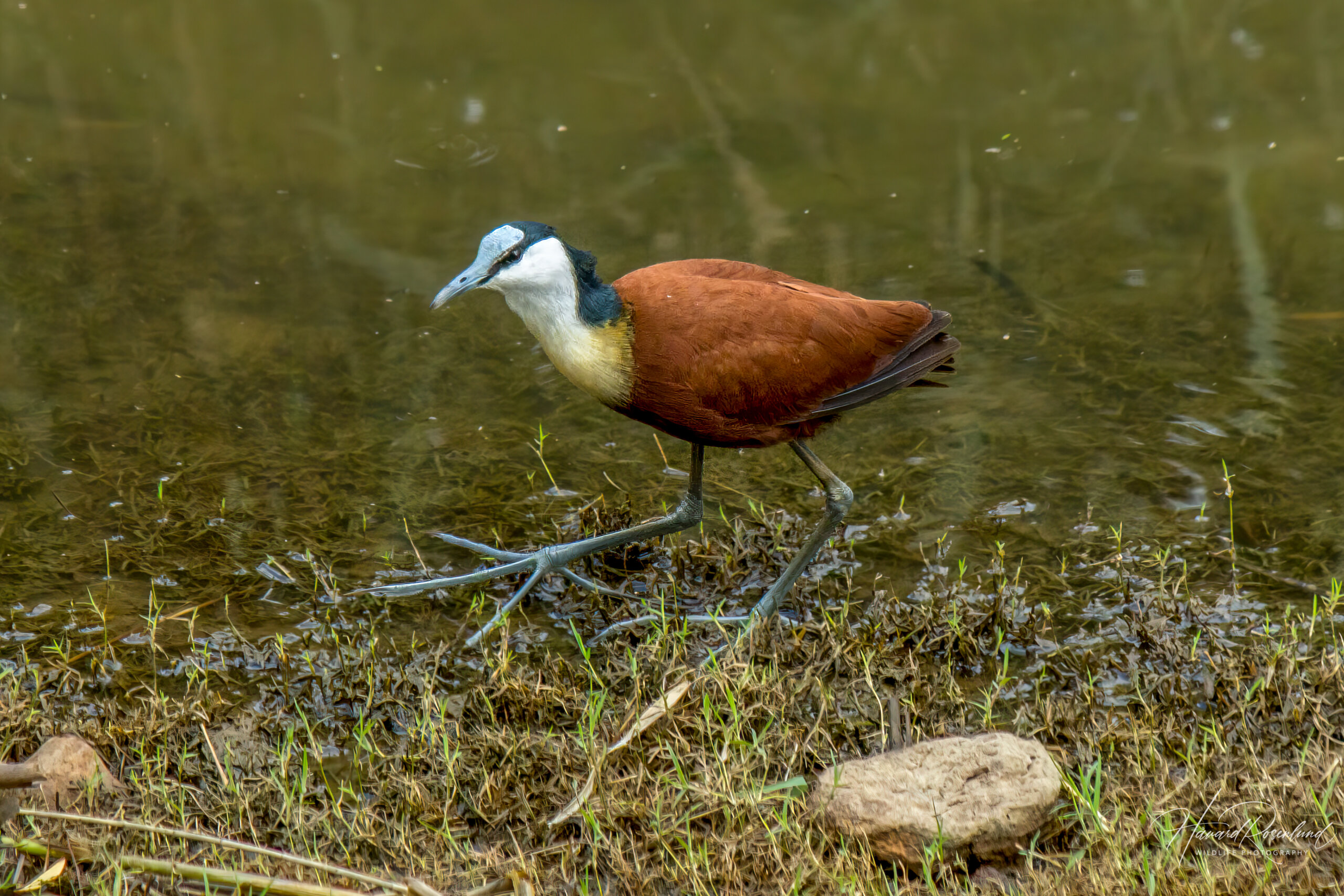
Image: Francesco Veronesi — African Jacana at Lake Baringo, Kenya; representative species image, not from the Lake Hawassa field study. Source: Wikimedia Commons. · CC BY-SA 2.0 · Source
About this content: This story was produced with AI assistance within an editorial workflow developed by Wildlife Vagabond. Editorial responsibility remains with Wildlife Vagabond.How AI is used·
Independent research and conservation news archive
Did you find this information useful?
Wildlife Vagabond is independently built and maintained. Voluntary support helps cover source verification, hosting and continued work on research and conservation news.