
Hunters Reported Taking 549 African Jacanas and 1,909 Eggs From a Benin Ramsar Wetland
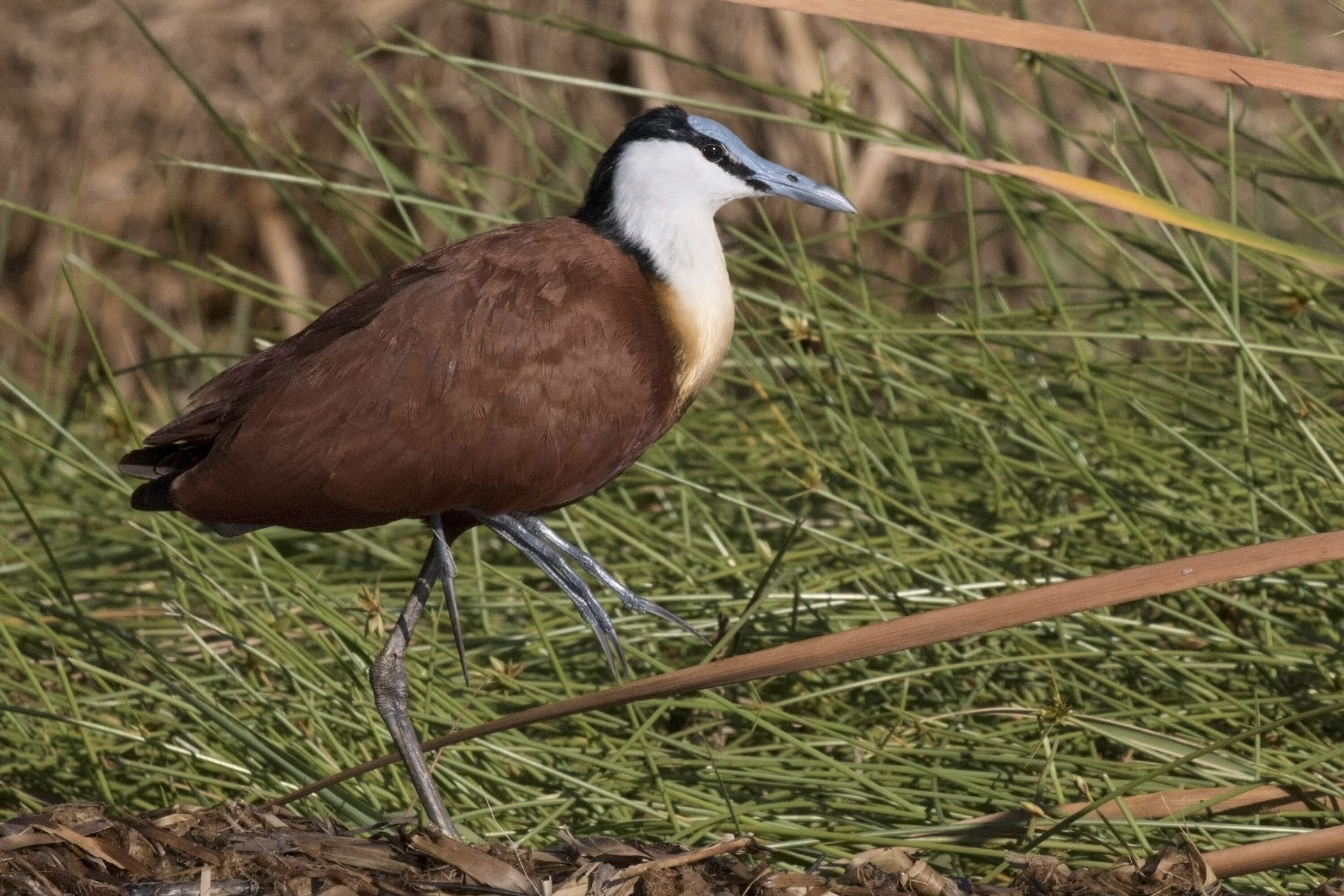
A study of hunting and egg collection in a protected wetland in southeastern Benin found substantial exploitation of breeding waterbirds, including african jacanas (Actophilornis africanus), despite the area’s Ramsar status.
Researchers interviewed 64 local hunters and trappers about their activities between May and October 2022 in Ramsar site 1018. Across eight waterbird species, the interviewees reported taking 12,053 breeding birds from nests and collecting 63,987 eggs during the six-month period.
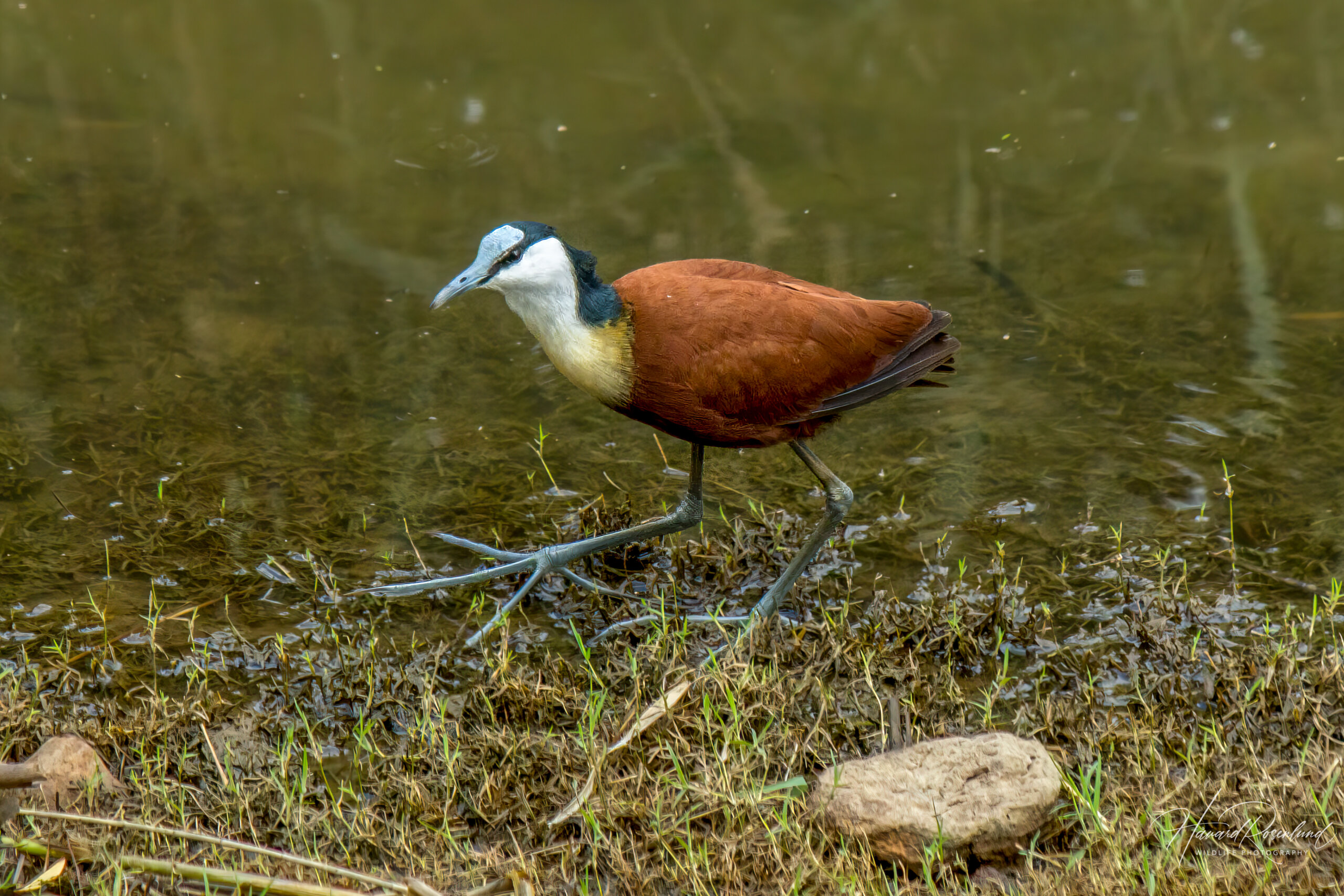
Hunters reported 549 African jacanas and 1,909 eggs
For African jacanas specifically, hunters reported capturing 549 breeding birds and collecting 1,909 eggs. The species was among the less heavily targeted birds in the study, and interviewees said jacana nests were more difficult to find than those of several other waterbirds.
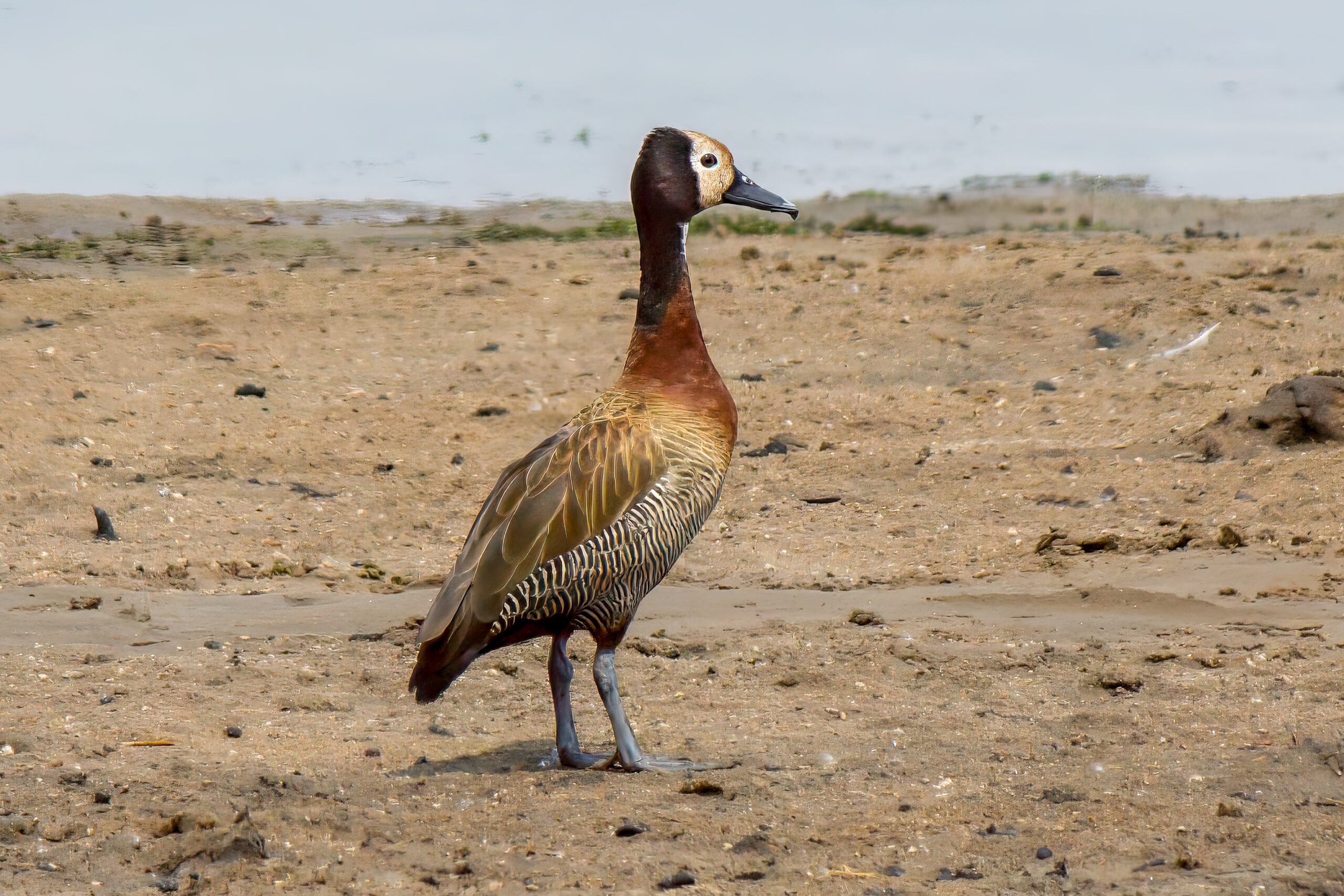
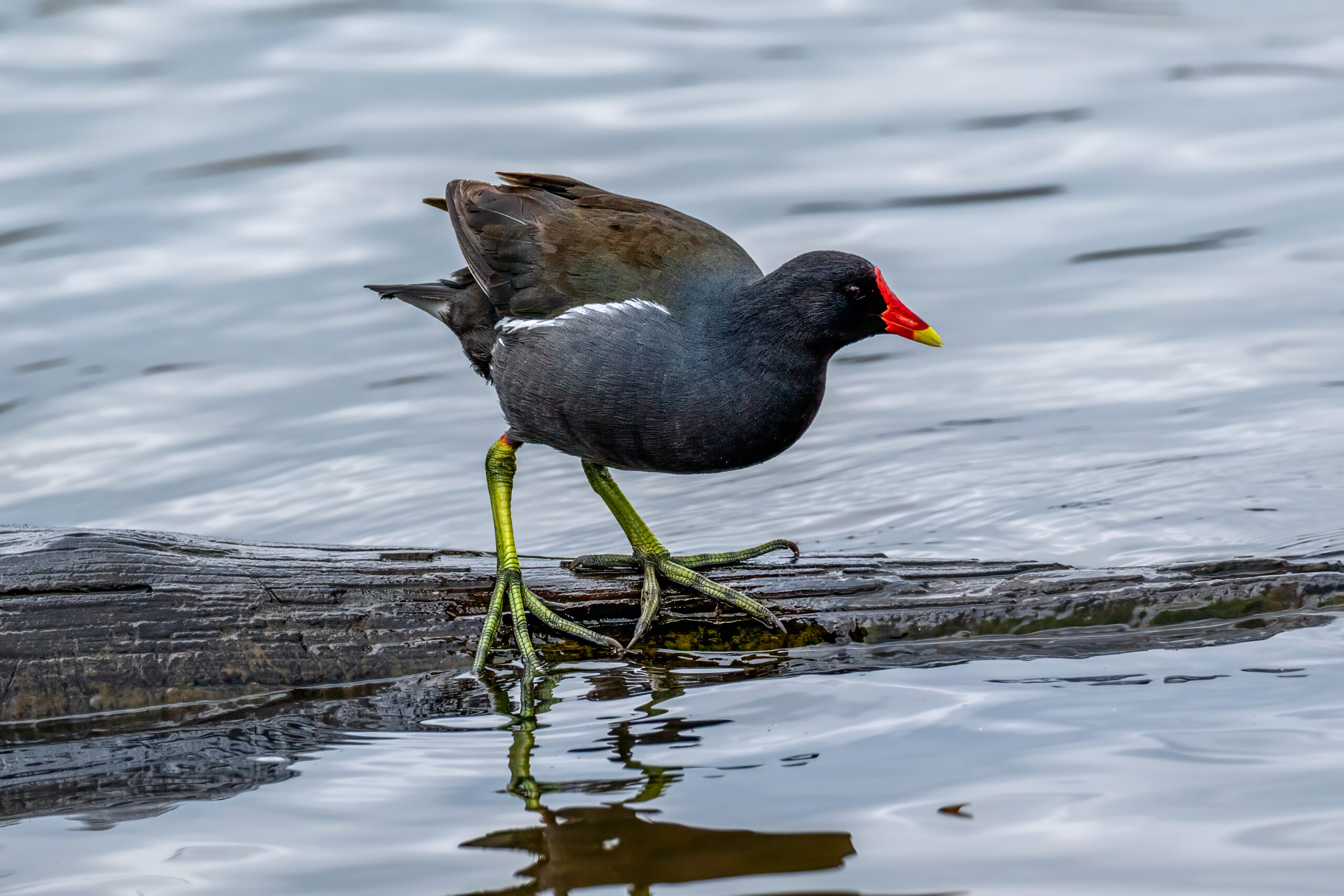
The strongest overall pressure fell on species such as Allen’s gallinule (Porphyrio alleni). Common moorhens (Gallinula chloropus) accounted for 2,418 captured breeding birds, while white-faced whistling-ducks (Dendrocygna viduata) had 1,706 adults reported taken and 24,491 eggs collected.
Hunting and egg collection peaked during the breeding season
Hunting and egg collection peaked in June and July, corresponding to the core breeding period. The geographic contrast was substantial: Aguégués accounted for about 41% of all reported captured birds and 39% of collected eggs, whereas Dangbo accounted for about 8% of the birds and 7% of the eggs. Harvest also differed among species.
According to the interviewees, birds killed during hunting and collected eggs were eaten by hunters and their families. Live birds were also sold at roadside, pier and market locations. Fertilized eggs containing developing chicks were discarded rather than eaten.
The harvest figures are based on recall and are approximate
The authors note that the harvest figures are based on interviewees’ recollections and are therefore approximate. Even with that limitation, they describe the reported pressure on nesting waterbirds as extremely high and particularly concerning because incubating adults and eggs are targeted during the breeding season.
The study argues that the Ramsar designation alone has not provided effective protection against uncontrolled hunting and egg collection at site 1018. The authors call for stronger enforcement of existing protections and conservation measures that address the continued exploitation of breeding waterbirds in the wetland.
The study was published in Earth on 22 February 2026.
Trade & poaching
Related news
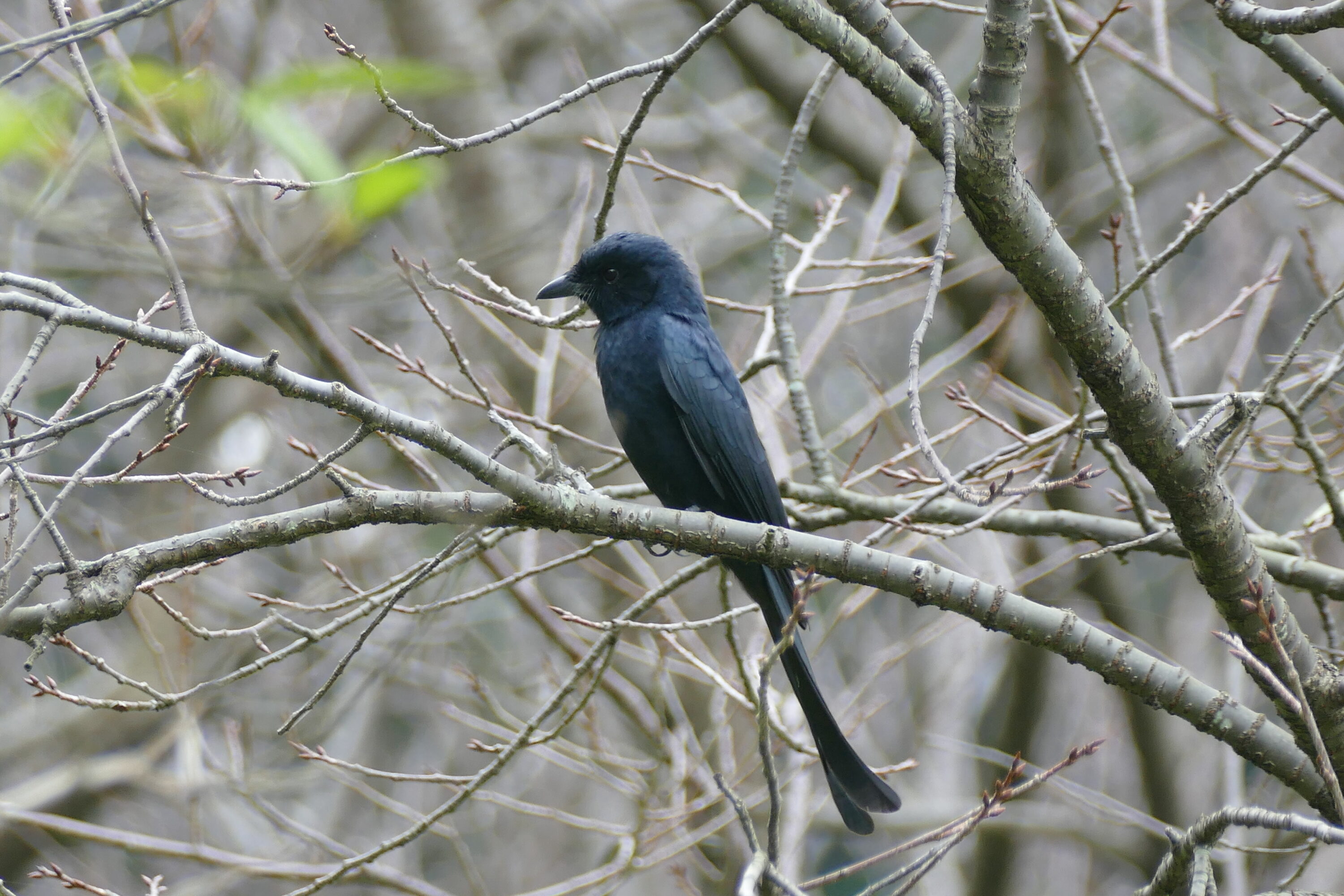
114,357 ha of Taiwan Farmland Was Modelled as Suitable for Four Bird Species
Suitable habitat for black drongo, common moorhen, zitting cisticola and scaly-breasted munia overlapped across 114,357 hectares of Taiwan…
Read story →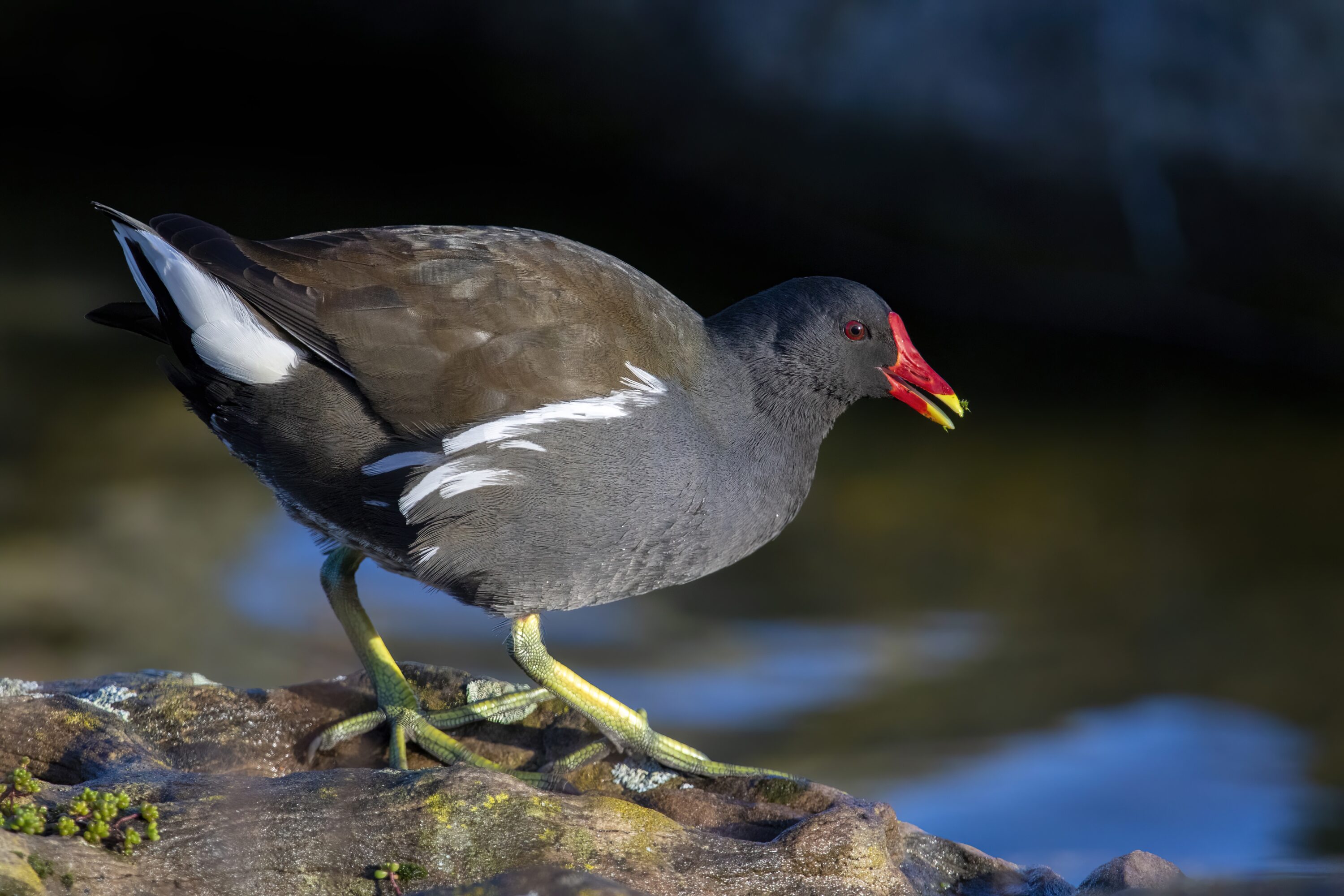
Common Moorhens See Nearly 300 Degrees Around Them Despite a Narrow Binocular Field
Common moorhens have a binocular field only about 34° wide at its maximum, but nearly 300° of combined…
Read story →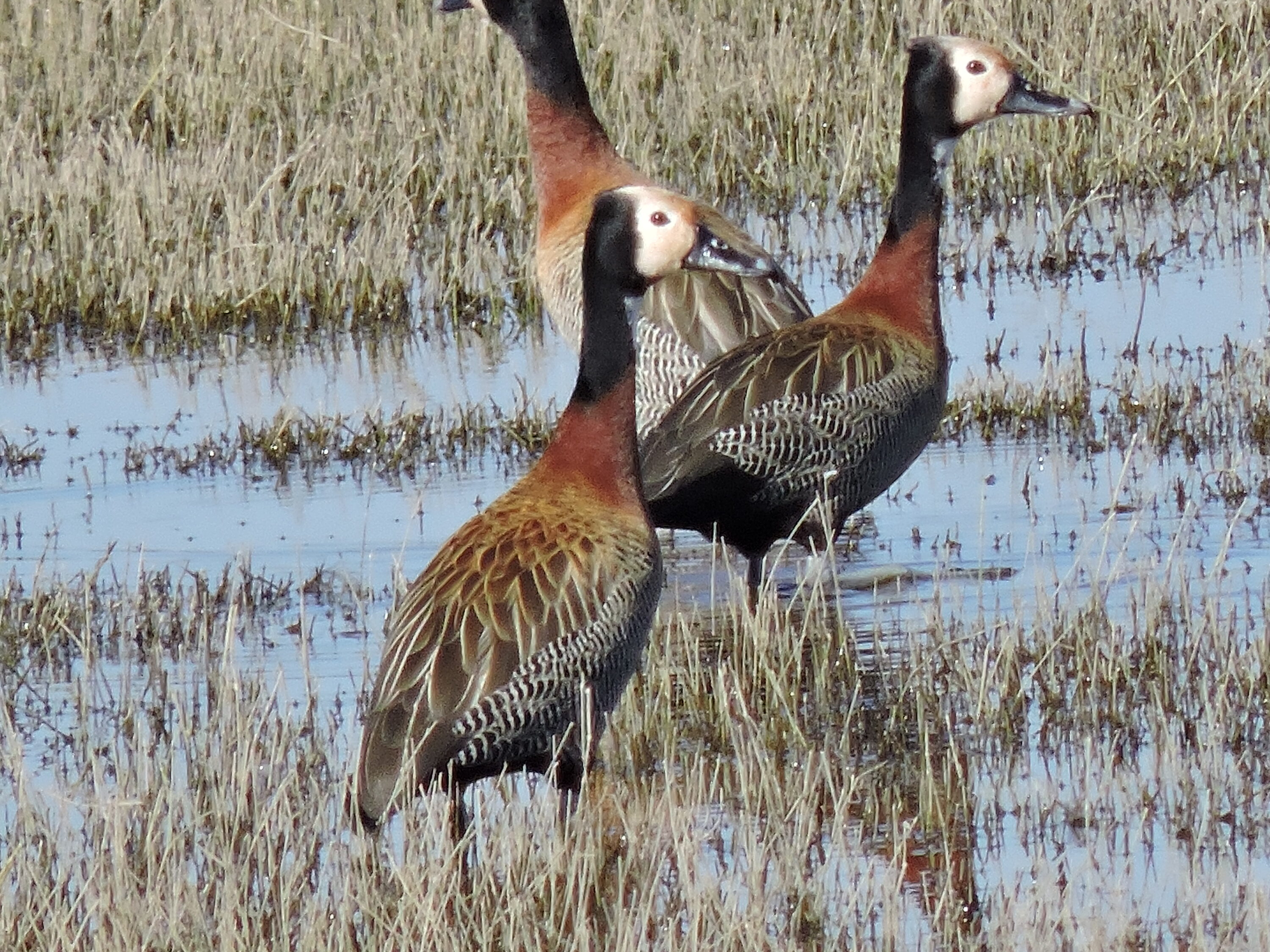
Seven Wild White-faced × Fulvous Whistling-Duck Hybrids Documented in Brazil and Argentina
A 2026 short communication assembled seven wild apparent White-faced × Fulvous Whistling-Duck hybrid records from Brazil and Argentina.…
Read story →SPECIES IN THIS STORY
Species in this story
Independent research and conservation news archive
Did you find this information useful?
Wildlife Vagabond is independently built and maintained. Voluntary support helps cover source verification, hosting and continued work on research and conservation news.
Support Wildlife VagabondThe news archive will remain freely available.