
Age and Individual Identity Shaped Banded Mongoose Scent Chemistry
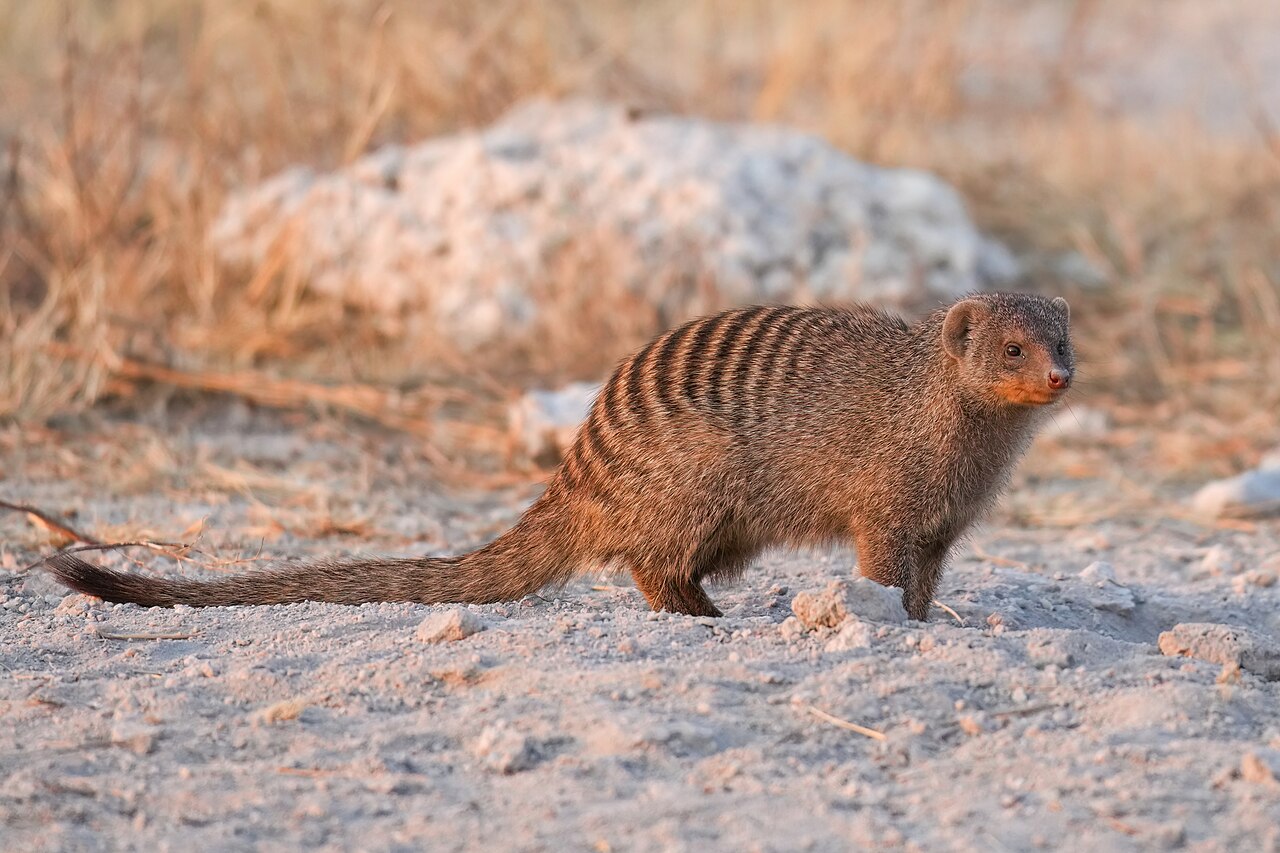
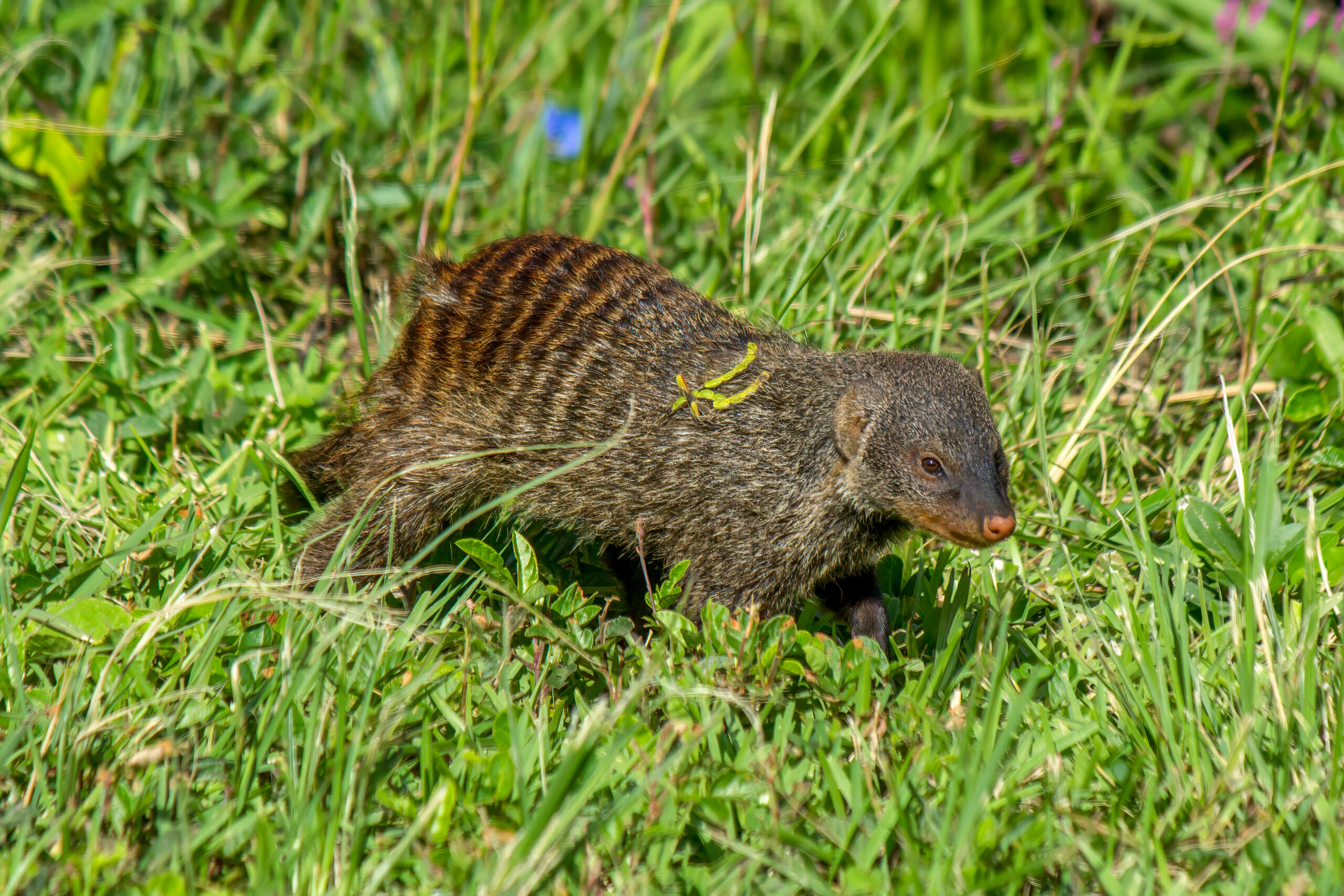
Anal-gland secretions from wild banded mongooses (Mungos mungo) in Uganda contained chemical profiles that differed among individuals and changed with age, season and reproductive status. The study found no corresponding chemical signature of social-group membership, suggesting that the information carried by scent was more strongly tied to the individual and its current biological state than to which group it belonged to.
Banded mongooses live in cooperative social groups and use scent extensively. Chemical communication works through compounds released by one animal and detected by another; these signalling chemicals are often called semiochemicals. The researchers combined long-term life-history information for known mongooses — including age, sex, pregnancy and social group — with chemical analysis of their anal-gland secretions.
Age changed both the number and balance of compounds
The secretions were analysed with gas chromatography–mass spectrometry, or GC–MS. Gas chromatography separates a complex mixture into chemical signals, while mass spectrometry helps distinguish the compounds producing those signals. This allowed the researchers to compare the overall chemical profile of scent rather than treating the secretion as a single substance.
Age had a significant influence on the chemical profile and strongly affected both how many compounds were represented and how evenly they contributed to the scent. Chemical composition also changed over time and with reproductive status. These patterns mean that a scent mark can potentially contain information about more than the mere presence of another mongoose.
Individuals had distinct scents, but groups did not
The clearest social contrast was between individual identity and group membership. Individual mongooses produced chemically distinct scent profiles, a pattern consistent with the possibility that scent helps animals recognise particular individuals. By contrast, the analysis did not find significant chemical differences among social groups.
The study therefore does not support a simple group-specific chemical “badge” in these secretions. Instead, scent chemistry appears to reflect a combination of individual identity and biological variables such as age, season and reproductive status. The work identifies patterns in the chemical mixtures, but it does not establish that every individual compound has a specific signalling function or that mongooses respond behaviourally to each chemical difference.
Organic chemistry
Related news
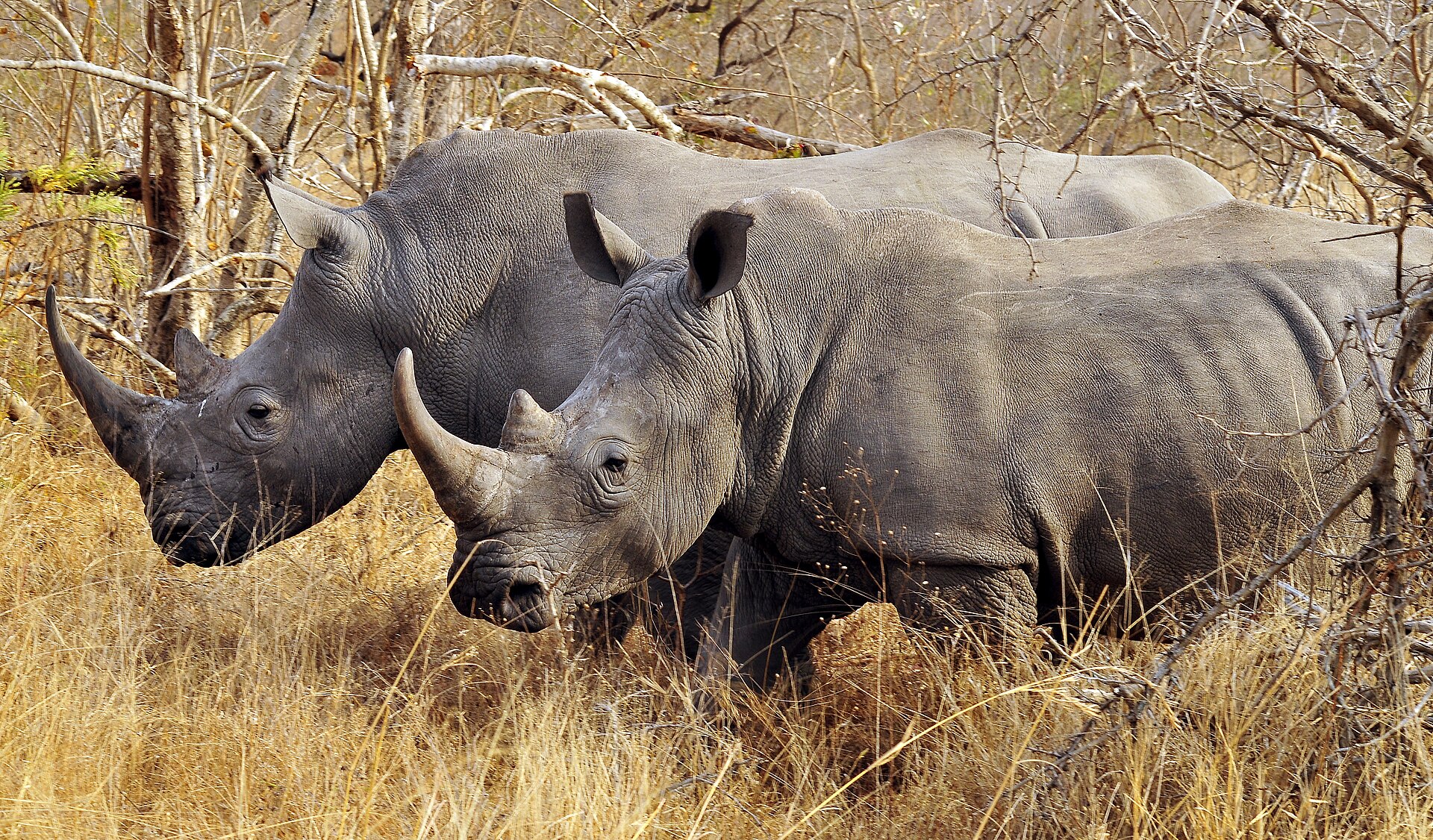
Giraffe and White-Rhino Plasma Showed Robust Differences Across 28 Metabolites
A South African ¹H-NMR study found 28 robust plasma-metabolite differences between giraffes and white rhinoceroses. Giraffes had higher…
Read story →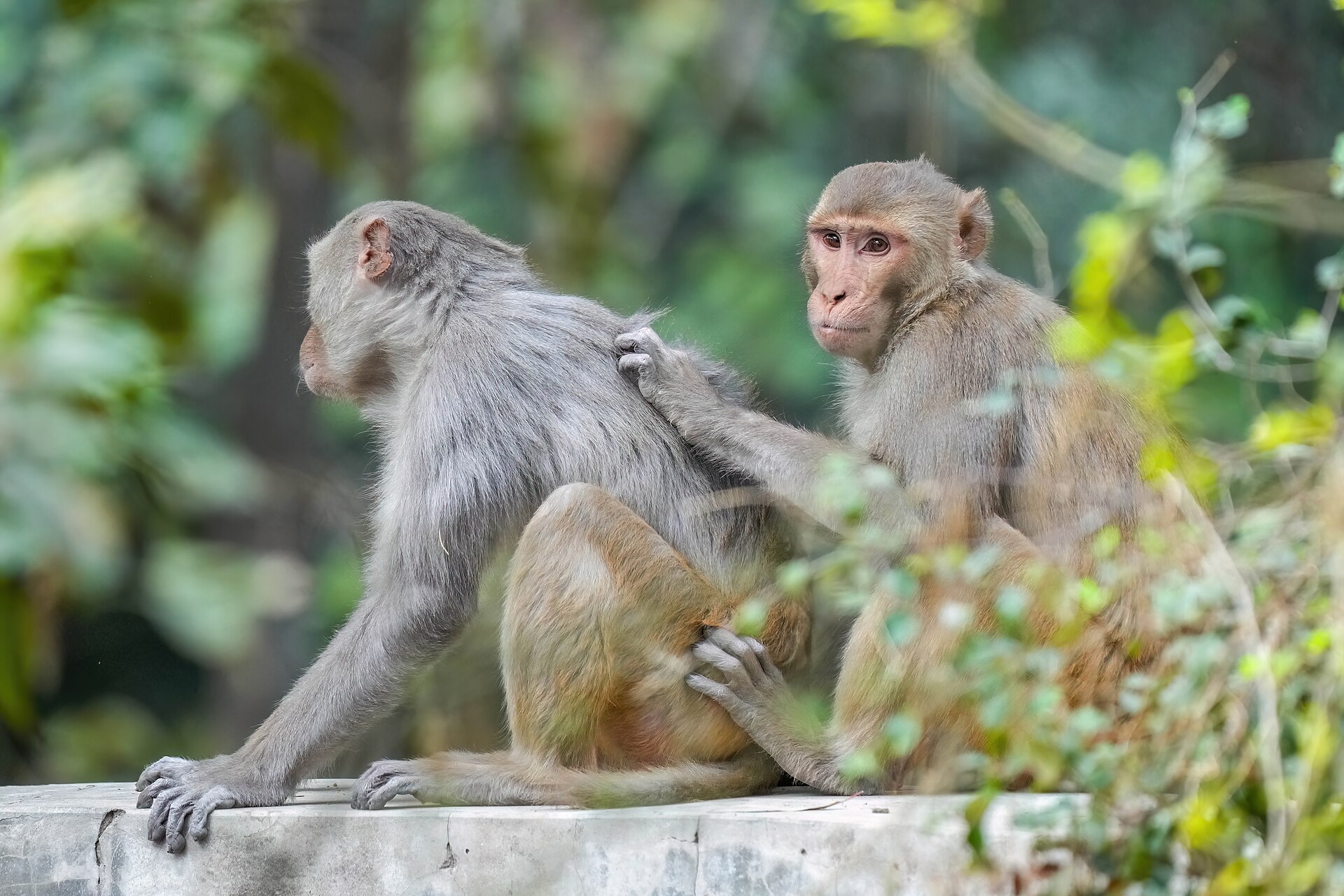
Rhesus Macaques Were More Accurate on Faster Choices After Accounting for Difficulty
In a two-choice task, rhesus macaques were more accurate on faster-response trials even after choice difficulty was taken…
Read story →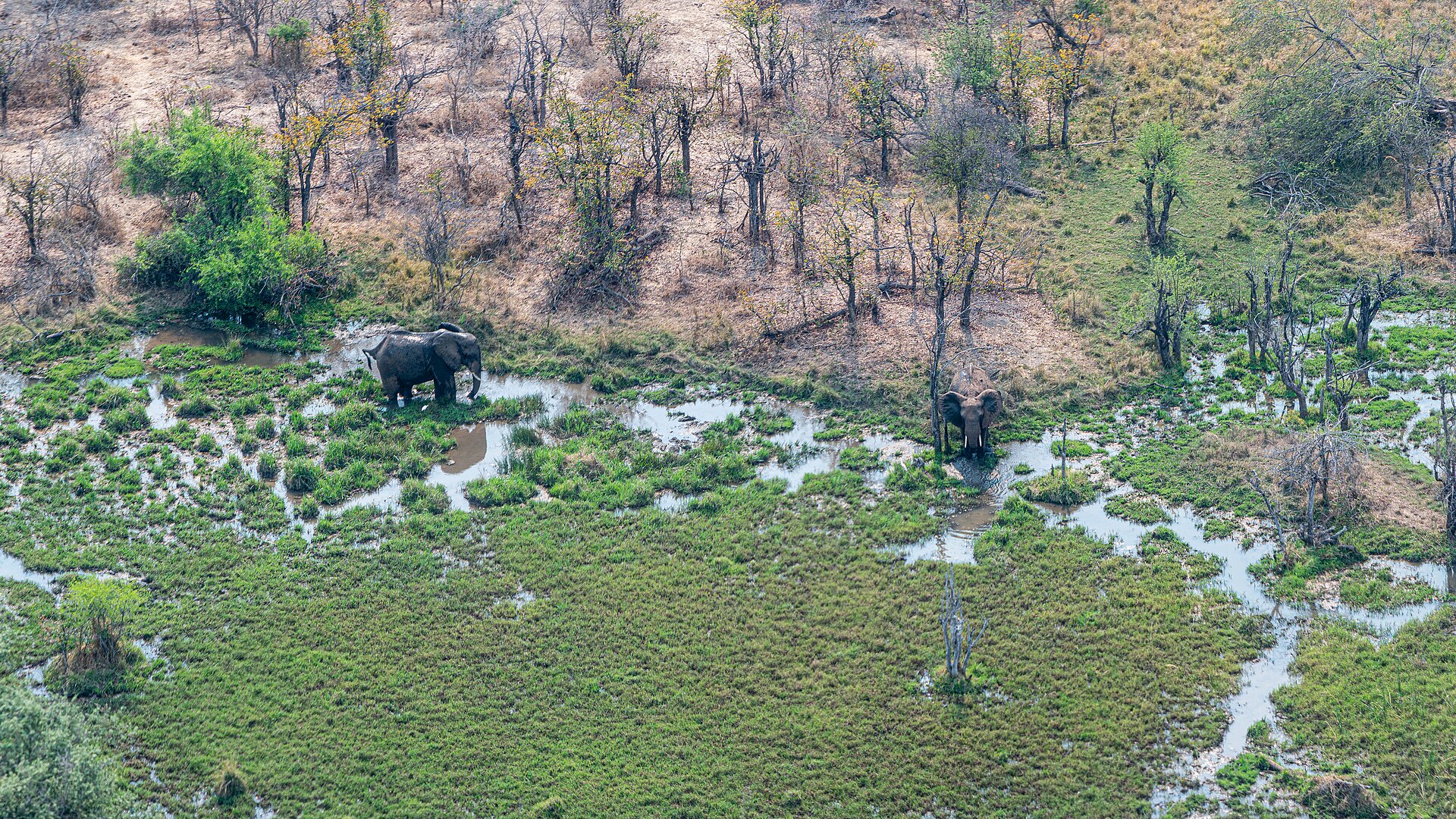
Translocated Elephant Herds Learned New Landscapes Independently, With Movements Stabilising After About Two Years
Satellite tracking followed 201 elephants in 25 whole herds moved from Save Valley to Zimbabwe's Zambezi Valley. The…
Read story →SPECIES IN THIS STORY
Species in this story
Independent research and conservation news archive
Did you find this information useful?
Wildlife Vagabond is independently built and maintained. Voluntary support helps cover source verification, hosting and continued work on research and conservation news.
Support Wildlife VagabondThe news archive will remain freely available.