
Alberta’s Wild Boar Control Program Had Removed 595 Animals Since 2018
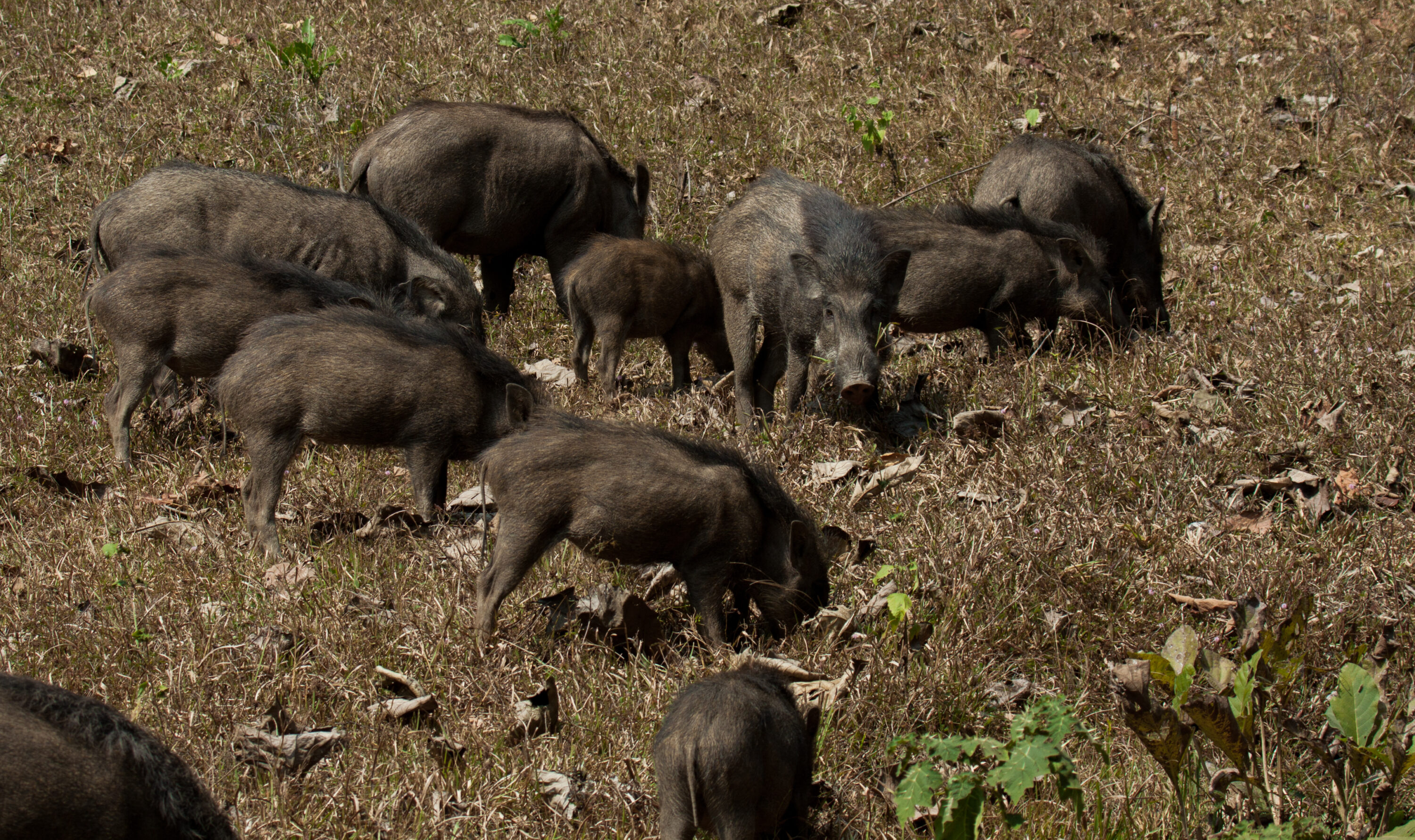
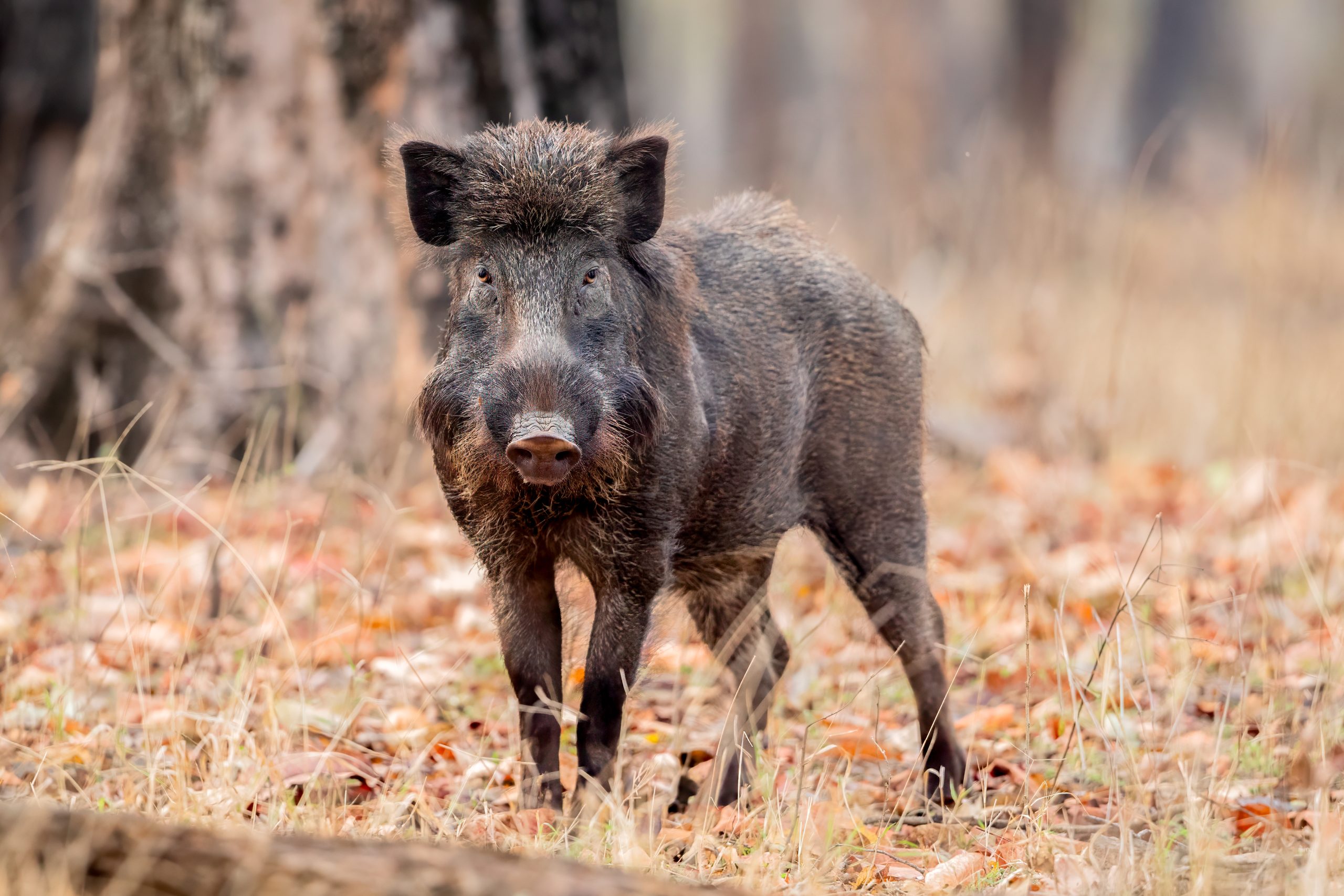
Alberta, Canada’s Wild Boar Control Program reported that professional trappers had removed 595 wild boar (Sus scrofa) since the program began in 2018. The total included 108 animals removed during all of 2025 and nine more by the 10 April 2026 update; the 2026 figure is therefore only a partial-year total and is not directly comparable with the full 2025 count.
595 removals do not yet show the population effect
The program is intended to eliminate invasive wild boar from the province through coordinated monitoring and trapping. Program staff said observations from trappers and landowners suggested progress toward eradication, but that the effect on the wider population was not yet known. Alberta has begun working with researchers at the University of Calgary to develop presence–absence and population models that can provide a more quantitative measure of changes in distribution and abundance.
Alberta shifted from public hunting to coordinated whole-group trapping
The update followed regulatory changes that took effect on 1 December 2025. Wild boar are now classified as a pest in all circumstances in Alberta, and keeping, importing, selling or transporting live wild boar or hybrids generally requires a permit. Public hunting and trapping are also prohibited apart from specified exceptions, and all wild-boar kills must be reported.
Alberta says ordinary hunting is poorly suited to eradication because wild boar reproduce rapidly and surviving animals can respond to hunting pressure by becoming more nocturnal, moving to new areas and becoming harder to approach. The province instead emphasises coordinated professional trapping designed to remove whole sounders, or family groups, at once.
As spring progressed, trapping teams were approaching the end of their most effective winter trapping period. The program said summer work would shift toward scouting, camera deployment and contact with landowners to prepare for the following winter’s control operations.
Management
Related news
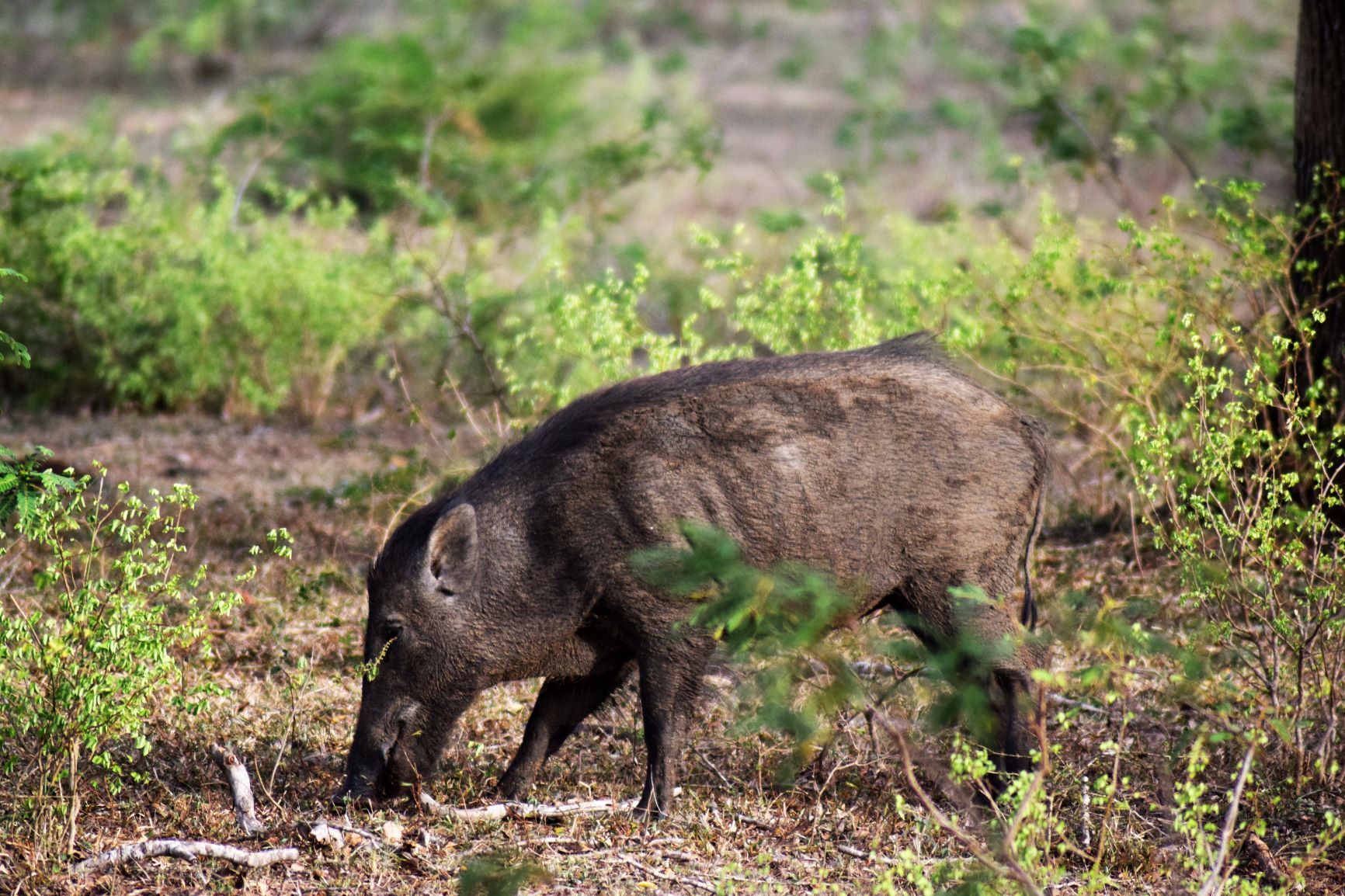
Maps Show Where Wild Boar Could Thrive and Spread on Jeju Island
Researchers mapped potentially suitable wild-boar habitat across roughly 36% of Jeju Island and identified eight possible corridors linking…
Read story →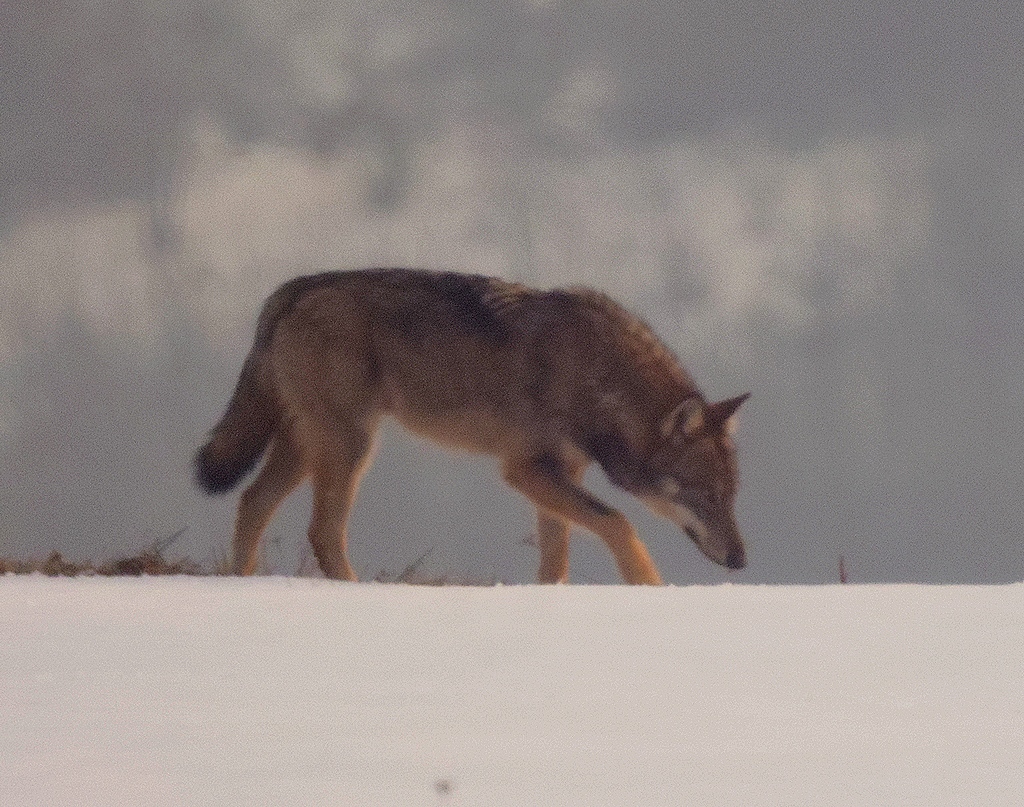
Roe Deer and Wild Boar Remained Key Wolf Prey as Diet Shifted Across North-western Italy
From 2021 to 2025, wolves in north-western Italy continued to feed mainly on wild prey. In the Po…
Read story →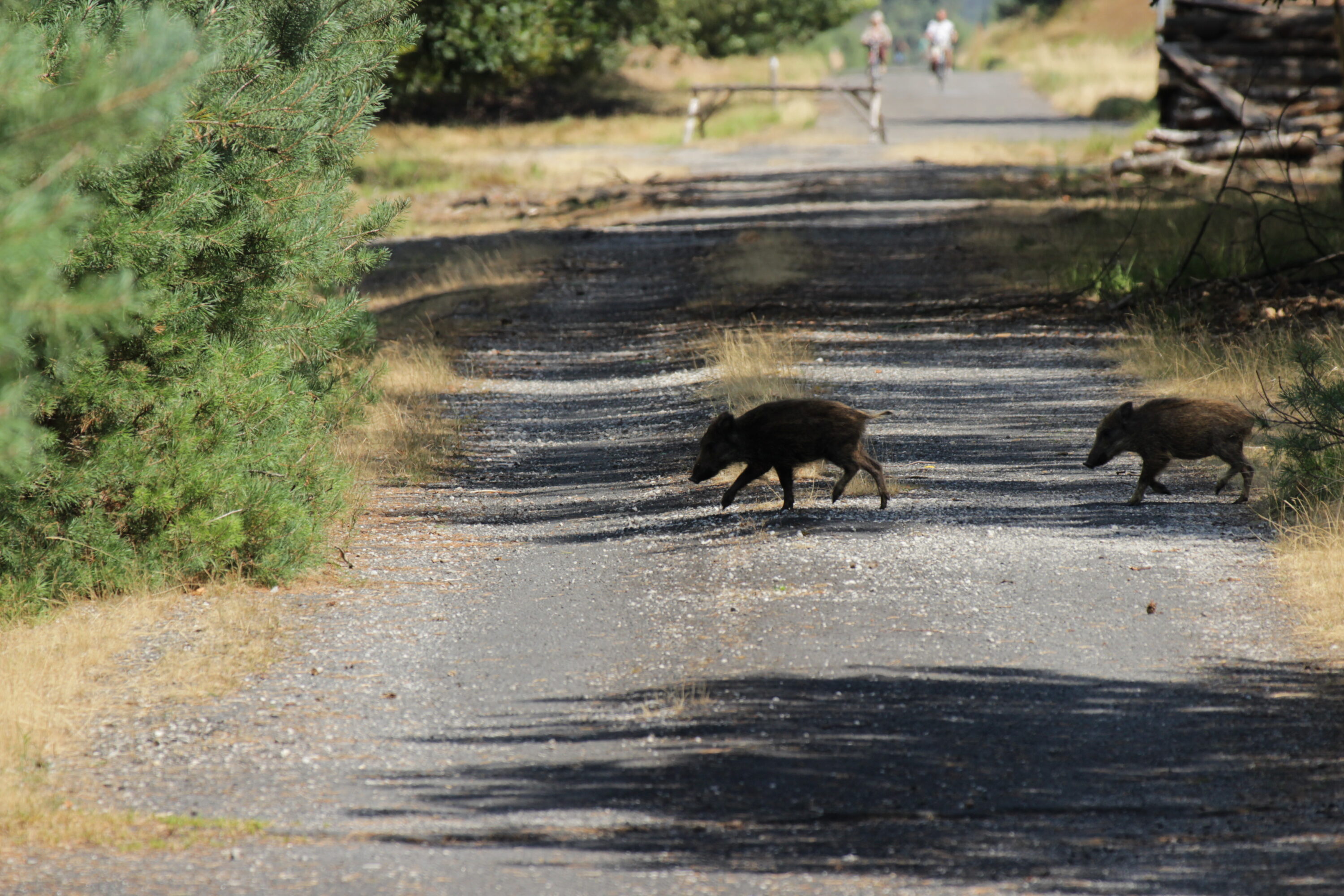
Copper levels in wild boar differed across Slovak districts
An analysis of kidney, liver and muscle from 147 wild boar in four districts found that iron and…
Read story →SPECIES IN THIS STORY
Species in this story
Independent research and conservation news archive
Did you find this information useful?
Wildlife Vagabond is independently built and maintained. Voluntary support helps cover source verification, hosting and continued work on research and conservation news.
Support Wildlife VagabondThe news archive will remain freely available.