
Alberta Wild Boar Bred Year-round, but First-year Survival Appeared Low
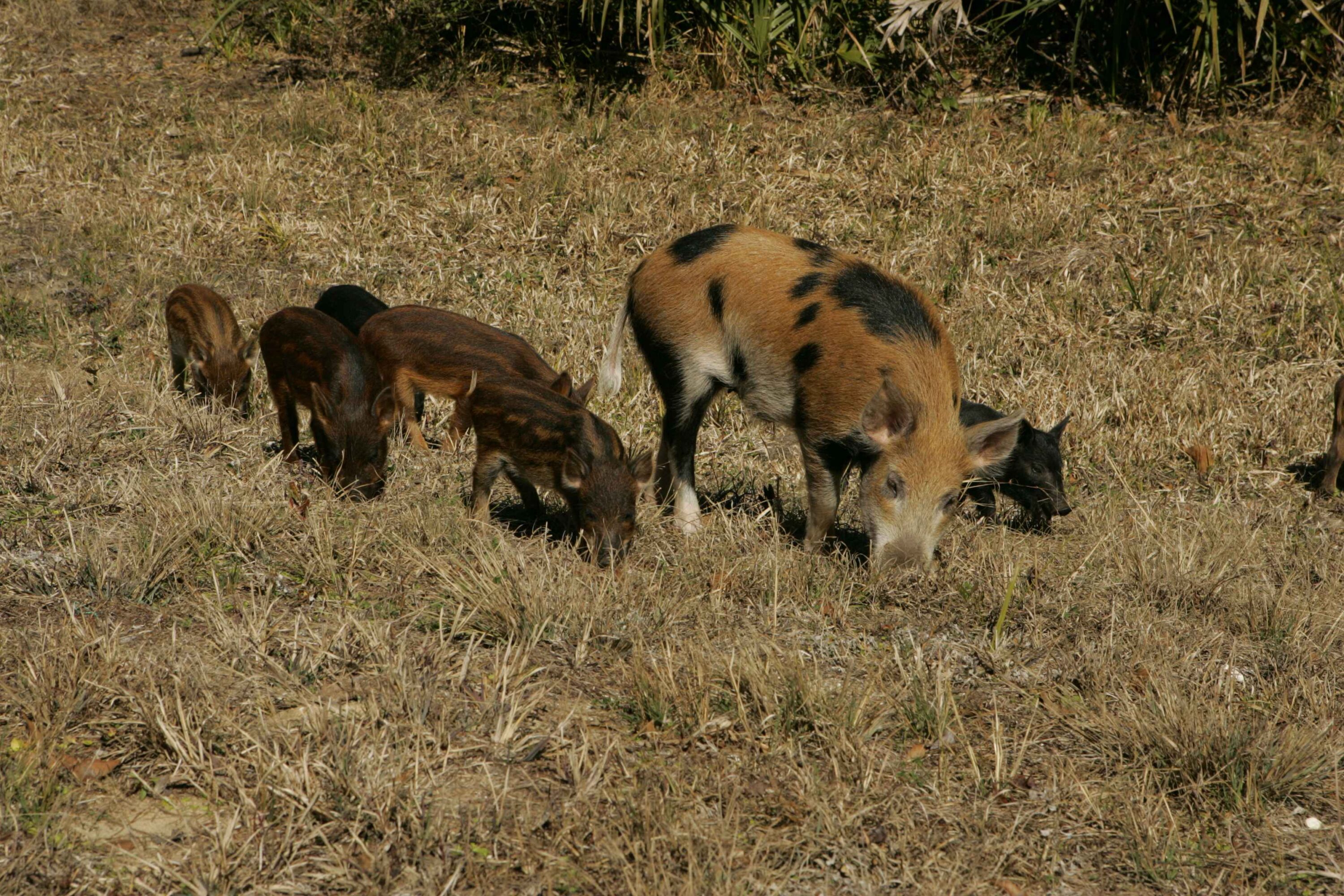
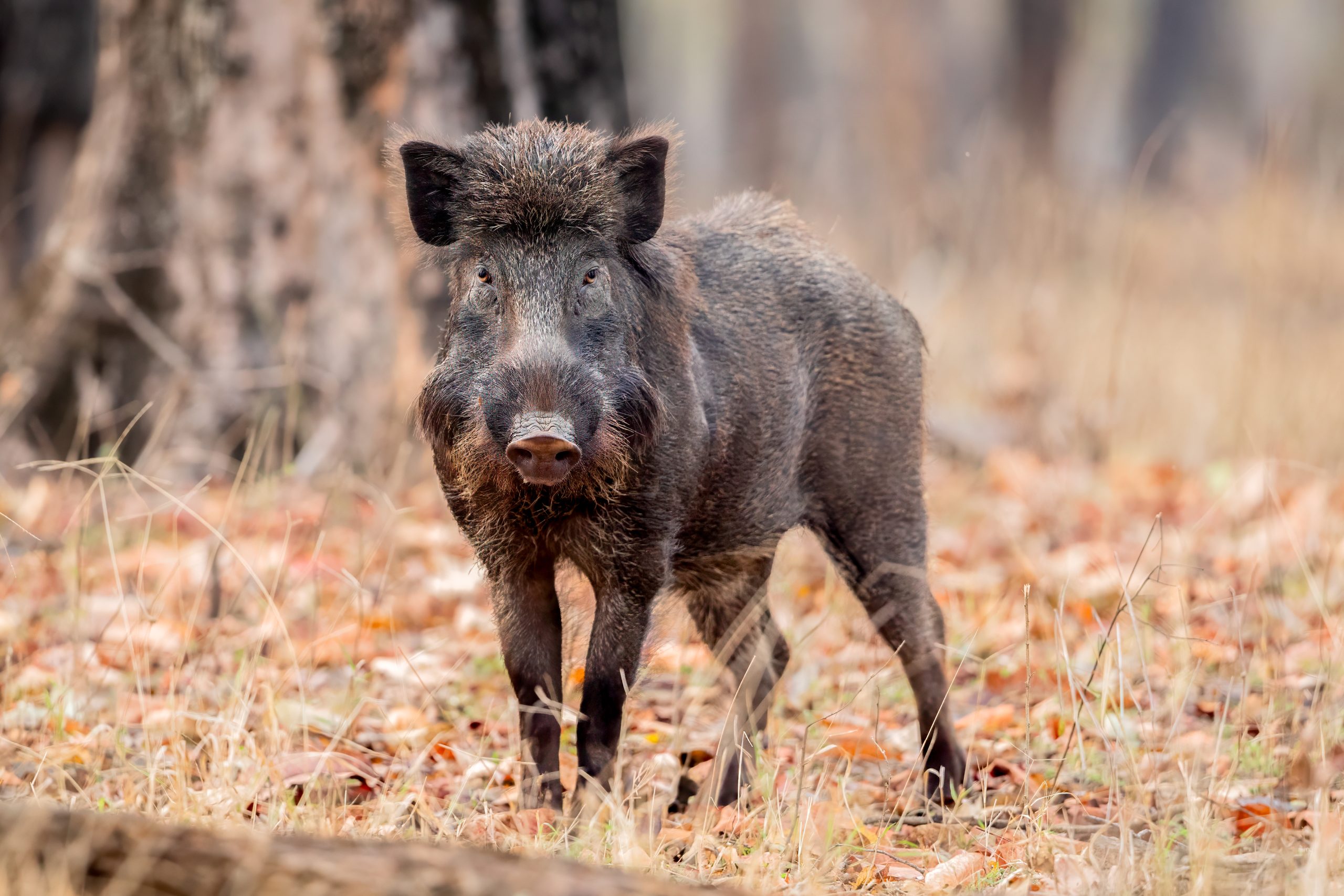
Wild boar (Sus scrofa) at the northern edge of their invasive North American range retained a high reproductive capacity despite Alberta, Canada’s long winters and strongly seasonal climate. Among mature females examined through the provincial control programme, 68% were reproductively active, and reconstructed birth dates indicated reproduction throughout the year.
The study analysed 362 wild boar removed between 2018 and 2024 in 57 capture events across 11 sites. Because the material came from control operations rather than a population-wide random sample, the authors caution that some age classes, group sizes and seasons may be over- or under-represented.
More than two-thirds of mature females were reproductively active
Of 87 mature females, 31 were pregnant and 34 were lactating; some were both pregnant and lactating. Taken together, 68% showed active reproduction. Pregnant females carried between two and 11 fetuses, with a median litter size of five.
The smallest pregnant female weighed 38 kg and measured 77.5 cm from snout to tail base. Female body mass was positively associated with fetus number, meaning larger females tended to carry larger litters.
Breeding occurred year-round, but not evenly through the year
Monthly reproductive data showed pregnancies and lactation in multiple seasons rather than one short breeding period. Pregnancy was most common in December and January, consistent with the reconstructed birth dates showing a main farrowing period around March and April. A smaller pregnancy peak in June matched a secondary farrowing period around October.
The seasonal pattern also differed with female size. During summer, pregnancy was recorded only in females above about 63 kg, whereas winter pregnancies included females as light as 38 kg. The authors suggest that younger or lighter females may need the summer to build enough body reserves before reproducing, while heavier females may be able to reproduce across a broader part of the year.
The study discusses this in terms of capital and income breeding. Capital breeders rely mainly on energy stored before reproduction, whereas income breeders can use food acquired while reproduction is underway. The Alberta pattern suggests that reproductive strategy may vary with body condition rather than following one fixed seasonal rule.
First-year survival was estimated indirectly
High fertility did not necessarily translate into rapid population growth. The researchers could not follow individual piglets through their first year, so survival was estimated indirectly from the number of young animals falling into successive size-based age classes.
To estimate age, they used body length and a growth model built from 1,943 wild pigs of known dental-age categories in Texas. Applied to the Alberta sample, the model suggested relatively high survival during the first months, while piglets still benefited from milk and maternal thermoregulation, followed by a much sharper decline after weaning.
Because the age estimates depend on applying a Texas growth model to Alberta pigs, and because capture probability may differ among ages and groups, the survival result is less certain than the directly observed pregnancy and litter data. The authors say direct known-fate studies of juveniles would be needed to confirm it.
Recruitment appeared only slightly above replacement
Combining the estimated juvenile survival with the observed reproductive output produced an average estimate of about 2.4 young surviving into the recruited age classes per reproductive female. With roughly half expected to be female, that leaves only a little more than one recruited daughter per reproducing female — only marginally above the level needed to replace the mothers in the population.
The researchers therefore conclude that poor juvenile survival may currently constrain population growth even though fertility is high. Piglets estimated to have been born in winter also showed slower weight gain, which could help explain poorer survival under cold conditions.
Summer trapping was more difficult because abundant natural food made bait less attractive, so summer animals were under-represented in the removal data. The authors therefore treat the exact seasonal pattern cautiously. Even so, the study shows that Alberta wild boar can reproduce throughout the year and maintain litter sizes comparable with populations farther south, while survival after birth may currently be the stronger demographic bottleneck.
Reproduction & development
Related news
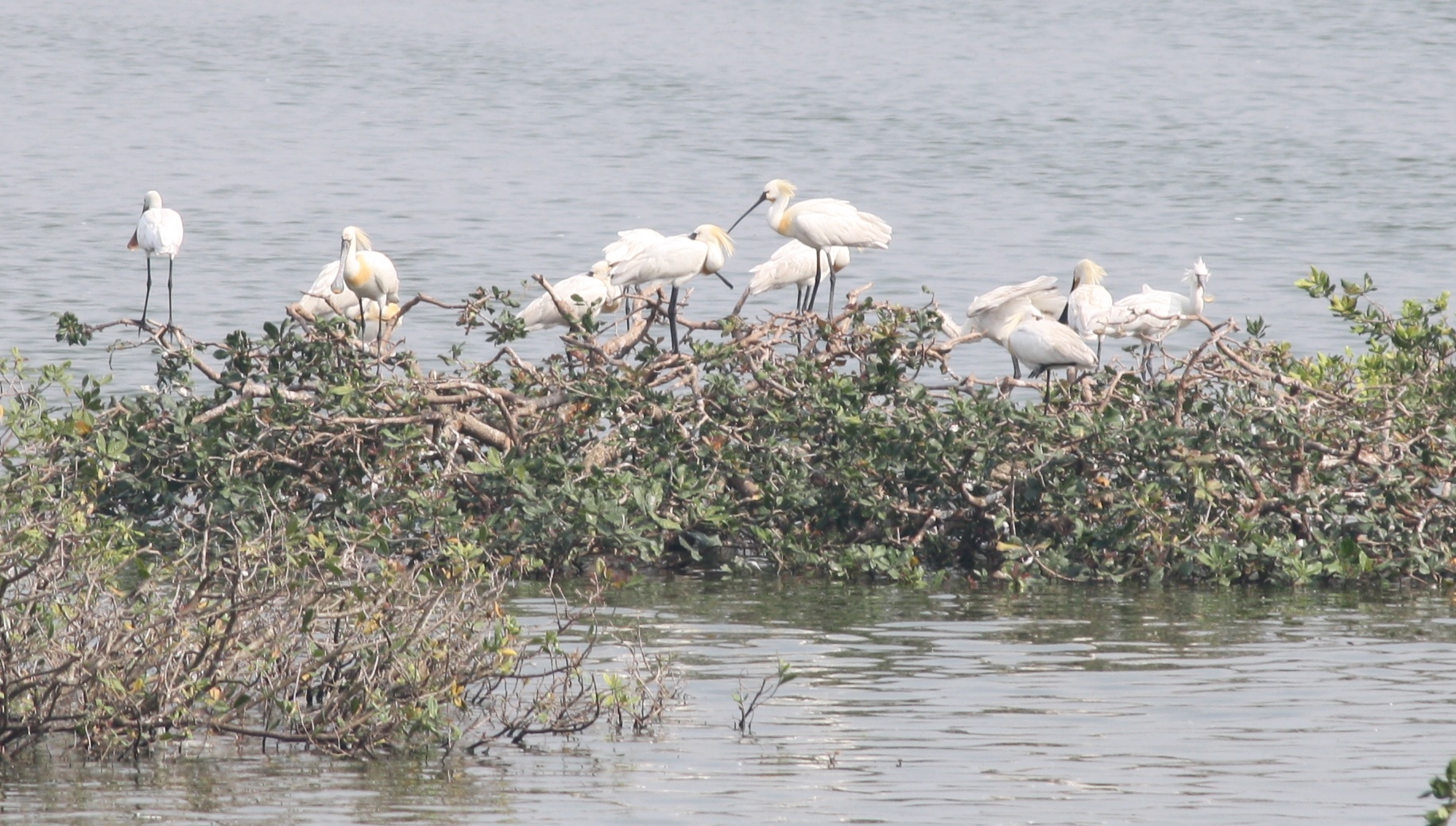
Therthangal Spoonbill Colony Returned to 12 Active Nests After Complete Breeding Failure
Six breeding seasons at Therthangal Bird Sanctuary in Tamil Nadu ranged from 12 active Eurasian Spoonbill nests in…
Read story →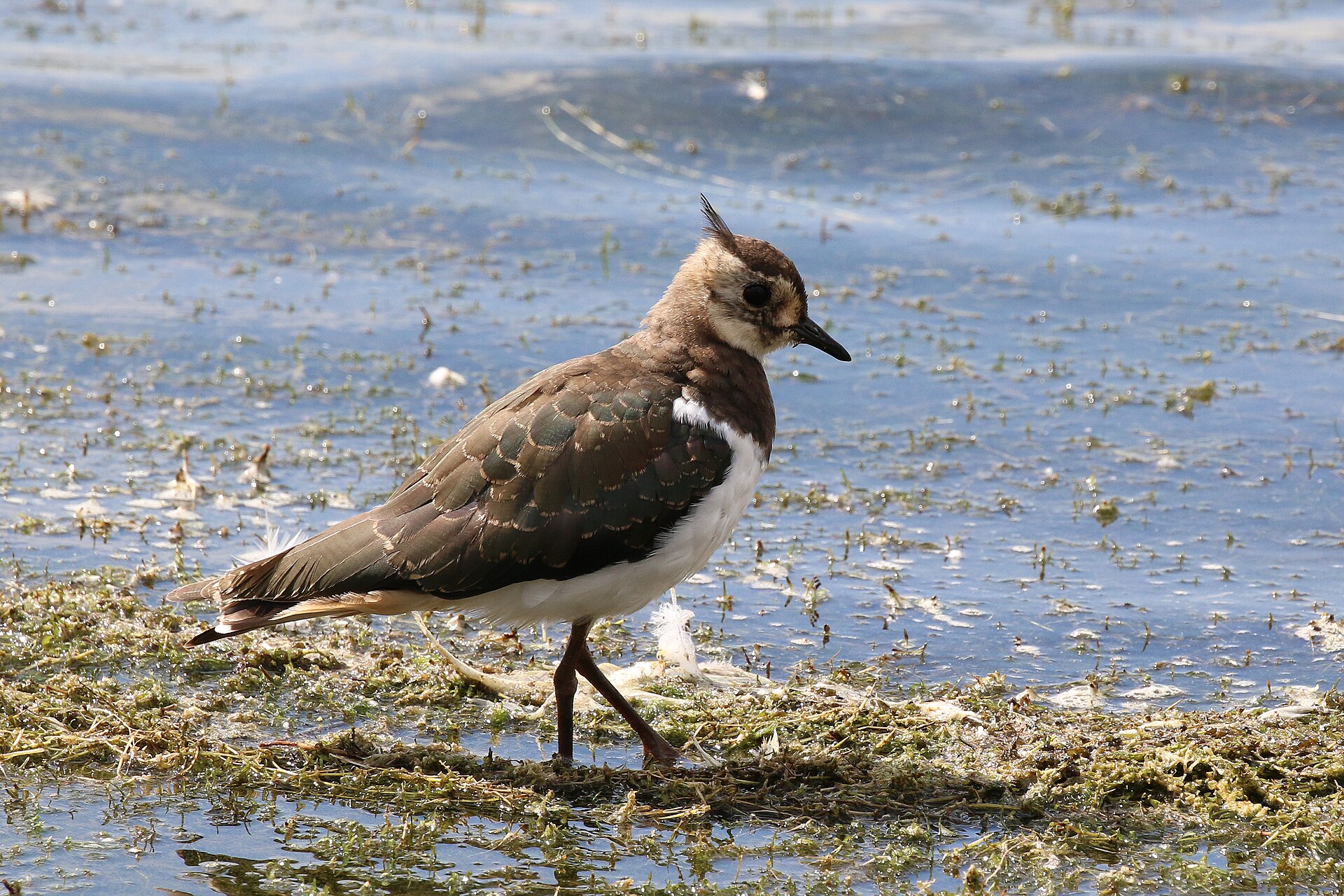
Lapwing and Oystercatcher Nesting Shifted in Opposite Directions With Latitude
Fifty years of UK nest records showed that northern lapwings nested later towards the north while Eurasian oystercatchers…
Read story →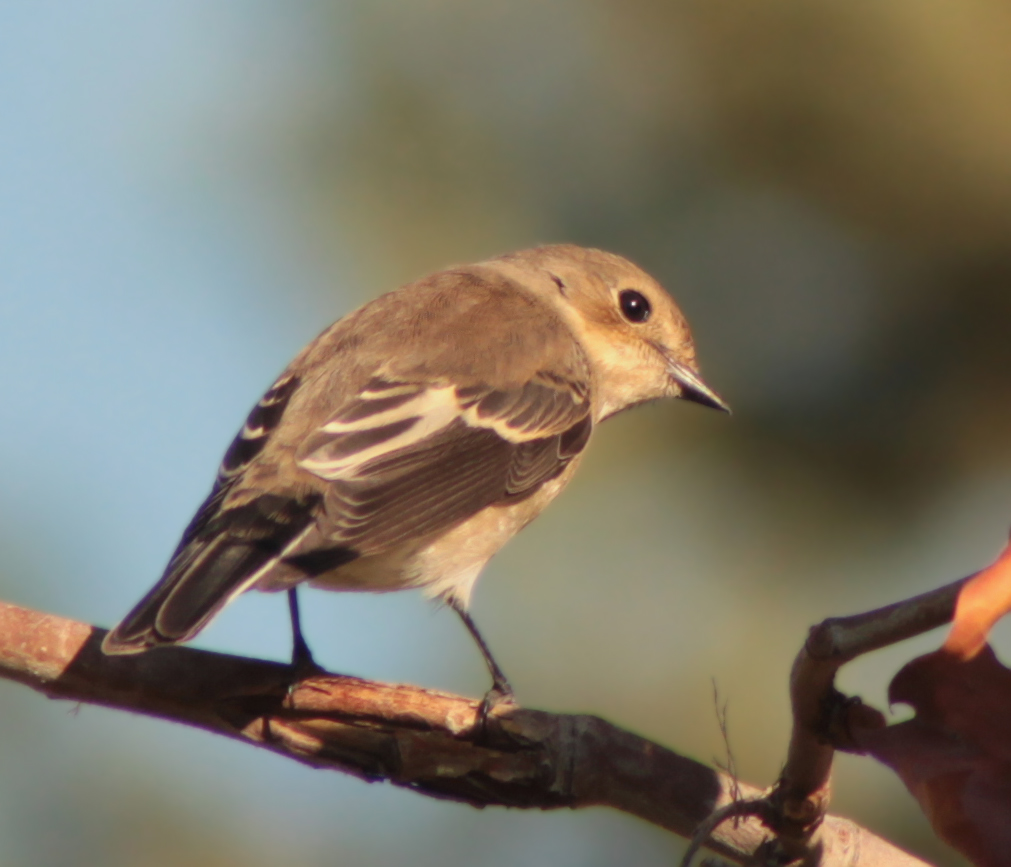
Late Spring Frost Was Linked to About 4% Smaller Pied Flycatcher Eggs
After a severe April frost damaged emerging oak foliage at Valsaín in central Spain, Pied Flycatchers laid eggs…
Read story →SPECIES IN THIS STORY
Species in this story
Independent research and conservation news archive
Did you find this information useful?
Wildlife Vagabond is independently built and maintained. Voluntary support helps cover source verification, hosting and continued work on research and conservation news.
Support Wildlife VagabondThe news archive will remain freely available.