
Black-crowned Night Herons Had 87.7% Hatching Success Across Four Algerian Wetland Colonies
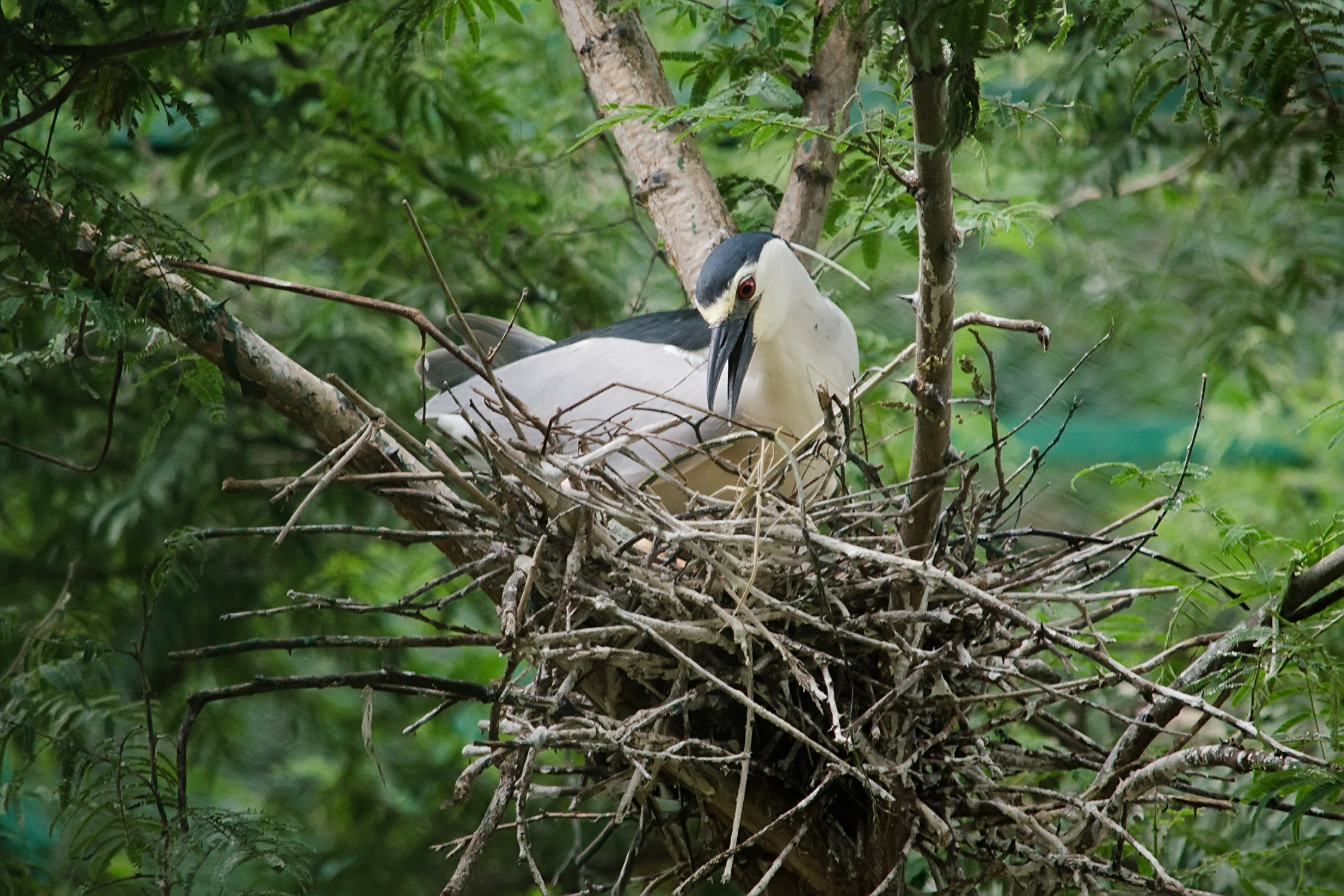
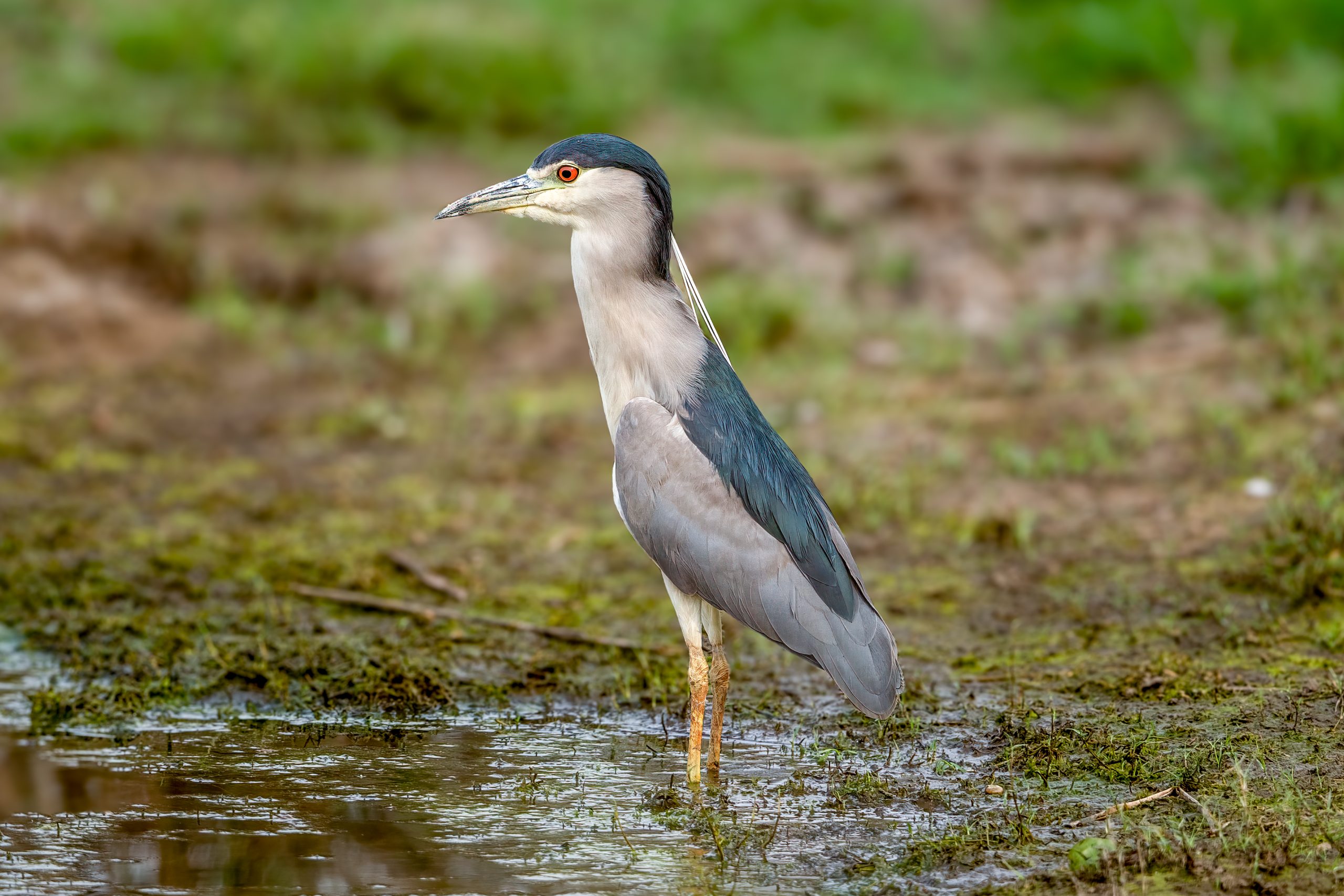
A five-year study of Black-crowned Night Herons (Nycticorax nycticorax) in north-eastern Algeria followed breeding at four wetland colonies from 2003 to 2007. Across 174 nests, the mean clutch size was 3.3 eggs and 87.7% of eggs hatched.
Among 105 successful nests, an average of 2.5 chicks were still alive at 12–15 days of age. The 87.7% figure therefore describes egg hatching, not the proportion of young that ultimately fledged. The herons generally began breeding earlier than other heron species in the mixed colonies and often nested higher within the colony structure, using both trees and reedbeds.
Breeding performance differed among colonies and years and was highest at Lake Fetzara, the largest wetland in the region. The authors interpret this as evidence that habitat quality within the regional wetland network matters for reproductive performance.
Clutch size itself remained relatively stable among colonies and years. Larger clutches were associated with more hatched eggs and more surviving chicks, while laying date and nest height did not clearly explain additional variation once clutch size was taken into account.
The authors also report that the regional Black-crowned Night Heron population had increased by about tenfold over the preceding decade. They nevertheless emphasise continuing pressure on both heron populations and wetlands and argue for continued monitoring and targeted conservation.
Reproduction & development
Related news
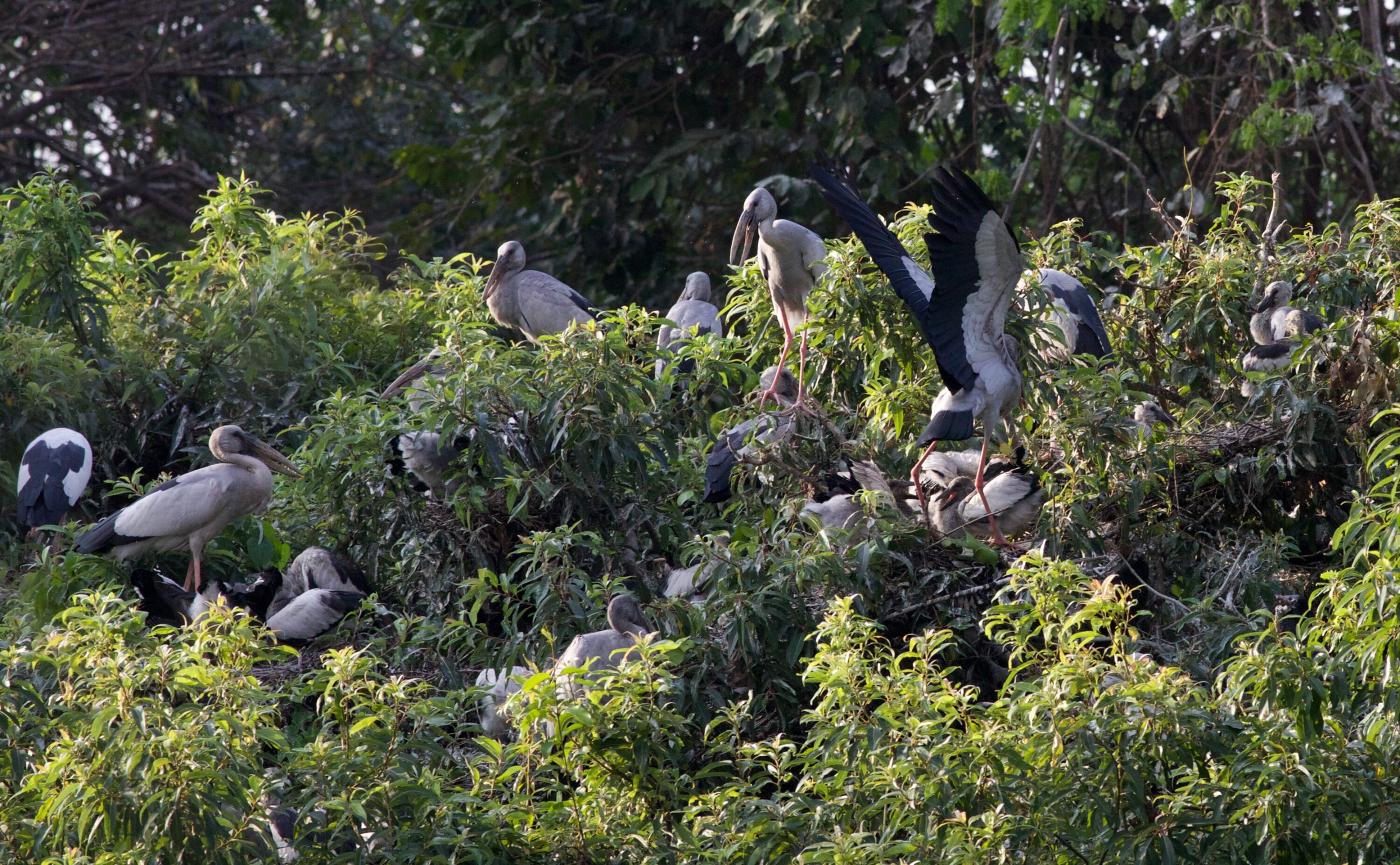
Waterbird Nest Counts Nearly Halved at an Indian Wetland, but Bird Numbers Showed No Clear Decline
At Vettangudi Bird Sanctuary in India, recorded waterbird nests fell from 396 to 190 across eight sampled breeding…
Read story →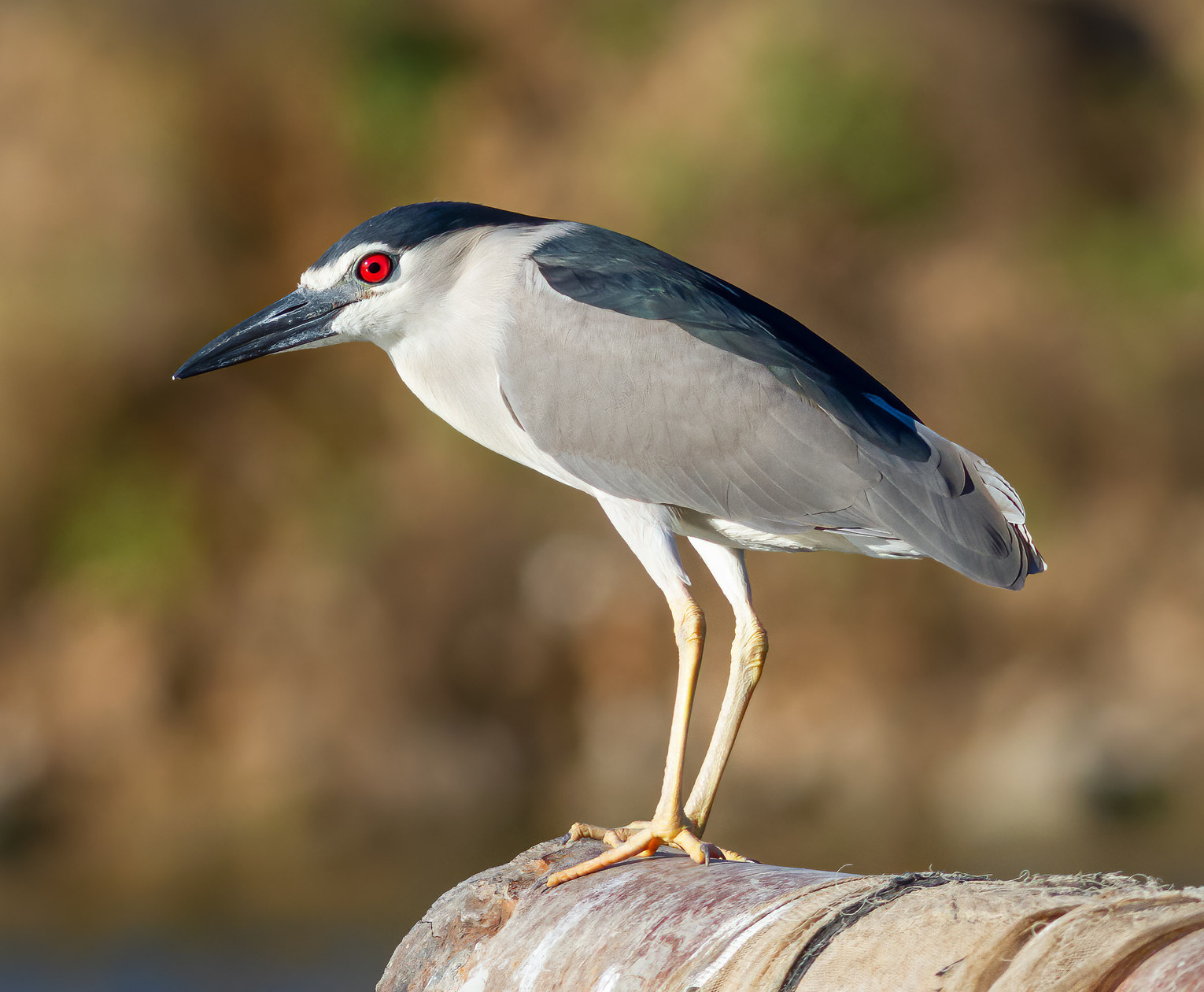
New nematode species described from black-crowned night herons in Israel
Fourteen adult nematodes collected from the stomach lining of three black-crowned night herons in Israel led to the…
Read story →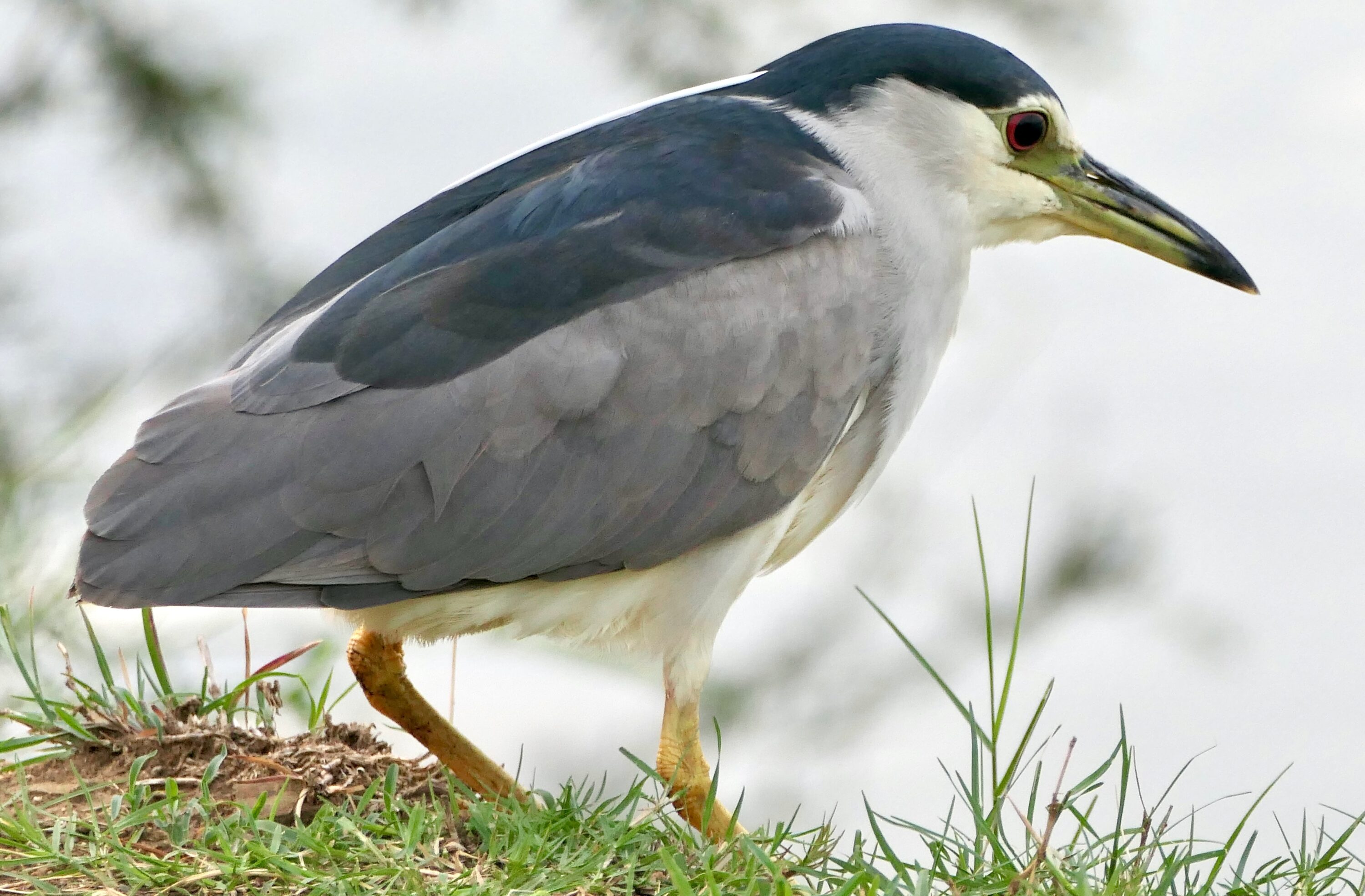
Rare Black-crowned Night Heron Recorded for Three Days at Restored Holnicote Wetlands
National Trust cameras recorded a scarce black-crowned night heron on three consecutive days at Holnicote, where wetland restoration…
Read story →SPECIES IN THIS STORY
Species in this story
Independent research and conservation news archive
Did you find this information useful?
Wildlife Vagabond is independently built and maintained. Voluntary support helps cover source verification, hosting and continued work on research and conservation news.
Support Wildlife VagabondThe news archive will remain freely available.