
Ancient DNA recovered from dire wolf and coyote teeth at La Brea
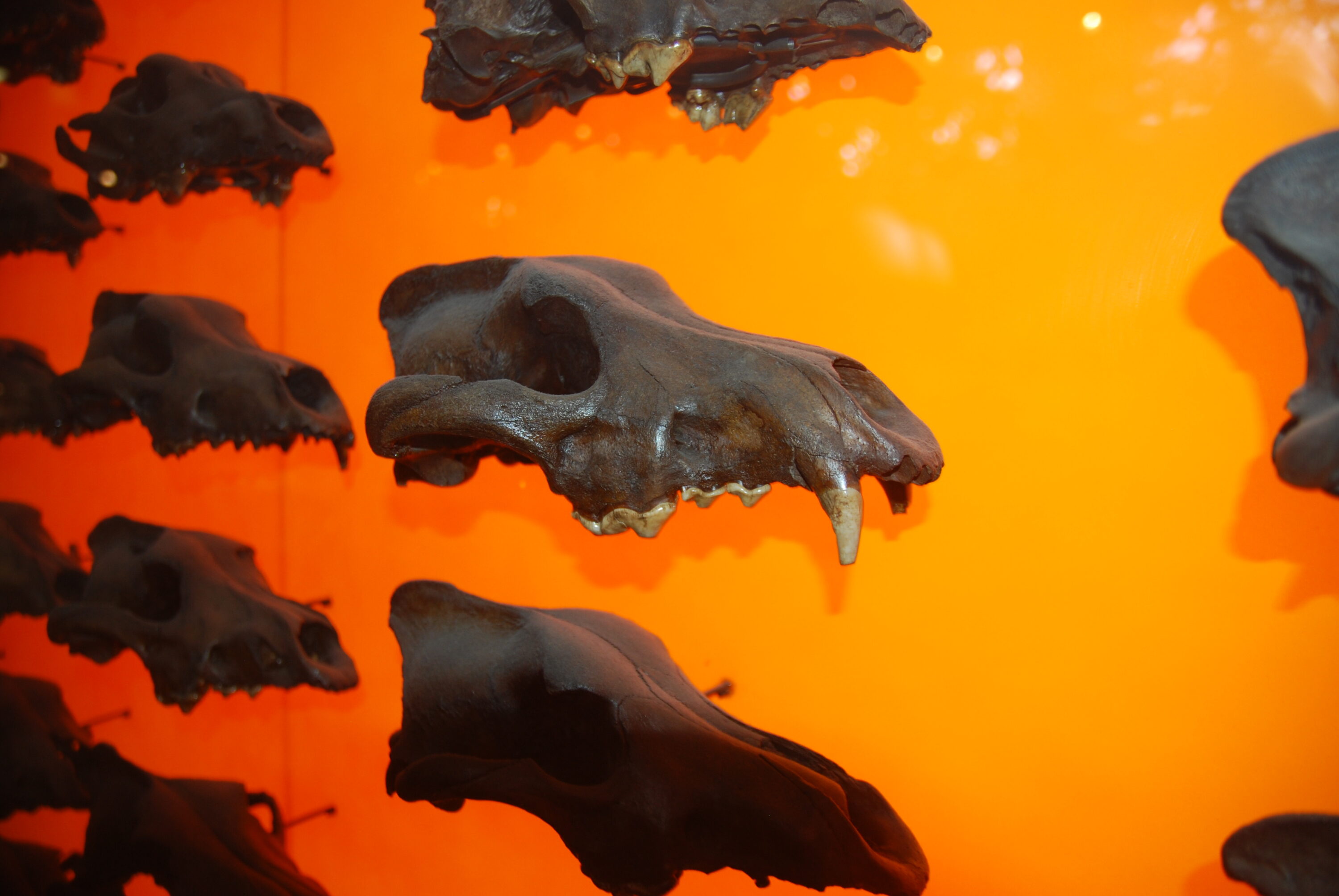
Researchers have for the first time confirmed DNA from the fossil animals themselves in fossils from an asphalt deposit. The fragments came from teeth of two dire wolves (Aenocyon dirus) and a coyote (Canis latrans) from Rancho La Brea in Los Angeles. Only three of ten DNA extracts from tooth material yielded authentic animal DNA, far too little to reconstruct a genome.
The teeth came from Project 23, Box 9, a deposit containing fossils about 40,000 to more than 55,000 years old. They were excavated without treatments such as solvents that can damage DNA. Even so, the animal DNA signal was tiny amid contamination and other DNA.
Targeting mitochondrial DNA
Broad sequencing of DNA in the samples recovered fewer useful fragments than a method that selectively enriched mitochondrial DNA. Cells contain many copies of mitochondrial DNA, so it can be easier to find when most genetic material has degraded. Residual asphalt did not prevent DNA amplification or targeted enrichment in these tests.
Several possible causes of poor preservation
Warmth and moisture can speed DNA breakdown. The researchers considered the fossils’ “thermal age”—the cumulative effect of temperature over time—as one possible factor. Gypsum, calcite and clay coatings in the sediments also point to groundwater movement and changes in soil conditions, which may affect how molecules survive. Temperature shifts can change asphalt’s viscosity, making it soften and harden over time.
Collagen, a durable structural protein in bone, did not reliably indicate whether DNA had survived. Preserving one molecule does not guarantee that a more fragile one remains. The study cannot identify which factors mattered most, but its findings show why both a fossil’s burial history and its later collection and treatment matter when selecting samples for ancient-DNA research.
Genetics & genomics
Related news
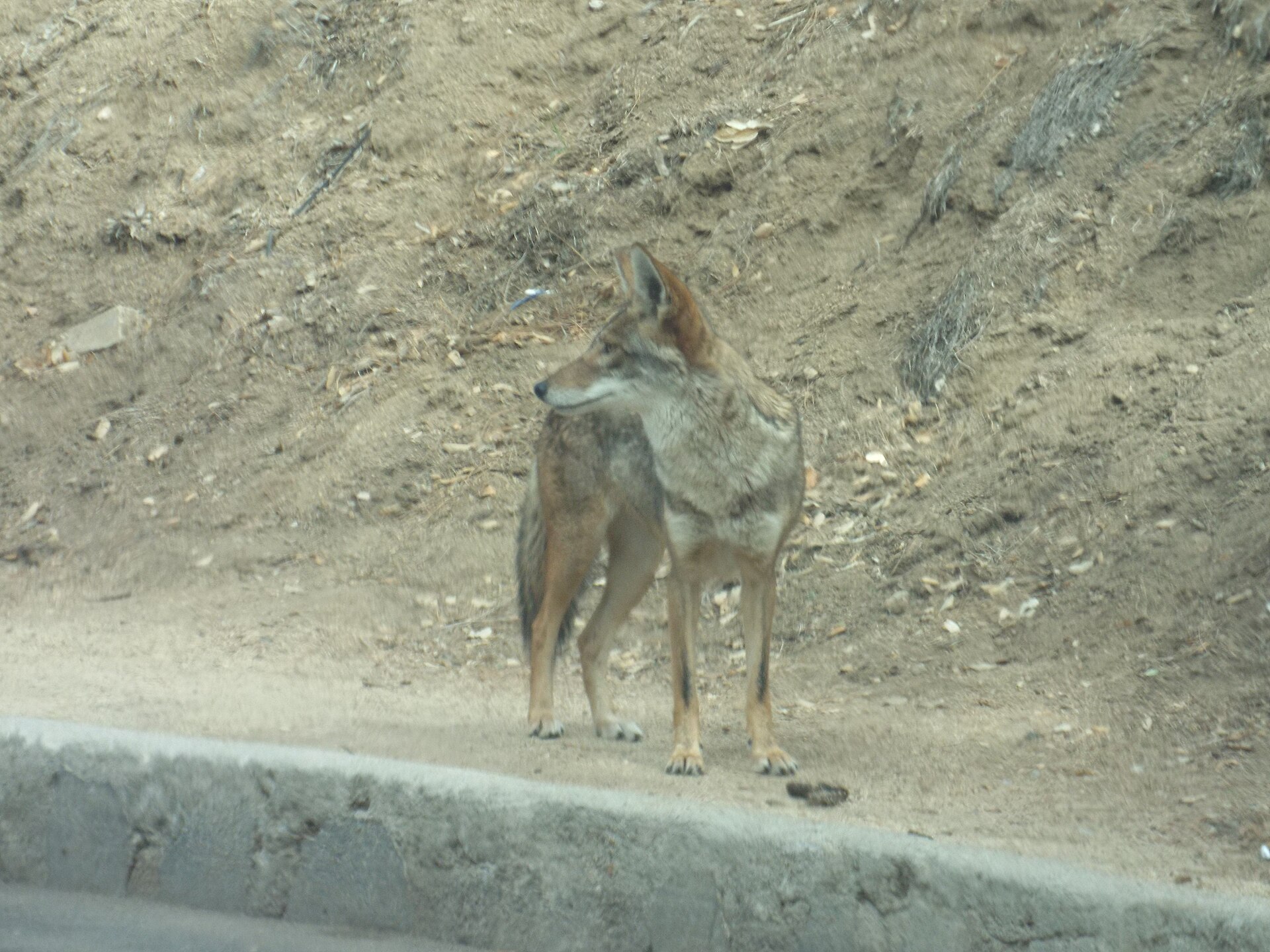
Los Angeles’s Urban Cores Absorb and Pass On Coyote Gene Variants
Genetic data from Greater Los Angeles show gene flow across four major highways. Although variants flowed strongly from…
Read story →
Coyotes Increased Across Illinois Over Four Decades, but County Trends Varied
Four long-running Illinois surveys together showed a statewide coyote increase from 1980–2023, while county-level populations followed more variable…
Read story →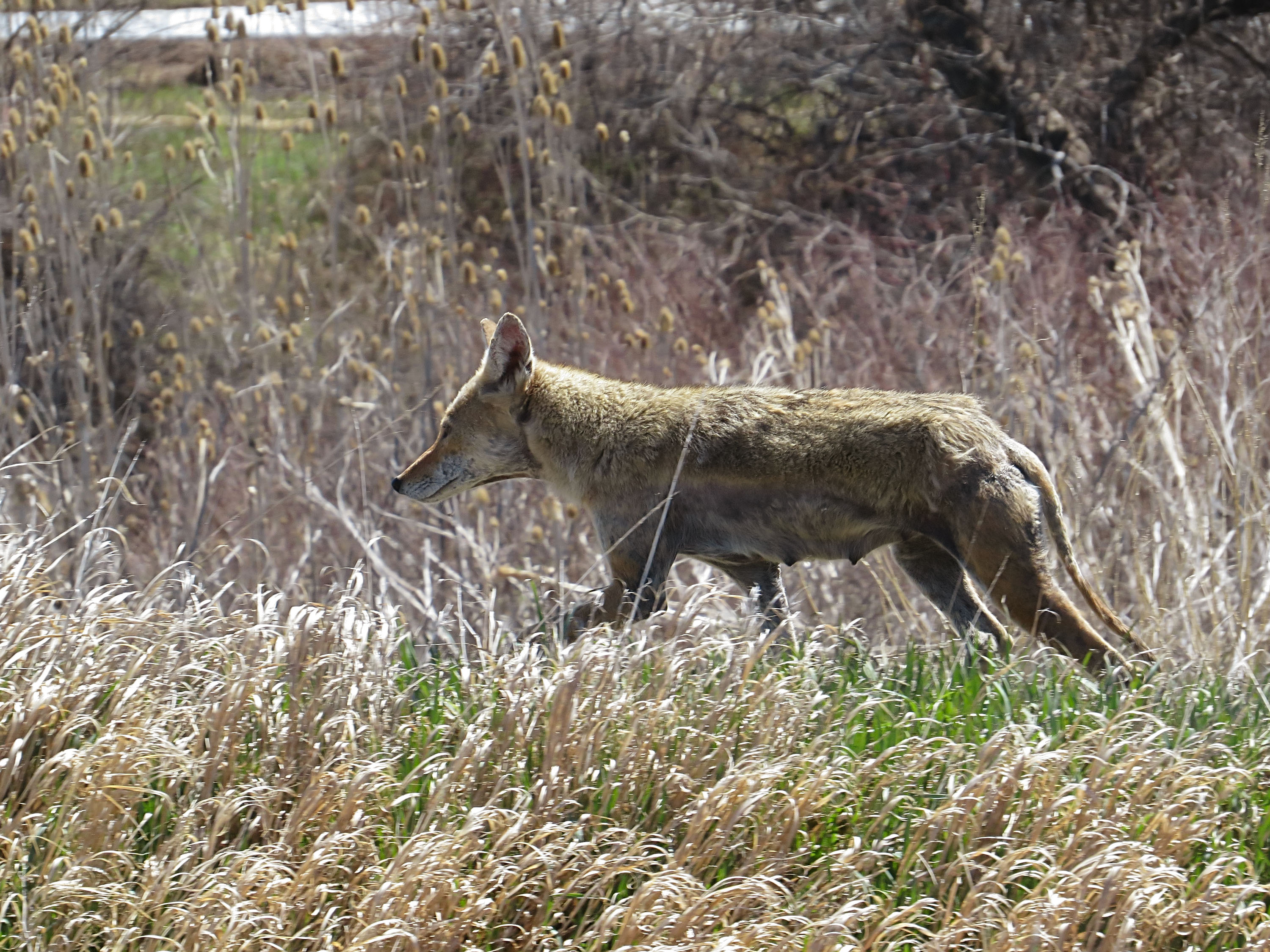
Mange in Coyotes Varied With Urban Density and Habitat Connectivity Across North American Cities
Camera-trap data linked visible mange in coyotes to urban intensity and habitat connectivity at two spatial scales, while…
Read story →SPECIES IN THIS STORY
Species in this story
Independent research and conservation news archive
Did you find this information useful?
Wildlife Vagabond is independently built and maintained. Voluntary support helps cover source verification, hosting and continued work on research and conservation news.
Support Wildlife VagabondThe news archive will remain freely available.