
Eurasian Collared Doves 1.6 km Apart Differed in Wing, Digit and Beak Measurements in Annaba
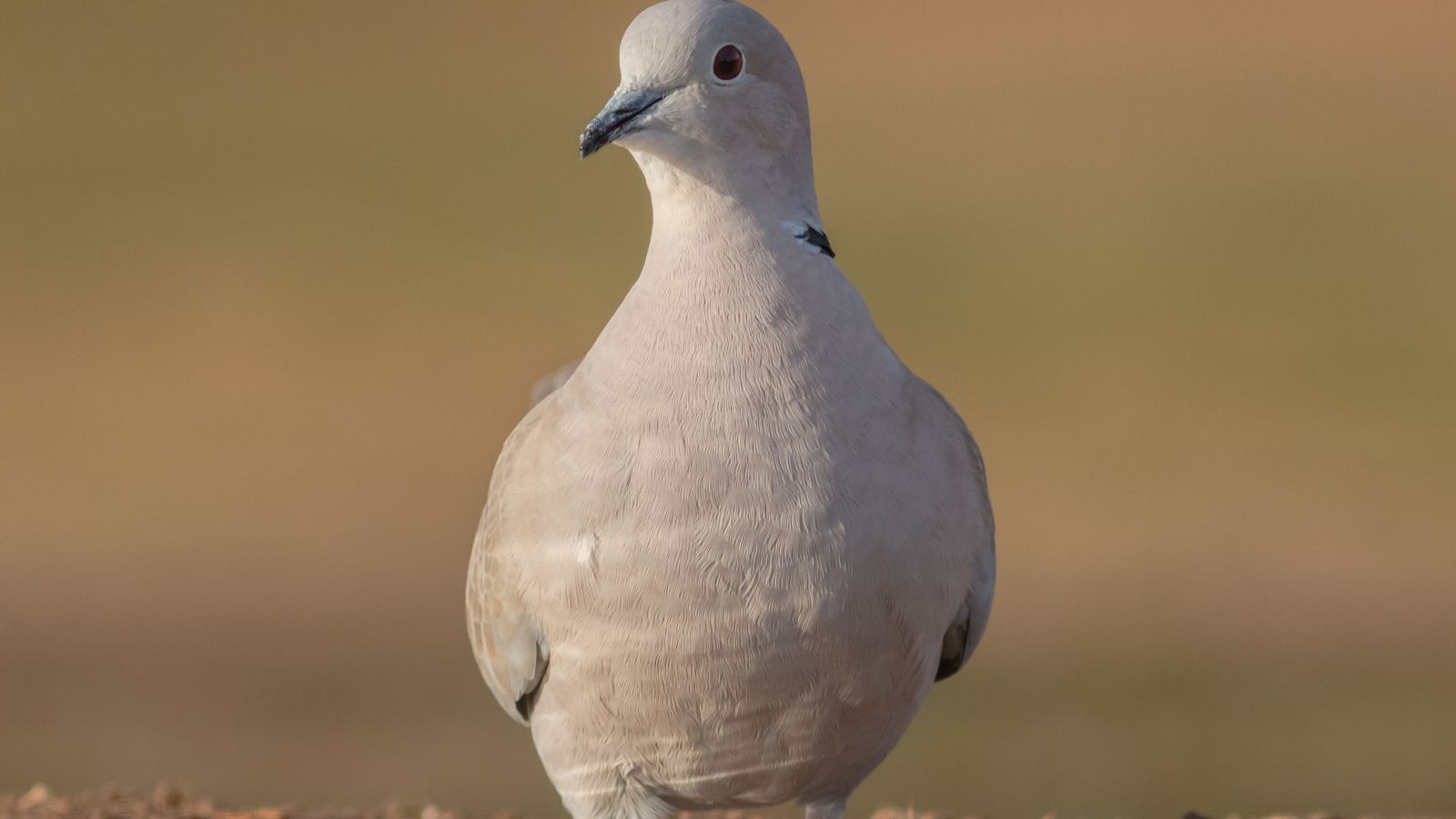
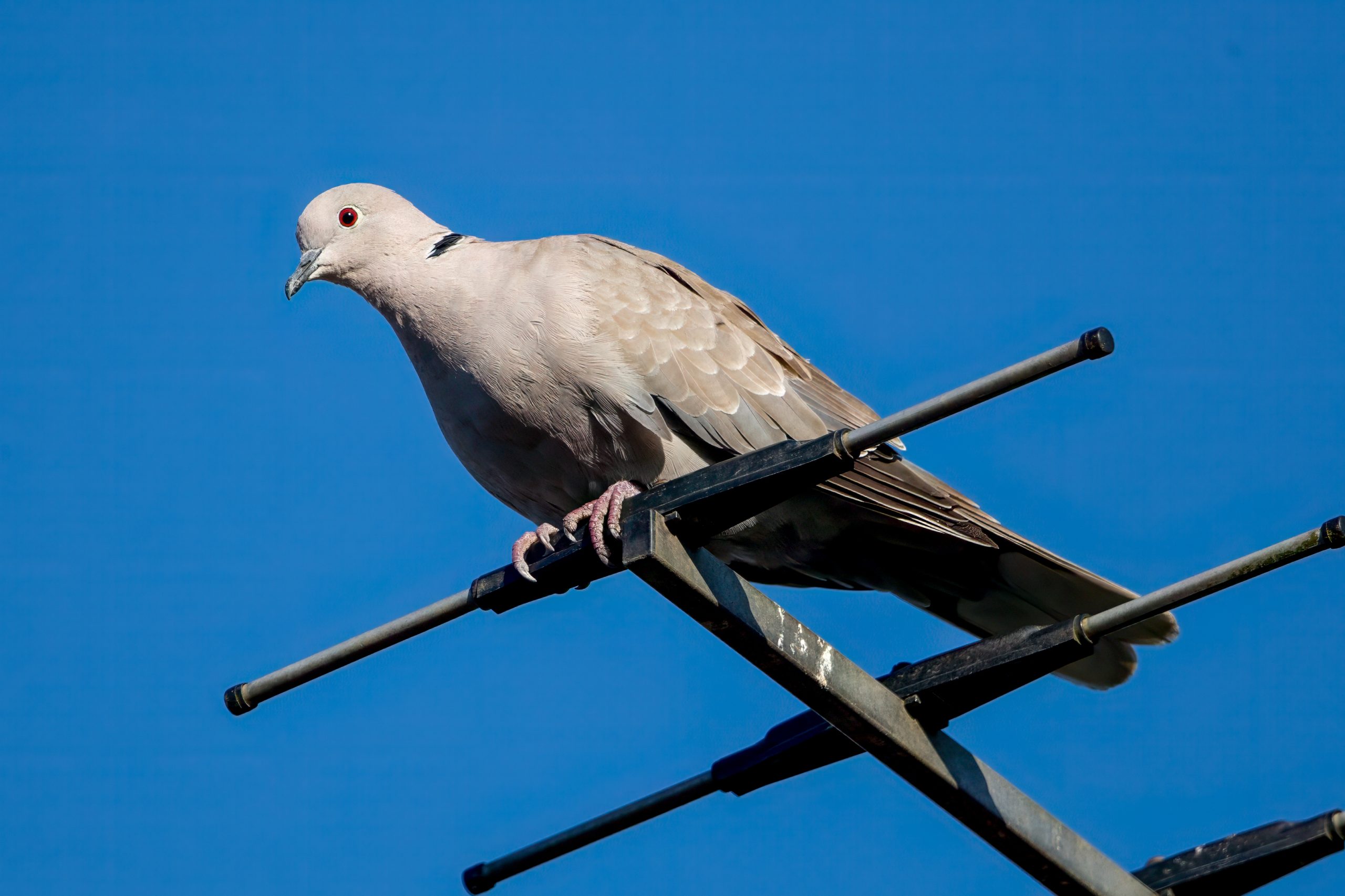
Eurasian collared doves (Streptopelia decaocto) living only 1.6 kilometres apart within Annaba, Algeria, differed in several body measurements, according to a study published in 2026. Researchers compared 35 adult birds from a wooded cemetery with birds from a rooftop surrounded by a much more heavily urbanised area.
The team measured 13 morphological traits, body mass and two indices of body condition. Body condition here refers to the energy reserves an animal carries relative to its structural size, used as a rough indicator of its physical state rather than simply how large it is. Doves from the rooftop site had significantly smaller extended and folded wing measurements, digit length and beak length than birds from the wooded cemetery. Tarsus length and beak height also tended to be smaller, although those differences were only marginally significant.
Several measurements differed while body condition did not
Other measurements, including body mass, tail length, total body length, collar length and several bill and wing indices, did not differ significantly between the sites. The two groups also had similar body condition under both indices used by the researchers.
The authors place the result in the context of urban phenotypic differentiation—differences in observable body traits between groups living in different environments. Eurasian collared doves had colonised Annaba only about 20 years before the birds were sampled, yet some morphological differences were detectable between nearby urban environments. The study cannot show whether those differences arose through genetic change, developmental plasticity, diet or other environmental effects. With only 35 birds from two sites, the result documents fine-scale morphological differentiation rather than the mechanism producing it.
Anatomy & morphology
Related news
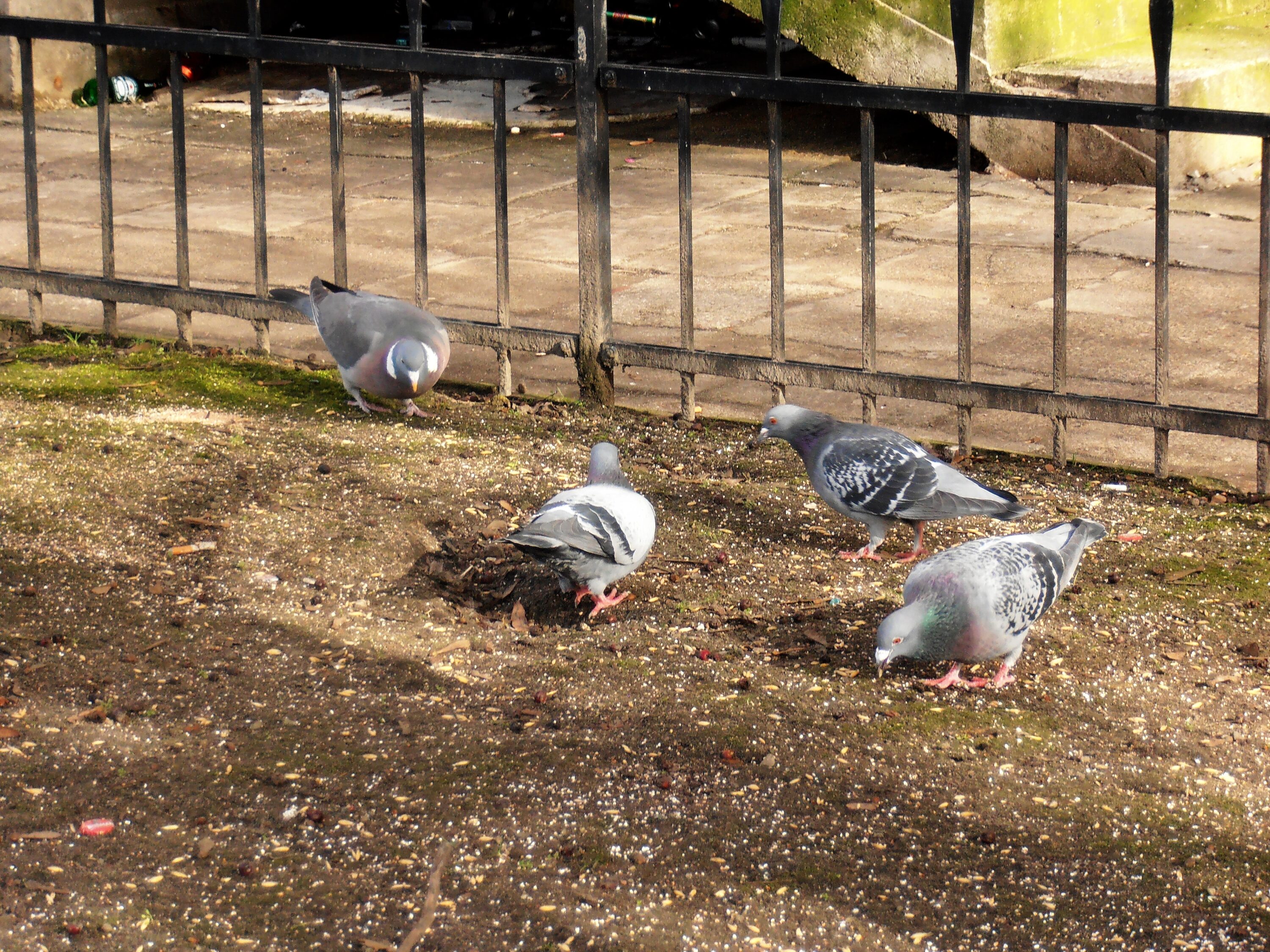
Common Wood-Pigeon Was Negatively Associated With Settlements in High Atlas Valleys
Across 179 survey points in two Central High Atlas valleys in Morocco, researchers recorded 1,073 pigeons and doves.…
Read story →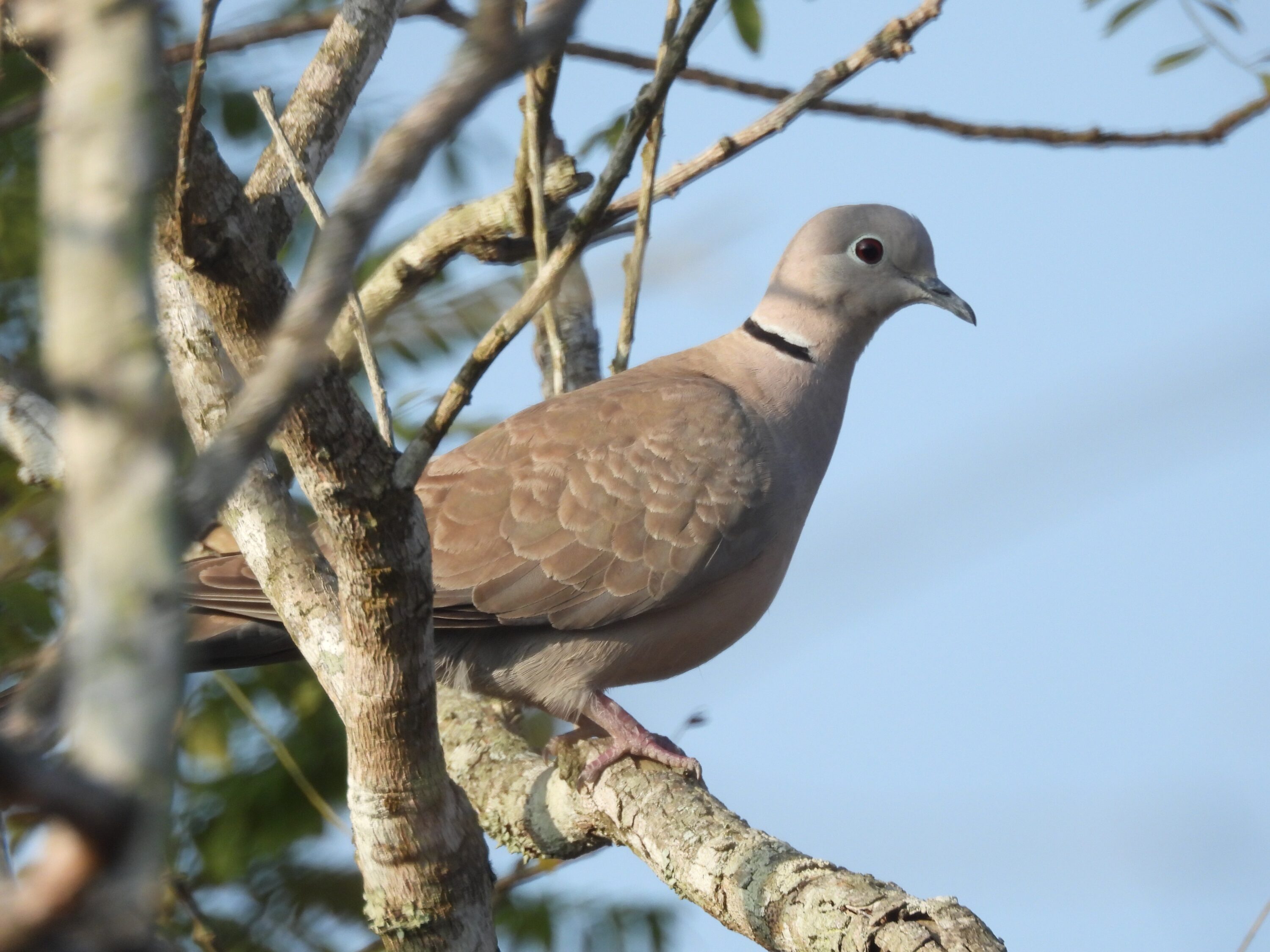
Eurasian Collared Dove Index Showed Clear Increases on Both Time Scales in India
The 2025 State of India’s Birds update estimated a +65.8% long-term trend and a +3.8% current annual trend…
Read story →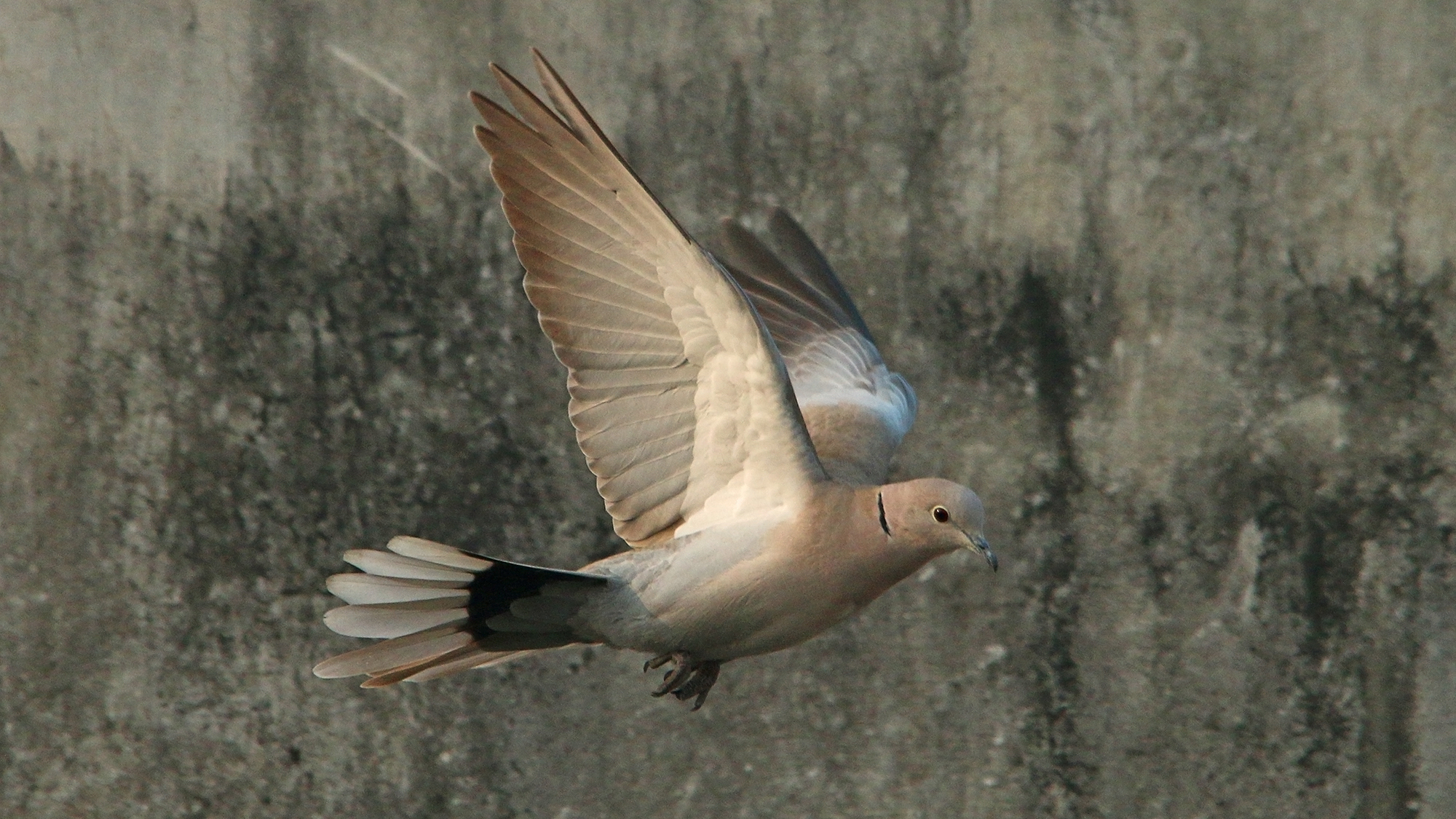
Hybrid-type Collared Doves Dominated Puerto Rico and Were Common in the Canary Islands
Photo-based classification found hybrid-type Eurasian–African collared doves in about 90% of sampled birds in Puerto Rico and 43.8%…
Read story →SPECIES IN THIS STORY
Species in this story
Independent research and conservation news archive
Did you find this information useful?
Wildlife Vagabond is independently built and maintained. Voluntary support helps cover source verification, hosting and continued work on research and conservation news.
Support Wildlife VagabondThe news archive will remain freely available.