
Water Proximity Was the Strongest Predictor of Wild Boar Occurrence in Argentina’s Monte Desert
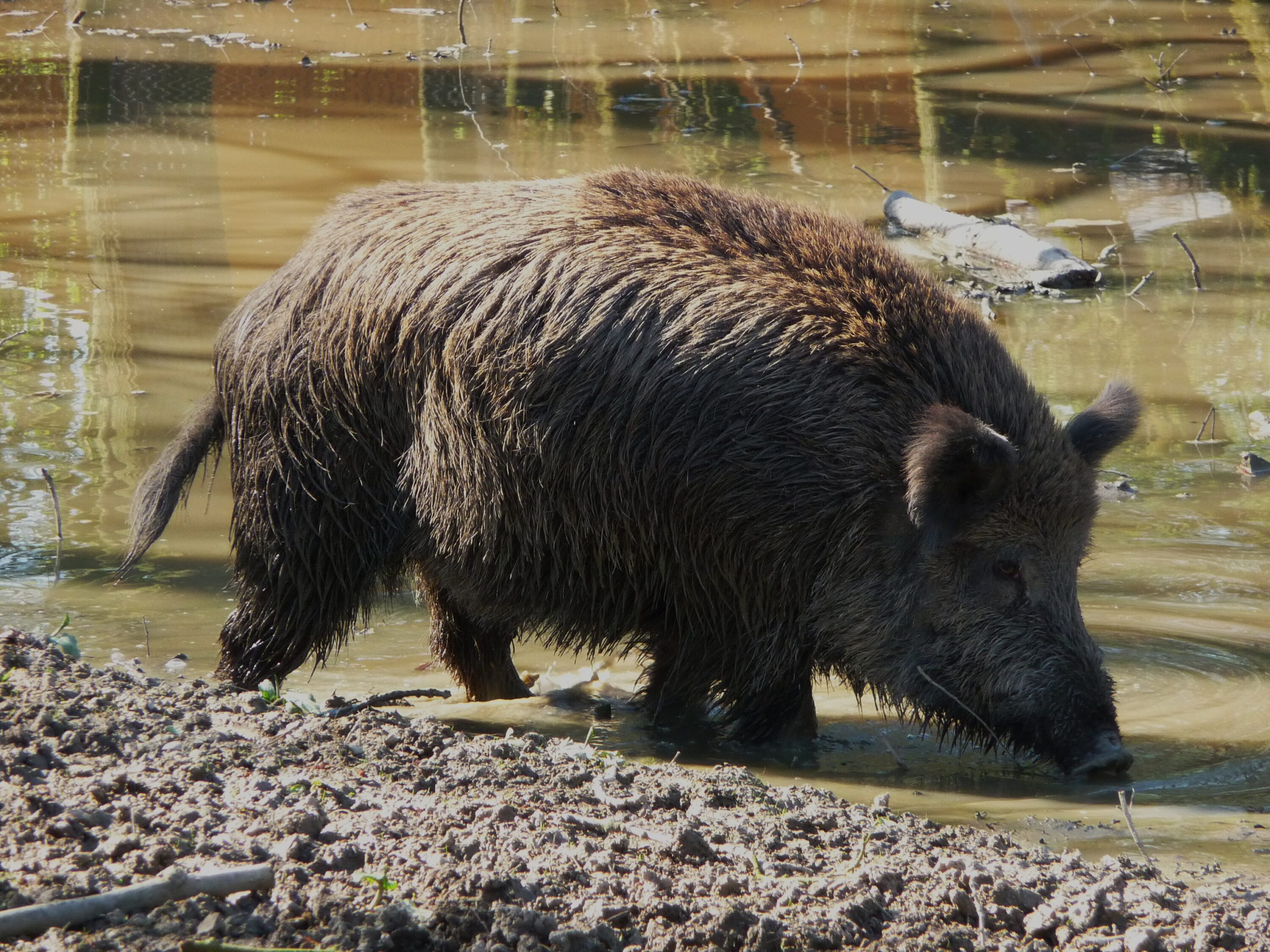
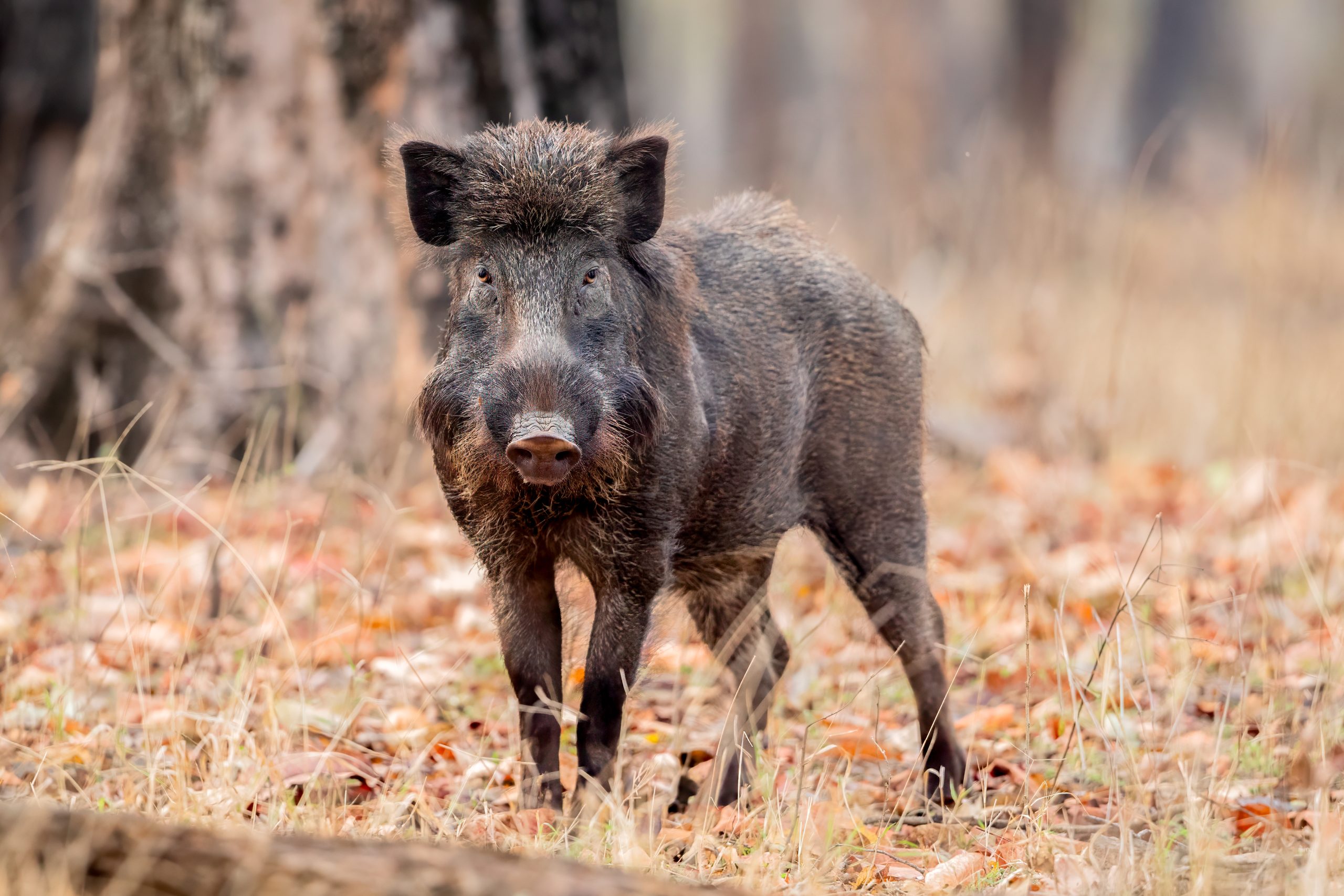
Proximity to water was the strongest predictor of wild boar (Sus scrofa) occurrence in Argentina’s Monte Desert, while daily activity differed between a protected reserve and a neighbouring grazed property. The study examined how an invasive mammal that is physiologically poorly suited to arid conditions persists in a dryland where it has been established since the 1980s.
Researchers used 98 camera-trap stations in the Ñacuñán Biosphere Reserve and an adjacent privately grazed field. Occupancy models estimated the probability that wild boar used a site while relating detections to environmental and human-related variables. This describes where the animals were likely to occur; it is not an estimate of population size.
Water proximity was the strongest predictor of occurrence
Sites closer to water sources had the highest predicted wild-boar occurrence. Human-related variables also had significant negative relationships with occupancy.
The water result is especially important in this dry landscape because permanent artificial watering points have been created for livestock. The authors argue that these reliable water sources can make otherwise strongly water-limited habitat more usable for wild boar and help the invasive population persist.
Activity shifted between the reserve and grazed land
The two areas showed only moderate overlap in daily activity, and the temporal distributions differed significantly. In the reserve, detections were divided mainly between crepuscular and nocturnal periods, each accounting for about 38.9% of activity. On the grazed property, wild boar were predominantly nocturnal, with 50% of detections occurring at night.
The authors interpret this flexible timing as part of the species’ behavioural response to both thermal stress and encounters with people. Greater nocturnality on the grazed property is consistent with avoiding human activity, while access to water remains central in both land-use settings.
The study therefore does not show that water availability alone determines population size or range expansion. It shows that proximity to water strongly predicted where wild boar occurred and that activity timing shifted between management settings. Within that framework, permanent livestock watering points may unintentionally facilitate wild-boar persistence in arid landscapes and create conditions that support further spread.
Ecology
Related news
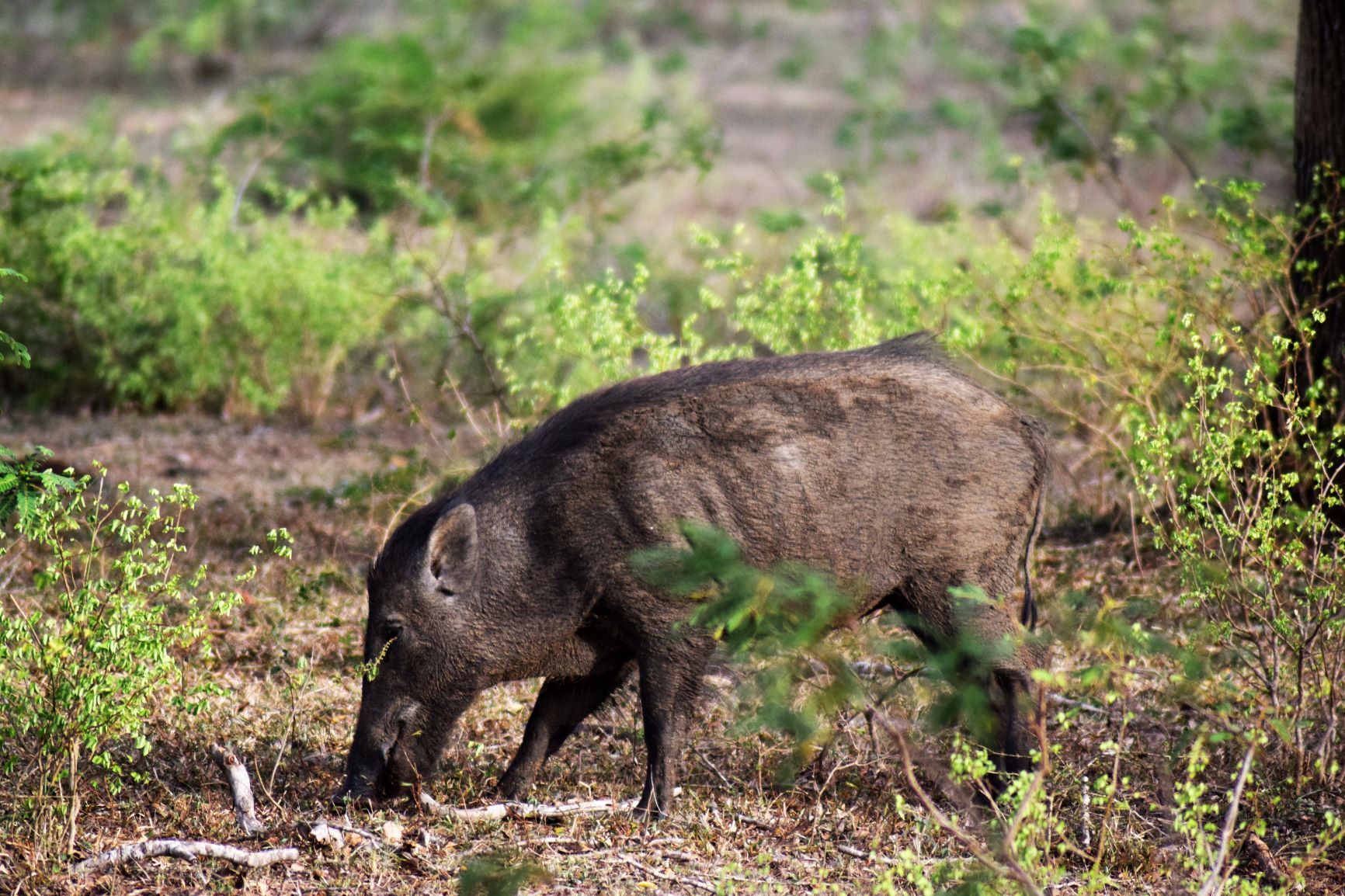
Maps Show Where Wild Boar Could Thrive and Spread on Jeju Island
Researchers mapped potentially suitable wild-boar habitat across roughly 36% of Jeju Island and identified eight possible corridors linking…
Read story →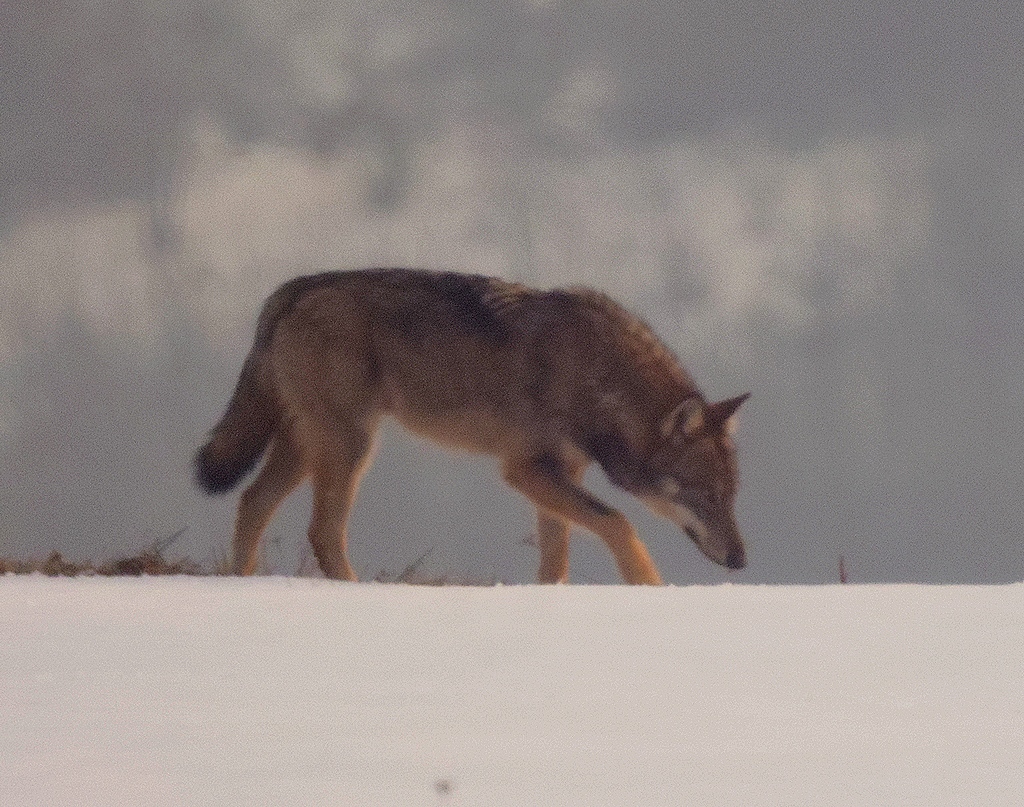
Roe Deer and Wild Boar Remained Key Wolf Prey as Diet Shifted Across North-western Italy
From 2021 to 2025, wolves in north-western Italy continued to feed mainly on wild prey. In the Po…
Read story →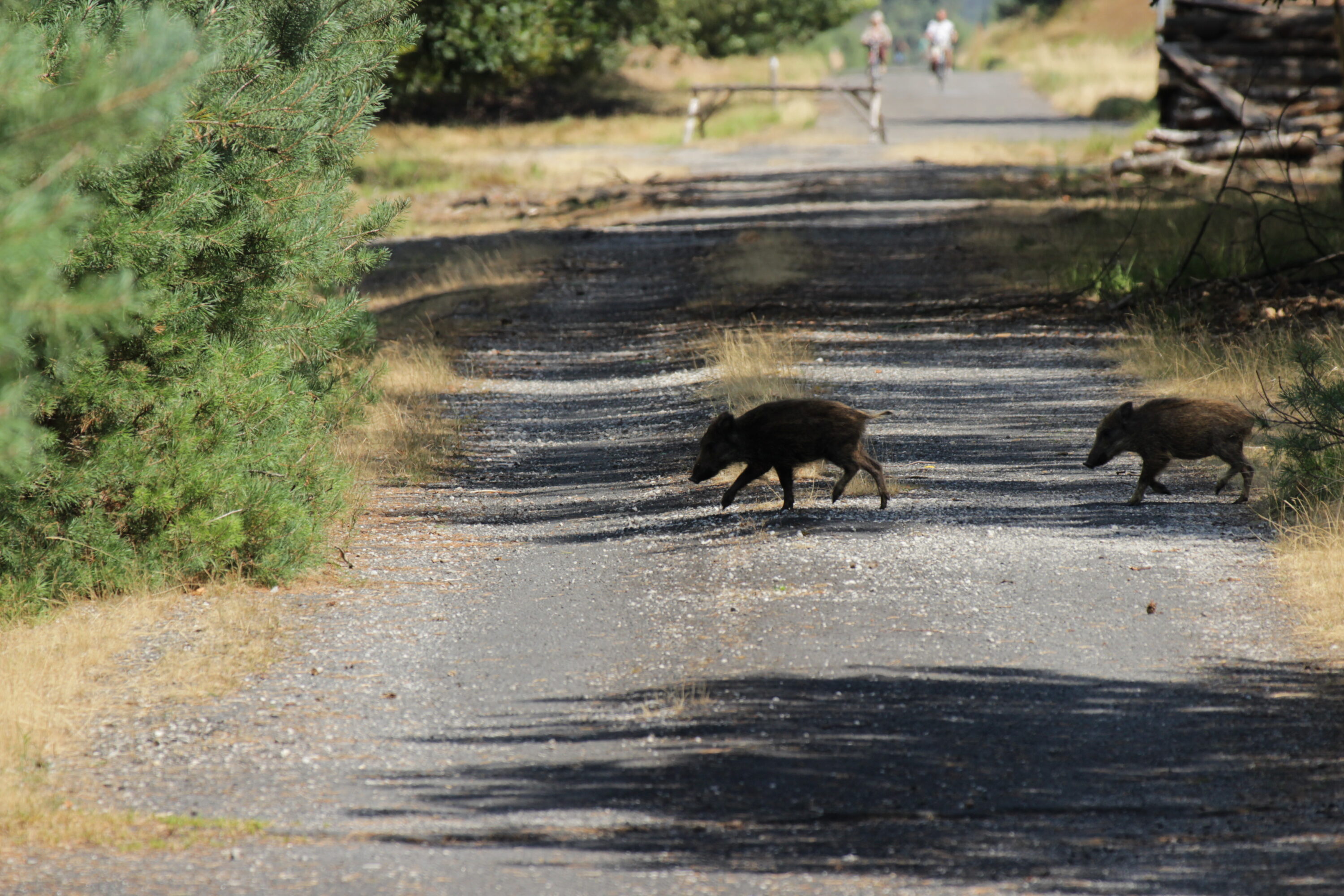
Copper levels in wild boar differed across Slovak districts
An analysis of kidney, liver and muscle from 147 wild boar in four districts found that iron and…
Read story →SPECIES IN THIS STORY
Species in this story
Independent research and conservation news archive
Did you find this information useful?
Wildlife Vagabond is independently built and maintained. Voluntary support helps cover source verification, hosting and continued work on research and conservation news.
Support Wildlife VagabondThe news archive will remain freely available.