
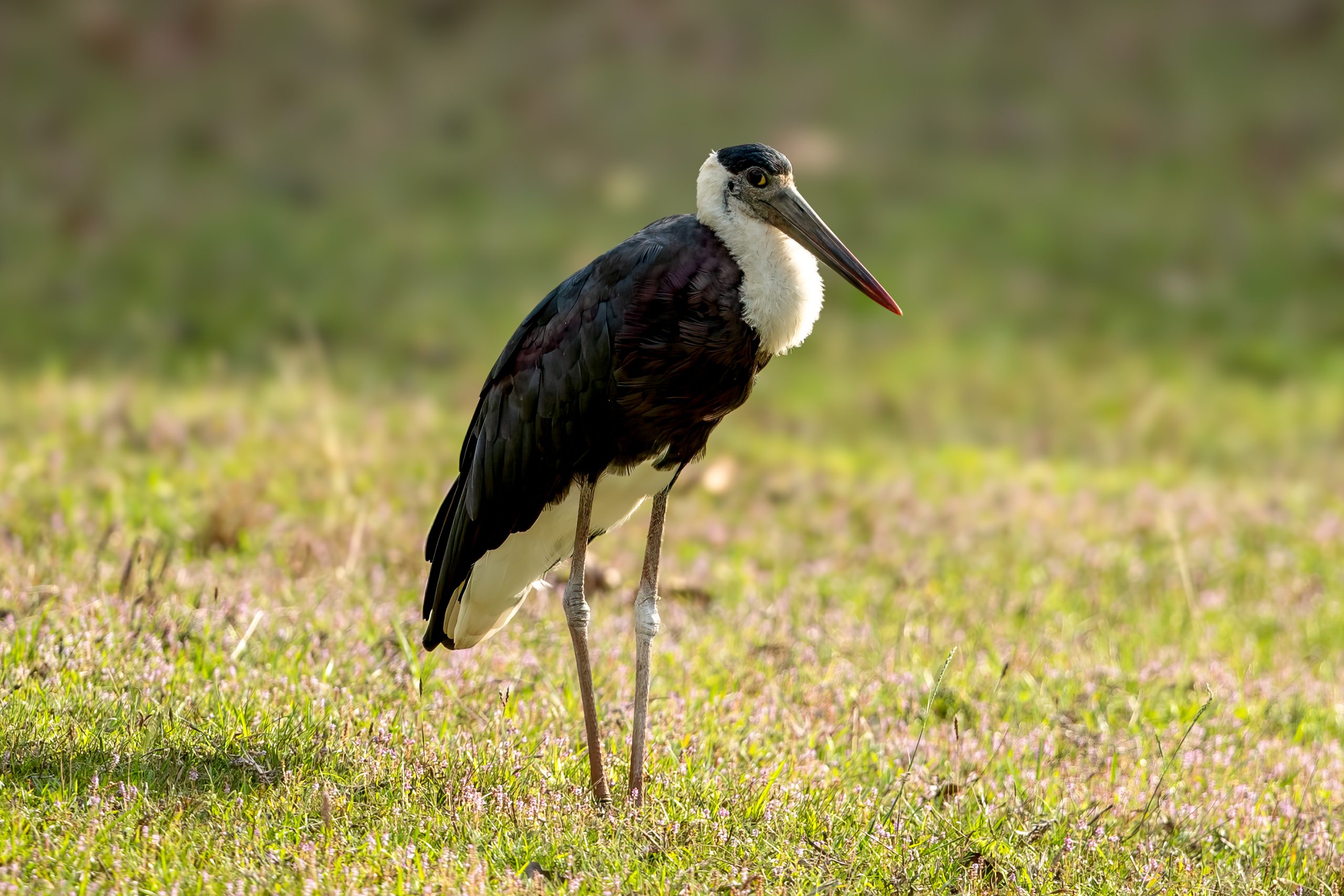
Nearly Half of 30 Asian Woolly-necked Stork Nests in Central Kerala Were on Towers
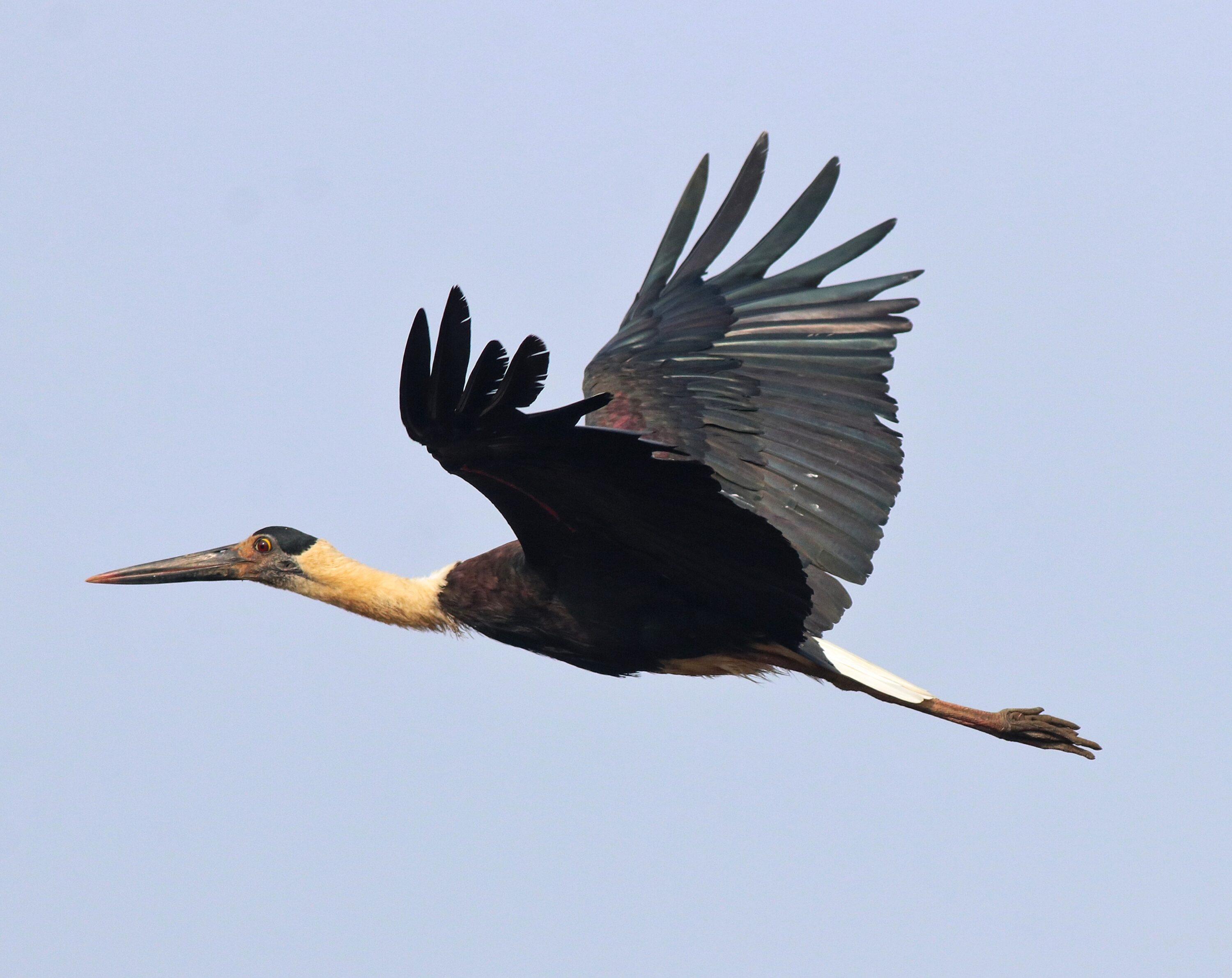
Researchers examined how Asian woolly-necked storks (Ciconia episcopus) choose nest sites in the human-dominated landscapes of central Kerala, India. They combined known breeding records with field surveys during the 2022 and 2023 breeding seasons and found 30 active nests across four districts. For each nest, they recorded what it was built on and how close it was to wetlands, rivers and human infrastructure.
Towers Served as Alternative Nest Supports
Sixteen nests were in trees, while 14 were on artificial structures: 13 on telecom towers and one on an electric tower. The towers used for nesting were much taller than the nesting trees, averaging about 35 metres compared with just under 20 metres for trees. Tree nests were usually placed on lateral branches, while tower nests occupied stable corners or flat platforms near the top.
The authors interpret this as evidence that height and structural stability are important features of nest-site selection. Artificial structures can therefore provide some of the same physical qualities as tall trees, helping the storks breed in heavily modified landscapes.
Close to People, but Still Tied to Wetlands
Use of towers did not mean that the birds had become independent of wetland habitat. Nests were on average 237 metres from wetlands or paddy fields, and 22 of the 30 were within five kilometres of a major river. At the same time, many nests were very close to roads, buildings and settlements. The researchers interpret this combination as strong tolerance of human presence while retaining a close association with wetland–agriculture mosaics that provide feeding habitat.
The 30 nests recorded in this study also exceeded earlier reports of 10 and 16 nests from Kerala. The authors caution, however, that this does not by itself demonstrate population growth. They suggest that more extensive fieldwork and increased reporting by birdwatchers probably contributed to the higher count. They also mention a possible shift toward greater year-round residency in suitable agricultural and semi-urban landscapes.
Because nearly half of the nests were on human infrastructure, this flexibility also leaves breeding birds vulnerable to work on those structures. The authors warn that tower modification or maintenance during the breeding season could disrupt nesting. They therefore highlight protection of wetlands and tall agroforestry trees, and recommend regulating tower maintenance during the breeding season.
Ecology
Related news
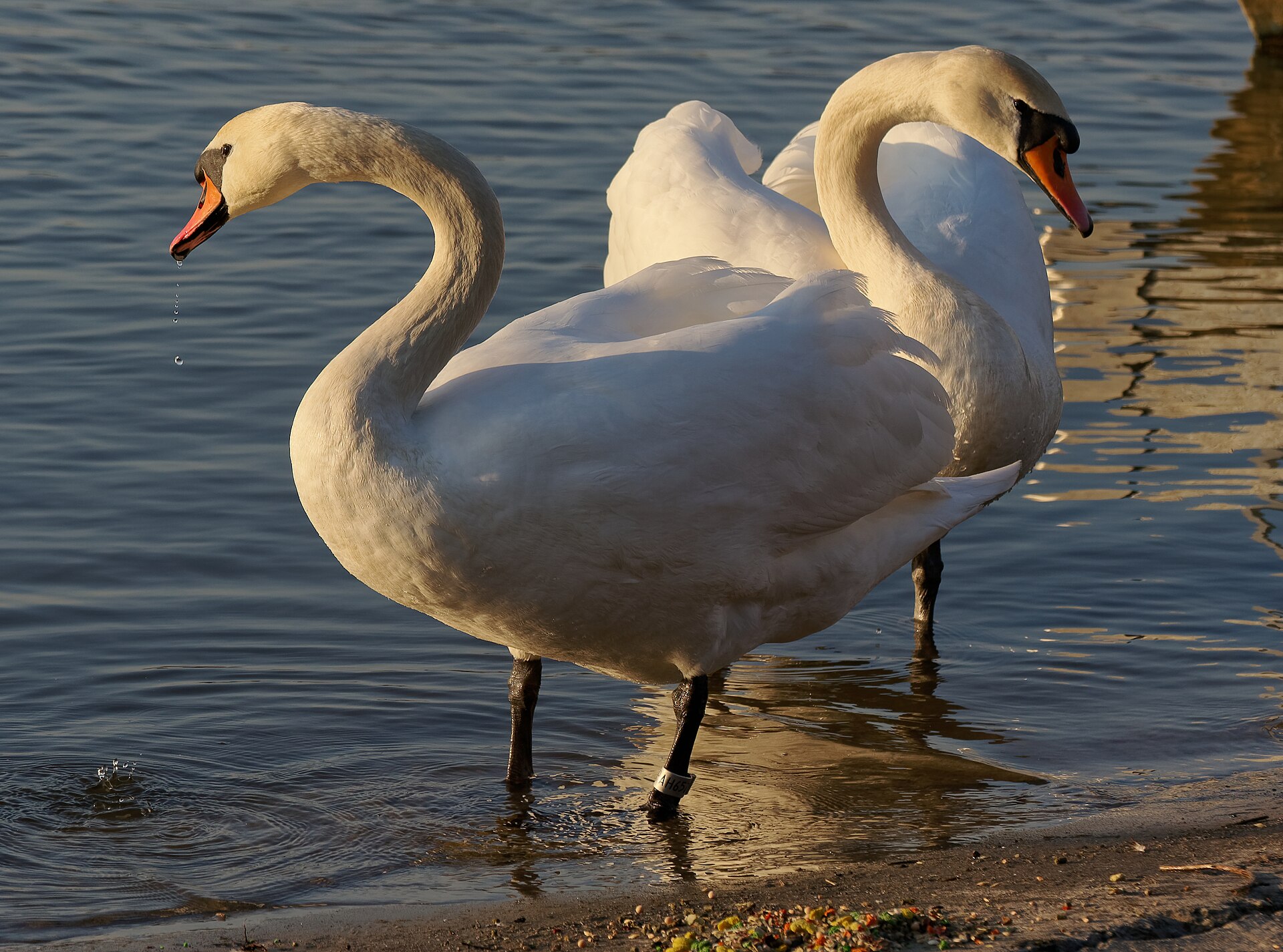
Inland Mute Swans Had Higher Winter Body Condition Despite Harsher Winters and Supplemental Feeding
A study of 853 mute swans from four Polish wintering regions found higher body condition inland than on…
Read story →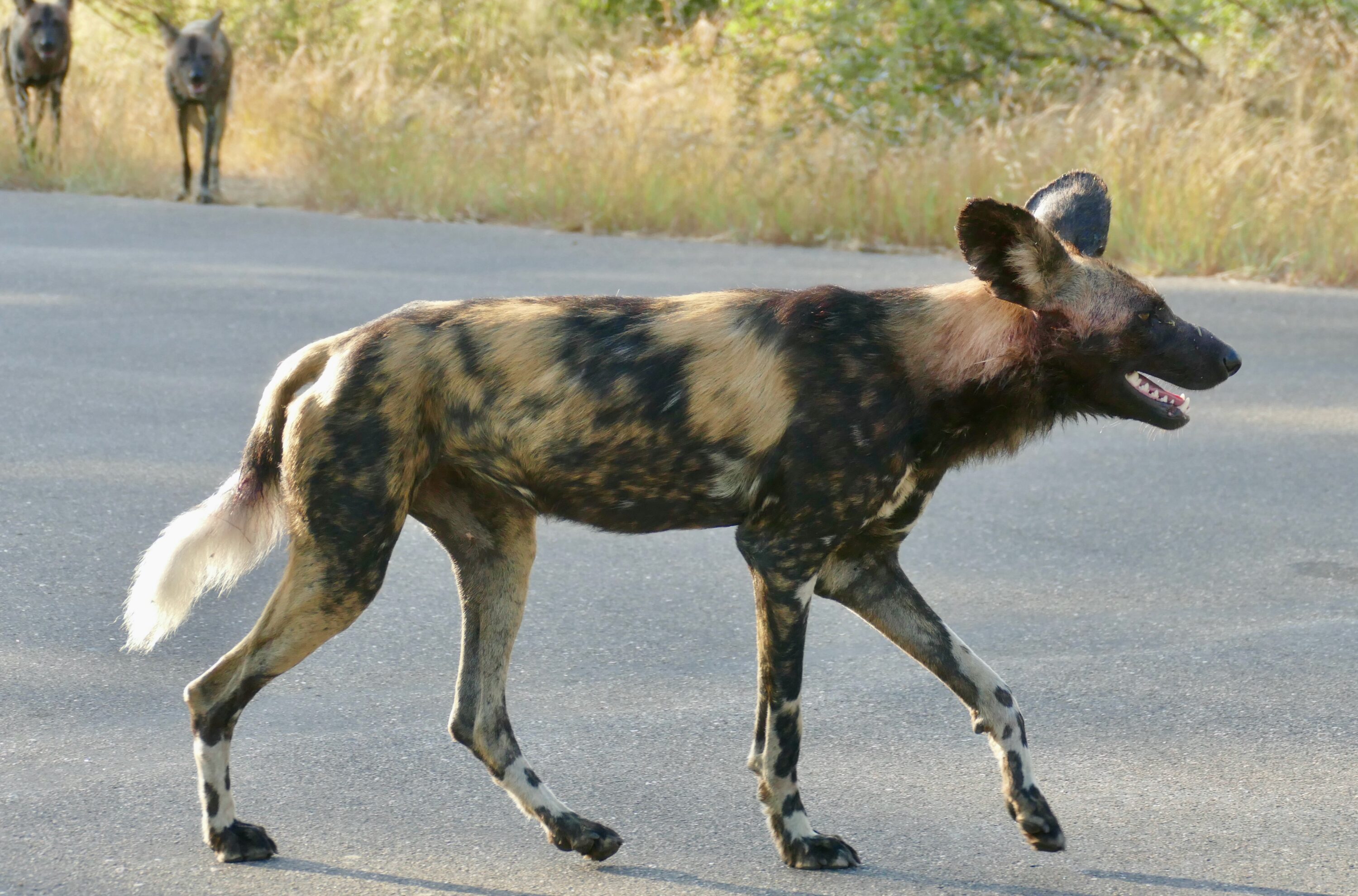
Gut Microbiomes Across Nine Kruger Mammals Clustered More Strongly by Dietary Group Than Species
A study of 89 quality-filtered faecal samples from nine wild mammals in Kruger National Park found that carnivores,…
Read story →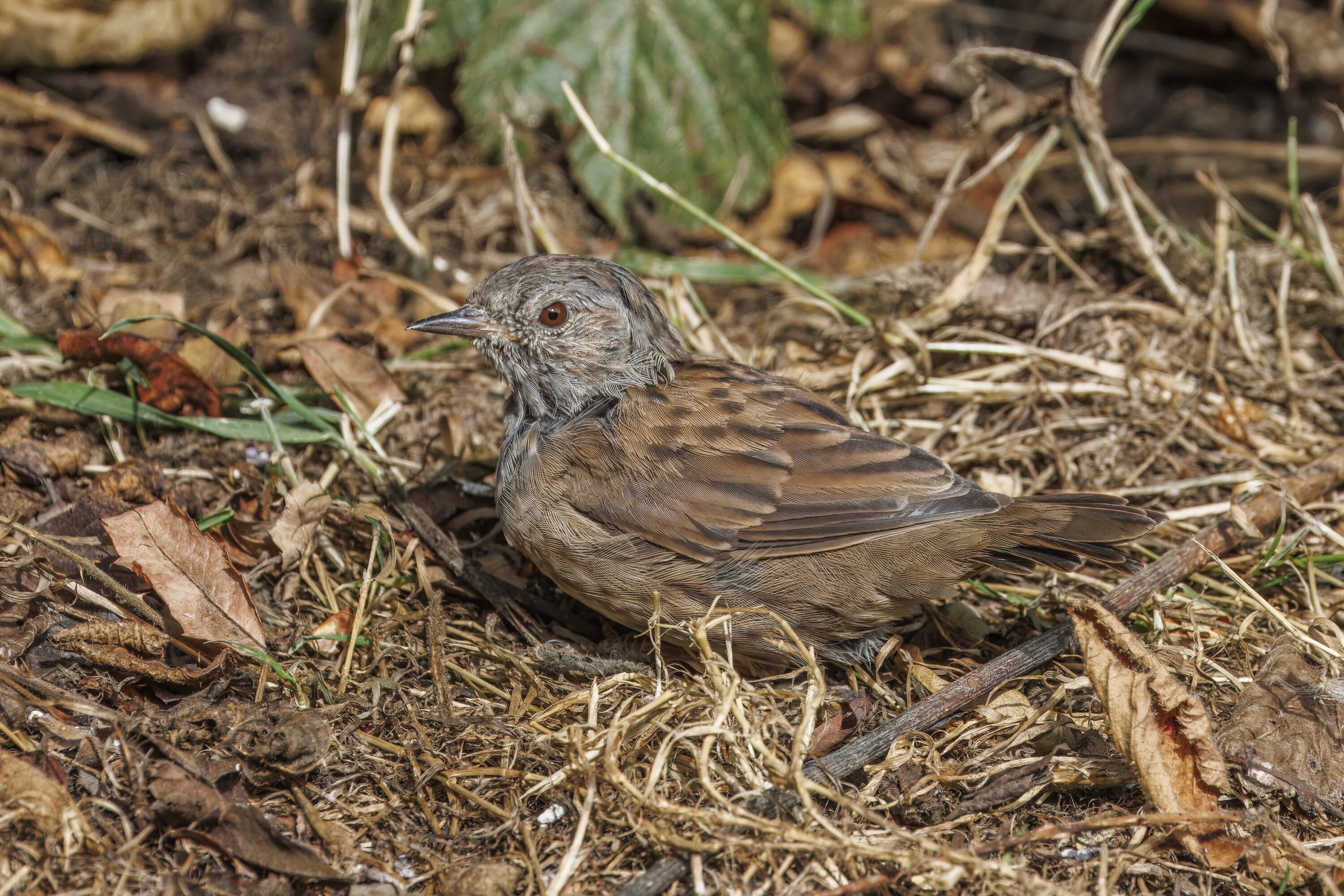
Dunnock Spring Passage Advanced by Up to 8.3 Days Over 61 Years at Hel
Standardised ringing data from northern Poland showed that the first, median and last phases of dunnock spring passage…
Read story →SPECIES IN THIS STORY
Species in this story
Independent research and conservation news archive
Did you find this information useful?
Wildlife Vagabond is independently built and maintained. Voluntary support helps cover source verification, hosting and continued work on research and conservation news.
Support Wildlife VagabondThe news archive will remain freely available.