
Muga Silk Rearers in Assam Estimated Average Damage From Rhesus Macaques at 68.6%
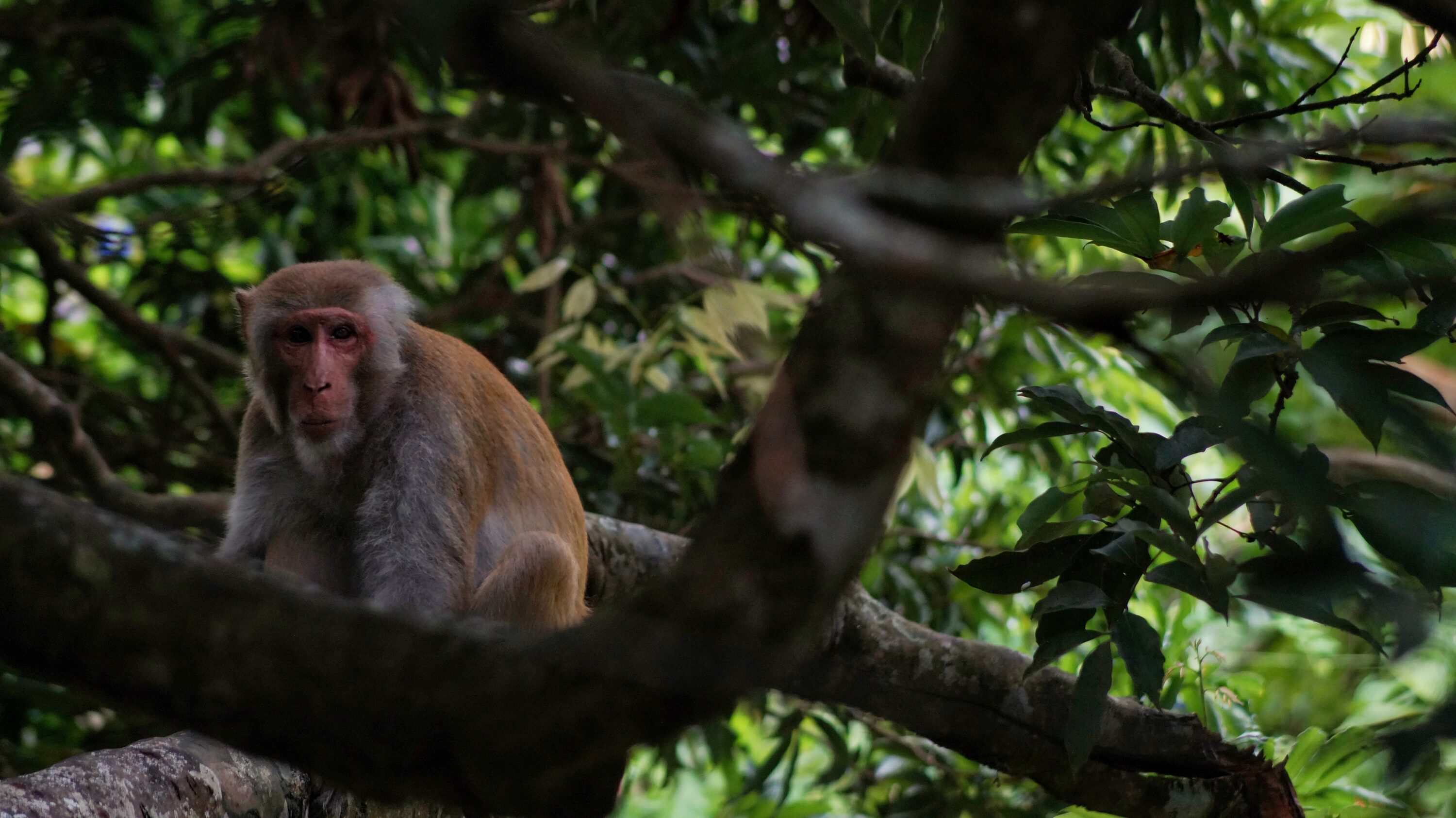
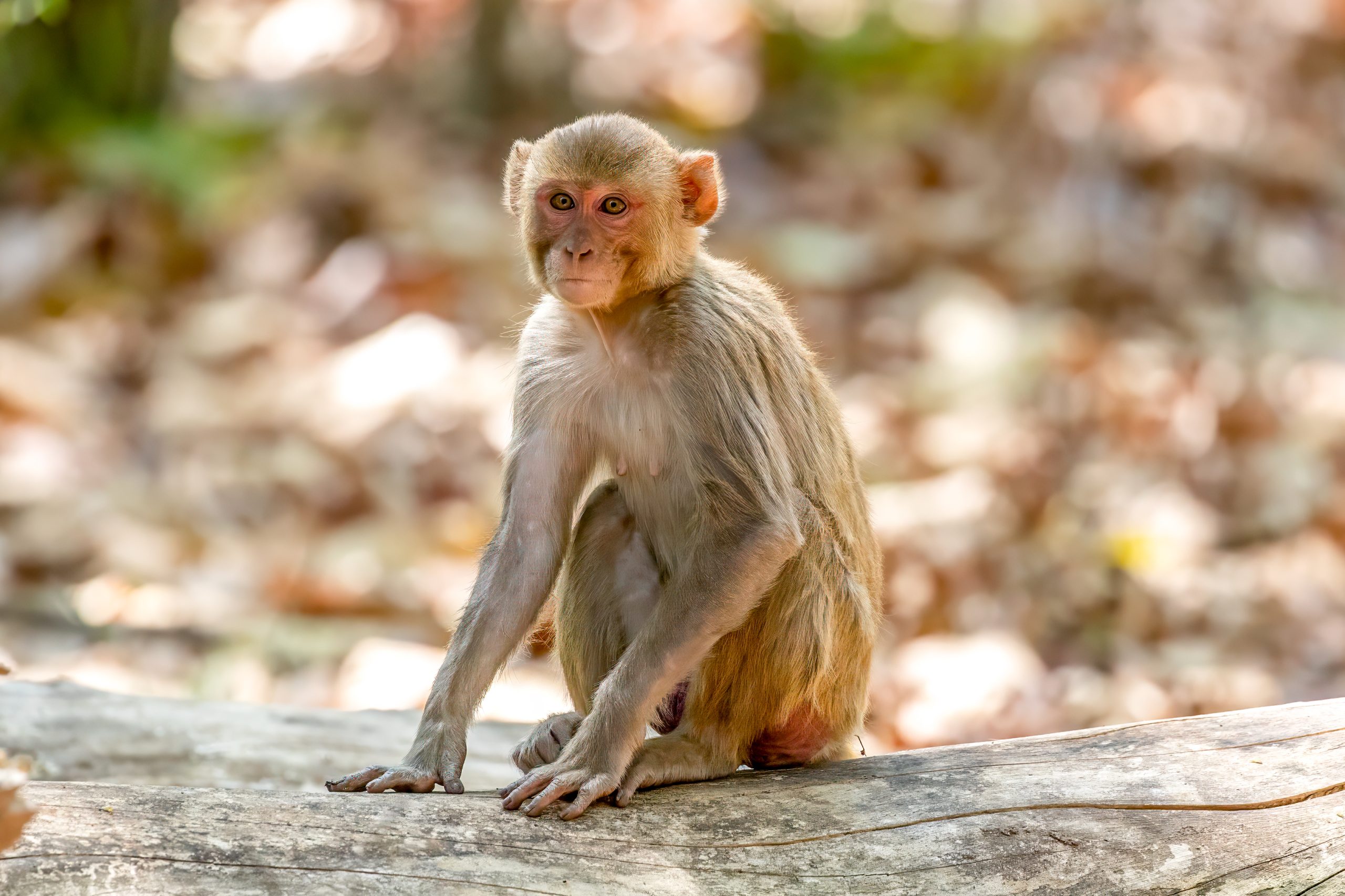
A study of human–macaque conflict in Assam, India found substantial reported losses among households involved in muga silk production. In the Dhakuakhana sub-division of Lakhimpur district, rhesus macaques (Macaca mulatta) were reported to raid outdoor rearing areas for muga silkworms (Antheraea assamensis) and damage host plants used in sericulture. Muga silkworms are reared outdoors, and the authors note that the larvae become especially easy prey when they stop feeding and remain immobile during moulting.
The researchers combined direct counts of macaques with interviews at 24 households during 2024–25. Across the surveyed households, respondents estimated damage to muga sericulture activities at 40% to 80%, with an average of 68.6%. Respondents described losses at several stages of production, including damage to host plants and predation on silkworm larvae before cocoon formation.
Reported crop losses were severe
Households estimated average earnings from muga cultivation at ₹70,625 per crop. The reported financial loss attributed to rhesus macaques ranged from ₹10,000 to ₹150,000, averaging ₹36,041 per crop. The authors also report that many rearers had converted part of their rearing land to small tea gardens or taken up daily-wage work as they tried to maintain their livelihoods.
Knowledge of newer mitigation methods was limited
Knowledge of newer mitigation methods was limited. About one-third of the rearers were aware of measures such as solar-powered deterrents or monkey sterilisation, while 75% expressed a positive attitude towards adopting new technologies. None of the surveyed rearers reported actually using these newer methods at the time of the study.
Human–wildlife conflict
Related news
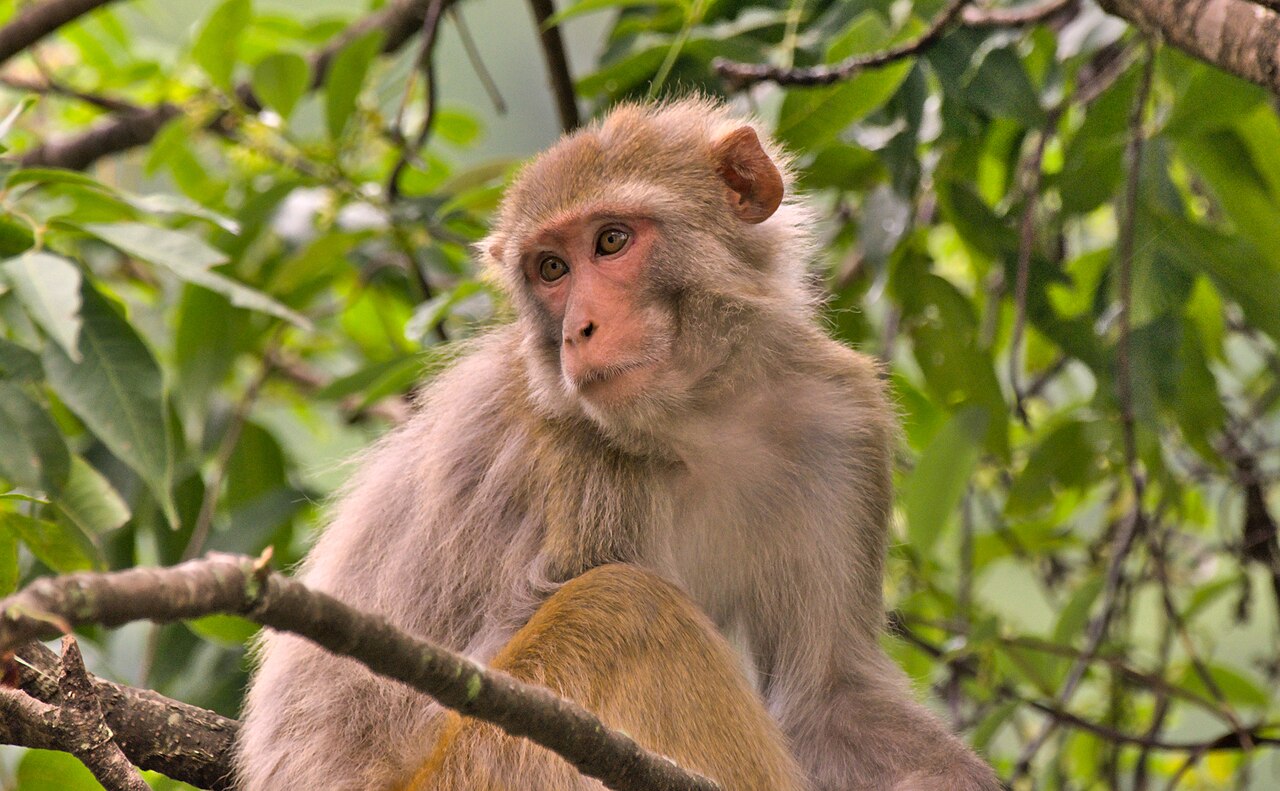
Female Rhesus Macaques That Watched Unfamiliar Female Faces Longer Were More Likely to Have Offspring the Following Year
At a semi-free-ranging population in Puerto Rico, females that spent longer looking at an unfamiliar female’s neutral face…
Read story →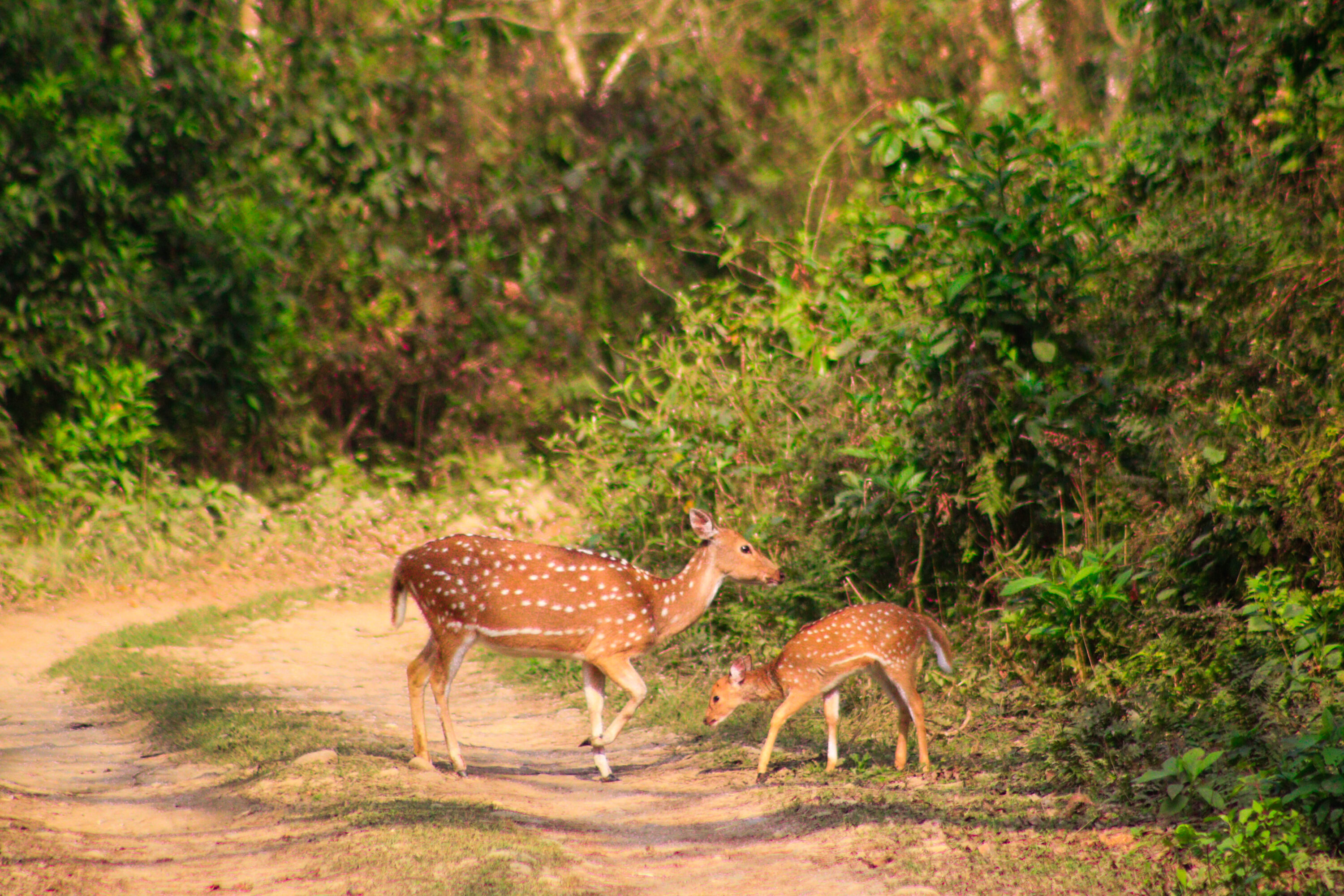
Human Activity and Large Wildlife Overlapped Most in Chitwan’s Buffer Zone
Camera traps across Chitwan National Park and surrounding forests showed the greatest overlap of human activity with large…
Read story →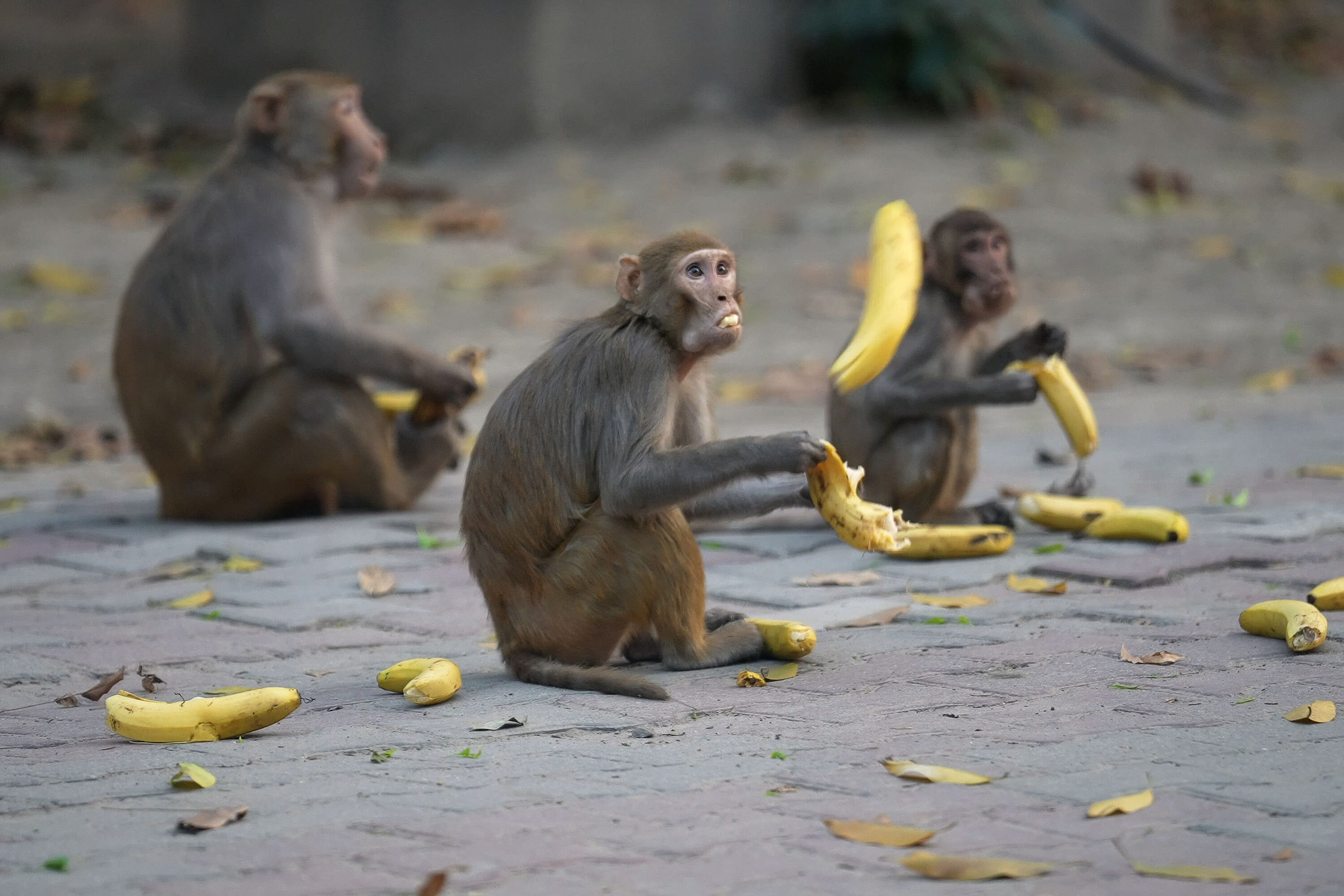
Aging rhesus macaques show broader protein changes in blood than in brain fluid
A study of 66 rhesus macaques found age-related differences in many more measured proteins in plasma than in…
Read story →SPECIES IN THIS STORY
Species in this story
Independent research and conservation news archive
Did you find this information useful?
Wildlife Vagabond is independently built and maintained. Voluntary support helps cover source verification, hosting and continued work on research and conservation news.
Support Wildlife VagabondThe news archive will remain freely available.