
Solar-Powered Electric and Mesh Fences Protected Crops From Rhesus Macaques in Assam Field Trials
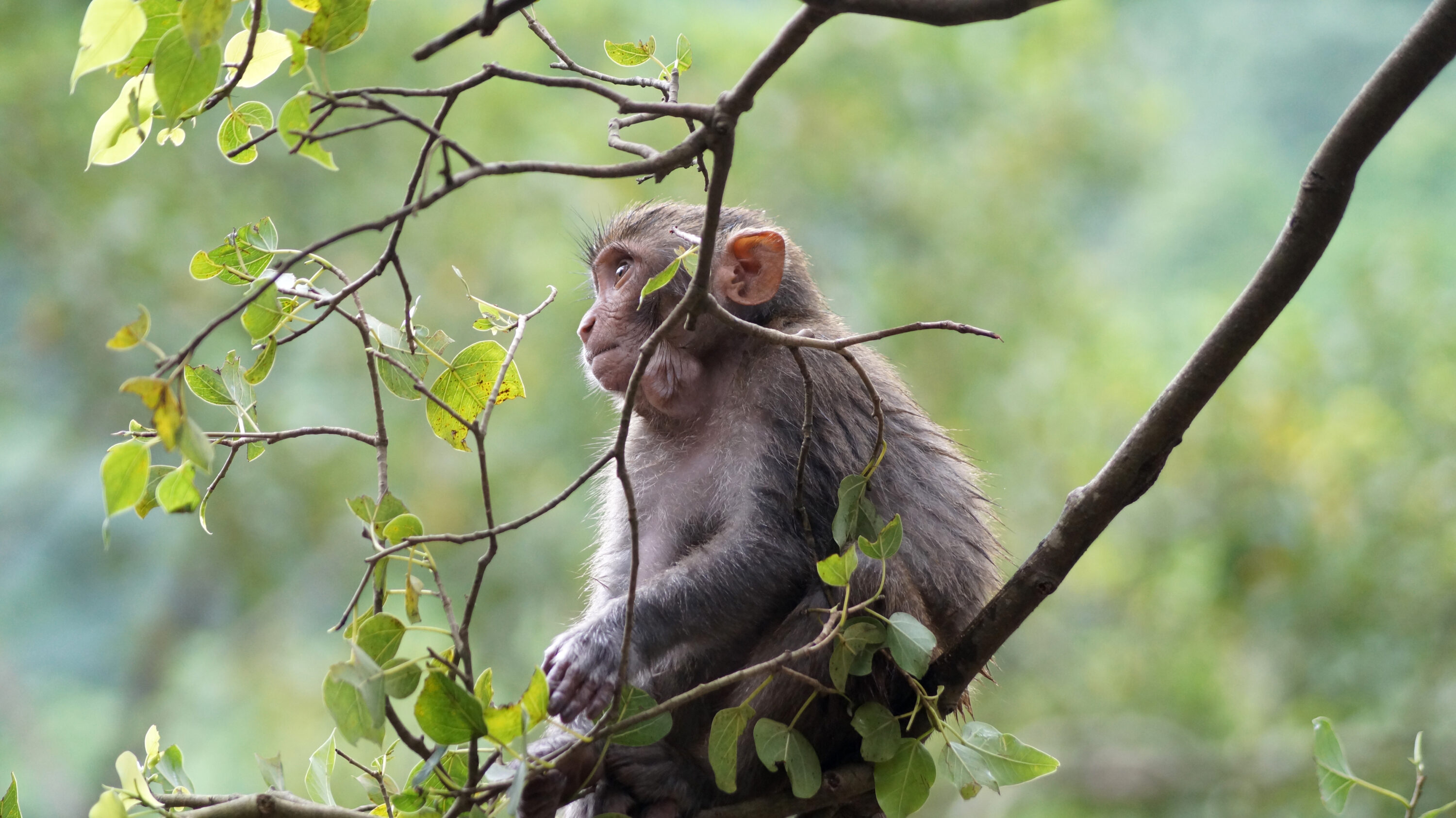
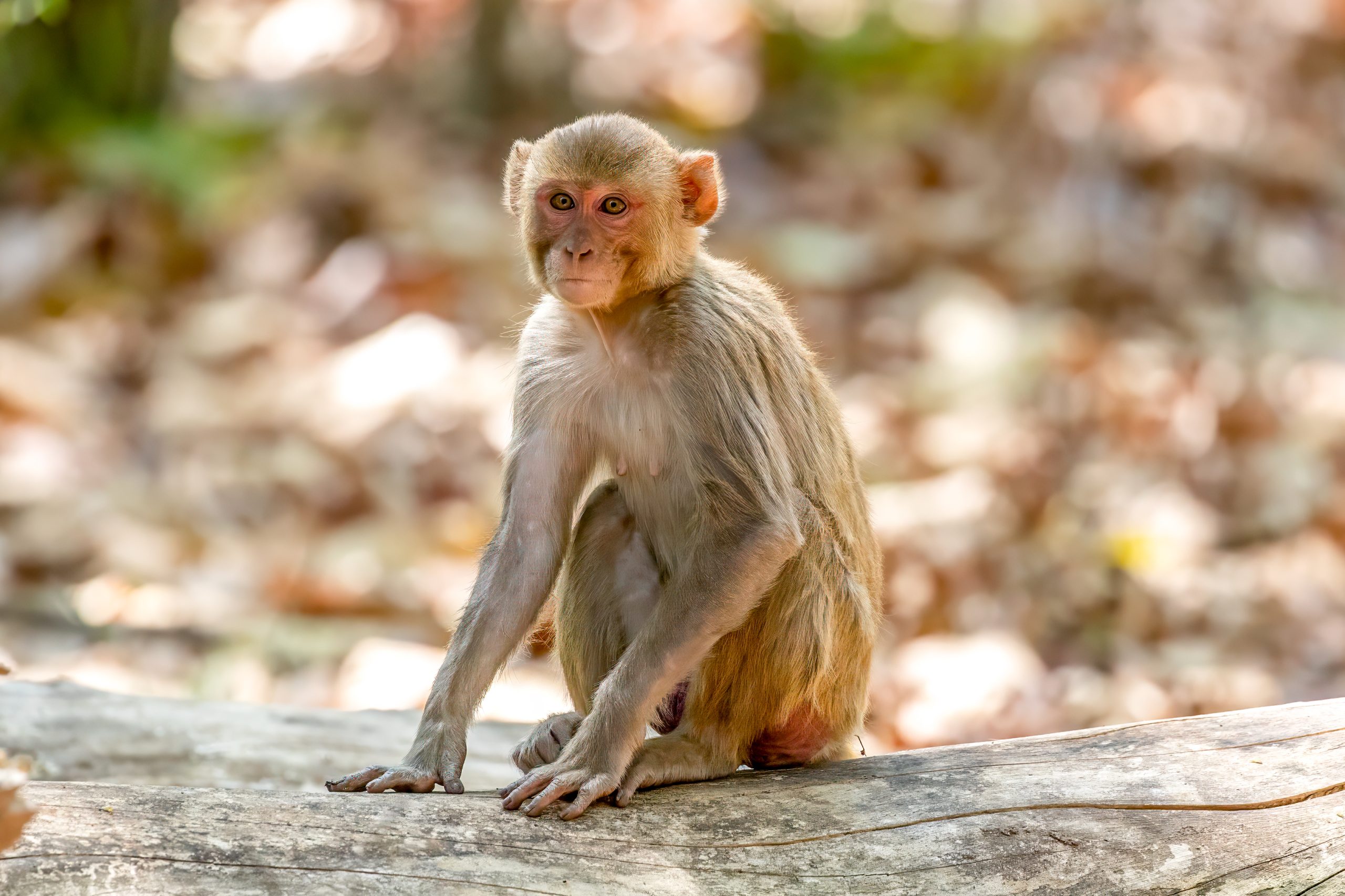
Field trials in Assam, India, found that solar-powered electric fencing and high-density polyethylene (HDPE) netting substantially reduced crop losses associated with rhesus macaques (Macaca mulatta). The study evaluated the two barrier systems at four locations across two agro-climatic zones from 2022–23 to 2024–25.
At sites in Sivasagar district, protected vegetable and fruit crops had no recorded rhesus macaque damage, while damage in unprotected plots reached as high as 90% for some crops. Papaya, brinjal and guava were among the crops for which protection prevented the largest losses.
In Lakhimpur district during 2023–24, crops behind solar fencing produced a mean yield of 2.01 kg/m², compared with 0.17 kg/m² in unprotected plots — nearly twelve times as high. The authors calculated that 91.5% of the yield loss could have been avoided with protection. HDPE net fencing produced 2.30 kg/m² compared with 0.23 kg/m² without protection, a tenfold difference.
The study also surveyed farmers in three villages in Biswanath district. Between 80% and 95% of respondents were aware of technologies such as solar fencing and expressed positive attitudes towards adopting measures against monkey intrusion. The authors report that adoption increased over the study period, particularly in Gorehagi and Nepalibari.
Human–wildlife conflict
Related news
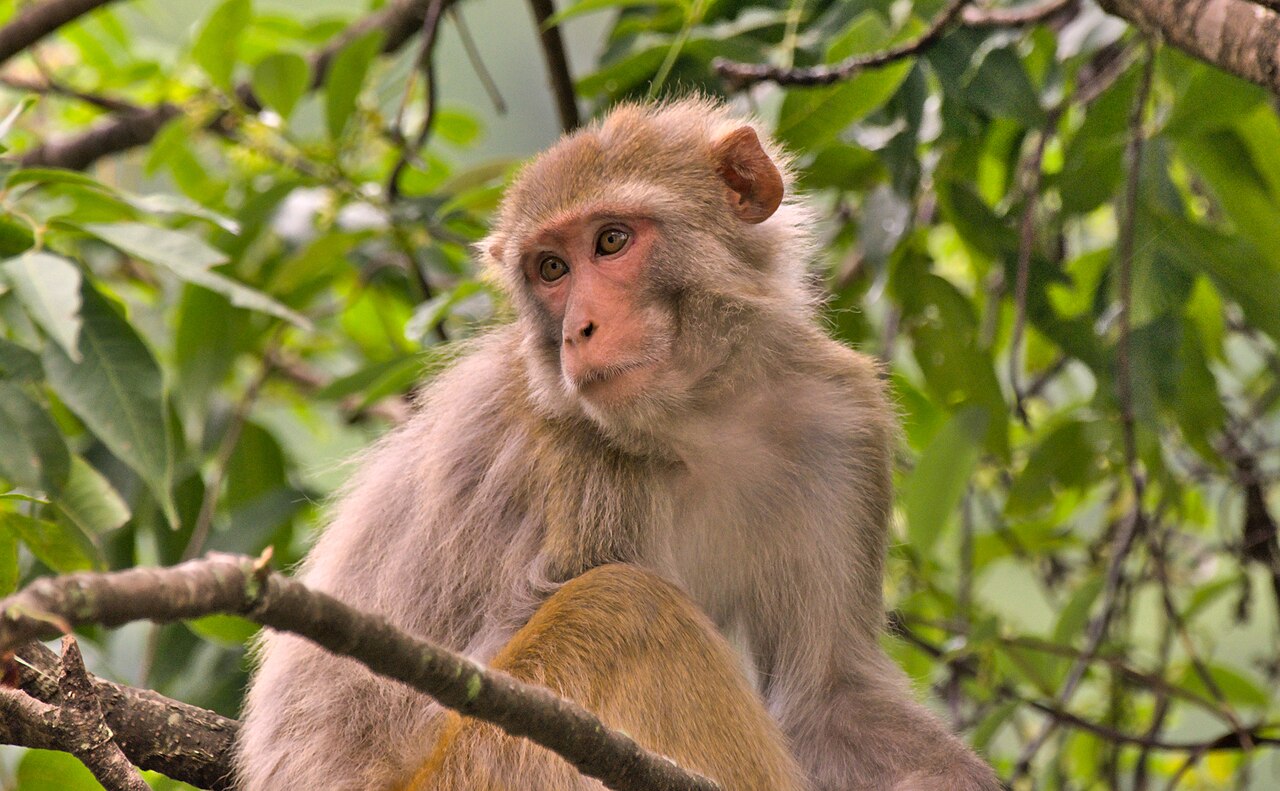
Female Rhesus Macaques That Watched Unfamiliar Female Faces Longer Were More Likely to Have Offspring the Following Year
At a semi-free-ranging population in Puerto Rico, females that spent longer looking at an unfamiliar female’s neutral face…
Read story →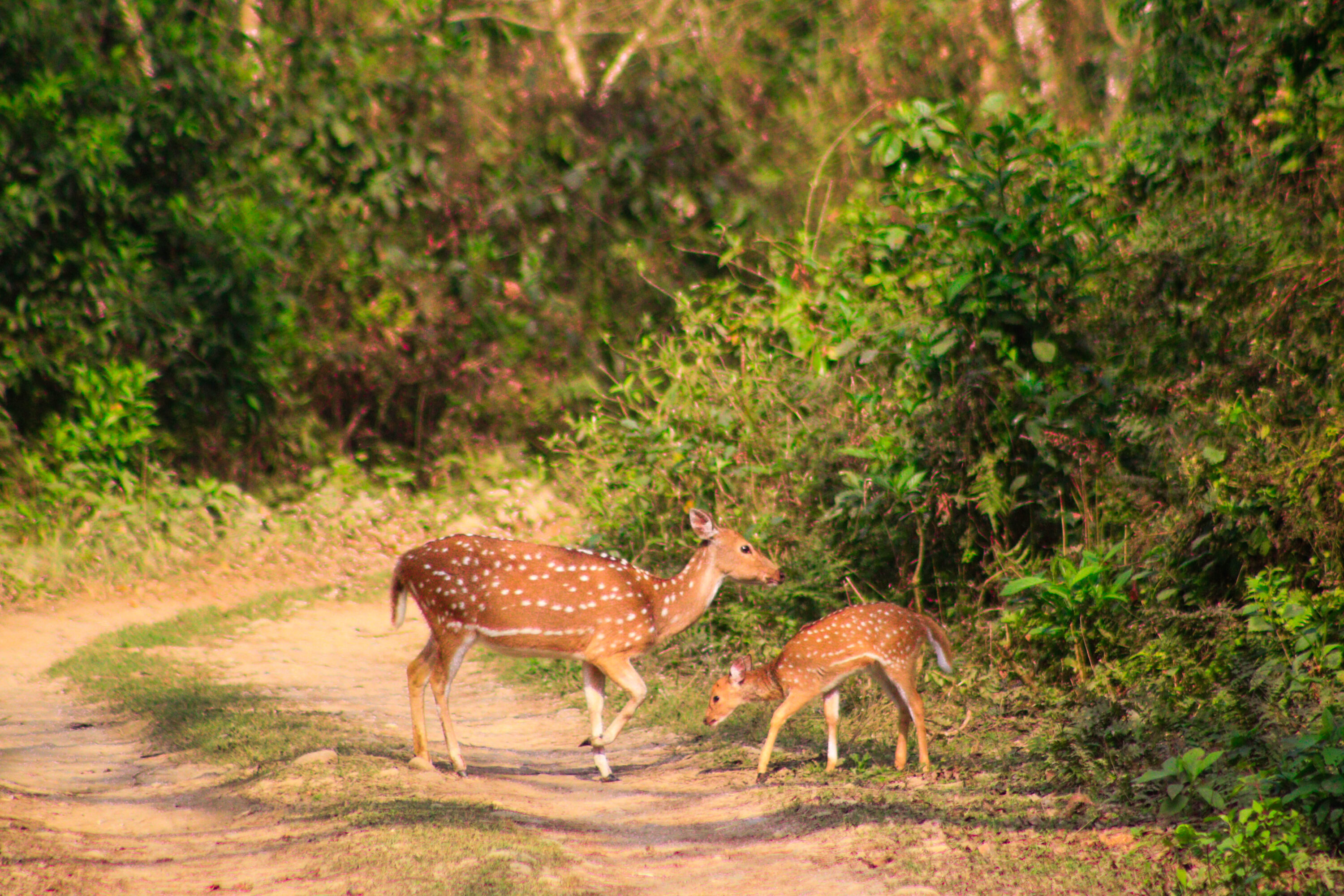
Human Activity and Large Wildlife Overlapped Most in Chitwan’s Buffer Zone
Camera traps across Chitwan National Park and surrounding forests showed the greatest overlap of human activity with large…
Read story →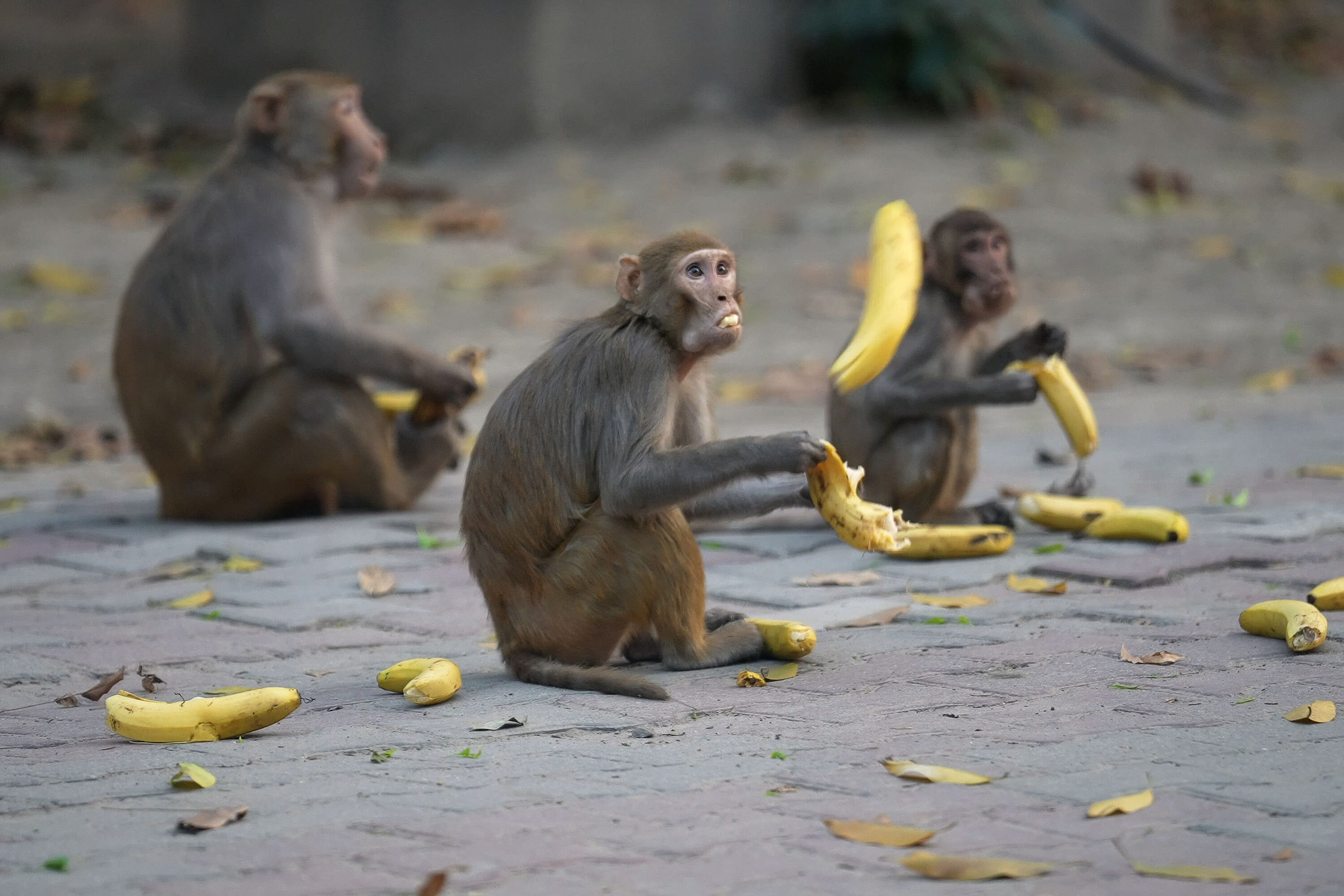
Aging rhesus macaques show broader protein changes in blood than in brain fluid
A study of 66 rhesus macaques found age-related differences in many more measured proteins in plasma than in…
Read story →SPECIES IN THIS STORY
Species in this story
Independent research and conservation news archive
Did you find this information useful?
Wildlife Vagabond is independently built and maintained. Voluntary support helps cover source verification, hosting and continued work on research and conservation news.
Support Wildlife VagabondThe news archive will remain freely available.