
Female Rhesus Macaques That Watched Unfamiliar Female Faces Longer Were More Likely to Have Offspring the Following Year
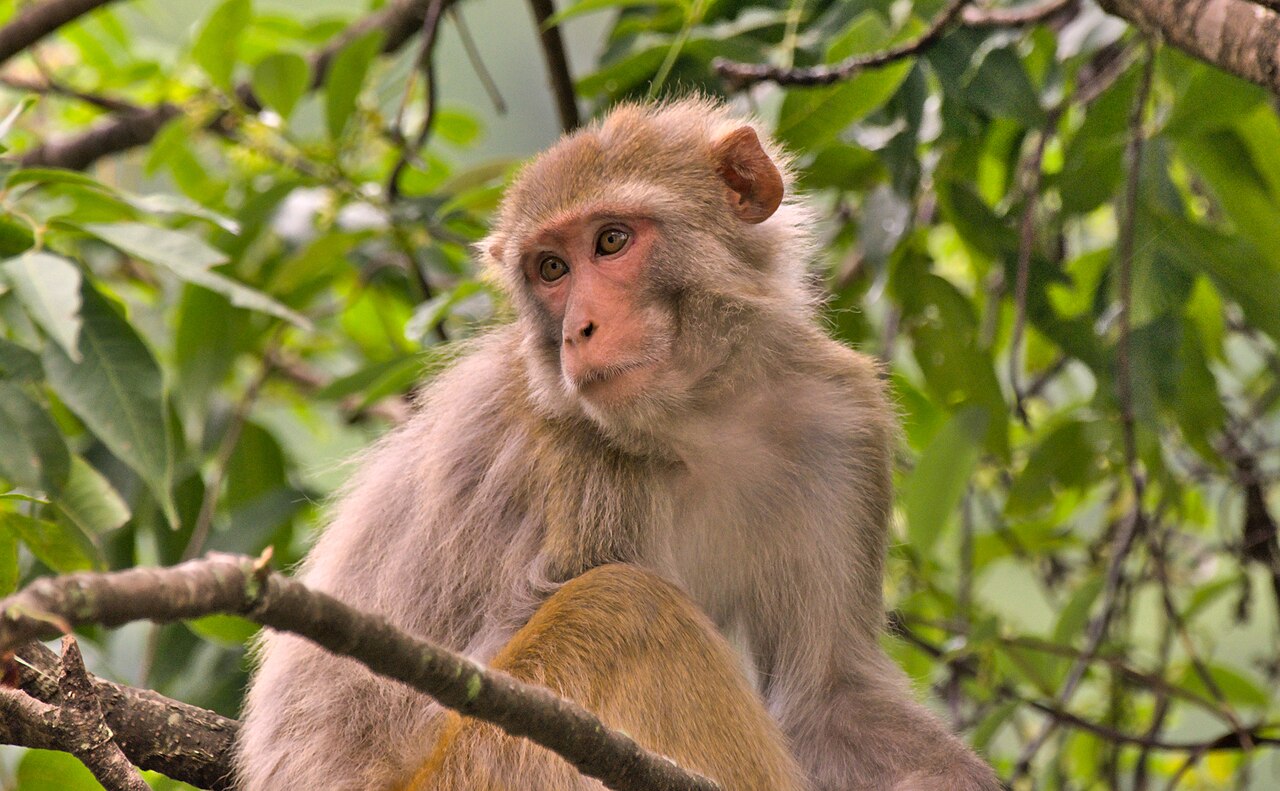
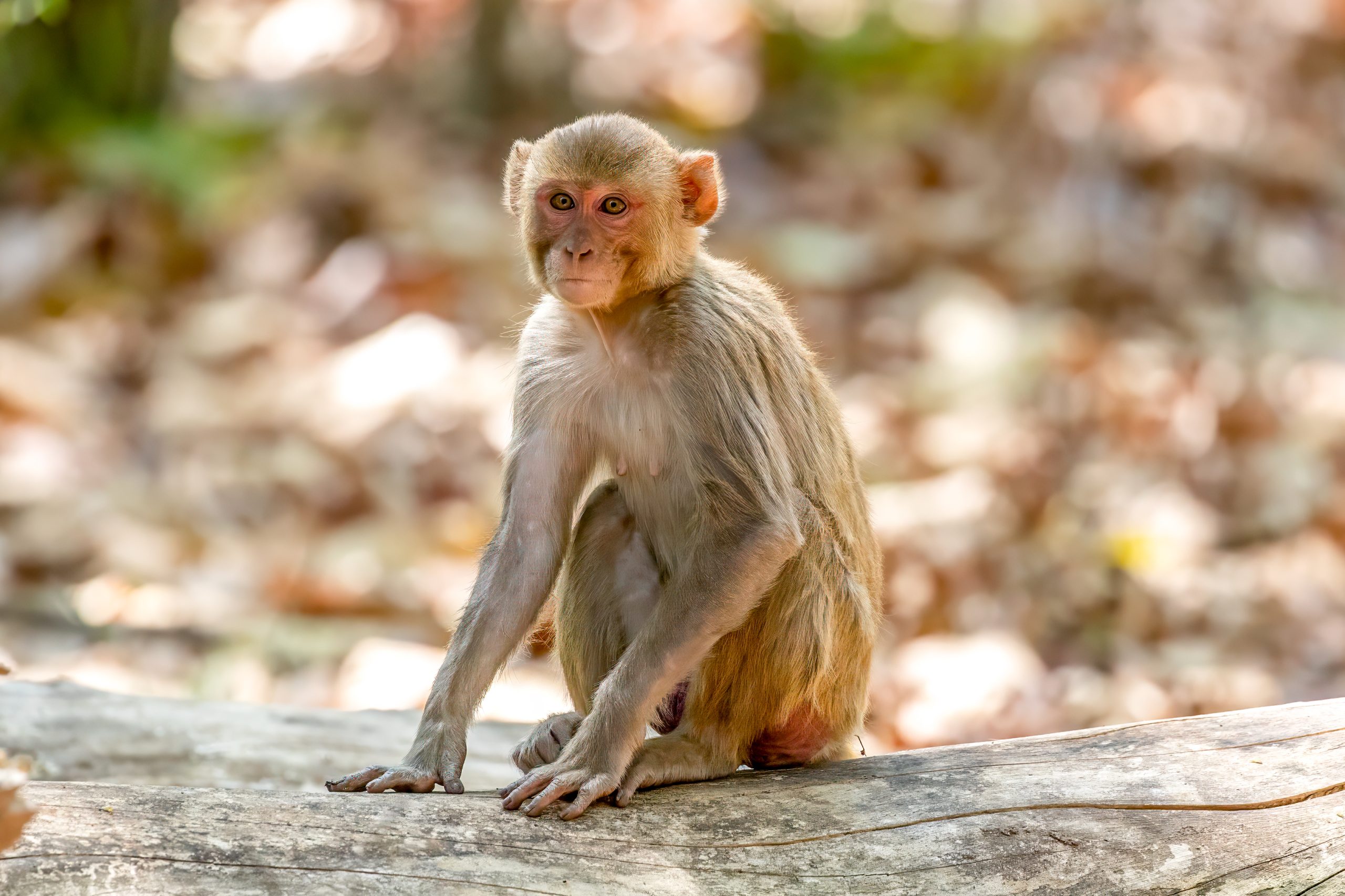
How much an animal attends to other members of its species may depend on its reproductive state—and may be related to what happens later. A study of rhesus macaques (Macaca mulatta) in Puerto Rico found that females’ attention to unfamiliar female faces varied with reproductive state. Greater interest in one female face was also associated with a higher likelihood of producing a live offspring in the following birth season.
Reproductive state and attention to faces
Researchers studied 103 females, aged 4 to 24, in a provisioned, semi-free-ranging population at the Cayo Santiago Biological Field Station. From 2021 to 2023, they showed the macaques photographs of unfamiliar individuals displaying either a neutral or a threatening expression. In up to four successive 10-second trials, a female saw the two expressions of a female macaque first. If she stayed for the trials, she then saw the expressions of a male.
The researchers measured how long each macaque looked at the images as an index of general interest in faces. They also compared looking at threatening and neutral expressions to assess sensitivity to threats. The analysis of female images covered 221 test sessions; the smaller analysis of male images covered 146.
Attention to female faces differed with reproductive state. Nursing females looked for less time at the unfamiliar female images than females classified as nonbreeders. Pregnant females fell between those groups, but their difference from nursing females was not clearly supported in the follow-up comparison.
Attention and reproduction the following year
After accounting for age and whether a female had skipped the current birth season, females that showed greater interest in the first neutral female face were more likely to produce a live offspring in the next birth season. This relationship concerned overall interest in the female image: sensitivity to threatening versus neutral female expressions was not associated with next-year reproduction. Nor did the measures from the male-face trials show an association with later reproduction.
The findings connect a measure of social attention with both reproductive state and later reproduction in this macaque population. They suggest that social attention and reproductive outcomes can be linked, while also showing why such measures need to be interpreted in the context of an animal’s life-history or physiological state. The study identified an association; it did not show that paying more attention to a face causes a female to reproduce.
The results also apply to a particular population and a limited set of photographs. Female images were always shown first, and fewer macaques completed the male-image trials, so the study cannot provide a balanced comparison of attention to female and male faces. Whether the pattern holds with other images or in other populations remains uncertain.
Behaviour
Related news
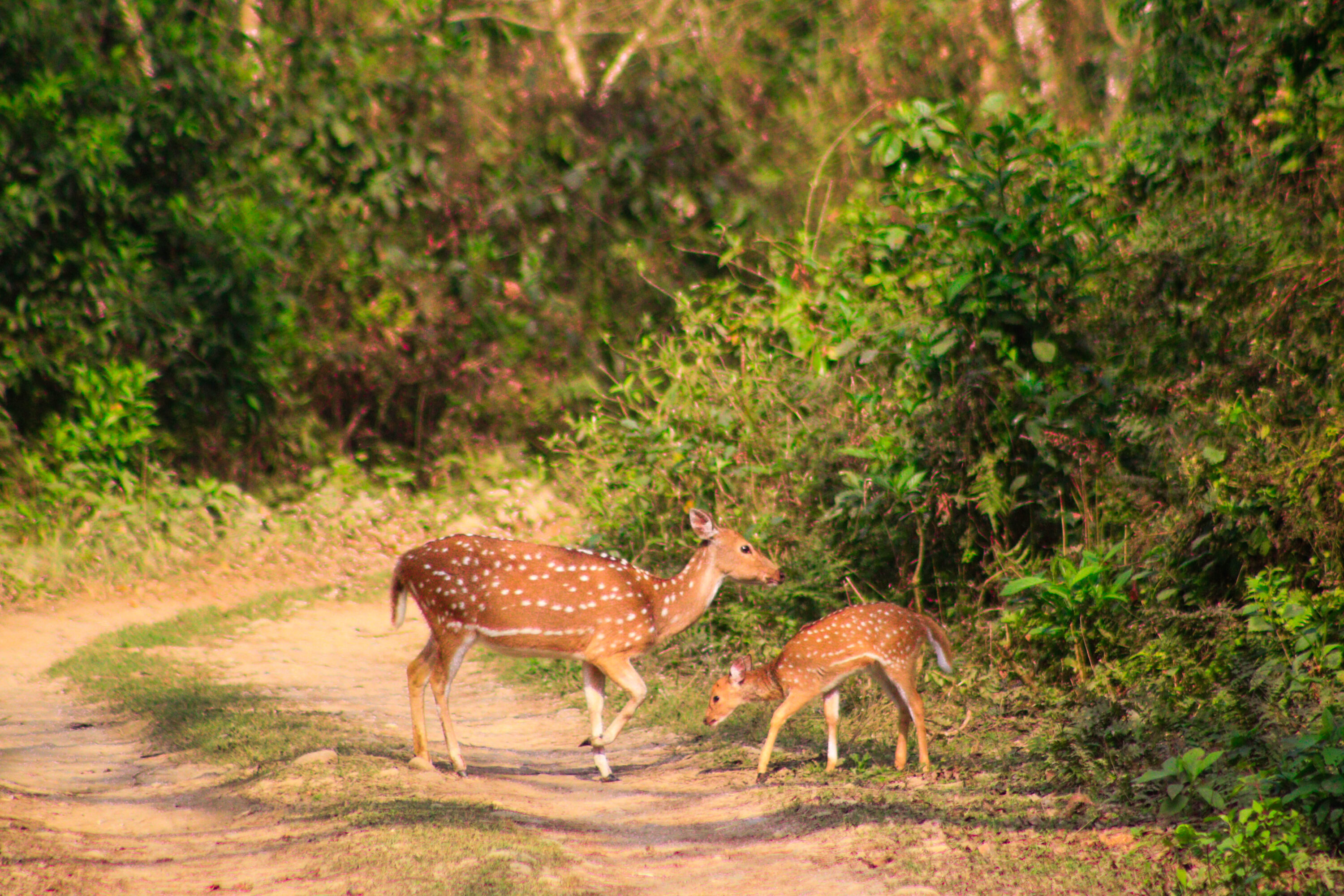
Human Activity and Large Wildlife Overlapped Most in Chitwan’s Buffer Zone
Camera traps across Chitwan National Park and surrounding forests showed the greatest overlap of human activity with large…
Read story →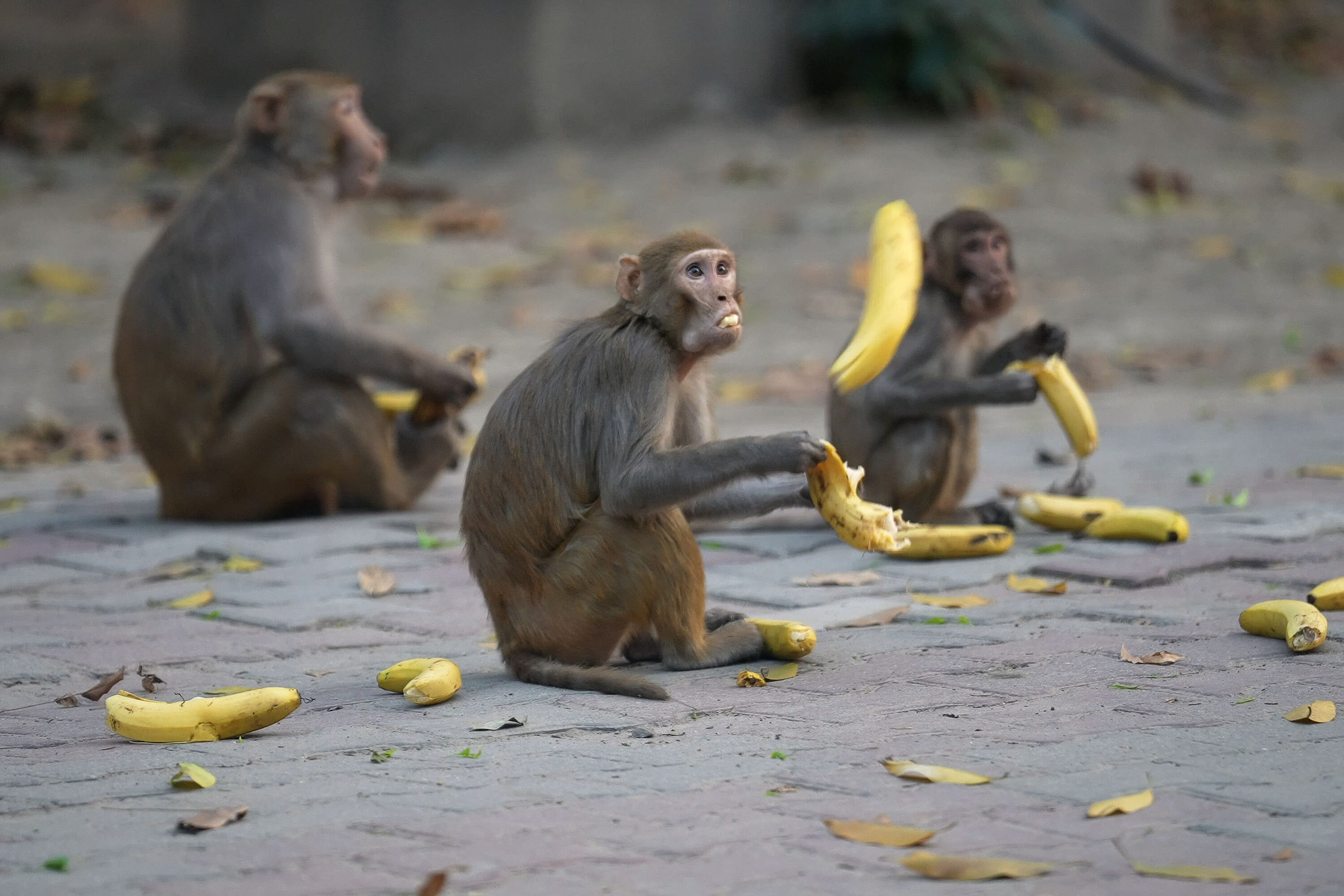
Aging rhesus macaques show broader protein changes in blood than in brain fluid
A study of 66 rhesus macaques found age-related differences in many more measured proteins in plasma than in…
Read story →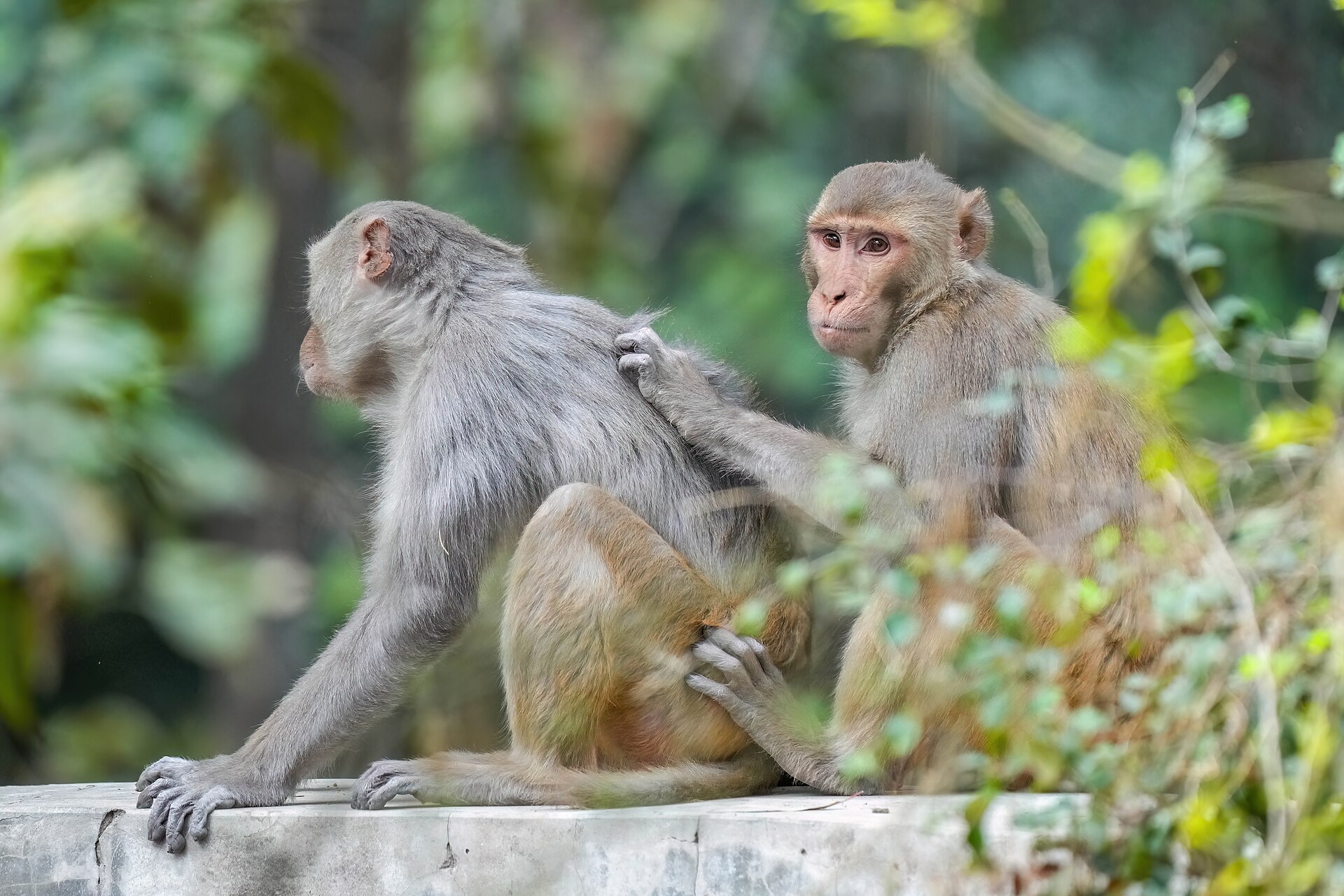
Rhesus Macaques Made More Accurate Choices When They Responded Faster
Rhesus macaques choosing between two alternatives were more accurate when they responded faster, even after choice difficulty was…
Read story →SPECIES IN THIS STORY
Species in this story
Independent research and conservation news archive
Did you find this information useful?
Wildlife Vagabond is independently built and maintained. Voluntary support helps cover source verification, hosting and continued work on research and conservation news.
Support Wildlife VagabondThe news archive will remain freely available.