
Banded Mongooses Had Higher Surface Temperatures in Human-Modified Microhabitats
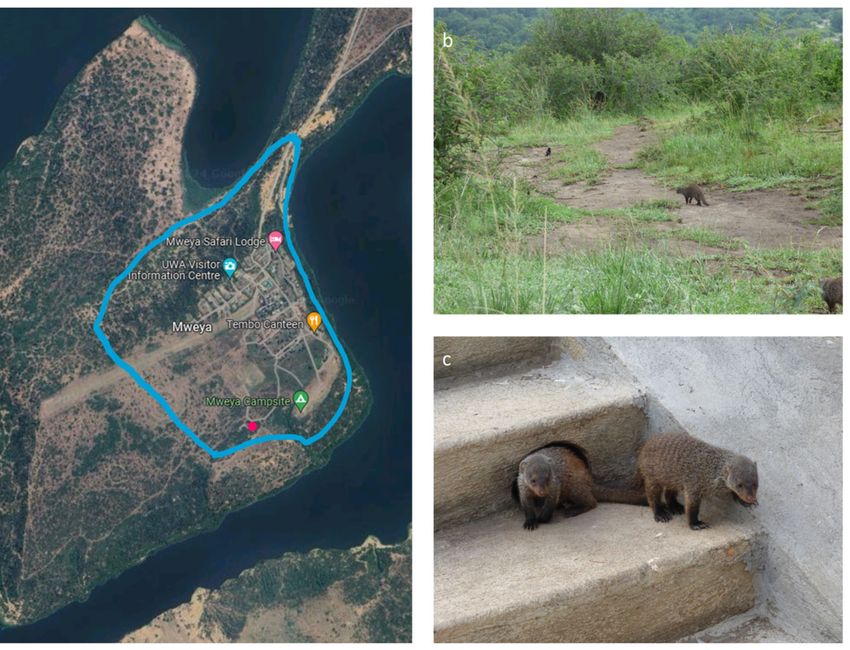
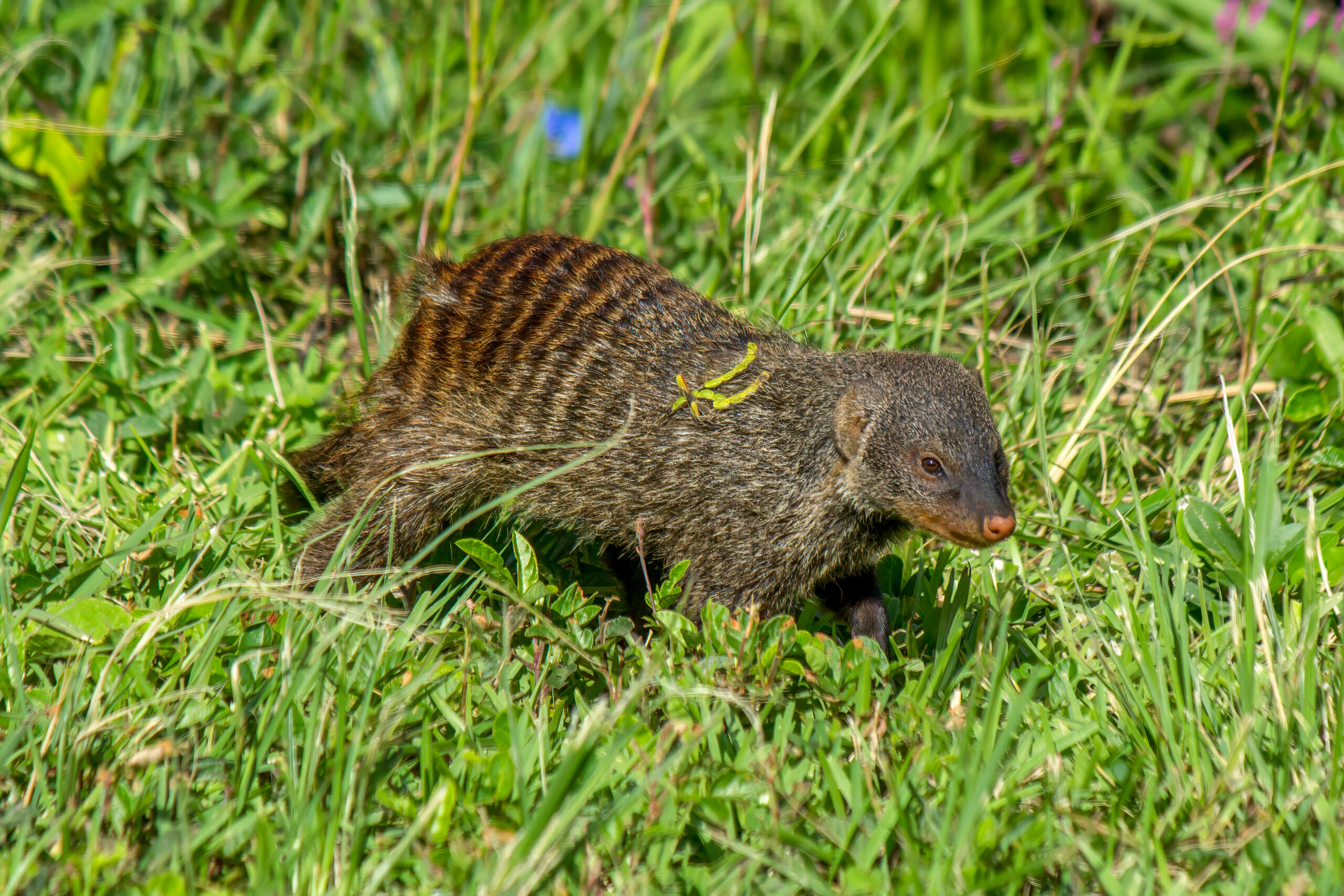
A 2026 study from Queen Elizabeth National Park in Uganda examined how body-surface temperature in wild banded mongooses (Mungos mungo) was associated with natural and human-modified microhabitats. Here, a microhabitat means the immediate patch or surface an animal is using—for example tall vegetation, bare soil, building material, refuse or discarded roofing straw. The study followed a habituated group of 38 mongooses around Mweya, where the animals move between natural vegetation, buildings, bare ground and areas containing discarded materials.
Researchers used thermal imaging during 164 focal observations in May 2023. Air temperatures during the observations ranged from 25.3 to 37.2 °C, while the mongooses’ measured body-surface temperatures ranged from 34.4 to 42.6 °C. The analysis accounted for air temperature, humidity, time of day and whether animals were in body contact with other mongooses.
Tall vegetation was coolest, while refuse and roofing straw were hottest
The coolest surface temperatures were recorded when mongooses were among taller vegetation, with short vegetation and discarded wood also associated with relatively low temperatures. Building materials, dead vegetation and bare soil were intermediate. The highest surface temperatures occurred when animals were on mixed refuse and discarded roofing straw.
Surface temperature does not measure core body temperature
Body-surface temperature is not the same as core body temperature, but it provides information about the thermal conditions an animal is experiencing before its core temperature rises to dangerous levels. Vegetation can provide shade and cooling through evaporation and transpiration, while some human-made or discarded materials can absorb, retain or generate more heat.
The authors conclude that human-modified microhabitats can be hotter than more natural vegetated areas and may affect activity, foraging, offspring care and thermoregulation in wildlife.
They describe the study as relatively small-scale and limited in scope and call for further research on how anthropogenic environments affect thermal biology, behaviour and fitness, including under more extreme weather conditions.
Physiology
Related news
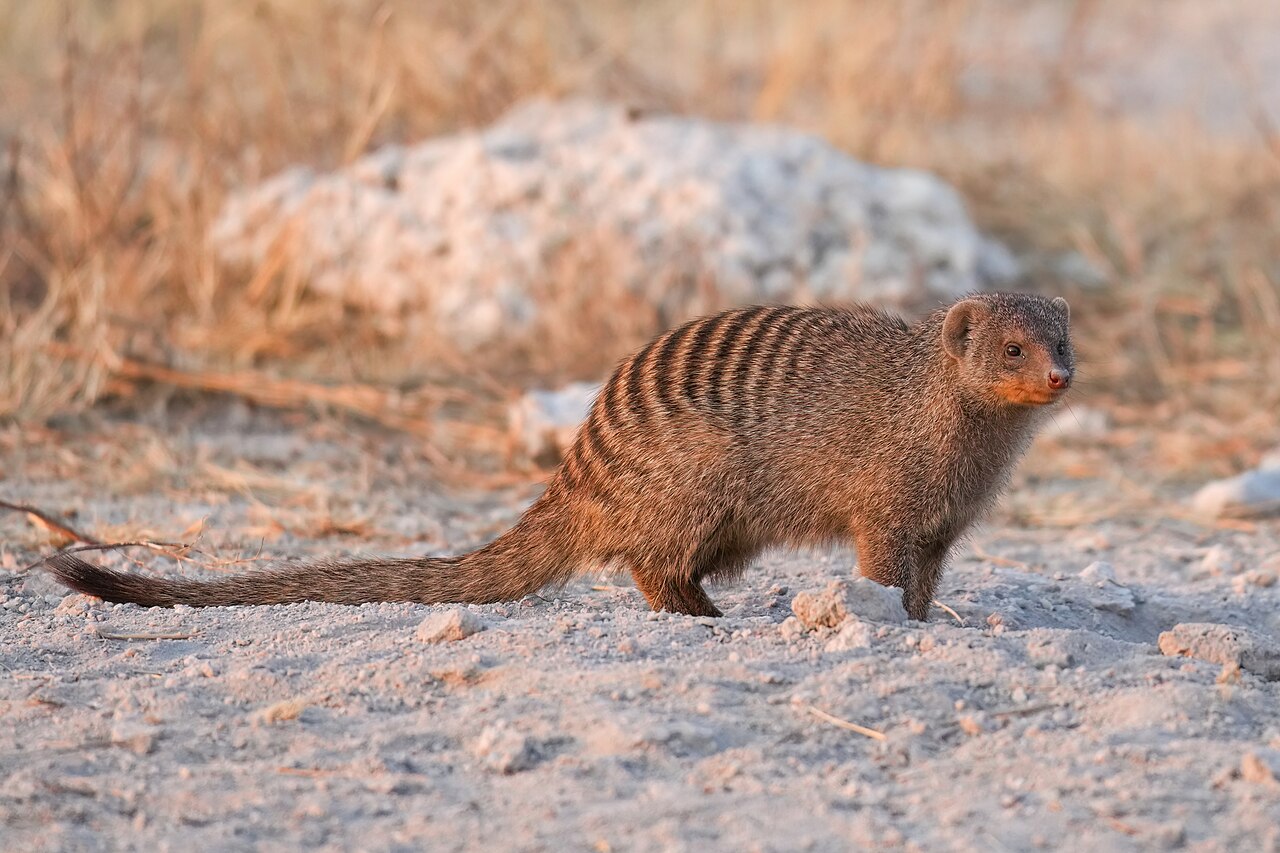
Age and Individual Identity Shaped Banded Mongoose Scent Chemistry
Anal-gland secretions from wild banded mongooses in Uganda carried individually distinct chemical profiles. Age, season and reproductive status…
Read story →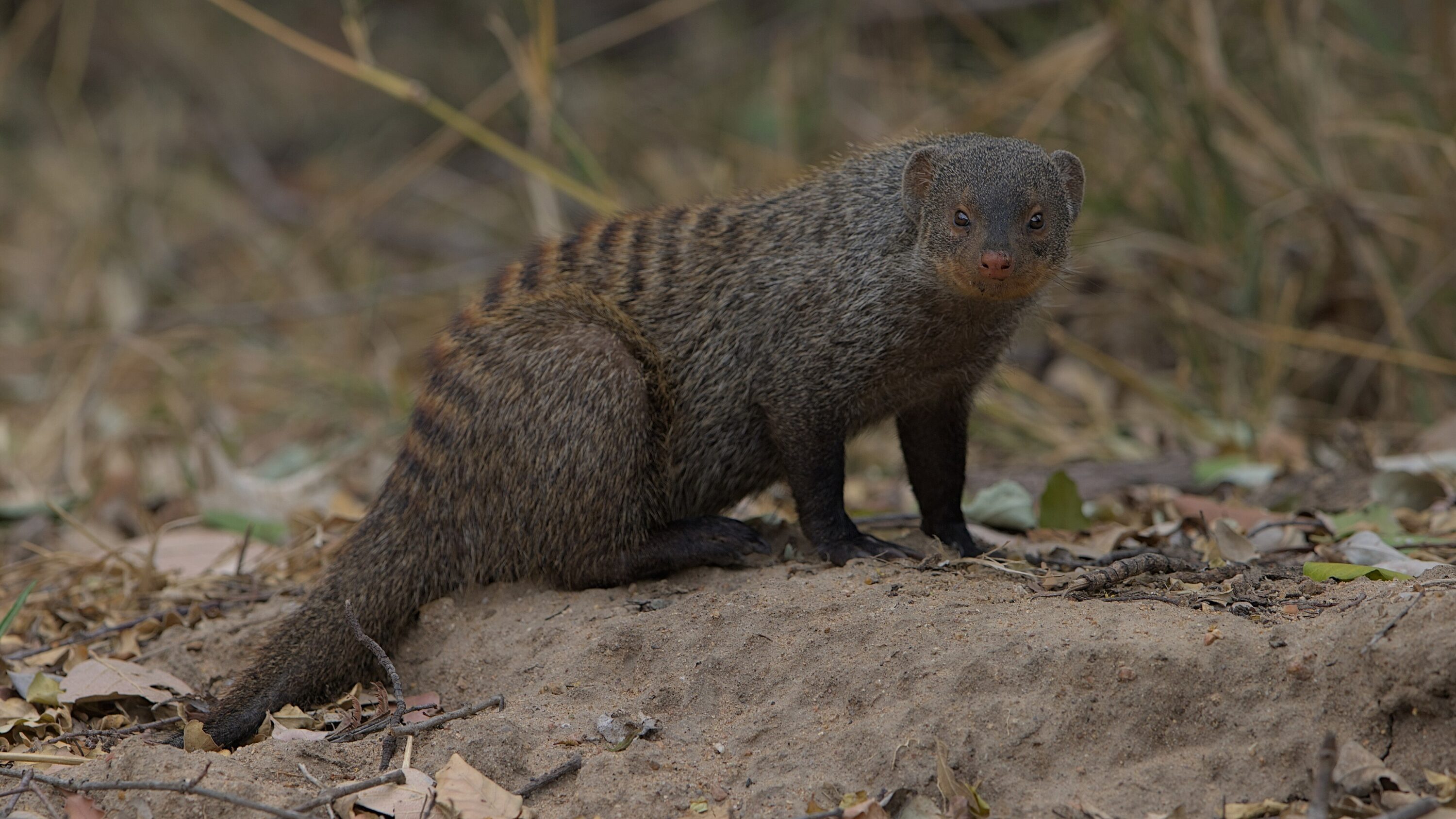
Scent-marking Networks May Help Disease Spread Between Banded Mongoose Groups
Observations of an uninfected Ugandan population showed far more potential indirect contacts through scent marks than direct contacts.…
Read story →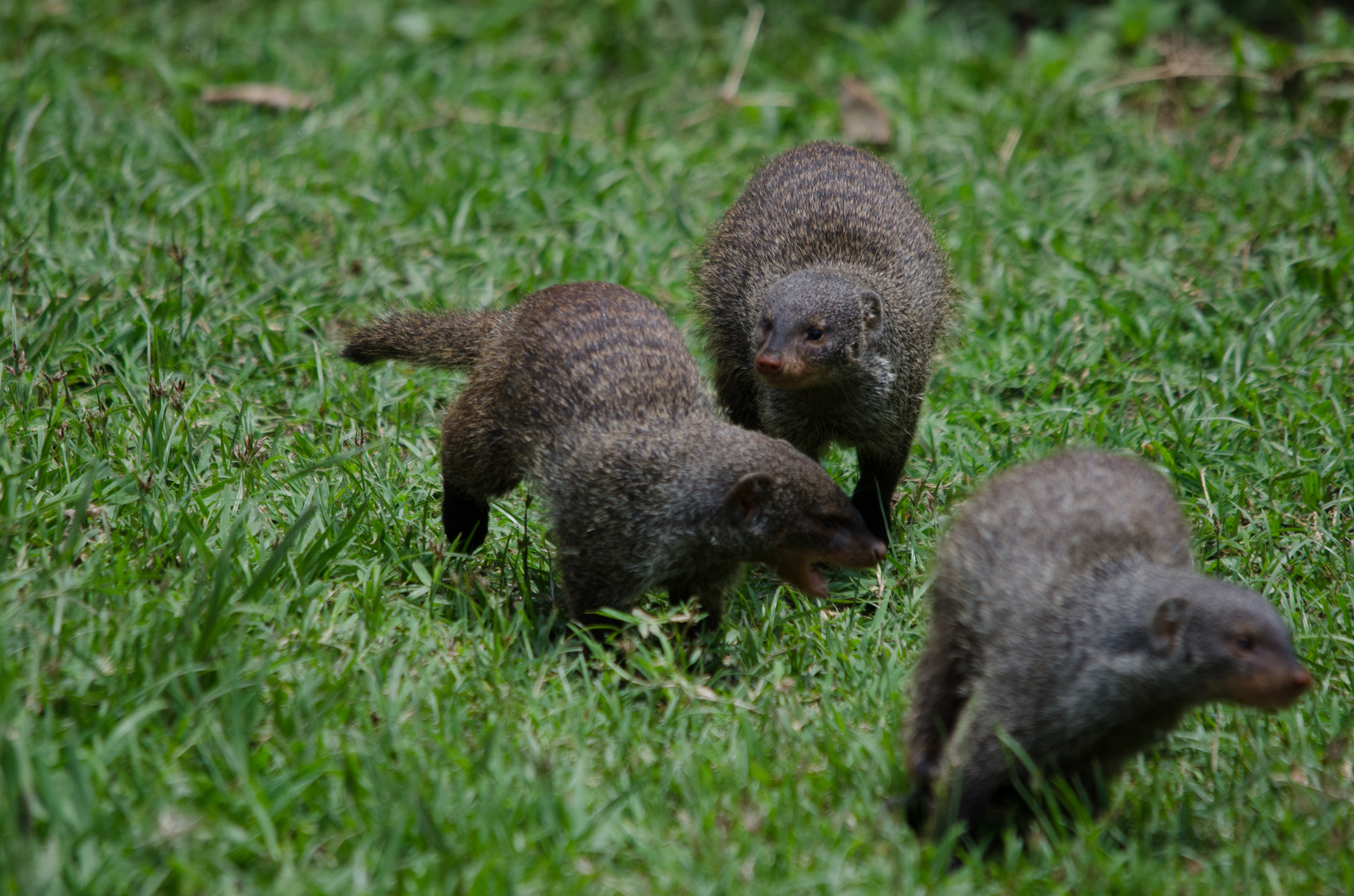
Banded mongoose groups show little lasting movement change after simulated rival encounters
An experiment with five groups in Uganda found brief changes in space use after simulated encounters, but no…
Read story →SPECIES IN THIS STORY
Species in this story
Independent research and conservation news archive
Did you find this information useful?
Wildlife Vagabond is independently built and maintained. Voluntary support helps cover source verification, hosting and continued work on research and conservation news.
Support Wildlife VagabondThe news archive will remain freely available.