
Berlin Common Buzzards Forage in Courtyards and Breed in Urban Green Islands
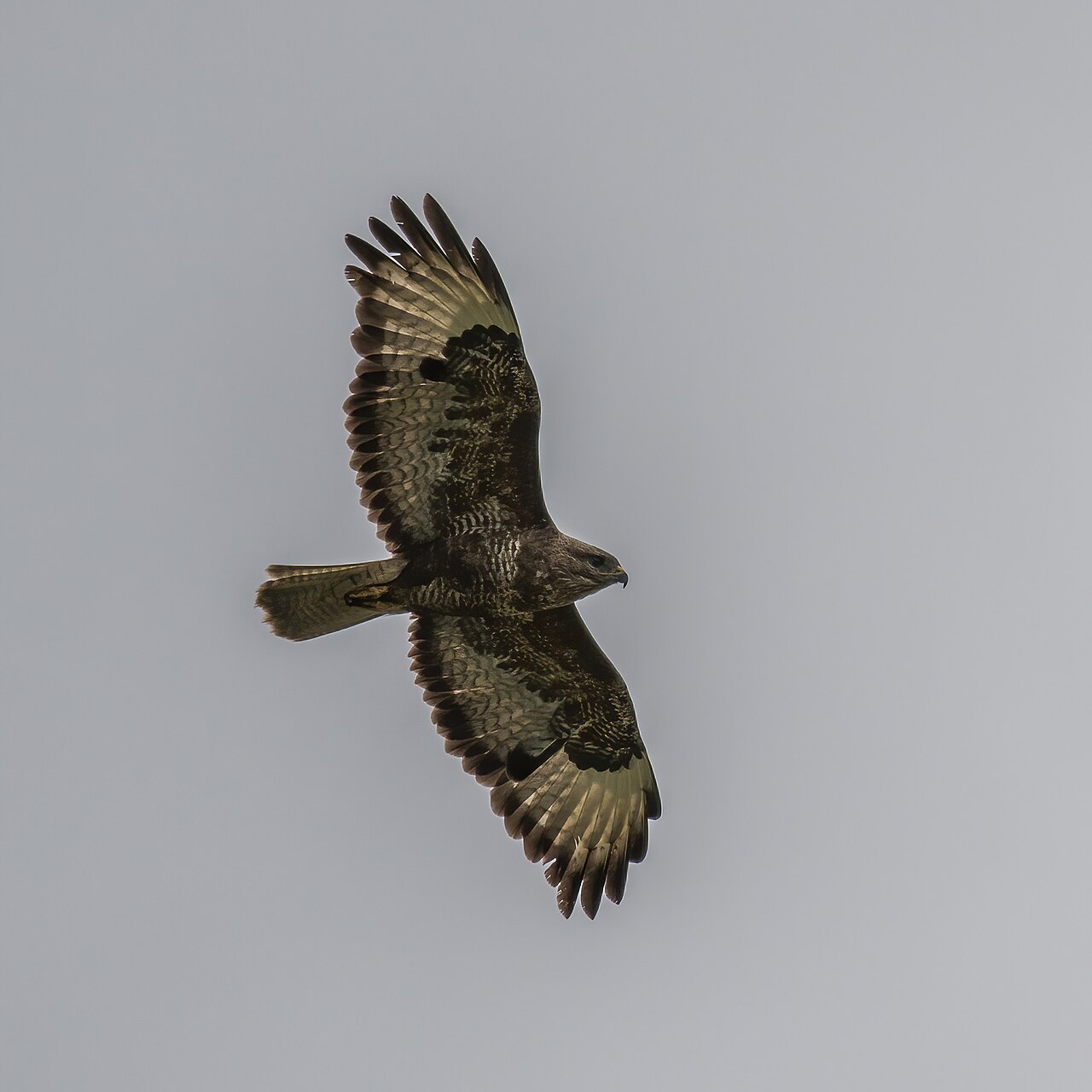
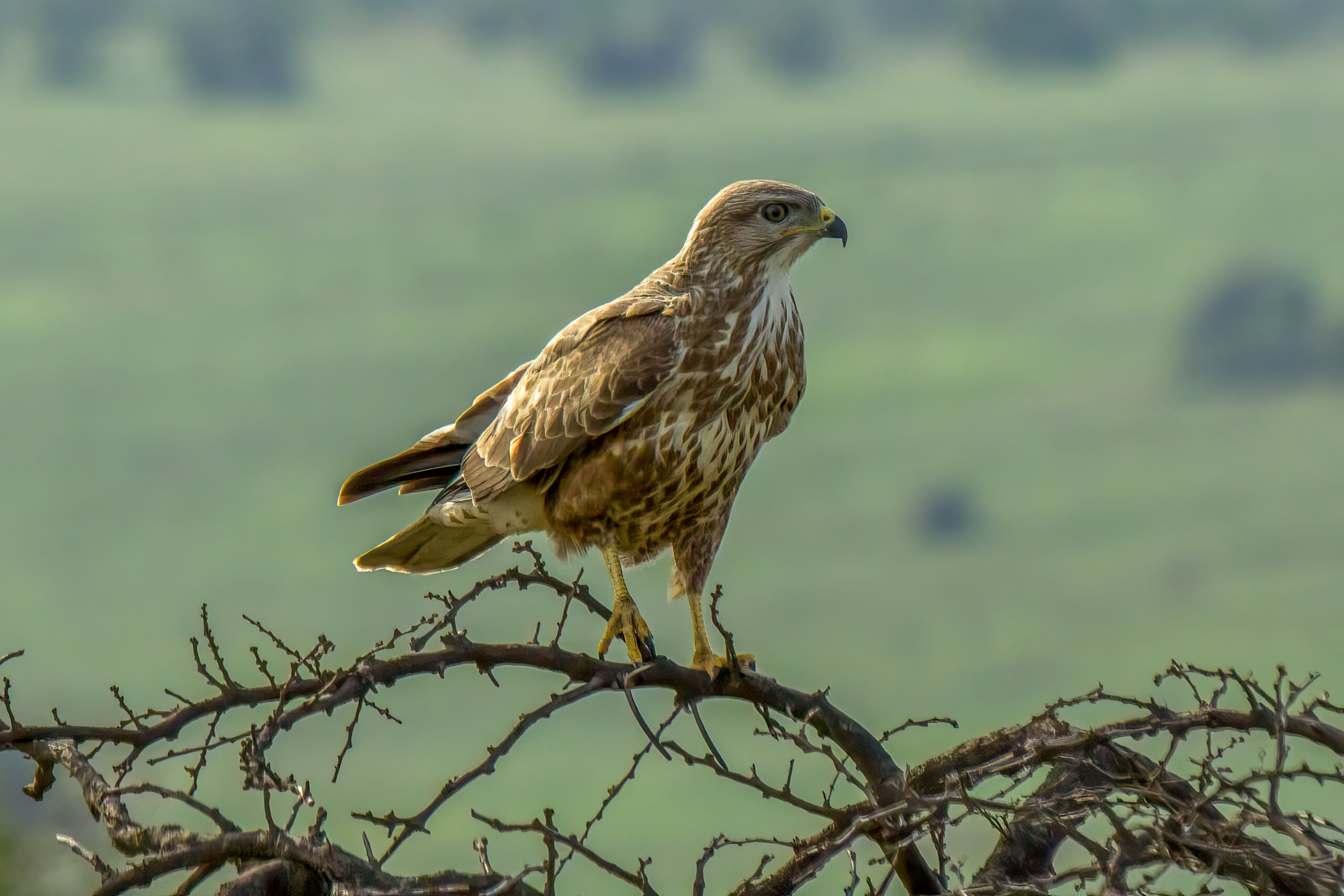
Common buzzards (Buteo buteo) are usually associated with farmland, forest edges and open countryside, but a long-term study from Berlin, Germany shows how an established urban population uses very different parts of the city for foraging and breeding.
Researchers analysed four years of GPS data from 22 juveniles during natal dispersal, from 2022 to 2025, together with nest records from 225 breeding events collected over seven breeding seasons from 2018 to 2024. The juveniles’ core foraging ranges averaged 11.0 km². Within these ranges, the researchers identified 82 smaller foraging hotspots averaging 0.2 km².
Residential courtyards became concentrated foraging hotspots
Many hotspots were in residential and recreational areas, sometimes covering only a single courtyard. Hotspots in more densely populated parts of the city were generally smaller and used over shorter time spans than those in less densely populated areas.
Field surveys found a strong association with brown rats (Rattus norvegicus) and features that promote them. In residential and recreational areas, 95% of the hotspots had either signs of rats or features such as food waste and excessive bird feeding that favour rats. The study measured these indicators as presence or absence rather than estimating rat density, so the results show an association with potential prey rather than precise differences in prey abundance.
Active pest control was recorded at 48% of all hotspots and at 79% of those in residential areas. The researchers did not measure rodenticide exposure in the tracked buzzards, so it remains unknown whether hunting around sites with rat control increases the risk of secondary poisoning.
Breeding habitat was concentrated in green urban islands
Breeding sites followed a different pattern. Of the 225 breeding events, 72% were in city parks or cemeteries. A habitat model identified local tree cover and habitat type as the main predictors of breeding suitability. It predicted 17.3 km² of suitable breeding habitat within the intensively studied 217 km² area and 45.4 km² across the wider Berlin city region.
Most suitable habitat was associated with parks, cemeteries and mature tree cover, although some isolated residential courtyards also provided potential breeding habitat. The authors conclude that Berlin’s common buzzards can exploit small, human-dominated foraging patches while depending strongly on mature trees and urban green spaces for breeding. They also highlight the need to determine whether rodent control exposes urban predators to harmful levels of anticoagulant rodenticides.
Ecology
Related news
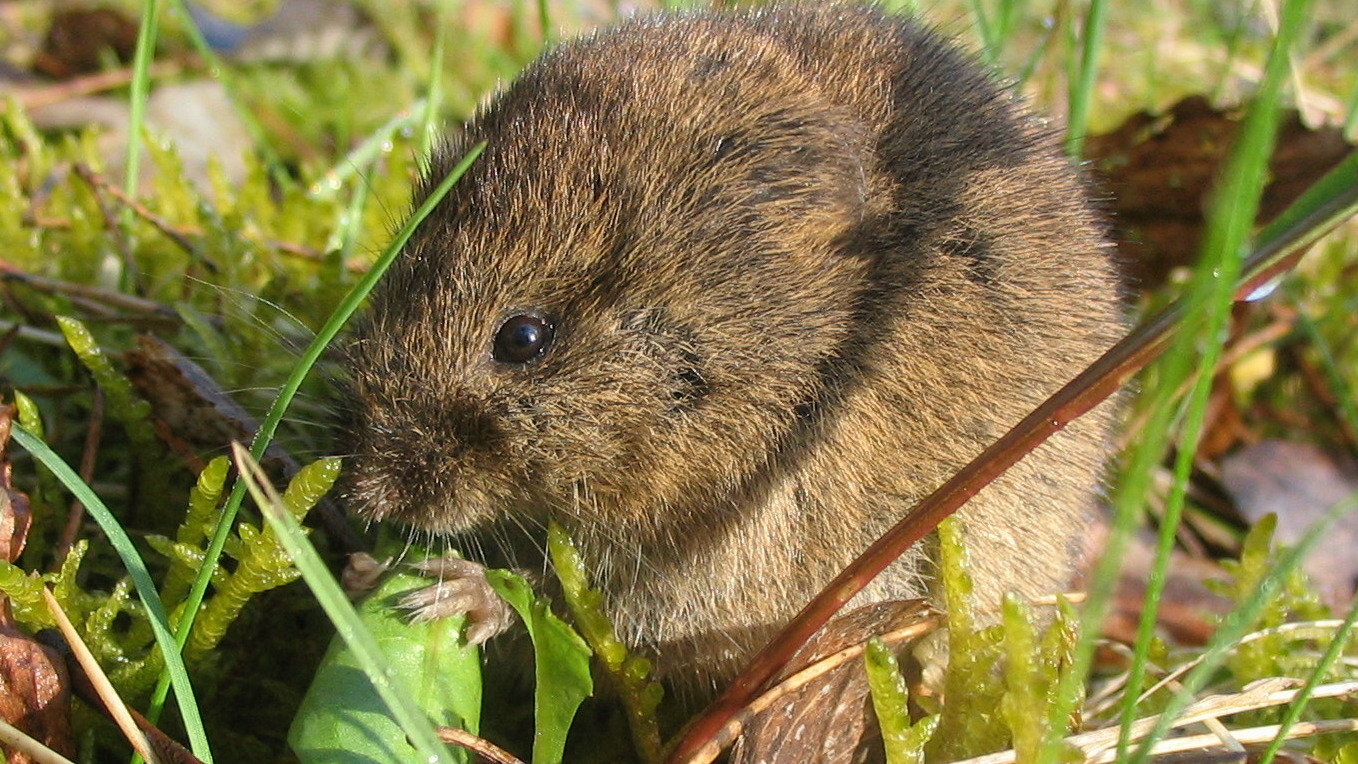
Common Voles Were the Most Frequent Prey of Buzzards in Ojców, but Birds Dominated Biomass
Among 120 prey items identified in the diet of common buzzards in Ojców National Park, common voles accounted…
Read story →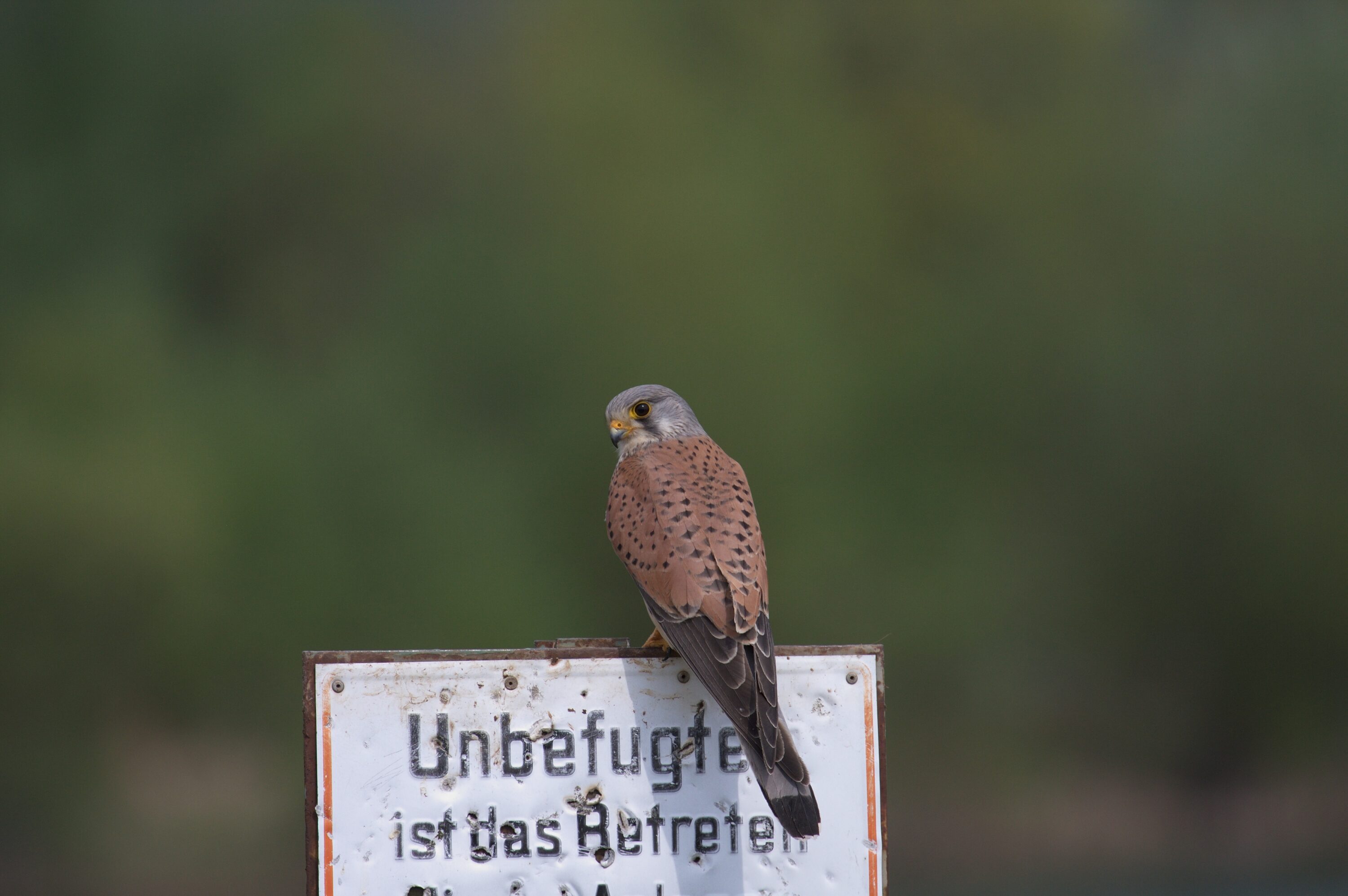
Winter Surveys Estimated 5.59 Common Kestrels and 2.61 Common Buzzards per km² in Parma Farmland
Roadside distance sampling in northern Italy estimated 5.59 common kestrels and 2.61 common buzzards per km², while the…
Read story →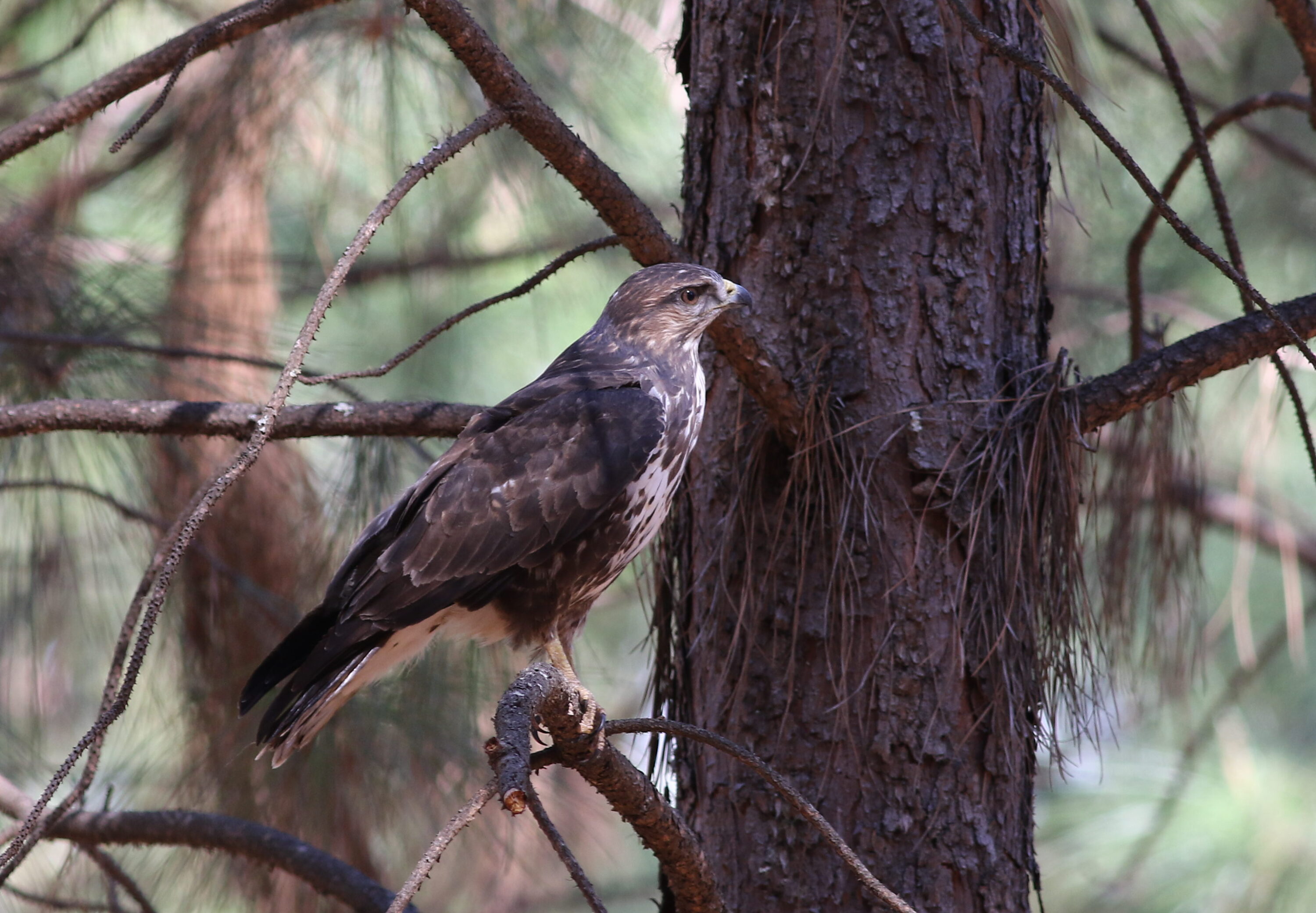
Garden Route Project Asks Public to Report Colour-ringed Buzzards
A new public reporting campaign asks people across South Africa’s Garden Route to report white colour rings on…
Read story →SPECIES IN THIS STORY
Species in this story
Independent research and conservation news archive
Did you find this information useful?
Wildlife Vagabond is independently built and maintained. Voluntary support helps cover source verification, hosting and continued work on research and conservation news.
Support Wildlife VagabondThe news archive will remain freely available.